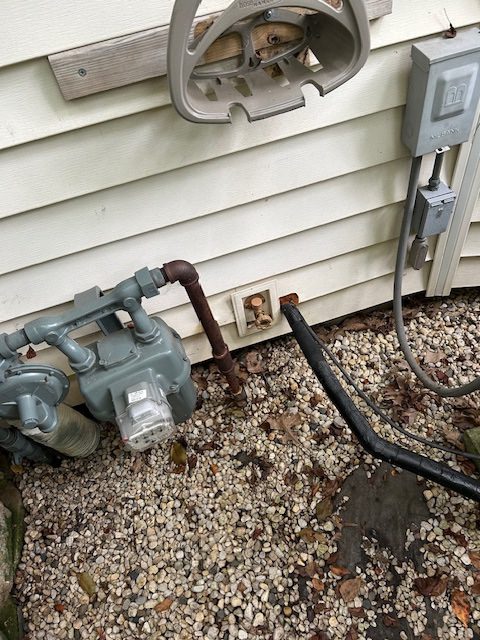
If you suspect a gas line problem in your Elgin home, don’t wait. Gas leaks are silent, invisible, and potentially deadly, and they don’t fix themselves. Whether you’ve caught a faint sulfur smell, heard an unexplained hiss near your appliances, or noticed your gas bill creeping up for no reason, those are your home telling you something is wrong.
At Fox Valley Plumbing, we provide professional gas line repair in Elgin, IL, and the surrounding Fox Valley area. In this guide, we’ll walk you through the top warning signs of a gas line problem, exactly what to do if you suspect a leak, and why calling a licensed plumber is the only safe option.
Why Gas Line Safety Should Be Your Top Priority
Natural gas powers millions of Illinois homes — it fuels your furnace, water heater, stove, and dryer. However, the same properties that make it an efficient energy source also make it hazardous when it escapes from a damaged or corroded pipe.
According to the National Fire Protection Association (NFPA), natural gas and propane are responsible for thousands of home fires, explosions, and carbon monoxide incidents each year. Many of those incidents begin with a small, undetected leak — the kind that residential gas line services exist to find and fix before disaster strikes.
The good news: gas line problems almost always give warning signs. You just need to know what to look for.
7 Warning Signs Your Elgin Home Needs Gas Line Repair
These are the signals that should prompt an immediate call to a licensed plumber or, in some cases, an immediate evacuation.
1. You Smell Rotten Eggs or Sulfur
Natural gas is odorless on its own, but utility companies add mercaptan, a chemical that produces a distinct rotten egg or sulfur smell, specifically so you can detect leaks. If you smell this anywhere in your home, near appliances, in the basement, or around your meter, treat it as a gas leak until proven otherwise.
- Do not ignore it and assume it will pass
- Do not turn any switches on or off
- Leave immediately and call 911 from outside
2. You Hear a Hissing or Whistling Sound Near Gas Lines
A hissing sound near a gas appliance, pipe, or meter is often the sound of gas escaping under pressure. This is one of the clearest audible signs of an active gas leak. Even a faint, intermittent hiss near your furnace, water heater, or stove connection warrants an immediate call for gas leak detection.
3. Dead or Discolored Vegetation in Your Yard
Underground gas line leaks don’t always show up inside the house first. If you notice a patch of grass, shrubs, or plants that have died suddenly, especially in a line or pattern, that could indicate a leak from your buried gas supply line. Gas displaces oxygen in the soil, effectively suffocating plant roots.
This is especially worth watching for if your neighbors’ lawns look healthy, but yours has an unexplained dead zone.
4. Visible Damage to Exposed Pipes
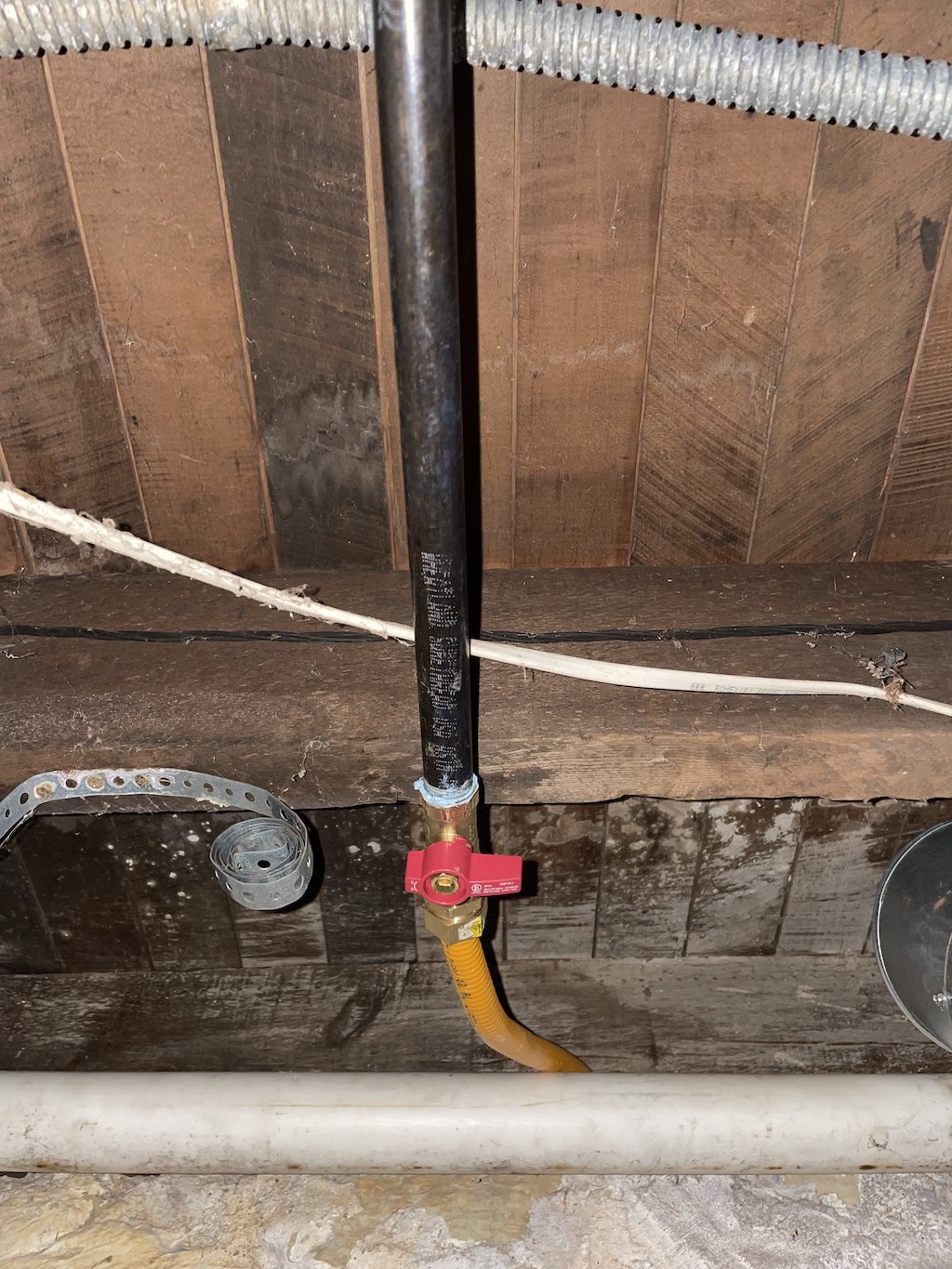
If you can see your gas pipes in the basement, utility room, or crawl space, inspect them periodically. Signs of damage include:
- Rust or corrosion on the pipe surface
- Cracks or splits in the pipe material
- Loose or disconnected fittings and joints
- Dents or physical deformation from impact
Any of these warrants a professional inspection. Corroded or cracked pipes are a leading reason homeowners need gas pipe installation or full line replacement.
5. Unexplained Increase in Your Gas Bill
If your gas usage habits haven’t changed but your monthly bill has jumped significantly, you may have a slow leak somewhere in your line. Gas that escapes before reaching your appliances still registers on the meter, meaning you pay for gas you never actually used.
This is one of the sneakiest signs of a gas line problem because there are no obvious safety symptoms. But a steady billing increase with no explanation is worth investigating with a professional gas line inspection.
6. Physical Symptoms in Your Household
Low-level gas exposure can cause physical symptoms before you ever notice a smell. If multiple people in your home are experiencing any of the following with no other explanation, a gas leak may be the cause:
- Persistent headaches or dizziness
- Nausea or eye, nose, and throat irritation
- Unexplained fatigue or difficulty concentrating
Pets are often affected before humans. If your dog or cat is acting lethargic or disoriented for no clear reason, take that seriously.
7. Your Gas Appliances Are Performing Poorly
If your stove flame is yellow or orange instead of blue, or if your furnace or water heater is cycling on and off more frequently than usual, restricted or irregular gas flow may be to blame. Appliance performance problems aren’t always a sign of a failing appliance; they’re sometimes a sign that your gas supply line isn’t delivering fuel properly.
What to Do If You Suspect a Gas Leak: Step-by-Step
Speed and calm are both essential. Here’s exactly what to do:
Don’t touch anything electrical
That means no light switches, no phone calls from inside the house, no unplugging appliances. Any electrical spark — even from a phone — can ignite accumulated gas.
Leave the door open and exit immediately
Leaving a door open helps ventilate the space and reduces gas concentration. Don’t stop to grab belongings.
Call 911 and your gas utility from outside
Once you’re a safe distance away, call emergency services. In the Elgin area, your gas utility is Nicor Gas, whose emergency line is available 24/7.
Do not re-enter until cleared
Wait for the fire department or utility company to declare the structure safe. The U.S. Fire Administration advises never re-entering a building suspected of a gas leak until emergency services give the all-clear.
Call Fox Valley Plumbing for professional gas line repair
Once the immediate emergency is resolved, you’ll need a licensed emergency plumber to assess the damage, locate the source, and perform necessary repairs or gas pipe installation to bring your home back up to code.
Why Professional Gas Line Repair Is Non-Negotiable
We understand the temptation to Google a fix or call a handyman to save money. But gas line repair is not a DIY situation, and in Illinois, it’s also a legal one.
Licensing and Code Requirements
In Illinois, gas line work must be performed by a licensed plumber and is subject to local permitting and inspection. According to the Illinois Department of Financial & Professional Regulation (IDFPR), unlicensed gas line repairs are illegal — and if a fire or injury occurs as a result, your homeowner’s insurance may not cover the claim.
Proper Leak Detection Equipment
Fox Valley Plumbing uses professional gas leak detection equipment, including electronic gas detectors and pressure testing, to pinpoint the exact location of a leak. You can’t reliably find a gas leak with your nose alone, especially in walls, under floors, or underground.
Long-Term Safety and Liability
A temporary fix on a gas line isn’t a fix — it’s a delayed problem. Professional plumbers don’t just repair the symptom; they assess the condition of the entire line, identify corrosion or aging pipe sections, and make recommendations for gas pipe installation or full replacement when needed. Learn more about our full range of licensed plumbing services in Elgin.
Gas Line Repair vs. Gas Pipe Installation: What’s the Difference?
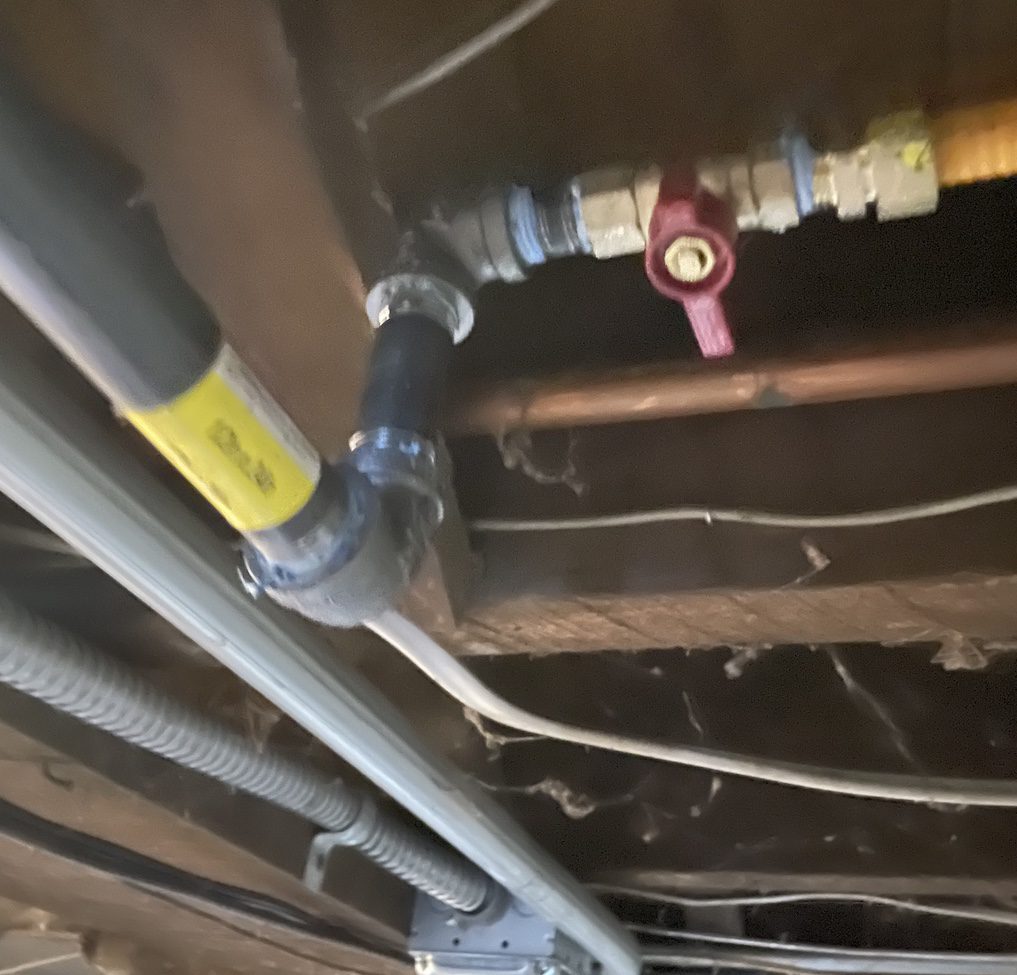
These two services often come up together, and it’s worth understanding what each involves.
| Service | What It Covers | When You Need It |
|---|---|---|
| Gas Line Repair | Fixing damaged, leaking, or corroded sections of an existing gas line — tightening fittings, replacing pipe sections, and sealing compromised joints | When a leak is detected or signs of damage are found on existing lines |
| Gas Pipe Installation | Running entirely new gas lines — for a new appliance, a home addition, or to replace aging piping throughout the house | New construction, adding appliances, or upgrading old steel/iron pipes |
Older home? Get a full inspection. If your home was built before the 1970s and still has original gas piping, a full inspection is strongly recommended. Older steel and iron pipes are prone to corrosion and may not meet current safety codes.
Serving Elgin, IL, and the Surrounding Fox Valley Area
Fox Valley Plumbing has been serving residential customers throughout Elgin and the greater Fox Valley region for years. Our licensed plumbers are familiar with the specific plumbing codes and inspection requirements in Kane County and the City of Elgin, so you can trust that every repair is done right the first time.
- 24/7 Emergency Service
Gas line emergencies don’t wait for business hours. We’re available around the clock. - Gas Leak Detection
Electronic detection equipment to pinpoint leaks behind walls, under floors, and underground. - Gas Pipe Installation
New lines for appliances, additions, and full-home gas system upgrades. - Pressure Testing
Full-home gas line inspections and pressure testing for complete peace of mind.
We proudly serve Elgin, South Elgin, St. Charles, Geneva, Batavia, and surrounding Kane County communities.
Upfront pricing, no surprises. Fox Valley Plumbing provides written estimates before any work begins. You’ll always know what you’re paying before we touch a pipe.
Frequently Asked Questions About Gas Line Repair in Elgin, IL
What does a gas leak smell like?
Natural gas is odorless by nature, but utility companies add mercaptan, a sulfur-like additive that produces a rotten egg or sulfur smell. If you notice this odor anywhere in your home, treat it as a potential gas leak immediately.
What should I do if I suspect a gas leak?
Do not turn any lights or appliances on or off. Leave the door open, exit the home immediately, and call 911 and your gas utility from a safe distance. Do not re-enter until emergency services clear the property.
How much does gas line repair in Elgin, IL cost?
Gas line repair costs vary based on the severity of the problem, pipe material, and accessibility. Minor repairs may start around $150–$300, while larger repairs or pipe replacements can run $500–$2,000 or more. Fox Valley Plumbing provides upfront estimates before any work begins.
How often should gas lines be inspected?
Most plumbing professionals and the American Gas Association recommend a professional gas line inspection every 1–2 years, or any time you notice warning signs like unusual odors, hissing sounds, or higher-than-normal gas bills.
Can I repair a gas line myself?
No. Gas line repair requires a licensed plumber and must be permitted and inspected in most Illinois jurisdictions. DIY gas line work is illegal and extremely dangerous. Always call a licensed professional.