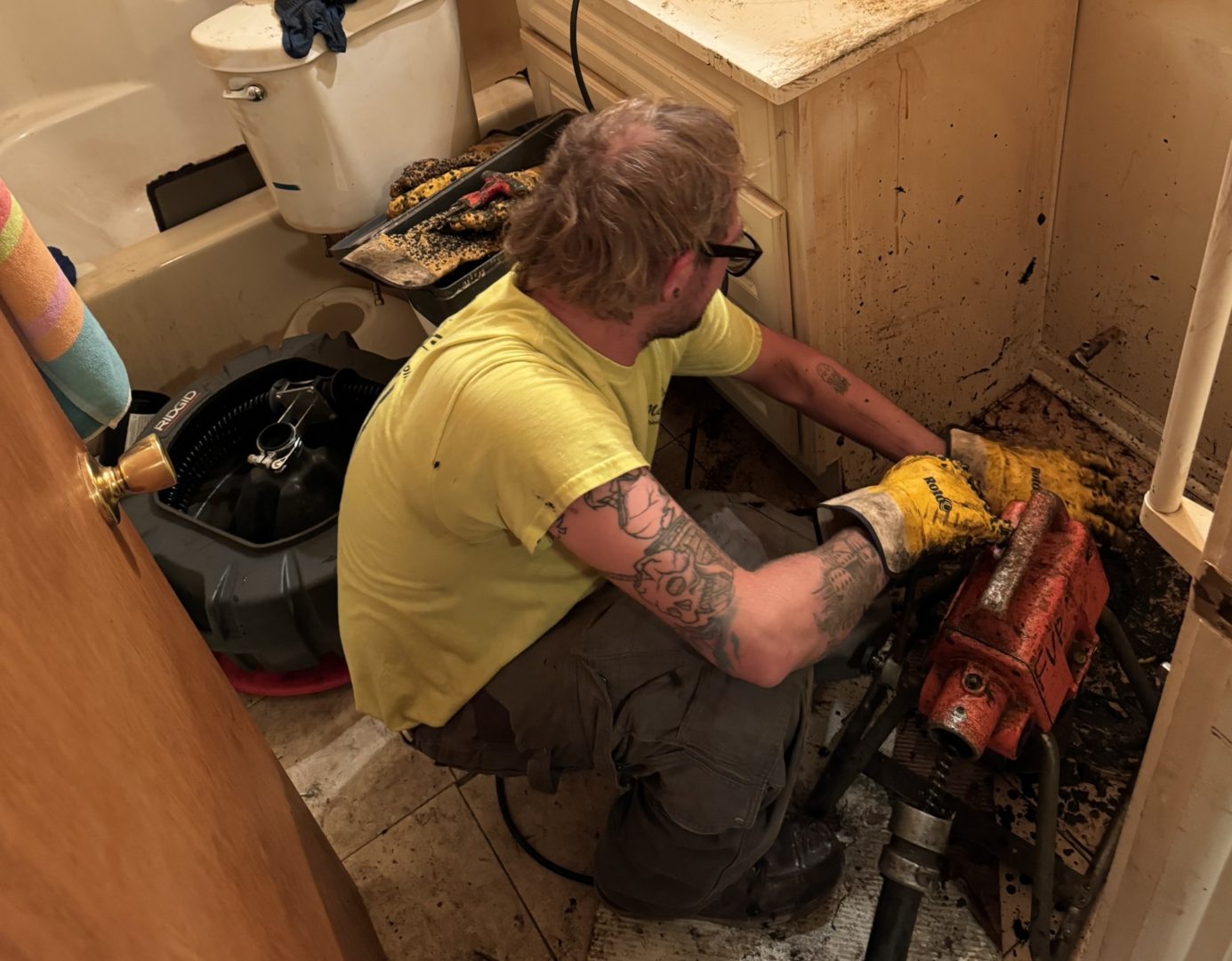
Plumber performing drain cleaning service in Elgin IL kitchen

Best Plumbers in Elgin Share the Advice Every Homeowner Should Actually Know

If you’ve lived in Elgin or the Fox Valley area for more than a few winters, you already know your home’s plumbing takes a beating. Hard water that clocks in between 15 and 25 grains per gallon, freeze-thaw cycles that stress every pipe in your walls, and sewer lines that have seen better decades, it adds up fast.

After more than 15 years as a licensed Master Plumber serving Elgin, South Elgin, Bartlett, and the surrounding western suburbs, we’ve seen the same preventable problems recur repeatedly.

Know Your Water: Elgin’s Hard Water Is Working Against Your Plumbing Every Day

Most homeowners don’t think about water chemistry until something breaks. But Elgin’s municipal water supply runs hard, typically 15 to 25 grains per gallon (GPG) — and that mineral load
quietly does damage 24 hours a day. Scale builds inside your water heater tank, reducing
efficiency and shortening its life. It coats the inside of supply lines. It clogs aerators and
showerheads. And it’s especially brutal on tankless water heaters, which need annual descaling
to stay efficient.

Here’s what we tell every Elgin homeowner: flush your water heater tank once a year to clear sediment, and if you’re on a tankless unit, schedule a vinegar flush or professional descale before it starts throwing error codes. A water softener is worth the investment if you’re replacing fixtures more often than you should be. The EPA’s drinking water guidance is a solid reference if you want to understand what’s actually in your tap water and why it matters for your plumbing system.

If your water heater is more than 10 years old and you’ve never had it serviced, it’s not a
question of whether it’ll fail — it’s when. Our water heater repair and installation service covers everything from a simple element swap to a full replacement, and we’ll tell you honestly whether a repair makes sense or whether you’re throwing money at a unit that’s already on borrowed time.

The Drain Myths That Are Costing Elgin Homeowners Real Money

Two of the most common pieces of plumbing “wisdom” we hear from homeowners are flat-out wrong, and they cause real damage.

Myth 1: Drano (or any chemical drain cleaner) fixes slow drains

Chemical drain cleaners work by generating heat through a caustic reaction. That heat can soften PVC fittings, eat through older galvanized pipe, and damage the rubber gaskets in your P-trap. Worse, if the clog doesn’t fully clear, you now have a pipe full of caustic liquid sitting on the blockage, and the next person who tries to clear it manually is in for a bad time. A slow drain is almost always a mechanical problem: grease buildup, hair, or a partial blockage deeper in the line. It needs a mechanical solution — a drain snake, a hand auger, or high-pressure water jetting for stubborn buildup.

Myth 2: “Flushable” wipes are safe to flush

They’re not. We pull these out of sewer lines constantly. Unlike toilet paper, wipes don’t
break down in water; they accumulate, catch grease and debris, and eventually create a blockage
that can back up your entire main line. If you’re using them, toss them in the trash. Your sewer line will thank you. If you’re already dealing with slow drains throughout the house or sewage backing up into a basement floor drain, that’s a main line issue — check out our main sewer line cleaning service or consider a video sewer inspection so you know exactly what you’re dealing with before spending a dime on repairs.

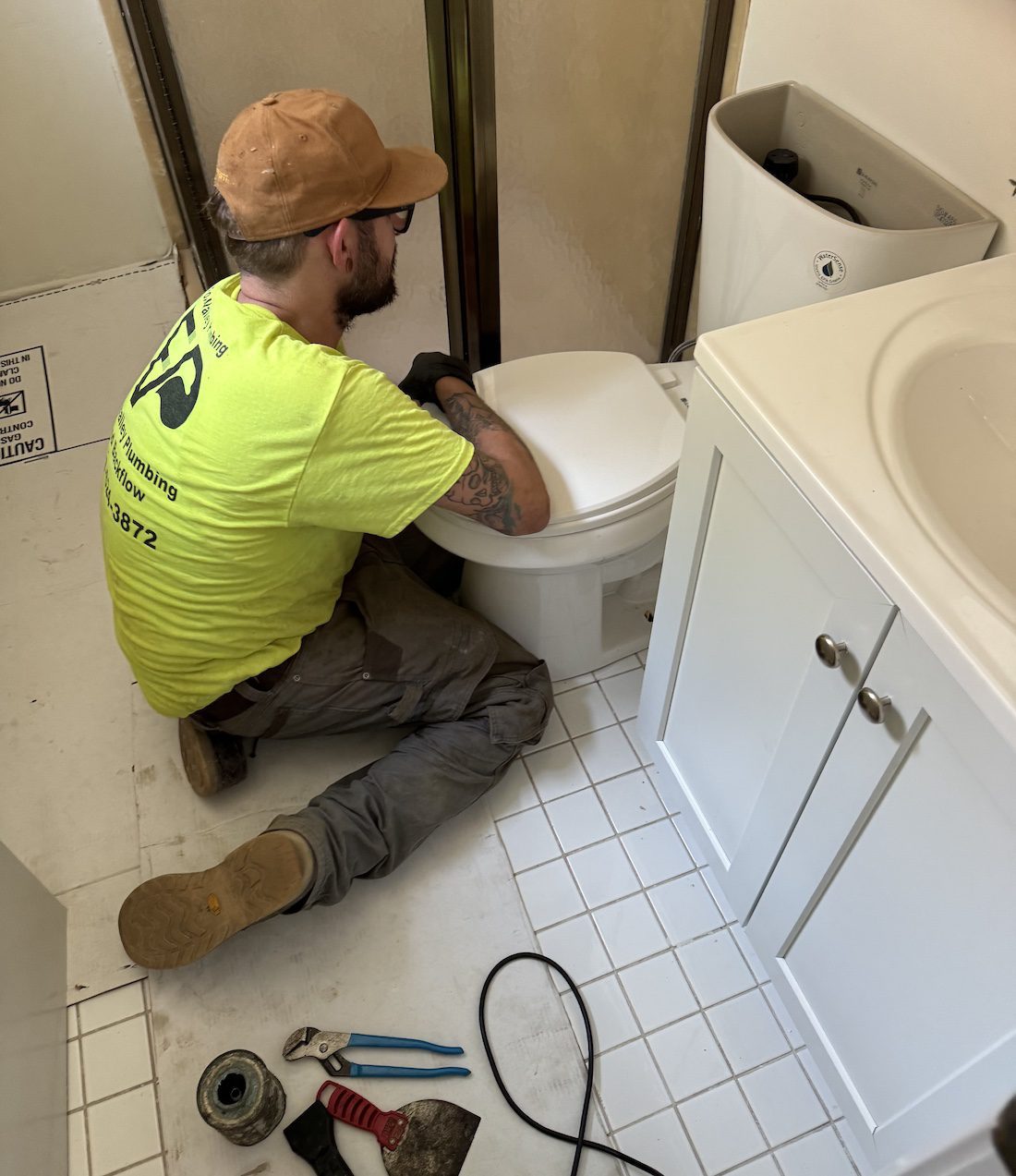
Plumber performing toilet drain cleaning service in Elgin IL

Backflow Prevention: The Annual Test Most Elgin Homeowners Don’t Know They Need

If your home has an irrigation system, a boiler, a fire suppression system, or any connection
where non-potable water could theoretically flow backward into your drinking water supply, you
likely have a backflow preventer — and in Illinois, it needs to be tested annually. This isn’t
optional. Under Illinois Department of Public Health regulations and the state’s cross-connection control requirements (Title 35, Part 653 of the Illinois Administrative Code), annual backflow testing is required for most commercial properties and many residential installations.

A lot of homeowners assume backflow is only an issue for commercial buildings or farms. It’s
not. Any cross-connection — a garden hose submerged in a bucket of fertilizer, an irrigation
head sitting in standing water, a boiler system tied to your domestic supply — is a potential
contamination path if pressure drops on the city side. The American Water Works Association has published extensive research on how cross-connection contamination events happen, and the mechanism is simpler and more common than most people realize.

Spring is the busiest season for backflow testing in the Fox Valley area — irrigation systems
come back online, municipalities ramp up inspections, and property managers scramble to get
compliant before deadlines. Don’t wait until April to schedule. Our backflow testing and installation service is available year-round, and we’ll handle the paperwork and reporting to your water authority.

What a Running Toilet Is Actually Costing You

A toilet that runs constantly, that faint hissing or the tank that refills every 20 minutes
for no reason is easy to ignore. It’s not loud, it’s not flooding anything, so it feels like a low-priority problem. It isn’t. A running toilet can waste between 200 and 700 gallons of water per day, depending on the severity of the leak. At Elgin water rates, that’s a meaningful hit to your monthly bill, and it compounds every single day you let it go.

The fix is almost always a worn flapper, a faulty fill valve, or a float that’s set too high.
These are inexpensive parts. The labor is minimal. We’ve fixed running toilets in under 30
minutes on service calls where the homeowner had been paying extra on their water bill for
months without connecting the dots. If you’ve got a toilet that runs, don’t wait — it’s one of
the highest-ROI repairs in residential plumbing.

For broader fixture issues, leaky faucets, worn shut-off valves, and outdated hardware, our
faucet and fixture service covers the full range of repairs and upgrades. And if you’re in an older Elgin home with original galvanized supply lines or polybutylene pipe (common in homes built between the 1970s and mid-1990s), a conversation about repiping is worth having before you’re dealing with a
failure inside a wall.

Seasonal Plumbing: What Fox Valley Winters and Springs Actually Do to Your System

Elgin’s climate is not gentle on plumbing. Here’s what we see every year, broken down by season,
so you can stay ahead of it.

Winter: Frozen pipes and water heater failures

When temperatures drop below zero, as they do in the Fox Valley, they do, any supply line running
through an exterior wall, unheated garage, or crawl space is at risk. Pipes in those locations
should be insulated before November. If you’re leaving town for more than a few days, keep your
thermostat at 55°F minimum and know where your main shut-off valve is. If a pipe does freeze
and burst, the main shut-off is the first thing you hit. Water heaters also work harder in
winter, as incoming groundwater is colder, so the unit runs longer cycles. If yours is already
struggling, winter is when it fails.

Spring: Sump pump season and backflow testing

Spring snowmelt and rain put serious pressure on sump pumps across the Fox Valley. If your
sump pump hasn’t been tested since last spring, test it now. Pour a bucket of water into the
pit, and make sure it kicks on and drains completely. A battery backup is worth every penny if
you’ve got a finished basement; power outages and heavy rain tend to arrive together. Our
sump pump and battery backup service can get you set up before the ground thaws.

Summer and fall: Sewer lines and winterization

Summer is peak season for sewer line problems. Tree roots are actively growing and seeking
moisture, and they find it in older clay or cast-iron sewer lines. If you’re in an Elgin
neighborhood with mature trees and a home built before 1980, a periodic video inspection is
cheap insurance. Fall is the time to winterize outdoor hose bibs, drain irrigation systems,
and check your water heater’s anode rod before the cold hits.

How to Actually Evaluate a Plumber Before You Hire One

Not all plumbers are equal, and in Illinois, the licensing structure matters. Under IAPMO plumbing standards and 225 ILCS 320 (the Illinois Plumbing License Law), plumbers must be licensed
through the state. There are different license tiers: apprentice, journeyman, and Master
Plumber. A Master Plumber license, the highest level, requires passing a state exam,
documented field experience, and ongoing continuing education. When you hire a plumbing
company, ask whether a licensed Master Plumber is on staff and whether they’ll be the one pulling permits on your job.

Beyond licensing, look for:

  • Proof of insurance — general liability and workers’ comp protect you if something goes wrong on your property.
  • Transparent pricing — a reputable plumber gives you a written estimate before starting work, not a surprise invoice at the end.
  • Real reviews — look at Google reviews specifically, and read the negative ones. How a company responds to complaints tells you more than the star rating.
  • Local presence — a plumber who’s been serving your specific area for years knows the local water chemistry, the common pipe materials in your neighborhood’s era of construction, and the quirks of your municipality’s code enforcement.

Fox Valley Plumbing & Backflow holds an Illinois Master Plumber license #058-161084
and Plumbing Contractor license #055-042593. We’ve been working in Elgin and the surrounding Fox Valley communities for over 15 years. You can read more about how we operate on our about us page, including our service guarantee and what to expect when you call.

This Old House has a solid homeowner’s guide to vetting contractors if you want a broader framework for evaluating any trade professional. The principles apply directly to plumbing.

Frequently Asked Questions

How often should I have my plumbing inspected in an older Elgin home?

For homes built before 1980, we recommend a plumbing inspection every three to five years at a
minimum, sooner if you’re buying the home or if you’ve had recurring issues. Older Elgin
homes often have galvanized steel supply lines that corrode from the inside out, cast-iron
drain lines that crack and root-intrude, and in some cases polybutylene pipe (a defective
material used through the mid-1990s that’s prone to sudden failure). A video sewer inspection
and a visual supply-line check can catch problems before they become emergencies. It’s a
fraction of the cost of a burst pipe or a sewage backup.

What’s the difference between a plumber and a Master Plumber in Illinois?

In Illinois, plumbing licenses are tiered under 225 ILCS 320. An apprentice works under supervision. A journeyman plumber is licensed to perform plumbing work independently. A Master Plumber has passed the highest-level state exam, has documented years of field experience, and is authorized to pull permits and supervise others. When you’re hiring for anything beyond a simple repair, a remodel, a new installation, or a gas line, you want a Master Plumber on the job. It’s not just a credential; it’s a meaningful difference in knowledge and accountability.

My water pressure seems low. What causes that in Elgin homes?

Low water pressure in Elgin homes usually comes down to one of three things: mineral buildup
inside galvanized supply lines (very common in homes over 40 years old), a partially closed
or failing pressure-reducing valve (PRV), or a leak somewhere in the system that’s bleeding
pressure. Elgin’s hard water — 15 to 25 GPG — accelerates scale buildup inside older pipes,
and eventually the interior diameter narrows enough to noticeably reduce flow. If you’ve got
low pressure throughout the house (not just one fixture), it’s worth having a plumber check
your PRV setting and inspect your supply lines before assuming you need a full repipe.

Is backflow testing really required for residential properties in Illinois?

It depends on what’s connected to your plumbing. If you have an in-ground irrigation system,
a boiler, a fire suppression system, or any other cross-connection, Illinois cross-connection
control rules (Title 35, Part 653) require that a backflow preventer be installed and tested
annually by a certified tester. Many municipalities in the Fox Valley area — including Elgin —
actively enforce this and send notices to property owners. Ignoring it can result in fines or
water service interruption. If you’re not sure whether your property requires testing, call us,
and we’ll tell you straight.

When should I replace my water heater instead of repairing it?

The general rule: if your water heater is under eight years old and the repair cost is less
than 50% of replacement cost, repair it. If it’s over 10 years old, repair costs are adding
up, or you’re seeing rust-colored water or a corroded anode rod, replacement is almost always
the smarter financial move. Elgin’s hard water shortens water heater life compared to
national averages — sediment accumulates faster, the anode rod depletes faster, and the tank
works harder year-round. A tankless water heater is worth considering if you’re replacing
anyway; sizing matters more than most people realize, so talk through your household’s peak
demand before you buy.

Ready to Work with Elgin’s Trusted Plumbing Team?

Whether you’ve got a specific problem you’re trying to diagnose or you just want a licensed
professional to take a look at a system that’s been nagging at you, we’re here. Fox Valley
Plumbing & Backflow has been the go-to for Elgin homeowners, property managers, and commercial
operators across the Fox Valley for over 15 years — not because we’re the flashiest operation,
but because we show up, we’re straight with you, and we do the work right the first time.

We’re available 24/7 for emergencies, and we offer current promotions and seasonal offers for new and returning customers. If you want to know what a membership looks like for ongoing priority service, check out our Preferred Customer Membership.

Call us at (847) 624-3872 to schedule a service call, ask a question, or
get an honest estimate. Or reach out through our contact page, and we’ll get back to you fast. Your plumbing shouldn’t be a source of stress. Let’s keep it that way.

Licensed plumber performing toilet repair in Elgin IL bathroom

If you’ve been dealing with a constantly running toilet, an unexplained spike in your water bill, or a fixture that just won’t flush the way it should, you’re not alone. Toilet repair in Elgin IL is one of the most common calls we get at Fox Valley Plumbing, and the first question homeowners always ask is the same: “Should I fix this thing, or just replace it?”

We’ve been answering that question for Elgin homeowners for over 15 years. With more than 125 five-star reviews and a BBB A+ rating, the Fox Valley Plumbing team has seen just about every toilet problem imaginable — from a simple flapper swap to a full bathroom plumbing overhaul. The honest answer depends on a few key factors: how old your toilet is, what’s actually broken, and whether the repair cost makes financial sense long-term. This guide breaks it all down in plain language so you can make a confident decision before spending a dime.

Quick tip: If your toilet is under 10 years old and the problem is a worn flapper or fill valve, repair is almost always the right call. If it’s pushing 20 years or has cracked porcelain, start budgeting for a replacement.

The Most Common Toilet Problems (And Whether They’re Worth Fixing)

Before you panic or reach for a credit card, it helps to know what you’re actually dealing with. Most toilet problems fall into a handful of predictable categories, and many of them are straightforward repairs.

Running Toilet

A running toilet is one of the sneakiest plumbing problems in any home. It rarely floods, so people ignore it — but a toilet that runs constantly can waste up to 200 gallons of water every single day. That’s $50 or more added to your monthly water bill without you even noticing.

The good news? Running toilet repair is usually simple and inexpensive. Nine times out of ten, the culprit is a worn flapper valve or a faulty fill valve — both are cheap parts that a plumber can swap out in under an hour. This is a clear “repair” situation.

Weak or Incomplete Flush

If your toilet needs two flushes to do the job of one, the issue is typically a clogged rim jet, a low water level in the tank, or a partially blocked drain. All of these are repairable. Clogged rim jets can be cleared chemically or manually, and water level adjustments take minutes.

Toilet That Rocks or Leaks at the Base

A toilet that wobbles or shows water pooling around the base has a failed wax ring seal. Left alone, this will rot your subfloor and potentially cause mold. A wax ring replacement costs $150–$300 with labor — a worthwhile repair if the toilet itself is in good shape.

Cracked Tank or Bowl

This one is different. A crack in the porcelain — even a hairline crack — is a red flag. Porcelain doesn’t repair reliably, and an ongoing, slow leak will damage the flooring over time. If the crack is in the bowl itself, replacement is the only sound option.

How Toilet Age and Water Efficiency Factor Into the Decision

toilet repair, Elgin IL, running toilet, bathroom plumbing in Elgin IL home


Here’s something a lot of homeowners don’t think about: even if your old toilet isn’t broken, it might be costing you money every single month.

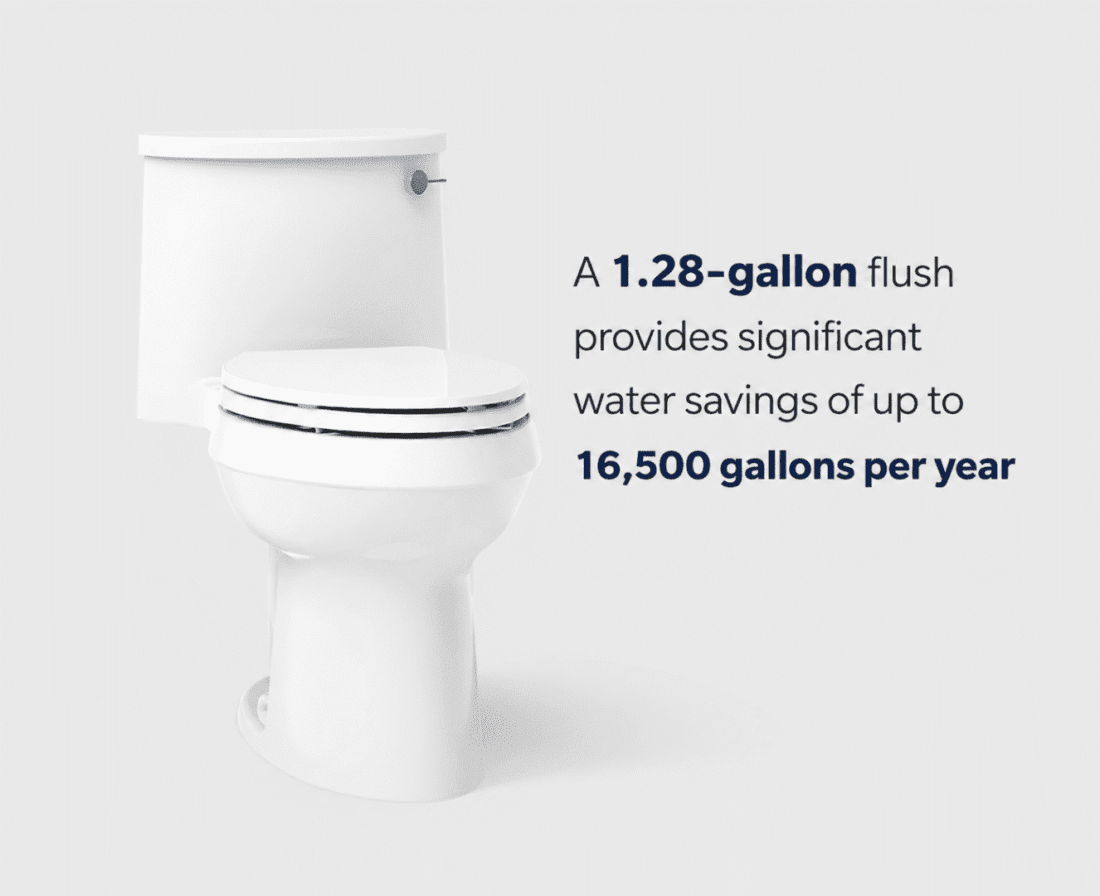
Toilets manufactured before 1994 use 3.5 to 7 gallons per flush (GPF). Modern EPA WaterSense-certified toilets use just 1.28 GPF — that’s a savings of up to 60% on toilet-related water use. For a family of four, that can add up to $100+ per year.

If your toilet was installed before the turn of the millennium and you’re already dealing with repair costs, that’s a strong signal to replace rather than sink more money into an inefficient fixture.

The Age Rule of Thumb

  • Under 10 years old: Repair is almost always the right move. Parts are available, and the fixture has plenty of life left.
  • 10–20 years old: Evaluate the repair cost. If you’re looking at more than $200–$300 in repairs, replacement starts to make financial sense.
  • Over 20 years old: Unless the toilet is in flawless condition, replacement usually wins. You’ll recoup the cost in water savings and avoid a cascade of future repairs.

Repair vs. Replace: A Quick-Reference Guide for Elgin Homeowners

Still on the fence? This table covers the most common scenarios and gives you a clear starting point before calling for bathroom plumbing services in Elgin.

Situation Recommendation Why
Running toilet (faulty flapper or fill valve) ✅ Repair Cheap part, quick fix — usually under $150 total.
Weak flush / clogged rim jets ✅ Repair Easily cleared; no structural issue.
Toilet rocks (failed wax ring) ✅ Repair Straightforward fix if porcelain is intact.
Cracked bowl or tank ❌ Replace Porcelain can’t be reliably patched long-term.
Toilet over 20 years old ❌ Replace Water savings alone often justify a new unit.
Repeated repairs within 12 months ❌ Replace You’re approaching the cost of a new toilet anyway.
Pre-1994 high-flow toilet ❌ Replace Upgrade to WaterSense and start saving immediately.
Toilet under 10 years, single repair needed ✅ Repair Plenty of life remaining; no reason to replace.

When to Stop DIYing and Call a Plumber for Toilet Installation Near You

YouTube has made a lot of homeowners more confident about DIY plumbing — and that’s not a bad thing. Swapping a flapper valve is genuinely something most people can handle. But there’s a category of toilet work where calling a licensed plumber is the smarter and safer play.

Call a Pro When:

  • You’re installing a brand-new toilet (improper installation leads to leaks, rocking, and wax ring failure)
  • There’s visible water damage around the base or under the floor
  • You suspect a clog beyond the toilet trap — it may be in the main drain line
  • The shut-off valve behind the toilet won’t close completely
  • You’re upgrading to a bidet toilet or smart toilet with electrical requirements
  • The toilet is in a tight space, upstairs bathroom, or involves subfloor work

Searching for “toilet installation near me” in Elgin? Fox Valley Plumbing’s licensed technicians handle installs and complex repairs across the Fox Valley area — typically with same-day availability.

What to Expect: Costs, Timeline, and What a Plumber Will Do

Fox Valley Plumbing technician installing a new toilet in Elgin IL bathroom

Typical Repair Costs

  • Flapper or fill valve replacement: $75–$150
  • Wax ring replacement: $150–$300
  • Handle or flush valve repair: $80–$175
  • Running toilet diagnosis + repair: $100–$200

Typical Installation Costs

  • Standard toilet installation (labor only): $150–$350
  • Toilet + installation (mid-range fixture included): $400–$800
  • High-efficiency or comfort-height upgrade: $500–$1,200

These are general ranges. Actual pricing can vary based on your home’s plumbing setup, local permit requirements, and whether any subfloor or supply line work is needed. A reputable plumber — like the team at Fox Valley Plumbing — will give you a clear upfront estimate before any work begins.

What the Process Looks Like

  1. A technician arrives, inspects the toilet and surrounding plumbing, and diagnoses the issue.
  2. You receive a written estimate before any work starts.
  3. If repairing, parts are typically on the truck, and work is completed on the same visit.
  4. If replacing, your plumber removes the old unit, sets and levels the new toilet, installs a fresh wax ring, connects the supply line, and tests for leaks.
  5. Old toilet disposal is handled — you don’t have to figure out how to get rid of 80 pounds of porcelain.

Choosing a Replacement Toilet: What Elgin Homeowners Should Know

If you’ve decided replacement is the way to go, the market has genuinely improved. Today’s toilets are quieter, more efficient, and far more comfortable than older models. Here are the features worth paying attention to:

  • WaterSense Certification: Look for the EPA WaterSense label. These toilets use 1.28 GPF or less and can save a household roughly 13,000 gallons per year.
  • Comfort Height (ADA): Also called “right height” toilets — the seat sits 17–19 inches from the floor, which is easier on knees and hips. Highly recommended for anyone over 50 or with mobility concerns.
  • Elongated vs. Round Bowl: Elongated bowls are more comfortable for most adults; round bowls are better for smaller bathrooms where space is tight.
  • Dual Flush: One flush setting for liquid waste (0.8 GPF), another for solid waste (1.6 GPF). A great middle ground if maximum water savings is a priority.
  • Rough-in Size: Most homes have a 12-inch rough-in (distance from wall to drain center). Measure before you buy — the wrong rough-in size means the toilet won’t fit properly.

Pro tip from Fox Valley Plumbing: Don’t buy a toilet from a big-box store and then call a plumber to install it without checking first. Some brands and models have known installation quirks. We’re happy to recommend fixtures that we know install cleanly and last — just ask when you call.

Why Hiring a Local Elgin Plumber Matters More Than You Think

When your toilet is acting up, it’s tempting to just call whoever shows up first on Google. But there’s a real difference between a local plumber who knows the Elgin area and a large national dispatch service.

Local plumbers know the age of the housing stock in your neighborhood, the quirks of older drain systems common in Fox Valley homes, and what products hold up in the Midwest climate. They also tend to show up faster, charge fairly, and stand behind their work — because their reputation is built entirely on local word of mouth.

Fox Valley Plumbing has been serving Elgin and the surrounding Fox Valley communities for over 15 years. Based right here at 953½ Grace St in Elgin, our licensed and insured technicians know the specific plumbing challenges that homeowners in this area face. We hold a 4.8-star Google rating across 125+ reviews and a BBB A+ accreditation — and we back every job with honest upfront pricing. Whether you need a quick running toilet repair or a full bathroom plumbing service, we’re a call away at (847) 624-3872.

You can also learn more about local plumbing codes and water quality in Elgin through the City of Elgin Water Department. Understanding your local water supply — including its hardness level — can actually help you predict how quickly toilet components will wear out.


Need Toilet Repair in Elgin IL? We’re Ready to Help.

Fox Valley Plumbing offers same-day and 24/7 emergency toilet repair and installation throughout Elgin, South Elgin, Bartlett, Streamwood, Hanover Park, and the entire Fox Valley area. Licensed, insured, BBB A+ rated — and upfront with pricing, always.

📞 Call (847) 624-3872 Now

Frequently Asked Questions About Toilet Repair in Elgin IL

How much does toilet repair cost in Elgin IL? Most toilet repairs in Elgin IL range from $75 to $250, depending on the part and labor involved. Simple fixes like a flapper or fill valve replacement sit at the lower end, while a cracked tank or wax ring replacement can push toward the higher end. Fox Valley Plumbing provides a written estimate before any work begins, so there are no surprises.

How do I know if my toilet needs to be replaced? If your toilet is over 20 years old, requires frequent repairs, uses more than 3.5 gallons per flush, or shows hairline cracks in the porcelain, replacement is usually the smarter investment. A licensed plumber can give you a professional opinion after a quick inspection.

Can a running toilet really increase my water bill that much? Absolutely. A running toilet can waste up to 200 gallons of water per day. Over a month, that adds up to 6,000 gallons, which can add $50 or more to your water bill, depending on Elgin’s current water rates. Running toilet repair is almost always a worthwhile same-day fix.

How long does toilet installation take? A professional toilet installation typically takes 1–2 hours from start to finish. That includes removing and disposing of the old unit, setting the new toilet with a fresh wax ring, connecting the supply line, and testing everything for leaks.

Do you offer same-day toilet repair near me in Elgin? Yes. Fox Valley Plumbing offers same-day and 24/7 emergency plumbing services throughout Elgin, South Elgin, Bartlett, Streamwood, Hanover Park, and surrounding Fox Valley communities. Call (847) 624-3872 and we’ll dispatch a licensed plumber as fast as possible.

What should I do while waiting for a plumber if my toilet is overflowing? Reach behind the toilet and turn the shut-off valve clockwise until it stops — this cuts the water supply to the tank and stops the overflow. If the valve is stuck or broken, locate your home’s main water shut-off and turn that off instead. Then call Fox Valley Plumbing for emergency service.


More Helpful Resources from Fox Valley Plumbing


Fox Valley Plumbing is a licensed and insured plumbing company based in Elgin, IL (953½ Grace St, Elgin IL 60120) with over 15 years of experience serving the Fox Valley area. We hold a 4.8-star Google rating (125+ reviews), a BBB A+ accreditation, and offer 24/7 emergency service. Our technicians specialize in toilet repair, drain cleaning, water heater service, sump pump repair, and sewer line work for residential and commercial customers throughout Elgin, South Elgin, Bartlett, Streamwood, and Hanover Park. Learn more about our team.

Close up of a plumber fixing a water leak in a sink drain siphon pipe.

TL;DR: Stay Ahead of Plumbing Problems

Plumbing issues in commercial settings can drain budgets and disrupt business. Proactive care keeps water supply steady, avoids costly emergencies, and extends system life. A maintained plumbing system means fewer surprises and more peace of mind.

  • Proactive checks stop small leaks before they grow
  • Reactive repairs lead to higher bills and downtime
  • Planned maintenance protects health, safety, and compliance
  • Simple daily habits prevent plumbing emergencies

Picture a burst pipe flooding your business lobby. That kind of emergency drains your budget, upsets tenants or customers, and can shut operations for days. Smart commercial building owners know prevention is always better than scrambling to fix damage.

Regular commercial plumbing maintenance keeps your system in good shape. A preventative program stops small issues from turning into expensive repairs. It also keeps everything running smoothly so your business can focus on daily operations.

Planned commercial plumbing maintenance is a smart investment. It saves money, avoids stress, and protects your property.

What Is Proactive (Preventive) Commercial Plumbing Maintenance?

A commercial plumbing preventative maintenance program puts you in control. Instead of waiting for something to break, you set a schedule for routine inspections and regular care. That means checking for small leaks, clearing drains, and giving water heaters or boilers a quick tune-up before they cause trouble.

This approach keeps commercial plumbing systems reliable. A well-maintained plumbing system also reduces water supply waste and keeps pressure steady.

Here’s what you get with a proactive approach:

  • Scheduled inspections by skilled commercial plumbing maintenance services
  • Routine cleaning of pipes, drains, and grease traps
  • Tested shutoff valves and water pressure governors
  • Repairs planned ahead of failures

You gain many advantages:

  • Predictable maintenance costs instead of surprise bills
  • Fewer emergencies to disrupt your business day
  • Longer equipment life and fewer replacements
  • Improved health and hygiene by avoiding hidden leaks or clogs

Systems last longer, issues get fixed early, and your budget stays intact. Commercial property owners who take this route face less stress and almost never see dramatic plumbing failures.

Water and moisture damage has worn away the room ceiling. Damaged and stained interior ceiling due to water leakage.

Understanding Reactive Maintenance: When Is It Used?

Reactive maintenance means you only call for help when something goes wrong. Burst pipe? Overflowing toilet? This type of repair comes at a high cost: more expensive fixes, bigger messes, and longer downtime.

Common situations that need immediate, unscheduled repairs:

  • Sudden leaks from aging pipes
  • Blocked drains or sewer backups
  • Failed water heaters or frozen lines

These problems often strike at the worst times—holidays, weekends, or in the middle of a busy workday. Relying on reactive repairs usually leads to:

  • Higher repair bills due to urgent labor and parts
  • Business interruptions from closed restrooms or water shut-offs
  • Repeated issues when underlying causes go unchecked

If you only tend to plumbing when disaster strikes, you risk more breakdowns, unhappy tenants, and bigger losses.

Why a Planned Commercial Plumbing Maintenance Program Matters

A scheduled commercial plumbing preventative maintenance program offers peace of mind. You stop guessing when pipes or drains will fail. Skilled plumbers catch the small leaks before water stains show up or ceilings collapse. Think of it like routine oil changes for your car—skip them, and you risk engine failure at the worst possible moment.

Here’s what a routine maintenance plan can prevent:

  • Leaking pipes behind walls that lead to mold and property damage
  • Clogged drains that flood bathrooms, causing health hazards
  • Water heater breakdowns that halt normal building operations
  • Sewage backflows that force emergency shutdowns

With planned commercial plumbing maintenance:

  • Costs stay low and steady
  • Local health codes get met without last-minute scrambling
  • Your building’s reputation stays clean

Skipping regular service puts your business at risk for sudden closure or large insurance claims. Staying ahead keeps you open and in good standing.

Tips for Effective Commercial Plumbing Maintenance

Keeping your building’s systems in shape doesn’t have to be complicated. Use these steps to cut risk and keep your property running:

  1. Hire professional commercial plumbing maintenance services for regular checkups.
  2. Log every inspection and repair so nothing falls through the cracks.
  3. Schedule seasonal checks (especially before winter or heavy use periods).
  4. Train your staff to spot trouble early, like slow drains, water stains, or dripping fixtures.
  5. Customize your maintenance plan to fit your building’s age, size, and unique needs.

Simple habits make a big difference. Check water heaters for leaks, wrap exposed pipes before a freeze, and keep grease out of drains. Over time, those small steps add up to real savings.

Stay alert. Act quickly. Routine care costs much less than an emergency call.

Why Commercial Plumbing Maintenance Gives You Peace of Mind

Waiting until something breaks down isn’t a good strategy. Proactive commercial plumbing maintenance pays off. It saves money, cuts down on emergencies, and helps your systems last longer.

A commercial plumbing preventative maintenance program is a smart investment. It means fewer repairs, steadier costs, and less risk of costly business disruption. Ready to protect your building and budget? Learn more about our commercial plumbing services here.

Group of backwater valve or backflow shut off valve in service room of building.

TL;DR RPZ testing protects your water from backflow contamination. A certified pro checks the valve to ensure it blocks dirty water from entering clean lines. Regular testing prevents health risks, meets legal requirements, and keeps every sip safe.

Main Points:

  • What an RPZ valve does
  • Why RPZ testing matters
  • How testing works
  • Who can perform it
  • Recommended testing frequency

Water should always taste fresh, give you a clean glass, and be safe for your family, customers, and pets. Think of your plumbing as the first line of defence for your health, but even the best system needs a reliable gate. RPZ valves are that gate, stopping dirty water from sneaking back into the clean supply.

If these valves don’t work, your faucet could deliver a mix you wouldn’t want to drink. RPZ testing helps keep you safe and your water clean. It works quietly in the background, so you never need to worry about what comes out of the faucet.

What is RPZ in Plumbing?

Ever wondered, “What is RPZ in plumbing?” You’re not alone. An RPZ, or Reduced Pressure Zone valve, is a safety device in your water system. It’s a fancy name for a mechanism that keeps unwanted water from flowing in the wrong direction.

Picture it as a bouncer at the door, only letting in invited guests and keeping unwanted ones out. Water can sometimes move backward in pipes, like during a sudden drop in pressure. When that happens, it can pull in fertilizer, soap, or even a little pond water. The RPZ valve jumps in at that moment, shutting out everything that doesn’t belong in your glass or shower.

What is the purpose of backflow prevention devices?

Their main job is to stop anything unsanitary, hazardous, or even just ‘off’ from contaminating your potable water. It’s a small piece with a big responsibility.

Plumber using backflow shut off valve or backwater valve.

Why Is RPZ Testing So Important?

You pour clean water into a sink, but a sudden pull drags dirty dishwater back up the drain and mixes it with the clean. That’s exactly how backflow works, allowing contaminated water to flow back into otherwise safe, clean lines. That’s where RPZ testing comes in.

What is RPZ testing?

It’s a thorough check-up that makes sure that the protective bouncer is still on the job. Over time, wear, age, or even a rough winter can cause the valve to weaken or break. If you skip the check, you risk letting bad water in, which is not only risky for health but can get you in other kinds of hot water too.

There are legal rules about regular RPZ testing. Ignore these, and you might face penalties or worse, a wave of preventable illness. It’s a little like skipping the smoke alarm—nobody notices until there’s real trouble.

How to Test a Backflow Valve: The RPZ Testing Process

How to test a backflow valve? If you’re curious (or just want to sound smart at dinner), here’s what happens during RPZ testing:

  1. Water shut-off: The tester turns off the water to isolate the RPZ valve, so no surprises spray everywhere.
  2. Setup: Special testing gauges connect to the valve, measuring pressure at different points.
  3. Assessment: Measurements check that the valve’s pressure zones respond correctly. This stops any chance of backflow. The devices are watched for leaks or sluggish parts.
  4. Report: Results are recorded. If your RPZ passes, the property gets a clean bill; if not, repairs happen right away.

This process doesn’t take long, but it’s detailed. Clean, safe water is the goal every single time.

Who Does Backflow Testing and When Should It Be Done?

Only certified professionals can perform RPZ testing. They’ve done the training and have the right tools for the job. In most places, you can’t just DIY it—there are tight rules to keep everyone honest and safe.

How often do you need a test?

Usually once a year — or twice if you run a busy commercial space.

Quick Cheat Sheet:

Property Type Suggested Frequency Who Tests?

Homes Once per year Certified plumber

Businesses Every 6–12 months Licensed tester

Hospitals/Schools Typically yearly Approved contractor

Never wait for trouble. Regular checks mean you spot worn valves before something nasty slips into the water.

Keeping Your Water Safe—Final Thoughts

Don’t trust your faucet to luck or guesswork. RPZ testing is one of those boring but necessary things that keeps you, your pets, and your neighbors healthy. It’s not just about ticking a box for the city. It’s about making sure every splash and sip is as safe as it should be.

Get your RPZ tested on schedule by someone who knows what they’re doing. And if you’re ever unsure, remember: clean water, clear mind. Don’t let backflow be the one thing you forget. Learn more about our backflow installation and inspection repair services here.

Very low water pressure in the tap.

TL;DR:

Low water pressure can disrupt daily life and signal deeper issues. Here’s what you need to know:

  • Common causes: leaky pipes, faulty shut-off valves, pipe corrosion, municipal supply problems.
  • Troubleshoot: check for leaks, inspect faucets for clogs, and review shut-off valve.
  • Call a plumber if multiple fixtures have low pressure, water stains appear, or pressure drops suddenly.
  • Prevent issues: schedule regular maintenance, replace corroded pipes, and clean aerators.

Low water pressure in your house can turn daily routines into a source of stress. Maybe your shower barely sprays, or washing dishes takes twice as long. These annoyances hint at deeper issues lurking in your pipes.

Finding out what causes low water pressure matters. It helps you catch problems early, avoid costly repairs, and keep your home safe. Knowing when to call a plumber saves time and money, while preventing bigger headaches down the road.

Common Causes of Sudden Low Water Pressure in Your House

Several problems can lead to low water pressure at home. Some are simple, while others hide deep in the plumbing.

Leaky or Damaged Pipes

Water leaking from pipes means less reaches your faucets. Even a small crack lets out a steady drip. Over time, water damage and mold can spread, costing you more than just pressure. You might notice musty smells or damp spots under the sink or on walls.

Partially Closed or Faulty Shut-Off Valves

If valves are not fully open, water can’t flow freely. Sometimes, after repairs or inspections, valves get left half-closed. Wear and tear can also make older valves stick or break, slowing the stream at every tap.

Pipe Corrosion and Mineral Buildup

Older pipes get rough inside as rust and minerals build up. This layer narrows the space, forcing water through a tight squeeze. Water might flow fine in one room but trickle in another. You may also spot flakes of rust or white deposits near fixtures.

Municipal Water Supply Problems

Sometimes, the issue starts outside your home. Maintenance work, bursts, or supply changes from the city can drop pressure. If your neighbors notice it too, the city pipes are likely the reason.

How to Troubleshoot Low Water Pressure at Home

There are a few checks you can try before picking up the phone. These steps help you spot simple fixes or gather info for your plumber.

Check for Obvious Leaks Around the House

Walk through every room. Look for puddles, stains, or damp drywall. Listen for hissing or dripping in quiet spaces. A hidden leak wastes water and lowers your pressure fast.

Inspect Faucets, Aerators, and Showerheads for Clogs

Take a close look at fixtures. Hard water leaves grit and mineral chunks behind. Unscrew aerators and showerheads, rinse out debris, and then reattach. If pressure returns, the clog was the cause.

If you notice low water pressure in the kitchen sink, the faucet’s aerator may be blocked with mineral deposits.

Review Your Main Shut-Off Valve and Pressure Regulator

Find your main shut-off valve, usually near where water enters your home. Make sure the handle is fully open. If your house has a pressure regulator, check its setting. Sometimes, a quick turn is all it takes.

Shower head with low water stream.

When to Call a Professional Plumber for Low Water Pressure

Home checks go only so far. Certain warning signs mean you need a licensed plumber to step in right away.

Multiple Fixtures with Persistent Low Water Pressure

If several sinks, tubs, or toilets have weak flow, the problem runs deeper than a simple clog. This could signal a major break, damaged pipes, or a failing water main. If the hot water pressure is low but the cold water flows normally, the problem could be your water heater.

Unexplained Water Stains or Sounds of Running Water

Brown stains on walls or ceilings tell you water is leaking inside. If you hear water running when no taps are open, there’s likely a hidden break. Waiting can lead to serious damage and expensive repairs.

Sudden Drop in Pressure with No Clear Cause

A sharp change with no warning signals trouble. Burst pipes, broken valves, or city supply issues might be at play. Quick action keeps your home safe.

Protecting Your Home and Water Pressure for the Future

A little prevention goes a long way. Try these tips to keep water flowing strong:

  • Schedule regular plumbing maintenance to catch small problems early.
  • Replace old, corroded pipes before they break.
  • Clean aerators and showerheads every few months to prevent buildup.
  • Book annual inspections with a trusted professional.

These steps help stop surprises and protect your plumbing system.

Your Solution to Low Water Pressure Plumbing Issues

Still dealing with low pressure? If home fixes haven’t helped or things are getting worse, Fox Valley Plumbing is the team to call. We’ll find the cause, fix it fast, and keep your water running strong. Learn about our residential plumbing services here.

Woman attempting to unclog the basin and clutching a plunger

TL;DR: Shared plumbing in apartments means one small issue can affect the whole building. Stay ahead with regular checks and simple habits to avoid common problems. Know when to DIY and when to call in help.

Main Points:

  • Leaky faucets waste water and raise bills
  • Clogged drains are common and smelly
  • Low water pressure can signal bigger issues
  • Drain smells often come from dry traps or buildup
  • Monthly checks help catch problems early
  • Know when to contact your landlord or a plumber

Apartment living has plenty of perks, but shared plumbing isn’t one of them. One small issue in your unit can lead to bigger problems throughout the building.

So how does plumbing work in an apartment building? In most cases, pipes and vents are shared between units, which means a problem in one apartment can quickly affect others. The good news? Most plumbing issues are easy to spot and prevent with simple upkeep.

Leaky Faucets and Fixtures

A dripping tap might seem harmless, but it wastes gallons of water and can cause damage if left too long. Over time, wasted water can raise your bills, especially in metered units. In an apartment, even a small leak can affect more than just your unit.

Watch for:

  • Drips you hear but don’t see
  • Water pooling at the base of the faucet
  • Stains or soft spots under sinks

Why it happens: Old washers and seals wear out. High water pressure can damage fixtures. Shared pipes may shift or create pressure surges, which loosen parts over time.

Prevent it: Check your faucets regularly. Don’t ignore a slow drip—report it quickly. And avoid over-tightening the handles. If you can, ask your landlord about regular apartment plumbing inspection.

Clogged Drains and Slow Sinks

An apartment sink failing to drain is one of the most common complaints in plumbing. Food, grease, and hair clog pipes fast—and smells can travel between units.

Common culprits: Cooking grease hardens in pipes. Hair clumps up in drains. Paper towels or coffee grounds get tossed in by mistake. And since pipes are shared, one clog can affect several apartments.

Prevent it: Throw waste in the bin, not the sink. Use drain covers in the kitchen and bathroom. Keep a small drain snake or hair tool handy. It’s cheap and clears small clogs early.

Pour hot water down drains each week to keep them clear. Skip harsh chemicals—they damage pipes. If clogs keep coming back, it’s time for a professional inspection.

Low Water Pressure

Weak water pressure makes showers and daily tasks frustrating. In an apartment, it can be hard to tell if the issue is in your unit or building-wide.

What causes it: Old pipes corrode and narrow. Shared water lines mean peak-time pressure drops. Maintenance or repair work may limit flow temporarily.

Fixes and prevention: Clean faucet aerators to remove buildup. You can also install a shower filter with a built-in screen to catch sediment and improve flow. If low pressure continues, ask your neighbors if they notice it too—then report it to management.

Male Plumber's Hand Repairing Sink Pipe Leakage

Dealing with Apartment Drain Smells

Bad smells from your drain can make the whole apartment feel unclean. And with shared vents and pipes, odors can move between units easily.

What’s behind it: Dry traps are a big one—unused drains let sewer gas in. Rotting food or grease buildup causes bad odors. Sometimes, the problem lies in shared venting or pipes between units.

How to stop it: Run water in every drain weekly to keep traps full. Clean drains with baking soda and hot water. If smells linger, report it—it could point to a larger issue in the building’s plumbing.

Staying Ahead with Routine Maintenance

You don’t need to be a plumber to keep your pipes in good shape. A few simple habits can help you avoid costly repairs and keep your apartment comfortable.

Do a quick check once a month:

  • Look for leaks under sinks
  • Check for slow drains or bad smells
  • Clean faucet screens and shower heads

If you notice recurring problems, let your property manager know. It’s better to fix small issues early than face a bigger (and more expensive) repair later.

And if you’re unsure whether something’s just happening in your apartment, check in with a neighbor.

When to Call in the Pros

Some problems are best left to the experts. That’s especially true in apartments, where one fix can affect the whole building.

Call your landlord or a plumber if you notice:

  • Leaks that don’t stop
  • Frequent clogs or sewer smells
  • Low water pressure in several rooms

Trying to fix these yourself can make things worse. If it’s more than a quick clean or check, don’t risk it. Call your property manager or a trusted plumber like Fox Valley Plumbing.

Stay Ahead of Apartment Plumbing Problems

Good plumbing habits don’t take much, but they really do help. Keep an eye on your taps, clear your drains, and speak up if something feels off. A quick check each month can save you a lot of hassle later.

Learn more about our commercial plumbing services here.

Woman, cleaning and chef wipe counter for dinner rush prep, hygiene and bacteria removal.

Running a restaurant is tough, and plumbing problems can quickly become major headaches. Blocked drains, leaky pipes, and restroom backups can stop your business in its tracks. If ignored, these issues can upset guests, cause health code violations, and cost you money. Keeping your restaurant plumbing in top shape protects your business and customers.

Spot common plumbing problems early to prevent costly breakdowns. Here’s what to watch for and how to fix them fast.

The 5 Most Common Restaurant Plumbing Problems

Every restaurant, big or small, faces similar plumbing challenges. Knowing the signs and causes can help you avoid expensive repairs.

Clogged Commercial Kitchen Floor Drains

Food scraps, grease, and leftover cooking bits often build up in floor drains. This can leave your restaurant drain clogged. You might notice water pooling around drains or a musty smell.

These problems can slow down your kitchen, make floors slippery, and lead to hygiene issues. Cleaning commercial kitchen floor drains often helps prevent all that.

Blocked or Overflowing Restrooms

Restroom blockages are common, especially during busy shifts. Causes include overuse, foreign objects, or poor design. Signs to look for include slow-draining sinks, rising water in toilets, or odd noises.

A blocked restaurant drain can upset customers and hurt your reputation. Fix this problem quickly to avoid frustration and lost business.

Leaky Faucets and Pipes

Leaky pipes are usually caused by worn washers or damaged pipes. At first, a drip might seem minor, but it can lead to higher water bills, water damage, and mold. If you see wet spots under sinks or puddles near prep areas, act fast to fix the leak before it causes bigger problems.

Grease Trap Malfunctions

Grease traps prevent fats and oils from clogging pipes. When they fail, grease can cause blockages and backups. Signs of trouble include slow drainage and foul smells. Clean your grease trap regularly to keep it functioning and avoid expensive repairs.

Low Water Pressure

Low water pressure can affect kitchen sinks, dish machines, and handwashing stations. Causes include clogged pipes, damaged supply lines, or faulty regulators. This can slow down operations and affect food safety.

Fix low water pressure quickly to keep your kitchen running smoothly. It also helps you stay on top of health code rules.

Huge sink stainless steel industrial kitchen with open tap

How to Fix and Prevent Plumbing Issues in Your Restaurant

Preventing plumbing problems is easier than dealing with them once they’ve gotten out of hand. Here are some simple steps you can take:

Routine Maintenance and Employee Training

Set up a regular maintenance schedule. Use a daily and weekly checklist to ensure drains stay clean and free of grease. Train your staff to:

  • Scrape plates into bins, not sinks.
  • Wipe down sinks and drains at the end of the day.
  • Never pour oil or grease down the drain.
  • Watch for standing water or slow drainage.

Partner with Professional Plumbing Services

Some plumbing problems need expert attention. Schedule regular inspections with restaurant commercial plumbing services. A professional plumber can:

  • Deep-clean kitchen drains.
  • Inspect and clean grease traps.
  • Look for leaks and suggest upgrades as your business grows.

Choose a provider who understands the unique needs of restaurant kitchens. A professional plumber can help you lower water bills, avoid restaurant plumbing costs, and keep your kitchen running well.

Quick Response Steps for Emergencies

Plumbing emergencies don’t wait for a convenient time. Knowing what to do in an emergency can limit damage and help you stay calm.

For clogged drains or overflowing sinks:

  • Stop using water in the affected area.
  • Use towels and caution signs to limit water spread.
  • If safe, try plunging the drain. Avoid chemical cleaners.
  • If the issue doesn’t resolve, call your plumber.

For leaks:

  • Turn off the water supply to the fixture.
  • Collect water with towels or buckets to protect floors.
  • Mark slippery areas to avoid accidents.
  • Call a professional to assess and fix the leak.

For blocked restrooms:

  • Lock the affected restroom.
  • Direct customers to another facility, if available.
  • Notify your plumber immediately.

Stay Leak-Free, Stress-Free, and Ready for Service

Restaurant plumbing needs daily care. Small problems like clogs, leaks, or grease build-up can cause big disruptions if left unchecked. The good news? Most issues are easy to spot and fix with the right habits.

Regular maintenance, staff training, and support from a trusted plumber go a long way. Stay ahead of trouble, keep things flowing, and make plumbing part of your plan for smooth, successful service.

Learn more about our commercial plumbing services here.

Closeup view of leaking water from the plastic pipe

A burst pipe can cause serious damage to your home. Water can flood rooms, damage furniture, and lead to costly repairs. When a pipe bursts, you need to act fast to stop the water and limit the damage.

Pipe bursts for many reasons, including:

  • freezing temperatures (since water expands in cold weather)
  • corrosion
  • high water pressure
  • bad installation
  • tree roots damaging
  • clogs

Knowing what to do if a pipe bursts will help you stay calm and take the right steps. This guide will walk you through the actions to take if you face this common plumbing emergency.

1. Turn Off Your Main Water Supply Immediately

The first thing to do when a pipe bursts is to stop the water flow. Find your main water valve and turn it off right away. This will stop more water from spilling into your home. The valve is usually in the basement, near the water heater, or outside your house. If you’re unsure where it is, now is a good time to locate it for future emergencies.

2. Drain the Remaining Water

After turning off the water supply, you need to drain the pipes. Open all faucets in your home to let the water flow out. Start with cold taps and then move to hot taps. Don’t forget to flush the toilets to release any water still in the system. This will help reduce water pressure and stop further leaks.

3. Identify the Location of the Burst Pipe

Next, try to find where the pipe burst. Check common areas like under sinks, inside walls, or in the basement. Look for water stains, puddles, or damp spots on walls and ceilings.

Knowing the exact spot helps you explain the problem to a plumber. Finding the location is important when you’re figuring out what to do when pipes burst in your house.

4. Temporary Fixes to Reduce Damage

Once you find the water pipe burst, use a temporary fix to limit the damage. You can wrap the pipe with repair tape or use a pipe clamp to stop small leaks. Towels and buckets can help catch dripping water. These quick solutions won’t last long, but they can buy you some time before help arrives. These steps are useful if you have a burst pipe and need to control the situation.

5. Get Professional Help

After taking the first steps, it’s time to call a plumber if a pipe bursts. Even if the leak seems under control, you need a professional to fix it properly. A plumber will repair the damage and check for other potential issues. It’s important to do this quickly if a water pipe bursts, so you can prevent future problems and avoid costly repairs.

Plumbing Services that You Can Trust

We are a licensed plumbing contractor in Illinois and Chicago, and we only employ licensed plumbers. Our team is also certified in backflow testing, which is required every year for all irrigation, fire systems, and domestic water supplies. Reach out to us for expert help with any plumbing emergency.

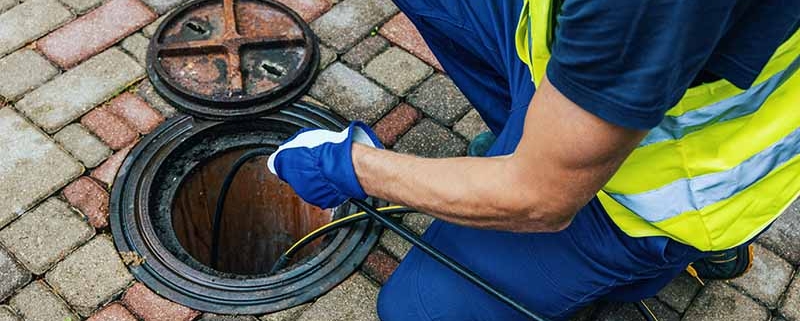
Closeup of a plumber performing a sewer line inspection to clear a blocked drain

Sewer line camera inspections can prevent structural damage and help you keep your property safe. But what is a sewer line inspection, and when might you need one? Our friendly team answers these questions and more below.

What Is a Sewer Line Inspection?

A sewer video inspection is a plumbing technique that lets us see every part of a drain line. The plumber moves a camera along the length of your sewer pipes to detect any cracks, leaks, or defects.

Sewer camera inspections are never convenient. But they’re often the quickest way to identify and resolve sewer line problems!

It’s always worth having your sewer lines inspected every few years. That way, you can identify minor problems before they escalate. But for now, let’s consider the five major warning signs that your home or business needs a sewer line inspection.

1. Water Damage

Have you noticed damp patches around the walls of your property? Particularly around the floors? Water damage could indicate sewer line problems. Such issues should be inspected urgently before they cause further damage.

2. Slow Draining Water

Slow drainage from a sink is a common complaint. It’s often caused by something innocuous, such as clogged hair or debris. But if you can’t clear the blockage easily yourself, it could indicate a deeper problem. For example, tree roots may be pressing on your sewer line, or it could be cracked.

3. Stinky Drains

Stinky, foul-smelling drains indicate standing water. Standing water means there is a clog deep within your sewer line somewhere. These clogs may not clear on their own and they could eventually damage your pipes, so they must be investigated.

4. Inconsistent Water Pressure

Is your sink or shower pressure lower than normal? Or is it inconsistent? Sometimes, this indicates a leaking or malfunctioning sewer pipe. The only way to know is to hire a professional to have a sewer video inspection.

5. Mold Growth

Although mold grows in homes for many reasons, it often indicates a blocked or cracked sewer line. The damp conditions created by leaking or blocked pipes are a perfect breeding ground for bacteria and mold.

Mold is not only inconvenient, it’s a health hazard. It can cause breathing difficulties, allergic reactions, and more.

How Long Does a Sewer Inspection Take?

Inspection processes vary in duration. It all depends on the length and complexity of the sewer lines. Typically, home inspections take anywhere from 30 minutes to an hour or two. Commercial sewer scope inspections can take considerably longer.

In all cases, the Fox Valley professional plumbers will endeavor to complete the job quickly and efficiently.

How Much Does a Video Sewer Inspection Cost?

It all depends on the scope of the work involved. Factors that could affect the cost of your video inspection include:

  • The length of the sewer line
  • Ease of access to the sewer line

For example, if we need to remove the toilet or other plumbing to access the line, this may increase the cost. Your plumber will explain exactly how much the inspection will cost after you contact us.

  • The cost quoted is usually just for the inspection and video footage
  • Repair costs will be quoted separately

While you may be reluctant to have a sewer line inspection, they’re cost-effective in the long run. The quicker you identify the source of the problem, the cheaper it may be to fix.

And speaking of cost, don’t forget to check your water bills. You could save up to 10% on water bills by fixing leaks around your home!

Book a Sewer Line Inspection Now

Are you worried about your sewer system? Trust the professional plumbers at Fox Valley Plumbing to help. Using our high-tech camera equipment, we can quickly identify sewer line problems. And once we know what the problem is, we can provide a competitive estimate to fix it.

Don’t wait for a clogged drain or sewer pipe to become an even bigger problem. Protect your home’s plumbing system – call us or reach us online to book a service. And for emergencies, call whenever you need us. Our friendly plumbing team offers a 24/7 response service.

Whether you are a bathtub or shower person, most people look for shower-only options when buying a home. This simple fact means more than a few homeowners spend a weekend upgrading or installing showers in their bathrooms. Fortunately for you, it is a fairly simple process.

A collector or pan refers to the horizontal surface located at the bottom of the shower. The collector typically consists of a non-slip surface slightly banked towards the center or wherever the drain is located. Combined with three to four-inch walls around the side, the goal of your shower drainage plumbing is to get the water to flow to and down the drain.

Call Us At (847) 624-3872

You can physically build a collector for your new shower, but you really need to think about it. Do you really want to get into the complications of getting the sloping correct, not to mention making sure every aspect of it is waterproof? And I mean every aspect!

It is much easier to simply buy a pre-cast collector online or at your local Palatine, IL Lowes, Home Depot, or hardware store. Building one might sound like a great idea, but you will probably feel differently after a couple of hours.

Regardless of how you go about getting a pan, you should make every effort to use one that has the drain located in the same spot as the original pan. Moving the drain pipes can be a task, particularly if the builder used a unique framing structure. If you are determined to move the drain, you are going to have to cut back the pipe or lengthen it, which may mean ripping up large chunks of the floor. Put another way, you are going to be looking at a multiple weekend project.

Assuming we have our drain lined up, the actual hook-up is fairly simple. The drainage pipe should be facing vertically up to the collector. It will often look like a “U”, which means it acts as a cleanout to keep nasty smells from coming back up from the drain.

Call Us At (847) 624-3872

To connect the drain, you are going to create a water-tight connection between a drain cap on the top of the pan and the drainage pipe. Systems vary, but you are typically going to do this by putting a coupling piece on the top of the drainage pipe. This is then covered with gaskets and literally screwed into the drain cap. The drain cap should act as a locknut, to wit, it screws directly onto the coupling.

The tricky part of this process is getting your drain cap to fit into a watertight position in the pan. This is accomplished by backing off the drain cap once you are sure everything fits together. At that point, you put plumbers putty around the underside of the cap and then screw it back on. The putty should form a tight seal between the cap and the shower pan, which keeps water from trickling under it and into the framing under the shower.

Obviously, bathroom showers come in a wide variety of styles these days. If you purchase a collector, they almost always come with plumbing instructions or the store can note anything unusual you should know. It sounds complex but is typically pretty straightforward. Have fun!

Call Us At (847) 624-3872