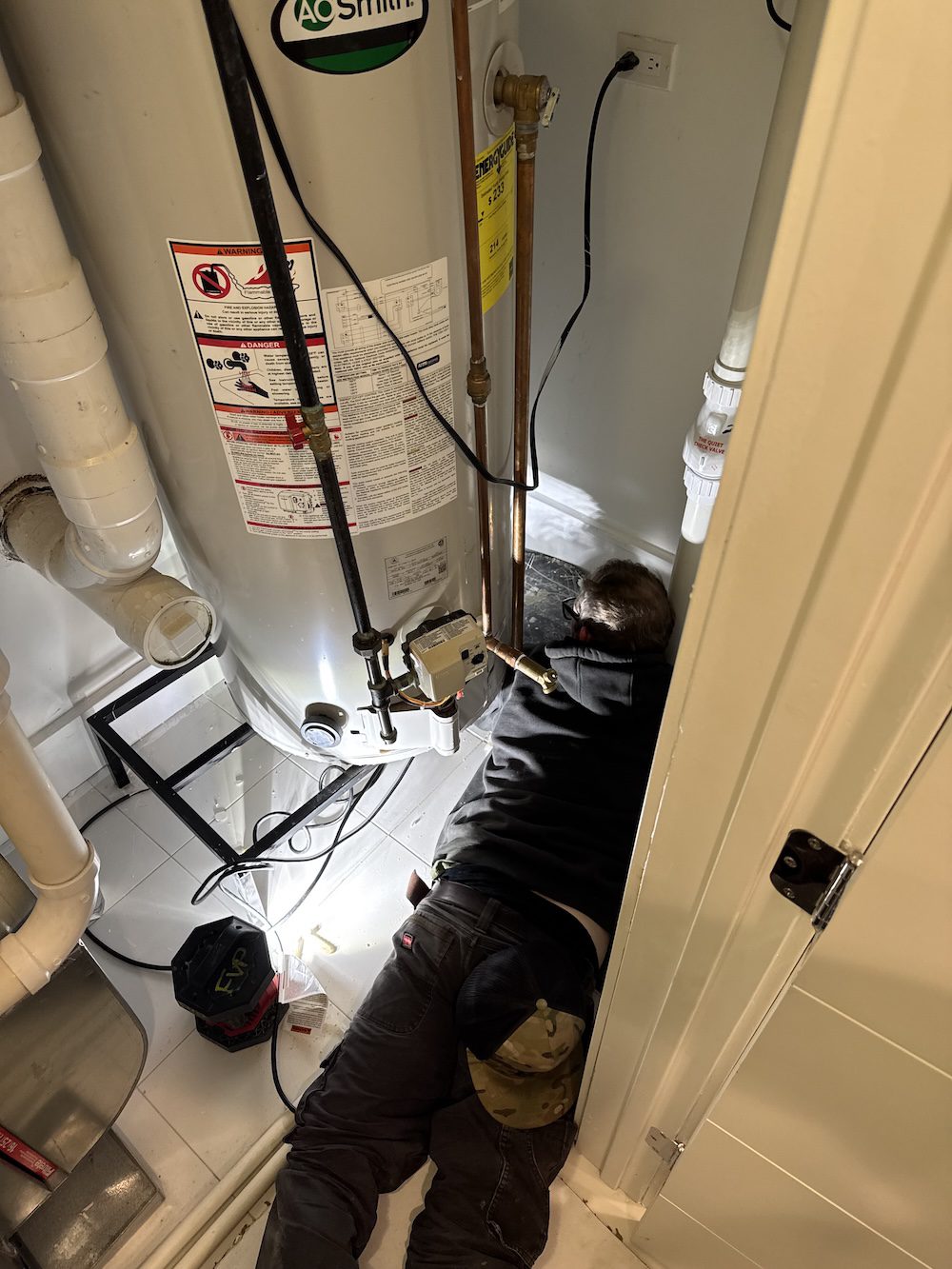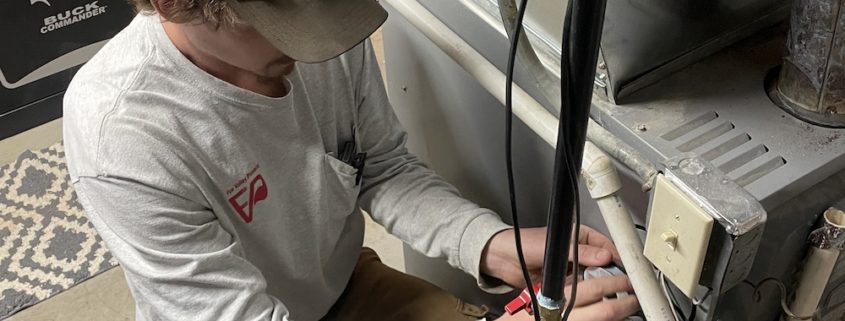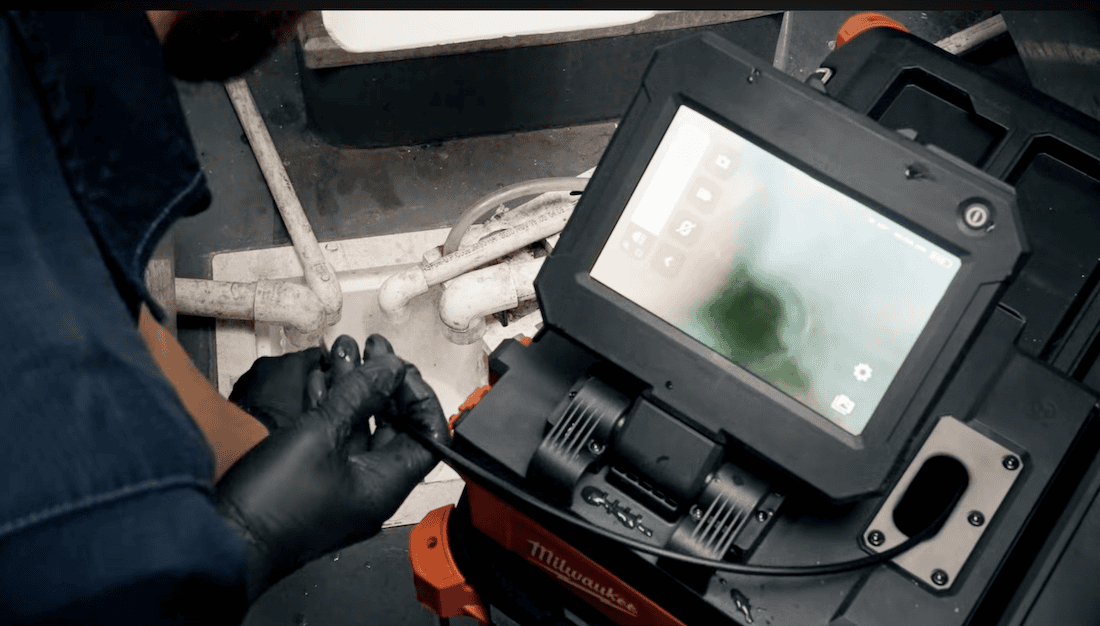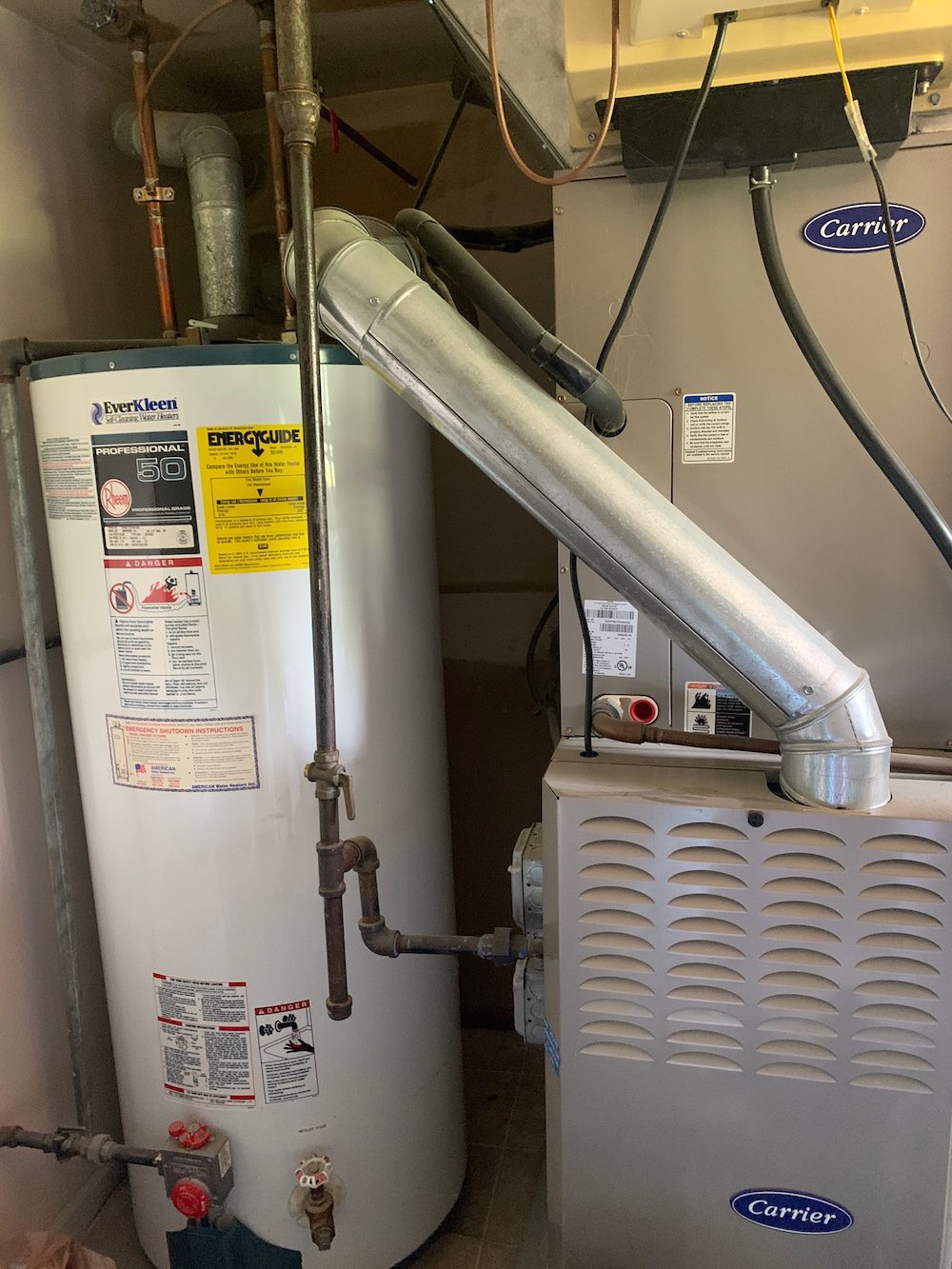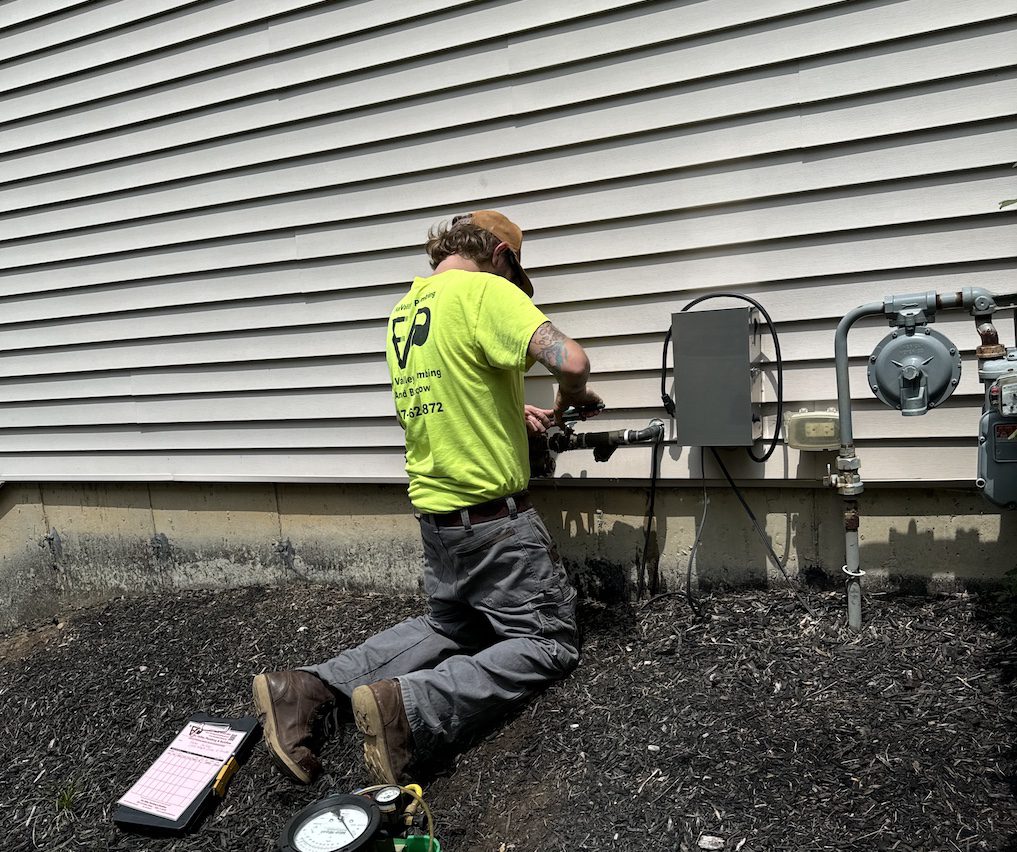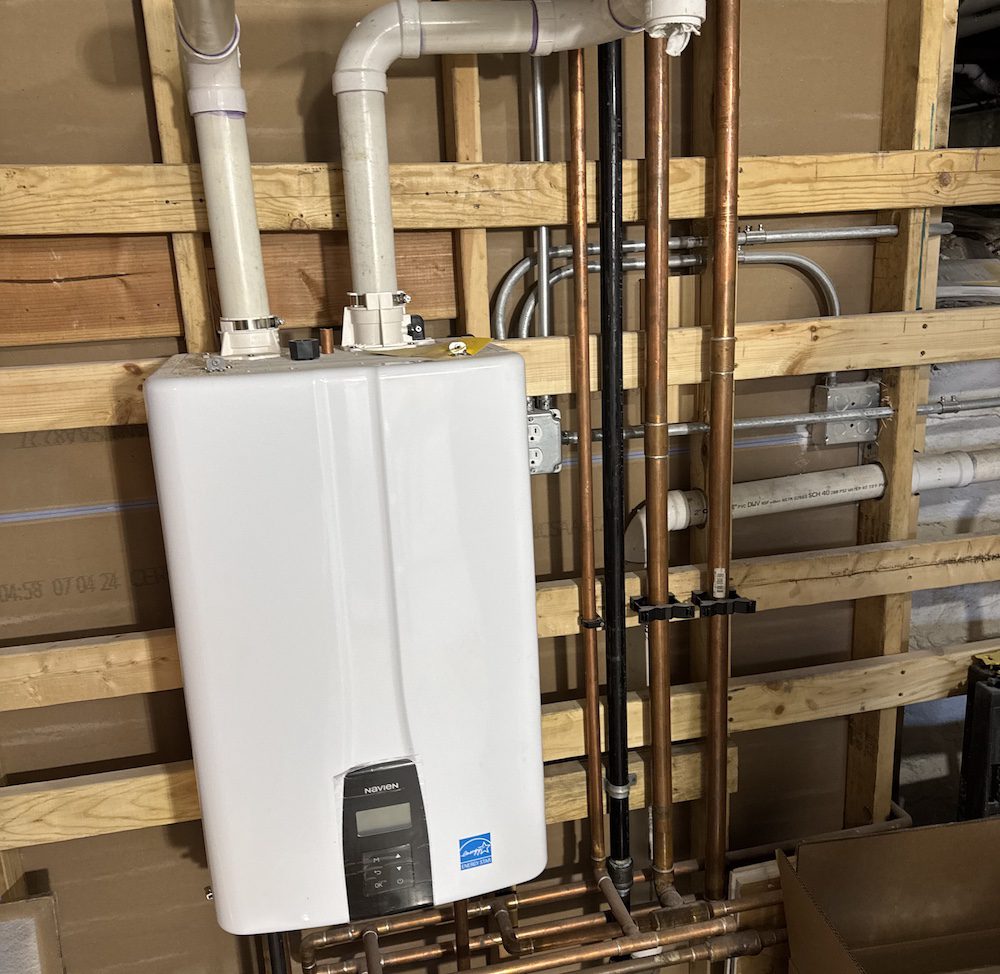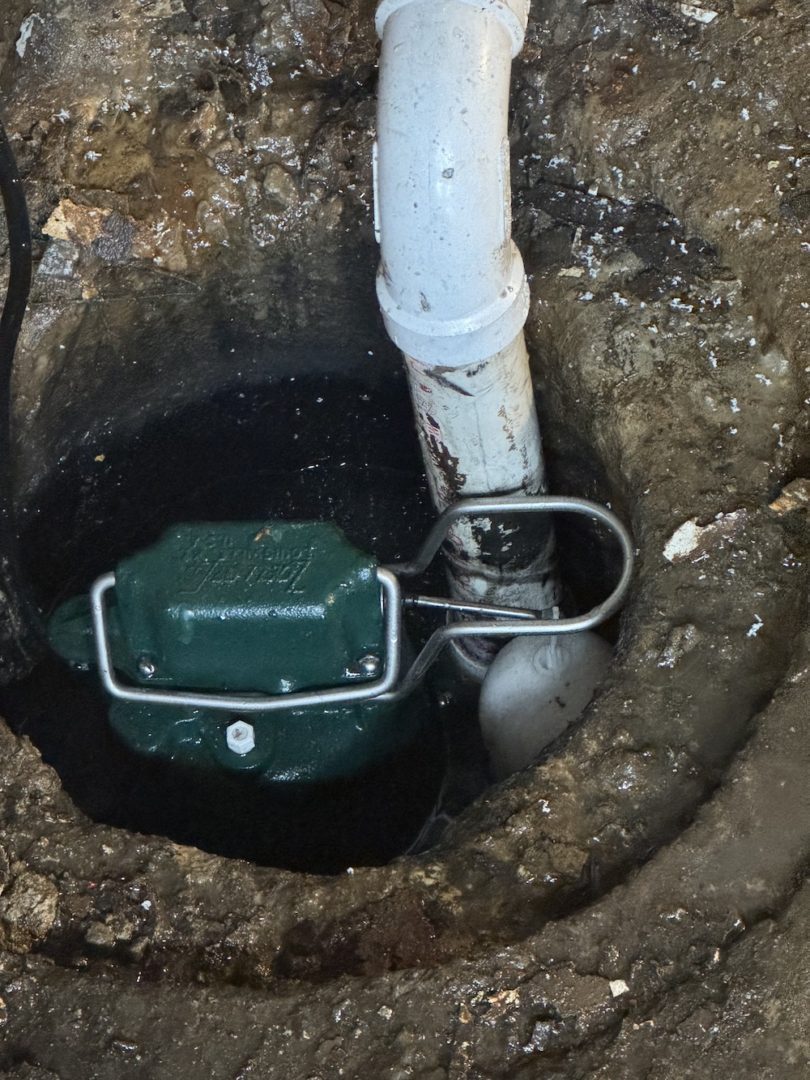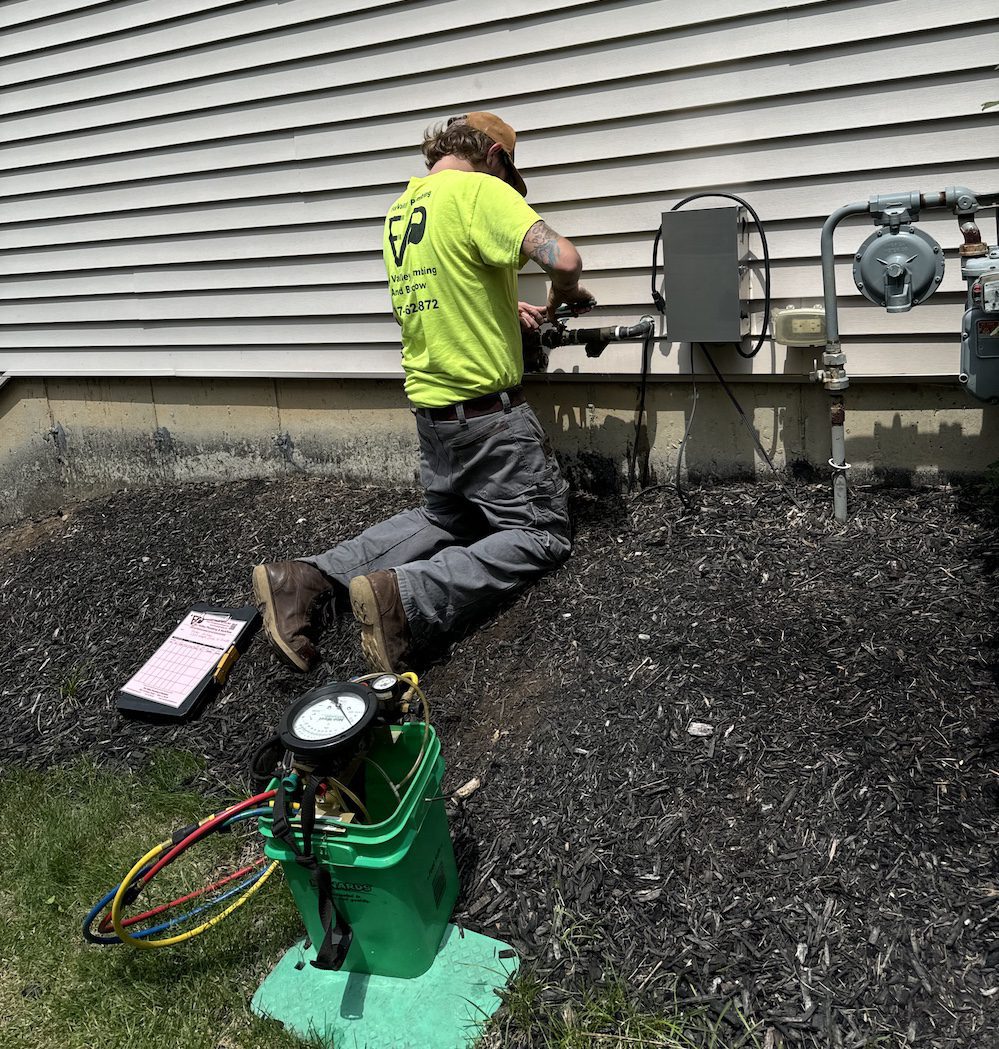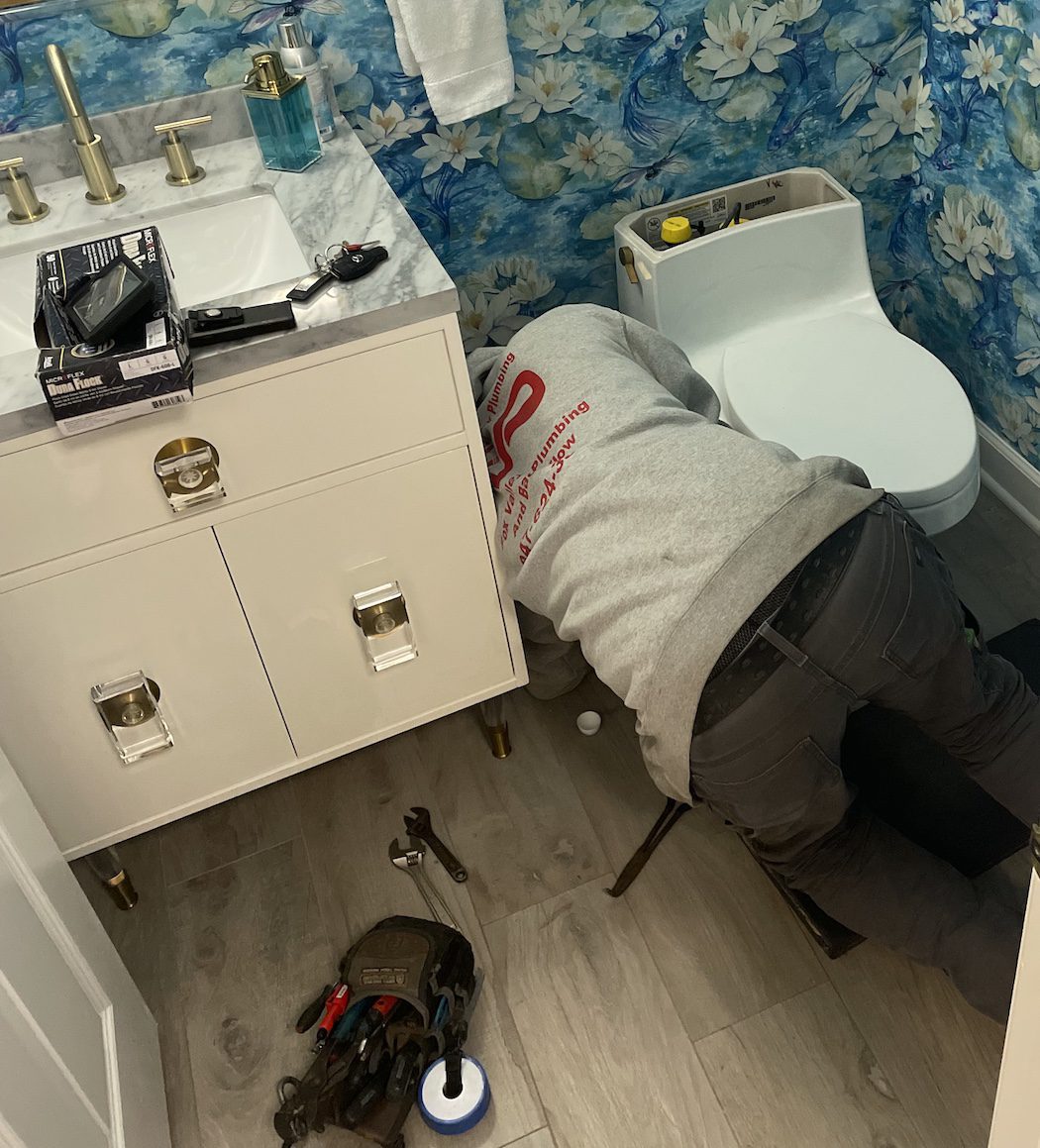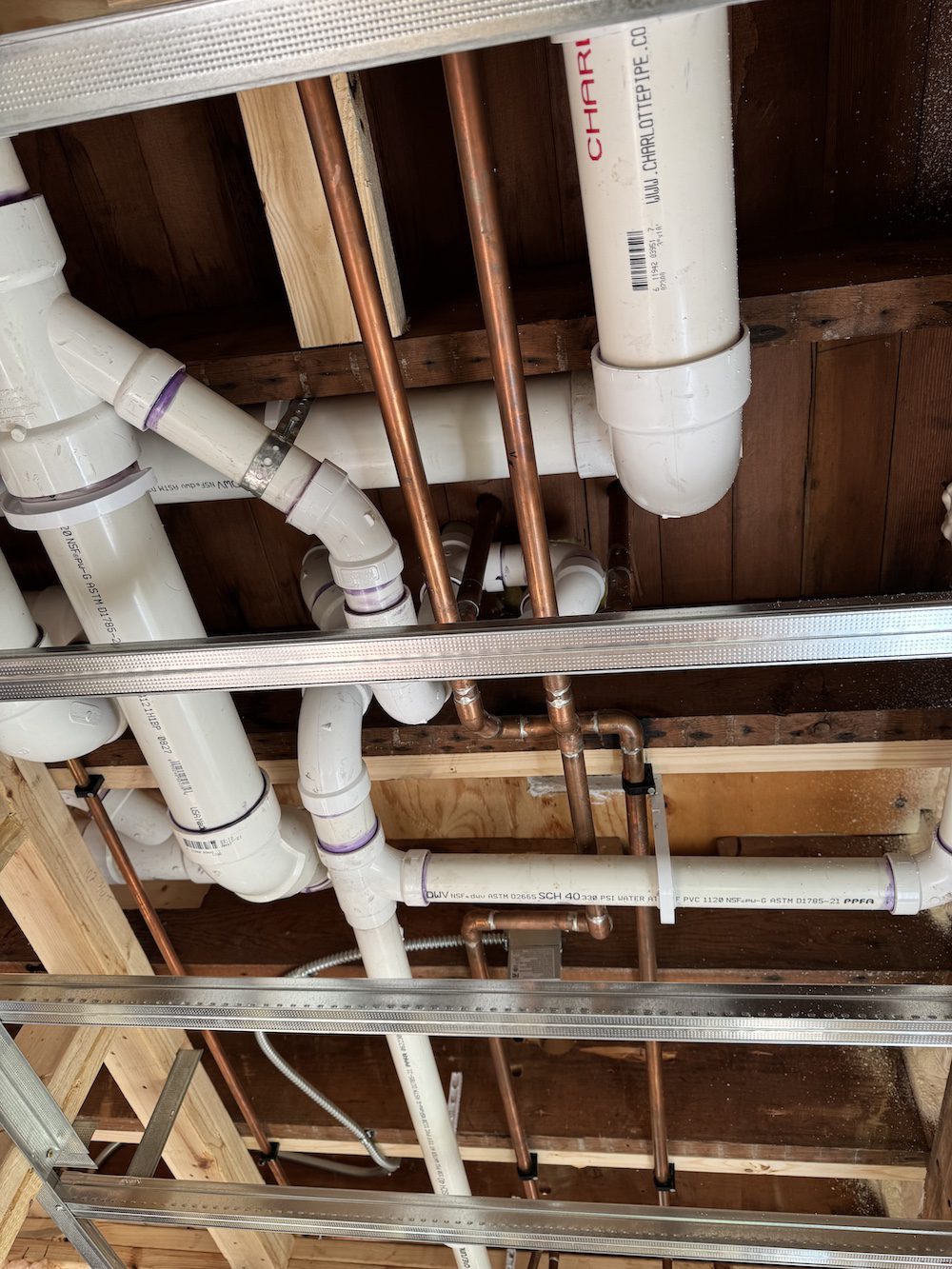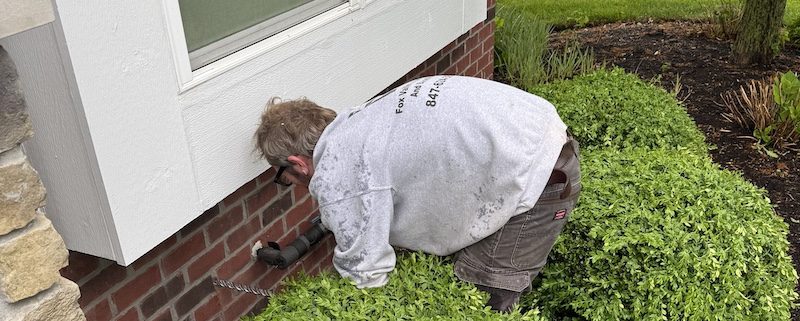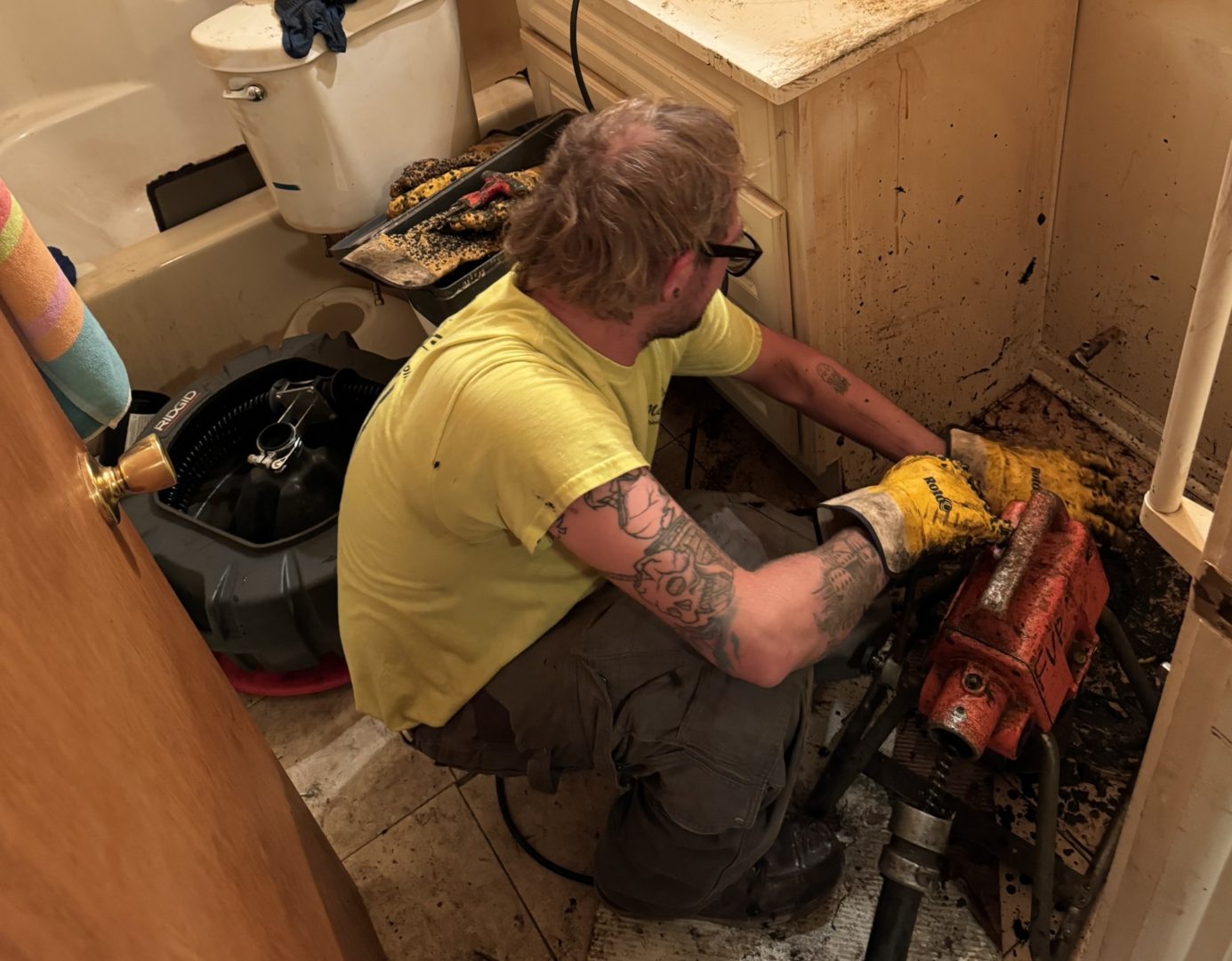
Fox Valley Plumbing & Backflow service vans parked at business location in Algonquin Illinois showing licensed plumber company fleet

When you’re facing a plumbing emergency in Algonquin, Illinois, finding a qualified, trustworthy plumber quickly becomes your top priority. Fox Valley Plumbing & Backflow Plumbing Services is a full-service, licensed plumbing company serving Elgin, Algonquin, and throughout Kane County. Our certified professional plumbers are available 24/7 for emergency plumbing service, ensuring you’re never left dealing with burst pipes, water heater failures, or sewer backups alone.

We proudly carry industry-leading plumbing brands including Zoeller sump pumps, Bradford White water heaters, Navien tankless systems, and many other premium manufacturers. Whether you need plumbing installation, emergency repairs, bathroom and kitchen remodeling, or commercial and industrial plumbing services, our experienced team delivers exceptional results.

Call us today at (847) 624-3872 for immediate assistance!

The Challenge: Finding Quality Plumbing Contractors in Algonquin, IL

If you need professional plumbing repair for your Algonquin, Illinois home or business in 2026, choosing the right licensed plumber is critical. Unfortunately, the plumbing industry has no shortage of unqualified individuals claiming to be professional plumbers. These fly-by-night contractors often deliver subpar workmanship, leave job sites messy, display unprofessional behavior, or worse—lack proper licensing and insurance, putting your property at serious risk.

Finding a reputable, licensed plumber in Algonquin doesn’t have to be overwhelming. Follow these 4 proven guidelines to ensure the plumbing company you hire is professional, delivers outstanding work, and completes your project efficiently and safely.

1. Do They Provide a Detailed, Transparent Written Estimate?

In today’s plumbing industry, verbal agreements simply aren’t enough to protect homeowners and business owners. A professional, licensed plumber will always visit your Algonquin property first, thoroughly assess the plumbing issue, and provide a comprehensive written estimate before beginning any work.

A quality written estimate for plumbing services should include:

  • Detailed scope of work: Specific plumbing repairs or installations needed
  • Itemized pricing: Clear breakdown of labor costs, materials, and any additional fees
  • Project timeline: Estimated completion time, especially for major plumbing projects
  • Warranty information: Details on parts and labor guarantees
  • Payment terms: Accepted payment methods and schedule

Take time to interview potential plumbing contractors as they inspect your property. Trust your instincts—if a plumber gives you confidence through their professionalism, knowledge, and communication skills, that personal connection matters greatly. Learn more about what to expect from professional plumbing contractors from This Old House.

2. Do They Have Extensive Experience Serving Algonquin, Illinois and Kane County?

Local expertise matters significantly when hiring a plumber in Algonquin, Illinois. You want a plumbing company with substantial experience serving residential and commercial clients throughout Kane County and the surrounding Chicago suburbs.

Beware of contractors who appear after major disasters, perform inadequate work, and disappear just as quickly. This scenario happens far too often and leaves property owners with costly repairs and no recourse.

When hiring a licensed plumber for your Algonquin property, verify they have:

  • Multiple years serving the local Algonquin and Kane County area
  • A permanent, physical business location in or near Algonquin, Illinois
  • Established relationships with local suppliers and building inspectors
  • Knowledge of regional plumbing codes and common local issues

Different geographical regions face unique plumbing challenges due to climate conditions, water quality, soil composition, and local building practices. An experienced local plumber understands these regional factors and can provide solutions tailored to Algonquin’s specific needs. The Better Business Bureau serving Chicago and Northern Illinois can help you verify local business credentials.

Call us at (847) 624-3872 to speak with our experienced Algonquin plumbing team!

3. Do They Have an Excellent Reputation in the Community?

In the service industry, reputation is everything. When searching for quality plumbers in Algonquin, Illinois, start by asking for recommendations from neighbors, family members, and colleagues in your local community. Personal referrals from people you trust provide invaluable insights into a plumber’s reliability, workmanship, and customer service.

Don’t hesitate to request references from plumbing contractors and follow up with previous clients. A reputable plumber will gladly provide contact information for satisfied customers who can verify their positive experience.

In 2026, online reviews play a crucial role in evaluating plumbing companies. Research potential plumbers on platforms like:

  • Google Business Reviews
  • HomeAdvisor Pro Reviews
  • Yelp for Business
  • Angi (formerly Angie’s List)
  • Better Business Bureau ratings
  • Facebook Business Pages

While no company is perfect, pay attention to overall rating trends. One or two negative reviews among hundreds of positive ones shouldn’t necessarily disqualify a plumber. However, multiple recent complaints highlighting similar issues—poor communication, missed appointments, incomplete work, or billing disputes—should raise serious red flags.

Also notice how plumbing companies respond to negative reviews. Professional businesses address complaints constructively and work toward resolutions, demonstrating their commitment to customer satisfaction.

4. Do They Have Current Licenses, Certifications, and Insurance?

While you may love and trust your family and friends, plumbing repair and installation in Algonquin, Illinois requires properly licensed, insured, and certified professionals. Never compromise on qualifications to save money or do someone a favor—unlicensed plumbing work can result in code violations, insurance claim denials, property damage, and even personal injury.

Before hiring any plumber in Algonquin, verify they possess:

  • Valid Illinois plumbing license: Required for all plumbing work in Illinois
  • Current liability insurance: Protects your property from damage during repairs
  • Workers’ compensation insurance: Covers injuries to plumbers working on your property
  • Relevant certifications: Backflow prevention, gas fitting, medical gas systems, etc.
  • Local business permits: Kane County and Village of Algonquin business licensing

To verify a plumber’s license in Algonquin, Illinois, use the Illinois Department of Financial and Professional Regulation online verification system. This quick search can save you thousands of dollars in potential plumbing disasters and ensure you’re working with legitimate, qualified professionals.

Don’t hesitate to ask plumbing contractors for proof of insurance and licensing. Reputable companies will readily provide this documentation and appreciate your diligence as a responsible property owner.

Finding Your Trusted Algonquin Plumber Made Simple

Locating a quality, licensed plumber in Algonquin, Illinois doesn’t need to be stressful or time-consuming. By following these four essential guidelines—demanding detailed written estimates, prioritizing local experience, researching reputations thoroughly, and verifying current credentials—you’ll significantly increase your chances of a positive plumbing service experience.

When a plumbing company checks all four boxes, you can move forward with confidence knowing your Algonquin home or business is in capable, professional hands.
 

Why Choose Fox Valley Plumbing & Backflow for Your Algonquin Plumbing Needs?

If you’re searching for a reliable, licensed plumber in Algonquin, Illinois, Fox Valley Plumbing & Backflow meets and exceeds all four criteria:

  • We provide detailed, transparent written estimates for all projects
  • We’ve served Algonquin and Kane County for years with a permanent local presence
  • We maintain excellent ratings on Google, HomeAdvisor, and Yelp
  • We’re fully licensed, insured, and certified for all plumbing services

Our services include:

Check out our verified customer reviews on HomeAdvisor, Yelp, and Google to see what your Algonquin neighbors are saying about our professional plumbing services.

Contact Fox Valley Plumbing & Backflow Today

Don’t let plumbing problems disrupt your Algonquin home or business. Whether you need emergency repairs, scheduled maintenance, or new installations, our experienced team is ready to help.

Call us now at (847) 624-3872 for fast, professional plumbing services in Algonquin, Illinois!

Serving Algonquin, Elgin, and all of Kane County with pride. Licensed, insured, and available 24/7 for your plumbing emergencies.

elgin-illinois-plumber-winterization-tips

Frigid Illinois winters put your home’s plumbing system at serious risk. When temperatures in Schaumburg drop below freezing, unprotected pipes can freeze, burst, and cause thousands of dollars in water damage. But here’s the good news: proper plumbing winterization can prevent these disasters before they happen.

This comprehensive guide provides homeowners in Schaumburg with proven strategies to protect their plumbing all winter long. From insulating vulnerable pipes to professional winterization services, we’ll cover everything you need to know to keep your water flowing smoothly throughout the coldest months.

Why Plumbing Winterization Matters in Schaumburg

Schaumburg experiences average winter temperatures that regularly dip into the teens and single digits. According to the National Weather Service, the Chicago area can see extended periods of sub-zero temperatures during polar vortex events. When pipes freeze, the ice expands and creates pressure that causes cracks or complete ruptures. A single burst pipe can release hundreds of gallons of water per hour, leading to:

  • Extensive water damage to floors, walls, and ceilings
  • Mold and mildew growth
  • Ruined personal belongings
  • Repair costs ranging from $1,000 to $10,000 or more

Taking preventive action now saves you from emergency plumber calls and expensive repairs later.

Need professional plumbing winterization in Schaumburg? Call (847) 624-3872

1. Insulate Exposed Pipes in Unheated Spaces

Your attic, crawl space, basement, and garage maintain temperatures several degrees cooler than your main living areas. Water pipes running through these zones face the highest freezing risk during Schaumburg’s harsh winters.

How to Insulate Your Pipes:

  • Wrap pipes with foam pipe insulation sleeves (available at any hardware store)
  • Apply heat tape or heat cables to extremely vulnerable sections
  • Use fiberglass insulation for pipes in tight spaces
  • Seal any cracks or gaps where cold air enters
  • Keep garage doors closed during extreme cold weather

Pipe insulation is inexpensive—typically $0.50 to $6.00 per linear foot—making it one of the most cost-effective winterization investments you can make.

Foam pipe insulation installed on water pipes in unheated basement Schaumburg Illinois

2. Winterize Outdoor Faucets and Hose Bibs

Outdoor plumbing fixtures face direct exposure to freezing temperatures, wind, and winter weather. These are typically the first pipes to freeze in your home.

Steps to Winterize Outdoor Faucets:

  1. Disconnect all garden hoses and store them indoors
  2. Drain remaining water from hoses completely
  3. Locate and turn off interior shut-off valves for outdoor spigots
  4. Open outdoor faucets to drain any trapped water
  5. Leave outdoor faucets open throughout winter
  6. Install insulated faucet covers for added protection
  7. Apply the same process to outdoor kitchen faucets or utility sinks

When water remains in outdoor faucets and freezes, the expanding ice creates pressure that travels back through your pipes. This pressure can cause pipes to burst inside your walls or under your foundation—areas where repairs become significantly more complicated and expensive. If you’re experiencing issues with your outdoor plumbing, our outdoor faucet repair services can help.

3. Schedule a Furnace Inspection Before Winter

Your furnace serves double duty in winter: keeping your family comfortable and protecting your plumbing system. When your heating system fails during a Schaumburg cold snap, your entire home becomes vulnerable to frozen pipes.

Why Furnace Maintenance Protects Your Plumbing:

A functioning furnace maintains adequate indoor temperatures that prevent pipes from freezing. Regular furnace maintenance includes:

  • Filter replacement for efficient operation
  • Inspection of burners and heat exchangers
  • Testing of thermostats and controls
  • Identification of potential problems before they cause failures

Schedule your furnace inspection in early fall, before HVAC companies enter their busy season. This ensures you’re ready when temperatures drop and helps you avoid the dual emergency of no heat AND frozen pipes.

4. Open Cabinet Doors During Temperature Drops

When Schaumburg weather forecasts predict extreme cold or when you notice certain rooms feel colder than others, open the cabinet doors beneath your sinks.

How This Simple Trick Works:

  • Allows warm air from your home to circulate around pipes
  • Prevents cold spots where pipes run along exterior walls
  • Costs nothing and takes seconds to implement
  • Particularly important for bathrooms and kitchens on outside walls

For additional protection during severe cold warnings, let faucets drip slightly. Running water—even a trickle—resists freezing much better than standing water. The small increase in your water bill is minimal compared to burst pipe repair costs.

5. Prepare Your Plumbing When Traveling

Whether you’re escaping to warmer climates for the winter or taking a quick holiday vacation, leaving your Schaumburg home requires specific plumbing precautions.

Short Trips (Less Than a Week):

  • Set your thermostat to at least 55°F (never lower)
  • Open cabinet doors under sinks
  • Ask a neighbor or friend to check your home daily
  • Ensure your furnace is working properly before leaving

Extended Absences (One Week or Longer):

  • Maintain thermostat at 55°F minimum
  • Consider shutting off your main water supply
  • Drain your plumbing system completely if shutting off water
  • Drain your water heater (if shutting off main supply)
  • Add antifreeze to toilet bowls and sink drains
  • Have someone check your home at least twice weekly

Never turn your heat off completely when leaving during winter. The minimal energy savings aren’t worth returning to burst pipes, water damage, and repair bills that can easily exceed $5,000. The American Red Cross recommends maintaining a minimum temperature of 55°F to prevent freezing.

Programmable thermostat set to 55 degrees for vacation winter protection Schaumburg Illinois

6. Hire Professional Plumbing Winterization Services

While many winterization tasks are DIY-friendly, professional plumbers offer expertise and services that provide superior protection for your Schaumburg home.

Professional Winterization Services Include:

  • Comprehensive plumbing inspection identifying vulnerable areas
  • Heat tape installation on high-risk pipes
  • Pipe rerouting away from exterior walls and unheated spaces
  • Insulation of difficult-to-reach pipes in crawl spaces and attics
  • Shut-off valve installation for better control of outdoor fixtures
  • Pressure testing to identify existing leaks before winter

A professional winterization service typically costs $150-$400 depending on your home’s size and complexity. This investment prevents problems that cost thousands to repair.

Ready to winterize your Schaumburg home? Call (847) 624-3872 today

Additional Winter Plumbing Protection Tips

Know Where Your Main Water Shut-Off Valve Is Located

In an emergency, you need to shut off your water supply immediately. Make sure everyone in your household knows where the main shut-off valve is and how to operate it.

Keep Your Home Consistently Heated

Avoid drastically lowering your thermostat at night. Consistent temperatures prevent cold pockets where pipes might freeze.

Seal Cracks and Gaps

Check your home’s exterior for cracks where cold air can enter. Seal gaps around pipes, vents, and windows with caulk or expanding foam.

Consider a Smart Water Leak Detector

Modern leak detection systems alert you immediately when they sense water or temperature drops, giving you time to act before major damage occurs.

What to Do If Your Pipes Freeze

Despite your best efforts, pipes can still freeze during extreme cold. If you turn on a faucet and only a trickle comes out, you likely have a frozen pipe.

Immediate Steps:

  1. Keep the faucet open—running water helps melt ice
  2. Apply heat to the frozen section using a hair dryer, heating pad, or towels soaked in hot water
  3. Never use open flames, propane torches, or other dangerous heating methods
  4. Heat the pipe from the faucet toward the frozen area
  5. Check all other faucets to identify additional frozen pipes
  6. Call a professional plumber if you can’t locate the freeze or can’t thaw it safely

The Insurance Institute for Business & Home Safety provides detailed guidance on thawing frozen pipes safely and preventing future incidents.

When to Call an Emergency Plumber in Schaumburg

Contact a professional plumber immediately if you:

  • Discover a burst or leaking pipe
  • Can’t locate the frozen section
  • Suspect pipes have frozen inside walls or under floors
  • Notice bulging or cracked pipes
  • Have no water flow from multiple faucets
  • See signs of water damage on ceilings or walls

Emergency plumbing services are available 24/7 in Schaumburg, but prevention is always better than emergency repairs. Our team at Fox Valley Plumbing offers comprehensive residential plumbing services in Schaumburg to keep your home protected year-round.

Protect Your Schaumburg Home This Winter

Plumbing winterization isn’t optional in Schaumburg—it’s essential home maintenance that protects your property and saves you money. Start with simple DIY tasks like disconnecting hoses and opening cabinets during cold snaps. For comprehensive protection, schedule professional winterization services before temperatures drop.

Don’t wait until you’re dealing with frozen pipes or water damage. Take action now to ensure your plumbing system survives even the harshest Illinois winter.

Professional plumbing winterization in Schaumburg, IL | Call (847) 624-3872

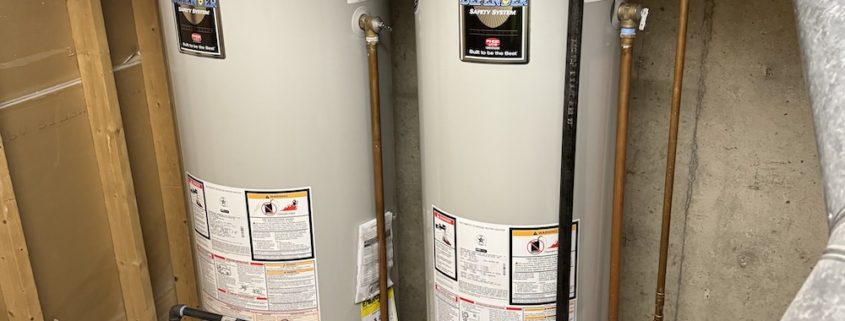
Two Bradford White Defender electric water heaters installed side by side in basement with copper piping and ventilation showing typical residential setup

New federal standards push electric water heaters toward heat pump efficiency, cutting household energy costs by $7.6 billion annually starting in 2029.

The U.S. Department of Energy has finalized groundbreaking efficiency standards for residential water heaters that will transform how American homes heat water. The new congressionally-mandated regulations require most common electric storage water heaters to achieve heat pump levels of efficiency, delivering massive energy savings and environmental benefits to households nationwide.

Key Takeaways

  • Annual Savings: $7.6 billion in reduced energy and water bills for American households
  • 30-Year Impact: $124 billion in cumulative utility savings
  • Environmental Benefit: 332 million metric tons of CO₂ reduction (equivalent to emissions from 43 million homes annually)
  • Compliance Date: 2029
  • Market Shift: Over 50% of new electric water heaters will use heat pump technology (up from 3% today)

Understanding the New Water Heater Efficiency Standards

What Changed and Why It Matters

The DOE last updated residential water heater efficiency standards in 2010. After more than a decade, these new standards reflect significant technological advances in heat pump water heater technology and address the urgent need to reduce household energy waste.

“Almost every U.S. household has a water heater, and for too long outdated energy efficiency standards have led to higher utility bills for families,” said U.S. Secretary of Energy Jennifer M. Granholm. “The Biden-Harris Administration is continuing to put American consumers first with new, effective rules—supported by industry—that save both energy and money.”


Richmond brand traditional electric resistance water heater installed in basement showing standard tank design that will be phased out by 2029 efficiency standards


How Heat Pump Water Heaters Work

Unlike conventional electric resistance water heaters that generate heat directly, heat pump water heaters move heat from the surrounding air into the water tank—using significantly less electricity to achieve the same result. This technology can be more than twice as efficient as traditional electric tanks, dramatically reducing operating costs.

What Homeowners Need to Know

Expected Household Savings

Average Lifetime Savings: Replacing a conventional electric resistance water heater with a heat pump model meeting the new standard will save approximately $1,800 over the appliance’s lifetime.

Water heating accounts for roughly 13% of a typical U.S. home’s annual energy use and utility costs. The new rule is projected to reduce water-heating energy consumption by approximately 10% compared with current products on the market.

Who Benefits Most

Low-income households will see disproportionate benefits from these standards, as they typically spend a larger share of income on utility bills. Federal and state incentives can further reduce upfront installation costs, making the transition to efficient heat pump water heaters more accessible.

Market Impact and Industry Response

The Shift to Heat Pump Technology

DOE projects a dramatic market transformation after the 2029 compliance date:

  • Current market share: ~3% of electric storage water heaters use heat pump technology
  • Projected market share (post-2029): Over 50% of newly manufactured electric storage water heaters will meet heat pump efficiency levels

This shift represents the most significant change in residential water heating in decades, opening opportunities for product innovation including 120-volt heat pump water heaters and hybrid designs suitable for homes with space constraints.

Stakeholder Support and Manufacturing Capacity

The final standards reflect broad stakeholder agreement, including support from efficiency advocates, environmental groups, the Consumer Federation of America, and major U.S. manufacturers. Industry leaders have expressed confidence in their ability to ramp up manufacturing capacity to meet projected demand.

Environmental and Energy Impact

Record-Breaking Energy Savings

Over a 30-year shipments window, the final standard is estimated to yield approximately 17.6 quadrillion British thermal units (BTUs) of energy savings—the largest single-rule savings in DOE history. To put this in perspective, 17.6 quads equals roughly the annual energy use of the entire U.S. residential building sector.

Climate Benefits

The reduction of 332 million metric tons of CO₂ over 30 years is equivalent to:

  • Taking nearly 43 million homes’ annual emissions off the grid
  • Removing millions of gas-powered vehicles from the road permanently
  • Supporting national climate goals while reducing strain on the electric grid

What’s Covered Under the New Standards

Electric Storage Water Heaters

For common electric storage tank sizes (including the typical 40-gallon family tank), the amended standards set efficiency levels equivalent to entry-level heat pump storage water heaters. In practical terms, many standard tanks will need to reach performance similar to heat pump water heaters—more than doubling the effective efficiency of conventional electric resistance tanks on average.

Gas, Oil, and Other Categories

The amended standards also deliver moderate efficiency increases for:

  • Gas-fired storage water heaters
  • Oil-fired storage water heaters
  • Larger electric storage water heaters

Note: DOE has not finalized changes for gas-fired instantaneous (tankless) water heaters under this rule and continues to evaluate potential standards for that category.

How This Fits Into Broader Energy Efficiency Efforts

These water heater standards are part of a comprehensive package of energy efficiency regulations advanced by the Biden-Harris Administration. Collectively, DOE projects these combined standards will yield:

  • Nearly $1 trillion in consumer savings over 30 years
  • Reduction of roughly 2.5 billion metric tons of greenhouse gas emissions
  • Equivalent environmental impact of removing about 18 million gas-powered cars from the road for a year

The Inflation Reduction Act further supports this transition by expanding tax credits, rebates, and other incentives that reduce the upfront cost of switching to heat pump and hybrid water heater models.

Action Steps for Homeowners

1. Check Available Incentives

Visit the Energy Savings Hub to find current tax credits, rebates, and local utility offers for heat pump water heaters. The Inflation Reduction Act has significantly expanded available incentives.

2. Estimate Your Potential Savings

Compare annual operating costs for conventional electric resistance tanks versus entry-level and high-efficiency heat pump water heaters to calculate payback period and lifetime savings for your household.

3. Plan Your Installation

Consider these factors when evaluating heat pump water heater models:

  • Space requirements (some models need extra clearance)
  • Room temperature (optimal performance in warm areas)
  • Tank size appropriate for your household
  • Electrical supply compatibility
  • 120-volt or hybrid options if space is limited

4. Consult a Qualified Installer

Talk with a professional to assess compatibility with your home’s electric supply and learn about the latest hybrid or 120-volt options that may work better in constrained spaces.


Two Bradford White Defender electric water heaters installed side by side in basement with copper piping and ventilation showing typical residential setup

Frequently Asked Questions

When do the new standards take effect?

The new efficiency standards require compliance beginning in 2029. If you’re purchasing a water heater before then, you can still take advantage of current incentives to upgrade to an efficient heat pump model.

Will heat pump water heaters work in my home?

Most homes can accommodate heat pump water heaters, though installation requirements vary. Recent innovations include 120-volt models and compact hybrid designs that fit in constrained spaces. A qualified installer can assess your specific situation.

What about installation costs?

While heat pump water heaters typically have higher upfront costs than conventional electric resistance tanks, federal tax credits, state rebates, and utility incentives can significantly reduce out-of-pocket expenses. The $1,800 average lifetime savings typically provides a favorable payback period.

Do I need to replace my water heater now?

No. The standards apply to newly manufactured water heaters starting in 2029. However, if your current water heater is nearing the end of its life or you’re building/renovating, upgrading to a heat pump model now can maximize your savings and take advantage of current incentives.

What if I have a gas water heater?

The standards include moderate efficiency improvements for gas-fired storage water heaters. Gas-fired instantaneous (tankless) water heaters are still under evaluation and not covered by this final rule.

Resources and Additional Information

For Consumers

  • Find Tax Credits and Rebates: DOE Energy Savings Hub
  • Technical Details: DOE Building Technologies Office
  • Appliance Standards: DOE Appliance and Equipment Standards Program

For Manufacturers and Installers

  • Review the DOE regulatory docket for compliance timelines
  • Access testing protocols and certification requirements
  • Plan capacity and certification testing schedules

Conclusion: A Win for Households and the Environment

The new DOE water heater efficiency standards represent a significant step forward in reducing household energy costs while addressing climate change. By accelerating the adoption of heat pump water heater technology, these standards will deliver $124 billion in savings to American families over the next 30 years while preventing 332 million metric tons of CO₂ emissions.

Whether you’re planning to replace your water heater soon or simply want to understand how these changes might affect you in the future, now is the time to explore available incentives and consider making the switch to energy-efficient heat pump technology.

Ready to start saving? Call Fox Valley at (847) 624-3872 for professional water heater services.

A technician is repairing a residential electric water heater in a utility room.

TL;DR: How Water Heater Maintenance Service Protects Your Home

A water heater maintenance service keeps your system running efficiently, extends its lifespan, and helps prevent sudden breakdowns. In this guide, you’ll learn how maintenance works, what parts are checked, and why regular service saves money over time.

Understand how routine water heater maintenance improves heating efficiency and reliability.

Discover the key components technicians inspect during professional service visits.

Learn the warning signs that signal your system needs attention.

See why annual maintenance helps avoid cold water surprises and costly repairs.

Find out how proper care protects your hot water supply and energy budget.

Consistent maintenance keeps hot water flowing, improves performance, and gives you peace of mind year-round.

Hot water is easy to take for granted until it disappears. A cold shower or rattling tank often points to an issue that built up quietly over time. A professional water heater maintenance service helps stop those problems before they disrupt your day.

Routine care keeps the system balanced, efficient, and dependable. Let’s take a closer look at how maintenance works and why it matters.

Why Water Heater Maintenance Service Matters

Your water heater works every day, heating and storing water under pressure. Over time, minerals settle at the bottom of the tank, parts wear down, and efficiency drops. Without maintenance, small issues slowly turn into major failures.

A scheduled water heater maintenance service removes sediment, checks safety components, and restores proper operation. This protects the tank, improves heat transfer, and reduces stress on internal parts.

Maintenance also helps catch problems early. A worn anode rod or faulty pressure valve can be replaced before it leads to leaks, corrosion, or total system failure.

How Professional Water Heater Maintenance Works

During a maintenance visit, a technician inspects the full water heater system. The tank or heat exchanger is flushed to remove sediment that blocks heat and raises energy costs.

Key components are tested to ensure safe operation. Temperature settings are verified, connections are tightened, and the unit is checked for leaks or corrosion.

For tankless systems, scale buildup is removed from internal lines to maintain consistent heating. Once service is complete, the system runs more efficiently and delivers steady hot water.

Inside the System: What Gets Checked During Maintenance

Several components play a role in keeping your water heater safe and efficient.

The anode rod protects the tank from rust by attracting corrosion. Pressure relief valves release excess pressure to prevent damage. Heating elements or burners provide the energy needed to warm water evenly.

Sediment buildup at the bottom of the tank reduces efficiency and strains the system. Routine flushing clears this debris and restores proper heat transfer.

Types of Water Heaters and Maintenance Needs

Different systems require different care.

Tank water heaters store heated water and need regular flushing to remove sediment. Anode rods and pressure valves must be checked to prevent corrosion and leaks.

Tankless water heaters heat water on demand and require descaling to remove mineral buildup. Without maintenance, flow restrictions and overheating can occur.

Choosing the right maintenance plan depends on your system type, usage level, and water quality.

A leaking water heater tank is causing water to pool on the utility room floor.


Signs You Need a Water Heater Maintenance Service

Water heaters often show warning signs before failure.

Watch for inconsistent water temperature, unusual noises, rusty water, reduced hot water supply, or rising energy bills. Moisture around the base of the tank can also indicate internal problems.

If these issues appear, scheduling a water heater maintenance service can prevent more serious damage.

Maintenance and Inspection Schedule

Most manufacturers recommend annual water heater maintenance. This keeps warranties valid and ensures safety components function correctly.

A professional service documents system condition and helps homeowners plan for future repairs or replacement. Routine inspections reduce emergency calls and extend system lifespan.

Testing, Local Guidelines, and Professional Service

Local plumbing codes often require water heaters to meet safety standards related to pressure and temperature control. Professional maintenance ensures compliance and reduces risk.

Certified plumbers understand system requirements and follow manufacturer guidelines. Proper service protects your home, your warranty, and your hot water supply.

Keep Hot Water Reliable Year Round

A water heater maintenance service protects comfort, efficiency, and safety. Regular care keeps your system running smoothly and extends its lifespan.

Treat your water heater like any major appliance. A little attention now prevents cold water surprises later.

 Find out more about our plumbing, heating, and water heater services here.


Backflow preventer device installed on residential water supply line with test ports visible

TL;DR: When Code Requires a Backflow Preventer Device
Is a backflow preventer required by code? In most cases, yes. Local plumbing codes mandate these devices to protect your drinking water from contamination. Here’s what you need to know about compliance and enforcement.

  • Learn when a backflow preventer device is required by local and state plumbing codes.
  • Understand who enforces backflow prevention requirements and what triggers an inspection.
  • Discover which properties need protection based on hazard level and connection type.
  • Find out what happens if you ignore the code and skip installation or testing.
  • See how to stay compliant with annual testing and avoid fines or water shutoff.

Know the rules, protect your water, and keep your property up to code.

Building codes exist for a reason. When it comes to your water supply, a backflow preventer device stands between clean drinking water and potential contamination. Most municipalities don’t leave this to chance—they write it into law.

Let’s break down when a backflow preventer is required by code, who enforces it, and what you risk by ignoring the rules.

Why Plumbing Codes Require Backflow Prevention Devices

Clean water isn’t optional. It’s a public health issue. That’s why plumbing codes across the country require backflow prevention at specific connection points. The goal is simple: stop contaminated water from flowing backward into the municipal supply.

A single cross-connection without protection can affect an entire neighborhood. Imagine fertilizer from an irrigation system or chemicals from a commercial cleaning operation reaching the main water line. One pressure drop is all it takes.

Code requirements exist because voluntary compliance doesn’t work at scale. When public health is at stake, regulations fill the gap. Your backflow preventer device isn’t just protecting your home—it’s protecting everyone downstream.

Federal Guidelines vs. Local Plumbing Codes

The Safe Drinking Water Act sets the foundation at the federal level. It requires public water systems to maintain safe drinking water standards. However, the specifics of backflow prevention fall to state and local authorities.

Most states adopt a version of the International Plumbing Code or Uniform Plumbing Code. These model codes include backflow prevention requirements, but local jurisdictions can modify or strengthen them. Your city or county plumbing code is the final word on what’s required at your property.

This means requirements vary by location. What’s mandatory in Chicago might differ from what’s enforced in a small Wisconsin township. Always check with your local water authority or building department for the exact rules in your area.

Which Properties Require a Backflow Preventer by Code

Not every faucet needs a dedicated device. Code requirements target specific risk points where contamination is most likely.

Residential properties typically need protection on irrigation systems, swimming pool fill lines, and boiler connections. If you have a sprinkler system tied to the municipal supply, you almost certainly need a backflow preventer device installed.

Commercial buildings face stricter requirements. Restaurants, medical facilities, car washes, and manufacturing plants all have high-hazard connections. Fire suppression systems also require protection in most jurisdictions.

New construction triggers automatic compliance. Your building permit won’t close without proper backflow prevention in place. Renovations that add new water connections may also require installation and inspection.

Common Cross-Connections That Trigger Code Requirements

  • Lawn irrigation and sprinkler systems
  • Fire sprinkler and standpipe connections
  • Boilers and radiant heating loops
  • Commercial kitchen equipment and dishwashers
  • Swimming pools and spa fill lines
  • Chemical mixing stations and pressure washers

If your property has any of these connections, assume a backflow preventer is required until you confirm otherwise with local code.

backflow prevention assembly for code compliance in commercial buildings

Who Enforces Backflow Prevention Requirements

Enforcement typically falls to the local water utility or health department. They maintain cross-connection control programs that track which properties need devices and whether testing is current.

Many utilities send annual reminders when testing is due. Miss the deadline, and you might receive a warning letter. Continue ignoring it, and they can shut off your water service until you comply.

Building inspectors also play a role during construction and renovation. They verify that the correct backflow preventer device is installed before signing off on permits. Code enforcement officers may investigate complaints or conduct random inspections in some areas.

What Happens If You Don’t Comply with Backflow Code

Skipping installation or testing isn’t worth the risk. Consequences range from inconvenient to expensive.

Fines vary by jurisdiction but can reach several hundred dollars per violation. Some areas assess daily penalties until you come into compliance.

Water shutoff is the ultimate enforcement tool. Utilities have the authority to disconnect service if you refuse to install required devices or submit testing documentation.

Liability extends beyond fines. If contamination traces back to your property, you could face lawsuits, cleanup costs, and even criminal charges in extreme cases.

Insurance issues may also arise. Some policies exclude coverage for damage caused by code violations. A contamination event could leave you personally responsible for costs that would otherwise be covered.<

Real Consequences Property Owners Have Faced

  • Water service disconnected until device installed
  • Fines exceeding $500 for missed testing deadlines
  • Denied occupancy permits on new construction
  • Required retrofit during property sale inspections
  • Legal action following contamination incidents

Annual Testing Requirements and Certified Testers

Installation is only the first step. Most codes require annual testing by a certified backflow tester. The test confirms that the internal valves and seals continue to function correctly under pressure.

Testers must hold certification from an approved program. They submit results directly to the water utility or cross-connection control office. You should receive a copy for your records and keep it accessible for future reference.

Some jurisdictions require more frequent testing for high-hazard connections. Others mandate testing after any repair or replacement. Know your local schedule and mark the calendar.

How to Find a Certified Backflow Tester

Your water utility often maintains a list of approved testers. Plumbing contractors with backflow certification can handle both repairs and testing. Always verify credentials before hiring—an uncertified test won’t satisfy code requirements.

Contact us for certified backflow testing and inspection services to stay compliant year-round.

Cost of Compliance vs. Cost of Violations

Annual testing runs between $50 and $150, depending on device type and location. Compare that to potential fines, water shutoff fees, and reconnection charges. Compliance is the cheaper option every time.

Stay Ahead of Code Requirements and Protect Your Water

A backflow preventer device does more than satisfy a code requirement. It protects your drinking water and shields you from liability. Know what your local code demands, install the right device, and schedule annual testing without fail.

Don’t wait for a warning letter or a failed inspection to take action. Check your property for cross-connections, verify your device is current, and keep documentation organized. It’s a small investment that prevents major headaches down the road.

Treat code compliance like routine maintenance—handle it now so you never have to think about it later.

Learn more about our backflow installation and inspection services here.

A professional plumber cleaning a clogged drain line using specialized tools.

TLDR: Why Drain Cleaning in Elgin IL Matters
Professional drain cleaning in Elgin IL keeps your plumbing system flowing properly, protects your home from sewer backups, and prevents unexpected damage. This guide explains how proper cleaning works, why it’s essential, and why hiring a trained plumber is the safest long-term choice.

You’ll discover:

  • How expert drain cleaning eliminates clogs before they turn into costly repairs.
  • The main tools plumbers use to clear pipes safely and thoroughly.
  • Simple signs that warn you a blockage is forming.
  • Why professional equipment beats store-bought cleaners every time.
  • The key benefits of preventing sewer backups, flooding, and slow drains.

With routine service and proper care, your pipes stay clear, your plumbing runs smoothly, and you avoid messy surprises.

When drains slow to a crawl or wastewater begins backing up, trouble usually isn’t far behind. A small blockage can quickly turn into a major sewage spill. That moment of stress is exactly what professional drain cleaning in Elgin IL is designed to prevent. It clears buildup before it becomes a disaster and keeps water moving the way it should.

Why Drain Cleaning in Elgin IL Matters

A shower that fills with water. A kitchen sink that gurgles. A toilet that struggles to flush. These are early warnings that your drains need attention. Ignoring them gives grease, soap, hair, and debris time to harden into a full blockage.

A professional plumber identifies the clog, clears it safely, and protects your home from overflow.
The right tools reach deep into your drain system — far beyond what plungers or chemical cleaners can handle.

Drain cleaning doesn’t only fix today’s blockage. It also protects you from hidden problems like partially collapsed pipes, intrusive tree roots, or sewer line buildup. Early intervention keeps small issues from becoming emergencies.

How Professional Drain Cleaning Works

When a blockage forms, plumbers use specialized equipment to break it apart and restore proper flow. Tools like drain snakes, augers, and hydro-jetting machines remove debris from the full length of the pipe.

A video inspection may be used to find the exact problem. This ensures the clog is cleared without damaging the line.

Hydro jetting blasts away grease, sludge, and roots with high-pressure water. This method cleans pipes wall-to-wall, giving you long-lasting results that off-the-shelf cleaners can’t match.

Routine checks help keep your drains ready for anything. Small maintenance steps can prevent backups when guests arrive, storms hit, or multiple fixtures run at once.

 A sink overflowing from a clogged drain, showing signs of a severe blockage.

Top Benefits of Professional Drain Cleaning

Clean drains protect your home, plumbing system, and wallet. Grease and debris cause foul odors, slow water movement, and pressure buildup that can lead to burst pipes.

Keeping lines clear prevents sewage backups — a costly and hazardous issue that can damage drywall, flooring, and personal items.

You also save money by avoiding emergency repairs. Routine cleaning keeps your plumbing efficient, improves indoor air quality, and helps your entire drainage system last longer.

Insurance companies appreciate proper maintenance, especially when sewer backup coverage is involved.

How to Know You Need Drain Cleaning in Elgin IL

Every home shows warning signs before a major blockage forms.
Watch for:

  • Water pooling in showers or tubs.
  • Gurgling noises from sinks or toilets.
  • Slow drains throughout the home.
  • Frequent clogs in the same fixture.
  • Unpleasant odors coming from drain openings.
  • Backups in the basement or laundry lines.

If you notice more than one of these issues at once, it often signals a deeper blockage in the main line.

Professional Help for Drain Cleaning in Elgin IL

Many homeowners rely on licensed plumbers for drain cleaning because they understand how local systems in Elgin are built and how older homes behave. A professional uses the right tools, avoids pipe damage, and ensures the blockage is fully removed — not pushed farther down.

If you’re unsure who handles drain cleaning in Elgin IL, contact a trusted plumbing company. They’ll diagnose the issue, recommend the right cleaning method, and ensure your system stays safe and reliable.

Expert cleaning also prevents chemical damage to pipes and keeps your sewer line operating properly year-round.

Routine Care Keeps Your Drains Reliable

Once your drains are restored, simple habits keep them flowing smoothly. Avoid grease in kitchen sinks. Use drain screens. Rinse lines with hot water occasionally. Schedule routine cleaning if your home has older piping or heavy usage.

A little attention now prevents major stress down the road. When drains run clearly and quietly, you avoid odors, backups, and repairs.

Trust the Pros to Keep Your Plumbing Flowing

Professional drain cleaning in Elgin IL protects your home from backups, flooding, and long-term damage. Experienced plumbers clear blockages thoroughly and keep your plumbing system ready for whatever comes next.

For long-lasting peace of mind, schedule routine drain maintenance and protect your home from unexpected plumbing troubles. Learn more about our drain cleaning and sewer repair services here.

A technician repairing a residential electric water heater in a utility room.

TL;DR: Why Water Heater Repair Matters

Water heater repair keeps your system working when you lose hot water or notice signs of failure. This guide explains what causes breakdowns, how repair service actually works, and why calling a professional protects your home and energy bills.

You’ll discover:

  • The most common reasons water heaters stop delivering hot water
  • Key components inside electric and gas units and how they fail
  • Simple maintenance steps to extend your heater’s lifespan
  • Why a licensed plumber ensures safe, long-lasting performance
  • How fast service prevents leaks, water damage, and major breakdowns

With proper maintenance and repairs, your water heater runs efficiently, your showers stay warm, and your home stays protected from costly damage.

When hot water stops unexpectedly, daily life gets disrupted fast. A quiet morning routine turns into cold showers and frustration. Water heater repair is designed to prevent that chaos.

It steps in when your tank fails, the pilot light goes out, or the heating elements burn out. Hot water keeps flowing, and your home stays comfortable.

Why Water Heater Repair Matters

The shower turns cold, you check the utility room, and something is clearly wrong. Without quick repair, small issues worsen fast.
A malfunctioning thermostat overheats the tank.
A failed heating element leaves the water ice-cold.
A neglected leak grows until it damages the flooring and drywall.

Timely water heater repair restores heat, stops leaks, and prevents system failure. It also protects you from hazards like gas leaks, electrical shorts, or pressure buildup.

Professional service identifies the root cause fast. Whether it’s a tripped breaker, a worn anode rod, or a bad pilot assembly, repairs keep the unit stable while preventing bigger, more expensive problems.

How Water Heater Repair Works

When a water heater stops heating properly, a licensed technician checks power sources, pressure levels, thermostat settings, and internal components.

Electric units often fail due to burned heating elements or faulty thermostats.
Gas units commonly struggle with pilot-light issues, clogged burners, or failing gas-control valves.

A repair involves diagnosing the problem, replacing worn parts, flushing sediment, or sealing minor leaks.

Most tanks have safety systems that shut the heater down when conditions become unsafe.
After repair, those safety functions are tested to ensure the heater runs efficiently.

Regular testing keeps the heater ready year-round. Every few months, check for leaks, listen for unusual sounds, and verify water temperature stays steady. Small steps like these prevent major failures during peak usage.

Top Benefits of Timely Water Heater Repair

A reliable water heater protects your home’s comfort, efficiency, and safety. Hot water supports cooking, cleaning, laundry, and bathing.

Ignoring issues leads to energy waste, skyrocketing bills, and premature tank failure.

Timely repairs extend the unit’s lifespan, prevent tank bursts, and protect your floors from water damage. Even a small leak can create mold, corrosion, and structural problems.

Fixing issues early is cheaper, safer, and far less stressful than replacing an entire system.

Many homeowners appreciate the peace of mind that comes with a well-maintained water heater—especially during winter.

A leaking water heater tank causing water to pool on the utility room floor.

How to Fix Common Problems With a Water Heater

Each home has different plumbing layouts and heater types. Start by confirming the unit’s power source, capacity, and model type.

Electric heaters generally require element replacement or thermostat adjustment.
Gas heaters may need burner cleaning, pilot assembly repair, or gas valve replacement.

Key steps include:

  • Checking breakers or gas supply
  • Testing the thermostat
  • Flushing sediment buildup
  • Inspecting the pressure relief valve
  • Checking for tank corrosion or leaks

Once repairs are made, test the system by running the hot water for several minutes and verifying the heater maintains temperature.

Professional Help for Water Heater Repair

Most homeowners rely on a licensed plumber for water heater repair. A professional works safely with electricity or gas, checks for hidden issues, and ensures the heater runs efficiently.

They evaluate the tank, venting, wiring, and water pressure to prevent future failures.

If you’re unsure who handles hot water heater repair, a qualified plumbing company inspects your system, recommends the right fix, and completes repairs quickly.

You’ll also get expert advice on maintenance, temperature settings, and part replacements that improve longevity and safety.

Routine Care Keeps Your System Reliable

Once repaired, maintenance is simple.
Flush the tank annually to remove sediment.
Check for leaks monthly.
Verify the pressure relief valve moves freely.

Replace the anode rod every few years to prevent corrosion.

A little care now saves major stress later. When temperatures drop or usage increases, you can relax knowing your water heater is ready.

Trust the Pros to Keep Your Hot Water Running

Water heater repair keeps your home comfortable and protected.
It restores consistent hot water, prevents leaks, and ensures safe operation.

Skilled plumbers repair electric and gas heaters with precision, keeping your system dependable year-round.

Schedule a professional repair for lasting peace of mind and enjoy worry-free hot water every day.
Learn more about our plumbing, heating, and water heater services here.

A sump pump installed in a basement of a home with a water powered backup system.

TL;DR: Why a Battery Backup for Sump Pump Installation Matters

A battery backup for sump pump installation protects your home when power fails or your main pump stops. This guide explains how it works, why it’s essential, and why professional installation is the safest choice.

You’ll discover:

  • How backup systems keep water moving during power outages or pump failures
  • The main components of a battery backup system and how they operate
  • Simple maintenance steps to keep your system reliable year-round
  • Why hiring a qualified plumber ensures safe, long-lasting performance
  • The key benefits of preventing water damage, mold, and costly repairs

With the right setup and care, your basement stays dry, your system runs smoothly, and you can rest easy—whatever the weather.

When heavy rain hits and power cuts out, water can rise fast. Within minutes, a quiet sump pit can overflow and flood the floor. That moment of panic is what a battery backup for sump pump installation is designed to prevent.

It steps in when the lights go out, or the main pump stops. Water keeps moving, and your basement stays dry.

Why a Battery Backup for Sump Pump Installation Matters

The storm pounds the windows, the lights flicker, and then everything goes dark. Your sump pump stops. Without backup, water creeps up the walls before you can find a torch. A backup system senses the loss of power and starts immediately.

The pump hums back to life, pushing water away from your home. It keeps your space protected until power returns.

A backup sump pump doesn’t only help during a power outage. It also protects you from issues like a failed float switch or tripped breaker. These faults stop the main pump cold.

A good backup starts right away. It keeps the pit steady while you plan the repair. Some systems also sound an alarm or send an alert. That early warning gives you time to act before damage spreads.

How Emergency Power for Sump Pump Systems Works

When the power fails, a smart controller switches to DC battery power within seconds. The pump runs quietly, with no fumes or fuel storage like a generator. Battery size and quality decide how long it runs.

Most systems use sealed deep-cycle or AGM batteries. They recharge automatically when the power returns. Some even include high-water alarms or app monitoring so you can check the system from your phone.

Regular testing keeps that safety net ready. Every few months, unplug the main pump briefly to confirm the backup starts on its own. Small checks like that make a big difference when a real storm hits.

Top Benefits of a Battery Backup System

A dry basement protects your home, health, and belongings. Water damage causes rot, rust, and mold, while damp air invites musty smells. Consistent dryness improves air quality and protects flooring, furniture, and stored items.

Flood prevention also saves money. One avoided flood can pay for the installation itself. You avoid insurance claims, expensive repairs, and the loss of personal items.

Many insurers appreciate homes protected by reliable sump pump systems. Built-in alarms give extra reassurance when storms roll in.

Residential sump pump drain line discharging water into grass yard

How to Install a Battery Backup on a Sump Pump

Each home setup is different. Start by choosing a system that fits your pump type, pit size, and power draw.

Most backup kits include a pump, battery box, charger, and control unit. A sealed deep-cycle battery keeps upkeep low. An AGM model lasts longer and charges faster.

Placement matters too. Keep the controller above floor level and away from moisture. Label each lead clearly. Connect the pump to your discharge line with a separate check valve to stop water from flowing back.

When everything is secure, test it by unplugging the main pump to confirm the backup starts right away.

Professional Help for Sump Pump Battery Backup Installation

Many homeowners choose a qualified plumber to install sump pump battery backup systems. A professional fits each part safely and checks that everything works as it should. They size the battery correctly, confirm proper drainage, and ensure reliable performance when the next storm hits.

If you’re unsure who installs sump pump battery backup systems, contact a licensed plumber. They’ll assess your pit and pump, recommend the best setup, and complete the job with care. You’ll also gain expert advice on maintenance and testing. Proper installation protects the battery, wiring, and controller so the system stays dependable all year.

Routine Care Keeps Your Backup Reliable

Once installed, maintenance is simple. Keep the battery box clean and ventilated. Test monthly to confirm it runs smoothly. Replace the battery every few years as directed to keep performance steady.

A little care now saves stress later. When dark clouds gather and thunder shakes the windows, you can relax knowing your system is ready.

Trust the Pros to Keep Your Basement Dry

A battery backup for sump pump installation keeps your home protected during storms and power cuts. It delivers steady performance when your family needs it most. Skilled plumbers install a battery backup on a sump pump with care.

Add a battery backup for lasting peace of mind and know your home is protected when weather turns wild. Learn more about our sump pump service and repair here.

Water main pipe with back flow prevention, double block, and bleed valves

TL;DR: How Backflow Preventers Protect Your Water

What does a backflow preventer do? It’s a simple device with an important job—keeping your drinking water clean and safe. In this short guide, you’ll see how it works, when to test it, and why maintenance is so important.

  • Understand how a backflow prevention device works to stop dirty water from reversing into clean lines.
  • Discover the main types of backflow preventers and where each one is used.
  • Learn how to spot, test, and maintain your plumbing backflow preventer for lasting reliability.
  • Identify warning signs of failure and why annual testing is required.
  • See why regular service saves money and ensures your system meets local code.

Keep your water supply clean, compliant, and protected year-round.

Clean, safe water starts with a line of defense. When pressure drops, a backflow preventer keeps your supply safe from contamination. It protects health, ensures code compliance, and brings peace of mind.

Let’s see how a backflow prevention device works. You’ll also learn what a backflow valve does in your system to prevent contamination.

How Does a Back Flow Prevention Valve Protect Your Drinking Water?

Water should move in one direction, from the city main to your faucets. Pressure changes can flip that flow. A broken main, a fire truck drawing water, or a pump shutting off can pull water backward. When that happens, contaminated water can enter your supply.

Imagine your garden sprinklers running with fertilizer in the line. A sudden pressure drop can pull that mix back toward your taps.

That’s where a plumbing backflow preventer comes in. It blocks the reversal with one-way valves and relief parts. In short, this backflow prevention valve keeps clean and dirty water from ever mixing.

Backflow Explained: When Water Reverses and Carries Contaminants

Back-pressure happens when downstream pressure rises above the supply. It forces water to flow backward. Back-siphonage is the opposite, where a drop in supply creates suction. A burst main can pull lawn chemicals into household lines.

Inside the Device: Check Valves, Relief Port, and Air Gaps

A check valve allows flow one way, then shuts when water reverses. A pressure relief valve releases unsafe water outside your pipes. An air gap uses open space to separate water and air, a physical break that stops mixing.

Where You Need Protection at Home and Work

  • Cross-connections need protection on these connections at home and work:
  • Irrigation systems and yard sprinklers
  • Hose bibs using chemical sprayers
  • Boilers and hydronic heat loops
  • Fire protection systems
  • Commercial kitchens and beverage machines
  • Local codes usually require it.

Types of Backflow Preventers: Choosing the Right Protection

Different setups call for different devices.

An RPZ (reduced pressure zone assembly) offers the highest protection. It handles both backpressure and back-siphonage and is used in higher-risk systems.

A DCVA (double check valve assembly) uses two check valves to protect low- to medium-risk systems like indoor plumbing loops.

A PVB (pressure vacuum breaker) guards against back-siphonage, making it ideal for irrigation lines.

An air gap is simply open space between an outlet and the flood level—often used for sinks and tanks.

Your plumbing backflow preventer should match the hazard level and location, following local code. Homes usually use a PVB or DCVA, while commercial kitchens and labs often need an RPZ or air gap for stronger protection.

Plumber using backflow shut off valve or backwater valve.

Do You Already Have One? How to Spot and Label It

Look for a brass valve assembly with test ports and a tag near the meter, irrigation line, or boiler. Check past test reports or ask your water utility for records.

Maintenance and Testing

Internal parts wear out over time, grit can block valves, and cold snaps can crack seals. Pressure swings may expose faults an old unit can’t handle. Annual testing confirms the device opens, closes, and seals when it should.

Many cities require certified testers to file reports with the water authority. Routine service protects health, avoids fines, and catches small issues early.

Warning Signs Your Backflow Preventer May Be Failing

  • Dripping from the relief port
  • Low or erratic water pressure
  • Visible corrosion or mineral crust
  • Buzzing or chattering noises
  • Failed test tag or past due date

Testing Schedule, Local Rules, and Certified Testers

Most areas require annual testing, sometimes after installation or repair as well. Hire a certified professional and keep copies of reports for insurance and compliance.

Simple Care Between Tests

Keep the area clear so valves can be reached. Use insulation or a rated cover to stop freezing. Outdoor and sprinkler systems need extra protection. Don’t hang hoses or chemicals on the assembly and check the tag date.

Cost of Neglect vs. Routine Service

A quick annual test costs far less than the cleanup from a contamination event. Spend a little now to avoid a costly mess later

Don’t Leave Water Safety to Chance

A backflow preventer protects your clean water and stays reliable with regular maintenance. Check the tag and book your annual test. It’s a small task that protects your health, saves money, and keeps your water safe year-round.

Treat your plumbing backflow preventer like a seat belt—simple and always worth using. Learn more about our backflow installation and inspection repair services here.

Backflow shut off valve in service room of building. Water safety device, prevents contamination of drinking water from sewage backup.

TL;DR:

A backflow preventer protects your clean potable water supply. It works like a one-way gate, blocking dirty water from flowing back in. Regular testing and simple upkeep keep it reliable. Small checks prevent costly damage, poor water quality, and health risks. Fixing minor issues now saves bigger problems later.

  • Backflow happens when water flows in reverse.
  • A plumbing backflow preventer stops it.
  • Pressure drops, hydrant use, or pipe repairs can trigger it.
  • Regular testing keeps your water safe.
  • Common problems include stuck valves, leaks, rust, and mineral buildup.

Imagine you fill a glass with crisp, cold water, trusting it’s safe to drink. You rarely think about what keeps your tap water clean, but hidden plumbing devices play a big role. One key guardian is the backflow preventer. This unsung hero stops contaminated water from sneaking into your home’s potable water supply.

If you own a home or a business, it’s worth knowing how a backflow preventer works. It protects your water from contamination, and with regular care, it saves you both money and stress. When you understand backflow preventers, you make smarter choices for your plumbing. That knowledge helps keep your water safe for everyone.

What Is Backflow and Why Is It a Problem?

Backflow means water moves opposite its normal path in your pipes. Instead of clean water flowing into your property, dirty water can slip back into your clean supply. This usually happens when pressure changes in the water system, such as:

  • A big drop in city water pressure after a water main breaks.
  • Firefighters taking a lot of water from a hydrant near your home.
  • Sudden changes when plumbing repairs happen nearby.

Any of these can cause dirty water to flow backward. If that water carries lawn chemicals, bacteria, or sewage, your health could be at risk. A backflow valve stops dirty water from flowing backward. It blocks anything unsafe from mixing with your clean supply.

Sump pump backflow preventer

How Does a Backflow Preventer Work?

A plumbing backflow preventer works like a one-way gate. When water comes into your house, it moves past a back flow prevention valve. The valve only lets water through in the right direction. If water tries to reverse, the valve snaps shut and keeps it from moving back toward your clean potable water supply.

Most backflow prevention devices are installed in key spots, for example:

  • On sprinkler or irrigation systems, which connect to outdoor faucets.
  • Where your home’s plumbing connects to city water lines.
  • In businesses using chemicals or cleaners that need special protection.

These valves don’t just stop water—they act as a barrier against anything harmful, from dirt to pesticides.

  • What does a backflow preventer do? It keeps dirty water from ever reaching your tap.
  • How does a backflow prevention device work? By shutting tight if water tries to flow backward, it guards your supply 24/7.

Why Regular Maintenance of Your Backflow Preventer Is Important

Just like a car or coffee maker, a backflow preventer needs regular checks. Small bits of sand, minerals, or even bugs can jam the parts. If the valve sticks or fails, it could let dirty water in before you even know it.

If you skip inspections, you risk:

  • Water that smells odd or tastes bad.
  • Having to replace pipes corroded by dirty water.
  • Potential fines in areas where backflow preventer testing is required by law.

Some towns demand yearly backflow testing by certified pros. Even if that’s not the rule in your area, it’s smart to schedule a quick check. Make sure your back flow prevention valve seals tight and springs work right. Staying ahead of issues keeps your water safe and avoids surprises.

Common Backflow Preventer Problems

Stuck valve – prevents the device from closing, leaving your water supply unprotected. Cleaning or swapping out worn parts usually solves the issue.

Leaks – even small drips waste water and raise bills. Check seals and gaskets, and tighten connections before bigger problems develop.

Corrosion or rust – weakens the device and can cause total failure. Often needs professional servicing or full replacement.

Mineral scale buildup – deposits stop the valve from sealing. Flushing and descaling restore proper function and keep water safe.

Protect Your Home by Maintaining Your Backflow Preventer

A backflow preventer may be small, but it plays a vital role in protecting your water and your health. By stopping contaminants before they ever reach your tap, it keeps your household or business supply clean and reliable.

Like any piece of plumbing equipment, though, it only works if it’s cared for. Regular testing keeps your backflow preventer working as it should. Cleaning and quick repairs stop costly damage, poor water quality, and even fines where yearly checks are required.

Not sure when your system was last inspected? Or if you even have a preventer installed? Find out now before problems show up. Staying ahead of maintenance keeps your water safe and gives you peace of mind.

Learn more about our backflow installation and inspection repair services here.