Two Bradford White Defender electric water heaters installed side by side in basement with copper piping and ventilation showing typical residential setup

New federal standards push electric water heaters toward heat pump efficiency, cutting household energy costs by $7.6 billion annually starting in 2029.

The U.S. Department of Energy has finalized groundbreaking efficiency standards for residential water heaters that will transform how American homes heat water. The new congressionally-mandated regulations require most common electric storage water heaters to achieve heat pump levels of efficiency, delivering massive energy savings and environmental benefits to households nationwide.

Key Takeaways

  • Annual Savings: $7.6 billion in reduced energy and water bills for American households
  • 30-Year Impact: $124 billion in cumulative utility savings
  • Environmental Benefit: 332 million metric tons of CO₂ reduction (equivalent to emissions from 43 million homes annually)
  • Compliance Date: 2029
  • Market Shift: Over 50% of new electric water heaters will use heat pump technology (up from 3% today)

Understanding the New Water Heater Efficiency Standards

What Changed and Why It Matters

The DOE last updated residential water heater efficiency standards in 2010. After more than a decade, these new standards reflect significant technological advances in heat pump water heater technology and address the urgent need to reduce household energy waste.

“Almost every U.S. household has a water heater, and for too long outdated energy efficiency standards have led to higher utility bills for families,” said U.S. Secretary of Energy Jennifer M. Granholm. “The Biden-Harris Administration is continuing to put American consumers first with new, effective rules—supported by industry—that save both energy and money.”


Richmond brand traditional electric resistance water heater installed in basement showing standard tank design that will be phased out by 2029 efficiency standards


How Heat Pump Water Heaters Work

Unlike conventional electric resistance water heaters that generate heat directly, heat pump water heaters move heat from the surrounding air into the water tank—using significantly less electricity to achieve the same result. This technology can be more than twice as efficient as traditional electric tanks, dramatically reducing operating costs.

What Homeowners Need to Know

Expected Household Savings

Average Lifetime Savings: Replacing a conventional electric resistance water heater with a heat pump model meeting the new standard will save approximately $1,800 over the appliance’s lifetime.

Water heating accounts for roughly 13% of a typical U.S. home’s annual energy use and utility costs. The new rule is projected to reduce water-heating energy consumption by approximately 10% compared with current products on the market.

Who Benefits Most

Low-income households will see disproportionate benefits from these standards, as they typically spend a larger share of income on utility bills. Federal and state incentives can further reduce upfront installation costs, making the transition to efficient heat pump water heaters more accessible.

Market Impact and Industry Response

The Shift to Heat Pump Technology

DOE projects a dramatic market transformation after the 2029 compliance date:

  • Current market share: ~3% of electric storage water heaters use heat pump technology
  • Projected market share (post-2029): Over 50% of newly manufactured electric storage water heaters will meet heat pump efficiency levels

This shift represents the most significant change in residential water heating in decades, opening opportunities for product innovation including 120-volt heat pump water heaters and hybrid designs suitable for homes with space constraints.

Stakeholder Support and Manufacturing Capacity

The final standards reflect broad stakeholder agreement, including support from efficiency advocates, environmental groups, the Consumer Federation of America, and major U.S. manufacturers. Industry leaders have expressed confidence in their ability to ramp up manufacturing capacity to meet projected demand.

Environmental and Energy Impact

Record-Breaking Energy Savings

Over a 30-year shipments window, the final standard is estimated to yield approximately 17.6 quadrillion British thermal units (BTUs) of energy savings—the largest single-rule savings in DOE history. To put this in perspective, 17.6 quads equals roughly the annual energy use of the entire U.S. residential building sector.

Climate Benefits

The reduction of 332 million metric tons of CO₂ over 30 years is equivalent to:

  • Taking nearly 43 million homes’ annual emissions off the grid
  • Removing millions of gas-powered vehicles from the road permanently
  • Supporting national climate goals while reducing strain on the electric grid

What’s Covered Under the New Standards

Electric Storage Water Heaters

For common electric storage tank sizes (including the typical 40-gallon family tank), the amended standards set efficiency levels equivalent to entry-level heat pump storage water heaters. In practical terms, many standard tanks will need to reach performance similar to heat pump water heaters—more than doubling the effective efficiency of conventional electric resistance tanks on average.

Gas, Oil, and Other Categories

The amended standards also deliver moderate efficiency increases for:

  • Gas-fired storage water heaters
  • Oil-fired storage water heaters
  • Larger electric storage water heaters

Note: DOE has not finalized changes for gas-fired instantaneous (tankless) water heaters under this rule and continues to evaluate potential standards for that category.

How This Fits Into Broader Energy Efficiency Efforts

These water heater standards are part of a comprehensive package of energy efficiency regulations advanced by the Biden-Harris Administration. Collectively, DOE projects these combined standards will yield:

  • Nearly $1 trillion in consumer savings over 30 years
  • Reduction of roughly 2.5 billion metric tons of greenhouse gas emissions
  • Equivalent environmental impact of removing about 18 million gas-powered cars from the road for a year

The Inflation Reduction Act further supports this transition by expanding tax credits, rebates, and other incentives that reduce the upfront cost of switching to heat pump and hybrid water heater models.

Action Steps for Homeowners

1. Check Available Incentives

Visit the Energy Savings Hub to find current tax credits, rebates, and local utility offers for heat pump water heaters. The Inflation Reduction Act has significantly expanded available incentives.

2. Estimate Your Potential Savings

Compare annual operating costs for conventional electric resistance tanks versus entry-level and high-efficiency heat pump water heaters to calculate payback period and lifetime savings for your household.

3. Plan Your Installation

Consider these factors when evaluating heat pump water heater models:

  • Space requirements (some models need extra clearance)
  • Room temperature (optimal performance in warm areas)
  • Tank size appropriate for your household
  • Electrical supply compatibility
  • 120-volt or hybrid options if space is limited

4. Consult a Qualified Installer

Talk with a professional to assess compatibility with your home’s electric supply and learn about the latest hybrid or 120-volt options that may work better in constrained spaces.


Two Bradford White Defender electric water heaters installed side by side in basement with copper piping and ventilation showing typical residential setup

Frequently Asked Questions

When do the new standards take effect?

The new efficiency standards require compliance beginning in 2029. If you’re purchasing a water heater before then, you can still take advantage of current incentives to upgrade to an efficient heat pump model.

Will heat pump water heaters work in my home?

Most homes can accommodate heat pump water heaters, though installation requirements vary. Recent innovations include 120-volt models and compact hybrid designs that fit in constrained spaces. A qualified installer can assess your specific situation.

What about installation costs?

While heat pump water heaters typically have higher upfront costs than conventional electric resistance tanks, federal tax credits, state rebates, and utility incentives can significantly reduce out-of-pocket expenses. The $1,800 average lifetime savings typically provides a favorable payback period.

Do I need to replace my water heater now?

No. The standards apply to newly manufactured water heaters starting in 2029. However, if your current water heater is nearing the end of its life or you’re building/renovating, upgrading to a heat pump model now can maximize your savings and take advantage of current incentives.

What if I have a gas water heater?

The standards include moderate efficiency improvements for gas-fired storage water heaters. Gas-fired instantaneous (tankless) water heaters are still under evaluation and not covered by this final rule.

Resources and Additional Information

For Consumers

  • Find Tax Credits and Rebates: DOE Energy Savings Hub
  • Technical Details: DOE Building Technologies Office
  • Appliance Standards: DOE Appliance and Equipment Standards Program

For Manufacturers and Installers

  • Review the DOE regulatory docket for compliance timelines
  • Access testing protocols and certification requirements
  • Plan capacity and certification testing schedules

Conclusion: A Win for Households and the Environment

The new DOE water heater efficiency standards represent a significant step forward in reducing household energy costs while addressing climate change. By accelerating the adoption of heat pump water heater technology, these standards will deliver $124 billion in savings to American families over the next 30 years while preventing 332 million metric tons of CO₂ emissions.

Whether you’re planning to replace your water heater soon or simply want to understand how these changes might affect you in the future, now is the time to explore available incentives and consider making the switch to energy-efficient heat pump technology.

Ready to start saving? Call Fox Valley at (847) 624-3872 for professional water heater services.

A technician is repairing a residential electric water heater in a utility room.

TL;DR: How Water Heater Maintenance Service Protects Your Home

A water heater maintenance service keeps your system running efficiently, extends its lifespan, and helps prevent sudden breakdowns. In this guide, you’ll learn how maintenance works, what parts are checked, and why regular service saves money over time.

Understand how routine water heater maintenance improves heating efficiency and reliability.

Discover the key components technicians inspect during professional service visits.

Learn the warning signs that signal your system needs attention.

See why annual maintenance helps avoid cold water surprises and costly repairs.

Find out how proper care protects your hot water supply and energy budget.

Consistent maintenance keeps hot water flowing, improves performance, and gives you peace of mind year-round.

Hot water is easy to take for granted until it disappears. A cold shower or rattling tank often points to an issue that built up quietly over time. A professional water heater maintenance service helps stop those problems before they disrupt your day.

Routine care keeps the system balanced, efficient, and dependable. Let’s take a closer look at how maintenance works and why it matters.

Why Water Heater Maintenance Service Matters

Your water heater works every day, heating and storing water under pressure. Over time, minerals settle at the bottom of the tank, parts wear down, and efficiency drops. Without maintenance, small issues slowly turn into major failures.

A scheduled water heater maintenance service removes sediment, checks safety components, and restores proper operation. This protects the tank, improves heat transfer, and reduces stress on internal parts.

Maintenance also helps catch problems early. A worn anode rod or faulty pressure valve can be replaced before it leads to leaks, corrosion, or total system failure.

How Professional Water Heater Maintenance Works

During a maintenance visit, a technician inspects the full water heater system. The tank or heat exchanger is flushed to remove sediment that blocks heat and raises energy costs.

Key components are tested to ensure safe operation. Temperature settings are verified, connections are tightened, and the unit is checked for leaks or corrosion.

For tankless systems, scale buildup is removed from internal lines to maintain consistent heating. Once service is complete, the system runs more efficiently and delivers steady hot water.

Inside the System: What Gets Checked During Maintenance

Several components play a role in keeping your water heater safe and efficient.

The anode rod protects the tank from rust by attracting corrosion. Pressure relief valves release excess pressure to prevent damage. Heating elements or burners provide the energy needed to warm water evenly.

Sediment buildup at the bottom of the tank reduces efficiency and strains the system. Routine flushing clears this debris and restores proper heat transfer.

Types of Water Heaters and Maintenance Needs

Different systems require different care.

Tank water heaters store heated water and need regular flushing to remove sediment. Anode rods and pressure valves must be checked to prevent corrosion and leaks.

Tankless water heaters heat water on demand and require descaling to remove mineral buildup. Without maintenance, flow restrictions and overheating can occur.

Choosing the right maintenance plan depends on your system type, usage level, and water quality.

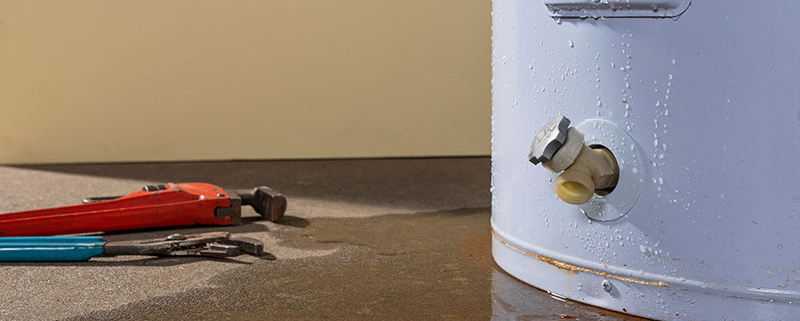
A leaking water heater tank is causing water to pool on the utility room floor.


Signs You Need a Water Heater Maintenance Service

Water heaters often show warning signs before failure.

Watch for inconsistent water temperature, unusual noises, rusty water, reduced hot water supply, or rising energy bills. Moisture around the base of the tank can also indicate internal problems.

If these issues appear, scheduling a water heater maintenance service can prevent more serious damage.

Maintenance and Inspection Schedule

Most manufacturers recommend annual water heater maintenance. This keeps warranties valid and ensures safety components function correctly.

A professional service documents system condition and helps homeowners plan for future repairs or replacement. Routine inspections reduce emergency calls and extend system lifespan.

Testing, Local Guidelines, and Professional Service

Local plumbing codes often require water heaters to meet safety standards related to pressure and temperature control. Professional maintenance ensures compliance and reduces risk.

Certified plumbers understand system requirements and follow manufacturer guidelines. Proper service protects your home, your warranty, and your hot water supply.

Keep Hot Water Reliable Year Round

A water heater maintenance service protects comfort, efficiency, and safety. Regular care keeps your system running smoothly and extends its lifespan.

Treat your water heater like any major appliance. A little attention now prevents cold water surprises later.

 Find out more about our plumbing, heating, and water heater services here.


A technician repairing a residential electric water heater in a utility room.

TL;DR: Why Water Heater Repair Matters

Water heater repair keeps your system working when you lose hot water or notice signs of failure. This guide explains what causes breakdowns, how repair service actually works, and why calling a professional protects your home and energy bills.

You’ll discover:

  • The most common reasons water heaters stop delivering hot water
  • Key components inside electric and gas units and how they fail
  • Simple maintenance steps to extend your heater’s lifespan
  • Why a licensed plumber ensures safe, long-lasting performance
  • How fast service prevents leaks, water damage, and major breakdowns

With proper maintenance and repairs, your water heater runs efficiently, your showers stay warm, and your home stays protected from costly damage.

When hot water stops unexpectedly, daily life gets disrupted fast. A quiet morning routine turns into cold showers and frustration. Water heater repair is designed to prevent that chaos.

It steps in when your tank fails, the pilot light goes out, or the heating elements burn out. Hot water keeps flowing, and your home stays comfortable.

Why Water Heater Repair Matters

The shower turns cold, you check the utility room, and something is clearly wrong. Without quick repair, small issues worsen fast.
A malfunctioning thermostat overheats the tank.
A failed heating element leaves the water ice-cold.
A neglected leak grows until it damages the flooring and drywall.

Timely water heater repair restores heat, stops leaks, and prevents system failure. It also protects you from hazards like gas leaks, electrical shorts, or pressure buildup.

Professional service identifies the root cause fast. Whether it’s a tripped breaker, a worn anode rod, or a bad pilot assembly, repairs keep the unit stable while preventing bigger, more expensive problems.

How Water Heater Repair Works

When a water heater stops heating properly, a licensed technician checks power sources, pressure levels, thermostat settings, and internal components.

Electric units often fail due to burned heating elements or faulty thermostats.
Gas units commonly struggle with pilot-light issues, clogged burners, or failing gas-control valves.

A repair involves diagnosing the problem, replacing worn parts, flushing sediment, or sealing minor leaks.

Most tanks have safety systems that shut the heater down when conditions become unsafe.
After repair, those safety functions are tested to ensure the heater runs efficiently.

Regular testing keeps the heater ready year-round. Every few months, check for leaks, listen for unusual sounds, and verify water temperature stays steady. Small steps like these prevent major failures during peak usage.

Top Benefits of Timely Water Heater Repair

A reliable water heater protects your home’s comfort, efficiency, and safety. Hot water supports cooking, cleaning, laundry, and bathing.

Ignoring issues leads to energy waste, skyrocketing bills, and premature tank failure.

Timely repairs extend the unit’s lifespan, prevent tank bursts, and protect your floors from water damage. Even a small leak can create mold, corrosion, and structural problems.

Fixing issues early is cheaper, safer, and far less stressful than replacing an entire system.

Many homeowners appreciate the peace of mind that comes with a well-maintained water heater—especially during winter.

A leaking water heater tank causing water to pool on the utility room floor.

How to Fix Common Problems With a Water Heater

Each home has different plumbing layouts and heater types. Start by confirming the unit’s power source, capacity, and model type.

Electric heaters generally require element replacement or thermostat adjustment.
Gas heaters may need burner cleaning, pilot assembly repair, or gas valve replacement.

Key steps include:

  • Checking breakers or gas supply
  • Testing the thermostat
  • Flushing sediment buildup
  • Inspecting the pressure relief valve
  • Checking for tank corrosion or leaks

Once repairs are made, test the system by running the hot water for several minutes and verifying the heater maintains temperature.

Professional Help for Water Heater Repair

Most homeowners rely on a licensed plumber for water heater repair. A professional works safely with electricity or gas, checks for hidden issues, and ensures the heater runs efficiently.

They evaluate the tank, venting, wiring, and water pressure to prevent future failures.

If you’re unsure who handles hot water heater repair, a qualified plumbing company inspects your system, recommends the right fix, and completes repairs quickly.

You’ll also get expert advice on maintenance, temperature settings, and part replacements that improve longevity and safety.

Routine Care Keeps Your System Reliable

Once repaired, maintenance is simple.
Flush the tank annually to remove sediment.
Check for leaks monthly.
Verify the pressure relief valve moves freely.

Replace the anode rod every few years to prevent corrosion.

A little care now saves major stress later. When temperatures drop or usage increases, you can relax knowing your water heater is ready.

Trust the Pros to Keep Your Hot Water Running

Water heater repair keeps your home comfortable and protected.
It restores consistent hot water, prevents leaks, and ensures safe operation.

Skilled plumbers repair electric and gas heaters with precision, keeping your system dependable year-round.

Schedule a professional repair for lasting peace of mind and enjoy worry-free hot water every day.
Learn more about our plumbing, heating, and water heater services here.

Qualified technician checking a natural gas boiler

When your water heater works well, it’s easy to forget. But like any appliance, it needs care to stay efficient. Regular water heater servicing prevents breakdowns, extends lifespan, and improves efficiency. Skipping maintenance can mean costly repairs or replacement.

Here’s when you need water heater maintenance and why it matters.

Key Warning Signs You Shouldn’t Ignore

Water heaters rarely fail without warning. They often give subtle signs that something’s wrong. Spotting these early can prevent damage and keep your system reliable.

Low Hot Water Pressure

Have you noticed not enough water pressure when turning shower to hot water or when doing dishes? This can be a sign of sediment buildup in the heater tank. Minerals build up over time, blocking openings and slowing flow.

Sometimes, plumbing issues like partially blocked pipes worsen the problem. Low pressure makes simple tasks frustrating and signals you may need professional servicing. Ignoring it can make the problem worse over time.

Inconsistent or No Hot Water

If your shower swings from cold to scalding, the thermostat or heating element may be failing. Hot water heater not heating properly can disrupt your day. Get it checked before it worsens.

Strange Noises Like Popping Sounds

Do you hear popping or banging sounds from the water heater? These noises often result from sediment buildup. When deposits settle and harden, they trap water underneath. As the water heats, it creates those unsettling popping sounds.

Over time, this extra strain lowers efficiency and increases wear. A water heater popping sound means it’s time for servicing.

Visible Leaks or Corrosion

Finding water pooling near your water heater or noticing rust on the unit is never a good sign. Leaks often indicate worn seals or cracks. Corrosion weakens parts and causes bigger damage.

If left unchecked, these problems may cause flooding or even total system failure. Address leaks or rust quickly to avoid costly repairs or permanent damage to your home.

Reasons to Schedule Regular Water Heater Maintenance

Routine care does more than just fix current issues. It ensures your water heater runs smoothly for years to come. Here’s why regular water heater maintenance makes sense.

Improved Efficiency and Energy Savings

Sediment buildup, loose connections, and worn parts all reduce a heater’s efficiency. Regular servicing addresses these issues and keeps your heater running at peak performance.

A well-maintained system uses less energy, which means lower utility bills. Everyone likes saving money, and a tuned-up water heater makes it happen.

Heating element of an electric water heater with a rusty anode and a tube covered with scale.

Prevent Costly Repairs and Extend the Unit’s Lifespan

Minor issues, when ignored, can turn into major repairs. A small leak today might become a flooded basement next month. Regular check-ups allow technicians to catch problems early. Proper care extends your water heater’s life and delays costly replacement.

Enhanced Safety for Your Home

Your water heater does more than heat water. It handles high temperatures, pressure, and sometimes gas or electricity. Without proper maintenance, it can become dangerous—think burst tanks or gas leaks. Regular service keeps safety features working, giving you peace of mind.

What Happens During Professional Water Heater Servicing

Knowing what’s in water heater maintenance helps you plan. It also reassures you that your heater is in capable hands.

Inspection for Wear and Tear

The first step is a thorough check for signs of rust, leaks, or worn parts. Professionals look for issues like corroded connections or cracks that could cause failure. Inspections reveal your heater’s condition and any urgent issues.

Flushing the Tank to Remove Sediment

Sediment removal is critical for keeping your heater efficient. Technicians will flush the tank to remove mineral buildup. This step restores water pressure, eliminates unwanted noises, and improves heating performance. If there’s not enough water pressure when using hot water, this fix can help.

Testing Key Components

Servicing checks key parts like the thermostat, heating elements, and anode rod. Technicians ensure everything is working properly and replace any components showing excessive wear. Testing these elements helps keep your unit running smoothly and avoids sudden breakdowns.

Ensuring Safety Features Work

Safety features like pressure relief valves and vents prevent hazards. Maintenance ensures they work, protecting your home.

Time for a Water Heater Check? Let’s Get It Done

Don’t wait for a breakdown. Water heaters often get overlooked until they stop working. If it’s been a while since your heater was serviced, now’s the time to act.

Book your water heater service now and avoid the hassle. Learn more about our water heater repair and installation services here.

Tankless gas water heater installed on exterior wall

Choosing a whole house tankless water heater isn’t just about convenience. It gives you reliable hot water while keeping energy costs down.

Unlike traditional tanks, it heats water only when needed, making it more efficient. But to get those benefits, you need the right size. Here’s how to find out.

Why Proper Sizing of a Tankless Water Heater Matters

Choosing the wrong size tankless water heater can cause problems. Too small, and you’ll run out of hot water. Too large, and you’ll waste money on energy costs.

The right size keeps everything running smoothly. Showers, dishwashers, and washing machines all need steady flow.

Capacity is measured in gallons per minute (GPM), showing how much water a unit can heat at once. Understanding tankless water heater capacity helps you choose wisely.

Determining Your Household Hot Water Demand

Your hot water needs depend on how many fixtures run at once. If multiple showers, a dishwasher, or a washing machine operate together, you’ll need a higher-capacity unit. Calculating the right flow rate ensures your system can keep up. Here’s how to figure it out.

Understanding Flow Rate

Flow rate is the measure of how much water flows through a fixture or appliance per minute, and it’s expressed in GPM. For example:

  • Shower: 2.5 GPM
  • Dishwasher: 1.5 GPM
  • Kitchen Faucet: 1 GPM
  • Washing Machine: 2 GPM

Add these together for fixtures likely to be used at the same time. If you regularly run the dishwasher while taking a shower, you’ll need a heater that handles at least 4 GPM.

Estimating Simultaneous Usage

Think about your household habits. Do two showers happen at once? Is someone washing dishes while another person runs a laundry load? For example:

  • Two simultaneous showers: 5 GPM
  • One shower and a dishwasher: 4 GPM

For most households, a unit with 6-7 GPM should cover a few simultaneous uses. Larger homes with more bathrooms may need a bigger system. This is especially true if multiple showers run at once.

Accounting for Temperature Rise

Temperature rise is the difference between the water coming in and the heat you need. Cold groundwater in winter can impact performance. Regional temperature changes can also make a difference.

How to Measure Temperature Rise

Start by checking your local groundwater temperature. In warm areas, water comes in around 60°F.

In colder places, it’s closer to 40°F.

To find the temperature rise, subtract this from your ideal shower temperature. For example:

  • Desired output: 110°F
  • Groundwater: 50°F
  • Temperature rise: 60°F

A bigger temperature rise needs more heating power. Knowing this helps you choose the right heater.

Impact of Regional Differences

Your geographic location plays a key role in sizing. Colder climates need more powerful heaters. Warmer regions require less heating power. In a cold region, even a high-capacity tankless water heater may need to work harder to meet demand.

Selecting the Right Type of Tankless Water Heater

After finding your hot water needs and temperature rise, choose gas or electric. The best option depends on your home and budget.

Gas vs. Electric Tankless Water Heaters

Gas tankless water heaters have a higher GPM. They also handle big temperature rises better than electric models. They’re ideal for large families or homes with high water demands. However, they require proper venting and professional installation, which can increase upfront costs.

Electric tankless water heaters, on the other hand, are compact and easier to install. They’re a great fit for smaller homes or point-of-use applications, like under a sink. On demand electric water heaters costs less but may not provide enough GPM for a whole home.

Cost Considerations

Tankless water heater prices vary by type and size. Electric models cost up to $800 on average, while gas units range from $230–$2,300. Installation adds to the expense, especially for gas systems. Upfront costs are higher, but long-term energy savings make them worth it.

Final Tips for Choosing Your Tankless Water Heater

Before buying, consult a plumber to confirm flow rates, temperature rise, and installation needs. This ensures you choose the right system. Check warranties and consider long-term maintenance to avoid costly mistakes.

Choosing the right tankless water heater starts with proper sizing. Calculate your hot water needs and factor in temperature rise. Understand gas vs. electric models. Take time to evaluate your options and seek expert advice if needed.

The right system guarantees reliable hot water, energy savings, and long-term peace of mind. Learn more about our tankless water heater installation & repair services today.

Close up of a leaking water heater on floor of residential property

Have you noticed a leak from your water heater? If so, it’s crucial to address the problem early. Otherwise, you risk water damage to your home – even if it’s only a small leak right now.

But in the meantime, is a leaking water heater dangerous? And can you still use your hot water? Our plumbing specialists answer these questions and more below.

Causes of Leaking Hot Water Heaters

Water heater tank and pipe leaks have many have causes. However, the most common reasons for a leaky heater are:

  • Tank corrosion
  • Old or faulty pipe connections
  • Temperature and pressure relief valve malfunction
  • Sediment buildup
  • Water pressure problems
  • Natural wear and tear

Only a plumbing expert can correctly – and quickly – identify the root cause of a leaking water heater. We don’t advise trying to fix something like this alone at home!

Is a Leaking Water Heater an Emergency?

In most cases, leaking water heaters require urgent attention. However, thankfully, they might not be an emergency.

Whether or not your leak is an emergency depends on the cause and location of the leak. It also depends on how much water is leaking and where it’s flowing to. When you call us, we can advise whether it’s an emergency and what steps to take before we arrive on site.

Can a leaking heater be dangerous? Even if it’s not technically an emergency, a leaking heater could still cause water damage, scalding, or flooding. And if it is an emergency, there’s a risk of a gas leak. That’s why it’s crucial to call us for an evaluation the moment you spot a leak.

Can a Leaking Water Heater Be Repaired?

Whether you can repair the heater depends on various factors, including:

  • The scale of the water heater damage
  • Location of the leak
  • Water heater age

For example, if your heater is leaking from the top, it could be repairable. But if there’s a leak in the tank itself, a replacement may be the only option.

Can I Still Use a Leaking Water Heater?

If it’s a small or minor leak, you might still use your water heater temporarily until help arrives. But we do not recommend continuing to use a leaking water heater. The moment you identify a leak, call Fox Valley Plumbing for advice.

What to Do if Your Hot Water Heater Is Leaking

Avoiding Leaking Water Heaters

Each year in the US, nearly 1 in 60 US homeowners make property damage claims for water damage. Leaking water heaters are a common cause, so here’s how to avoid leaks occurring in the first place.

  • Monitor water pressure regularly.
  • Clunking, hissing, and other strange heater sounds should be investigated promptly.
  • Drain and flush the tank at frequent intervals to avoid sediment buildup.
  • Have your heater serviced at least annually.

Here’s another interesting fact: you could save around 10% on your water bills if you take steps to prevent home water leaks. Don’t overlook the importance of regular maintenance and inspection!

Get a Quote for Leaky Water Heater Repairs Now

Plumbing problems are never convenient. But when they occur, you should address the problem sooner rather than later. And at Fox Valley Plumbing, we know that water leaks can’t wait. We’re standing by, waiting to help when you need us.

Contact us now to schedule a visit to inspect a leaking hot water heater. You can reach us 24/7 in emergency situations.

Graphic of a new hot water heater tank fitted and installed against gray background

Your water heater should be durable enough to last many years. However, even high-quality water heaters break down eventually. But how long does a hot water heater last, and how can you maximize its lifespan? Let’s take a look.

How Long Should a Water Heater Last?

How long does a gas water heater last? According to Keep Warm Illinois, the average hot water tank lasts around 12 years. While this is impressive, it does mean you’ll probably need to replace your water heater every decade or so.

Why do water heaters fail? It’s typically due to rust and corrosion. Even if you replace the components regularly, the tank will eventually rust through.

How Long Does a Tankless Water Heater Last?

A tankless water heater can last slightly longer – anywhere from 10 to 20 years. With good maintenance, you can extend this as long as possible. We’ll cover maintenance tips below.

Signs of a Failing Water Heater

How do you know if your heater needs replacing? Look out for these tell-tale signs of a failing water heater or component parts.

  • Low water pressure
  • Discolored water
  • Insufficient hot water
  • Frequent strange noises e.g. hissing, banging
  • Leaks around the tank

The good news is that these signs don’t always mean the whole heater needs replacing! Often, we can replace or repair a component without changing the whole tank.

The sooner you identify water heater failure, the easier it is to fix the problem. So, if you spot any of these signs, contact Fox Valley Backflow & Plumbing for water heater repair.

Tips to Prolong Your Water Heater’s Lifespan

Although your tank will need replacing eventually, there are various ways you can extend its lifespan. Here’s how to improve your tank’s life expectancy.

  • Flush and drain the tank at least once a year. This removes sediment buildup and helps to protect the components.
  • Replace your anode rod every few years. This rod helps to prevent corrosion within the tank.
  • Inspect the tank regularly. If you have any concerns, schedule a visit from our plumbing team.
  • Consider an expansion tank. Expansion tanks help to ease some of the pressure on the main tank. This could prolong the life of your water heater.
  • Buy water softener. Using a water softener can help reduce mineral deposit buildup within the tank.

It’s crucial that you perform routine maintenance on your water heater. And if you spot any signs of leaking or corrosion, call our team so we can remedy the problem before they become urgent.

Remember, malfunctioning water heaters can lead to property damage and flooding – and expensive emergency repairs!

Replace or Repair Your Water Heater in Elgin, IL

Do you need a water heater repair or replacement? Fox Valley Backflow & Plumbing can assist. Our experienced plumbers can service, repair, or replace your water heater with minimal fuss. And we’ll work around your schedule – after all, we’re here to help!

Contact us now to discuss a water heater repair or replacement in Illinois.

Plumber crouching to drain a hot water heater in property

Let’s be honest: do you take your hot water supply for granted? Don’t worry if the answer’s yes – we all do!

To keep your home water supply running smoothly, though, you’ll need to drain the water heater tank regularly. And if you’re feeling confident, it’s something you can attempt to do yourself. So, here’s how to go about draining the tank, and when to call a plumber.

Do You Need to Drain a Water Heater?

Yes. Over time, sediment builds in the water tank. This build-up causes corrosion, and it could shorten your tank’s lifespan. It could also cause leaks, clogs, and eventually lead to no hot water.

How Often Should You Drain a Water Heater?

The general consensus is that water heaters should be drained at least once a year. However, if you’re in an area with “hard” water, consider draining the tank every six months.

How Long Does it Take to Drain a Water Heater?

Want to know how to drain a hot water heater quickly? The good news is that the process is quick! The whole job can be completed in under 60 minutes.

How to Drain Your Water Heater

Are you ready to drain your water heater? Here’s what to do.

  • Shut off the power and water supply. Otherwise, you risk flooding and damaging heating elements. Check your owner’s manual(s) for instructions for how to do this.
  • Attach a garden hose to the drain valve: Any sturdy garden hose will do. Run the other end to a floor drain or outside. Make sure the hose stays lower than the drain valve so water runs in the right direction.
  • Run a hot water tap: To ensure your system flushes completely (and quickly), it’s good to release some pressure first. Run a hot water tap near your heater, or a tap on the upper floor of your home.
  • Open the drain valve: With the hose attached, open the drain valve to start draining.
  • Flush out remaining sediment: Once the tank is empty, flush out remaining sediment by turning the cold water on. Once the water runs clear, turn the cold water off for now.
  • Close your drain valve: Remove the hose and close the drain valve again.
  • Turn the water back on and fill the tank. Wait until the tank is full before turning the power back on. You will soon have hot water again!

How to Drain a Water Heater: Safety Tips

Keep you and your family safe when there’s water flowing, follow these four safety tips.

  1. The tank water could be very hot. Let the water cool down before you drain it! You can run your hot water taps to speed up this process.
  2. Consider wearing goggles and gloves for extra heat protection.
  3. Make sure you use either a floor drain or bucket when draining the water. Or, let the water flow outside from the hose. Insufficient space for draining can cause flooding.
  4. Always check for leaks after completing the water heater drainage. Make sure everything is securely turned back off. Even a small leak can cause flooding eventually!

When to Call a Plumber

Just because you can drain a gas water heater by yourself doesn’t mean you should! If you’re not comfortable draining your own water heater tank, don’t attempt it. Instead, simply call Fox Valley Backflow & Plumbing.

We’ll drain your water heater quickly and perform any other residential plumbing services you require. No job is too small for our team!

Call now at (847) 624-3872 to schedule a home visit for water heater drainage.

Your water heater is a crucial appliance in your home, providing you with warm water for bathing, cooking, and cleaning. However, like all appliances, water heaters have a limited lifespan and can develop problems over time. Recognizing the signs of a failing water heater can help you avoid unexpected cold showers and potential water damage. Here are six common signs that indicate your water heater may be on the verge of failing.

  1. Age of the Water Heater

The age of your water heater is a significant factor in determining its potential for failure. Most conventional water heaters have a lifespan of about 8 to 12 years. If your water heater is approaching or has exceeded this age range, it’s wise to start considering a replacement. Aging water heaters are more likely to develop issues such as leaks, corrosion, or a decline in heating efficiency.

  1. Rusty or Discolored Water

If you notice rusty or discolored water coming from your taps, it’s a clear indication that your water heater might be deteriorating from the inside. Over time, sediment and rust can accumulate at the bottom of the tank, causing the water to appear brown or rusty. This can also result in a metallic taste or unpleasant odor. Regular maintenance and flushing of the tank can help prevent this issue, but if you still encounter discolored water, it’s a sign that your water heater could be failing soon.

LOOKING FOR INSTALL OR REPAIR A WATER HEATER IN ILLINOIS?

CALL (847) 624-3872

  1. Strange Noises

Unusual noises emanating from your water heater can be a red flag for impending failure. As sediment and minerals build up inside the tank, they harden and cause popping, rumbling, or banging sounds during the heating process. These noises indicate that your water heater is working harder than it should to heat the water, possibly due to the accumulation of deposits. If left unaddressed, this can lead to reduced efficiency and eventually a complete breakdown of the system.

  1. Leaking or Moisture Around the Heater

Visible water leaks or signs of moisture around the base of your water heater are clear indicators of a problem. Over time, the tank can develop cracks or fissures, leading to leaks. A leaking water heater can cause water damage to the surrounding area and weaken the structural integrity of the unit. Ignoring a leak can result in extensive damage to your property and could necessitate an emergency replacement. If you notice any signs of leakage, it’s essential to address the issue promptly.

  1. Inconsistent Water Temperature

If you experience fluctuating water temperatures or find that your water is not heating up as effectively as it used to, your water heater might be on the brink of failure. The heating element or thermostat within the water heater may be malfunctioning, resulting in inconsistent or insufficient heating. In such cases, a professional inspection and potential replacement of the heating elements or thermostat may be necessary.

  1. Frequent Repairs

If you find yourself frequently calling for repairs on your water heater, it could be a strong indication that the unit is approaching the end of its lifespan. As water heaters age, they become more prone to breakdowns and malfunctions. Constant repairs can be costly and inconvenient. Assess the frequency and cost of repairs and weigh it against the cost of a new, more efficient water heater.

Keeping an eye out for these signs can help you catch water heater issues early, preventing potential damage and ensuring that you have a reliable supply of hot water. Regular maintenance and timely replacement when needed will not only save you from unexpected cold showers but also increase the energy efficiency of your home, ultimately saving you money in the long run. If you suspect any problems with your water heater, consult a professional to assess the situation and recommend the best course of action.

LOOKING FOR INSTALL OR REPAIR A WATER HEATER IN ILLINOIS?

CALL (847) 624-3872

Any home would experience great inconvenience from a broken water heater. The majority of families use hot water daily for showers, hand cleaning, and dishwashing, not to mention the sporadic loads of laundry or other water-related chores. It can be shocking to just receive icy cold water from your pipes because it isn’t something that is frequently used straight from the faucet. You need quick fixes when your hot water heater is malfunctioning or nearing the end of its useful life to avoid being left without hot water for days or even weeks.

An electrical problem with a water heater can occur occasionally, but it can also be brought on by other factors. The most frequent problems that a water heater may encounter are discussed below, along with whether it is necessary to repair or replace your hot water heater at this time.

Problem 1: Water Quickly Turns Cold

You might notice a problem straight quickly, such as a shortage of hot water. When you try to wash dishes, the water never gets hot enough. Or, when you wash your hands in the sink, you get a cold.

Problem 2: Loud Noises from the Heater

If you notice strange or loud noises coming from your tank, this could indicate an issue that requires action sooner rather than later. Knocking, clanging, or rumbling noises may mean that there is sediment accumulating at the bottom of your unit, making it difficult for the hot water heater to efficiently run.

Problem 3: Water is leaking from the Unit

A water tank’s contents are expected to remain there. If water is collecting around the tank or the pipes going to the tank, there is unquestionably a problem that has to be fixed right away. Normally, leaks don’t stop on their own. They can also result in considerable property damage if neglected. You could have to deal with invasive mold in addition to dealing with wet walls, rugs, furniture, and other possessions. A hot water tank leak should be fixed as quickly as possible.

Problem 4: Rust is Forming On and Inside the Unit

Rust is a blatant indicator of corrosion and may be a clue that a leak is about to occur. Rust formation on the inside of the tank is frequently indicated by the presence of rust on the exterior of your appliance near the water inlet. Since there is no permanent solution for rust, you will probably need to replace your unit soon or risk significant water damage from a leak.

LOOKING FOR INSTALL OR REPAIR A WATER HEATER IN  ILLINOIS?

CALL (847) 624-3872

When to Repair Vs Replace Your Hot Water Heater

Most of the time, homeowners want to attempt repairs before completely replacing their hot water heaters. A brand-new hot water heater might cost you a huge amount, not counting installation. Therefore, it often makes sense to pursue repair rather than replacement. However, this might not always be possible depending on the issue. Before choosing to fix or replace your hot water heater, you may want to take into account the following aspects.

Age of the Hot Water Heater

Hot water heaters typically run on gas or electricity for 8 to 12 years before they need to be replaced. If maintained properly, tankless and solar hot water heaters can last up to 20 years.

You might want to consider the age of your hot water heater when determining whether to repair it or replace it. Ones that are towards the end of their regular lifespan might not be worth repairing because issues will probably recur as it is utilized more. It can be more cost-effective to replace it and have the piece of mind that comes with a new unit rather than spending money on pricey repairs.

However, if your unit is under five years old, a repair can be less expensive than a complete replacement. This old of a unit may still be covered by warranty, so depending on the problem, a repair may be free. To maintain the warranty advantages, keep in mind that most manufacturers demand routine maintenance inspections from a qualified expert. Most manufacturers should be satisfied with an annual maintenance check, but to be sure, you may want to double-check the documentation or business policies for your specific model.

The Issue at Hand

Not all problems with your hot water heater will set you back a lot of money. In reality, some can be resolved for relatively little money. For instance, damaged heating elements, pressure relief valves, thermostats, and other minor components are simply replaceable and do not require the tank to be thrown out.

You should probably replace your device if there is rust, damage, or leaks. If you are still unsure of how to handle the problem, a professional should be able to provide you a price on the projected cost of repair versus replacement.

Your Plan to Stay in Your Home

Repair may be preferable than replacement if it can keep the hot water heater in operation for at least a few more years and you are about to move. However, if you intend to stay in your house for a long time, you should compare the expenses of replacement with those of short-term repairs.

It may be less expensive in the long run to replace your water heater if your unit is approaching the 10-year mark and you know you will eventually need to do so. Additionally, you won’t have to worry about an outdated unit leaking heavily and severely damaging your house and possessions.

If a replacement is necessary for your water heater, a professional can assess your home, what it is already wired for, and present you with options to satisfy the needs of your household and budget.

LOOKING FOR INSTALL OR REPAIR A WATER HEATER IN  ILLINOIS?

CALL (847) 624-3872