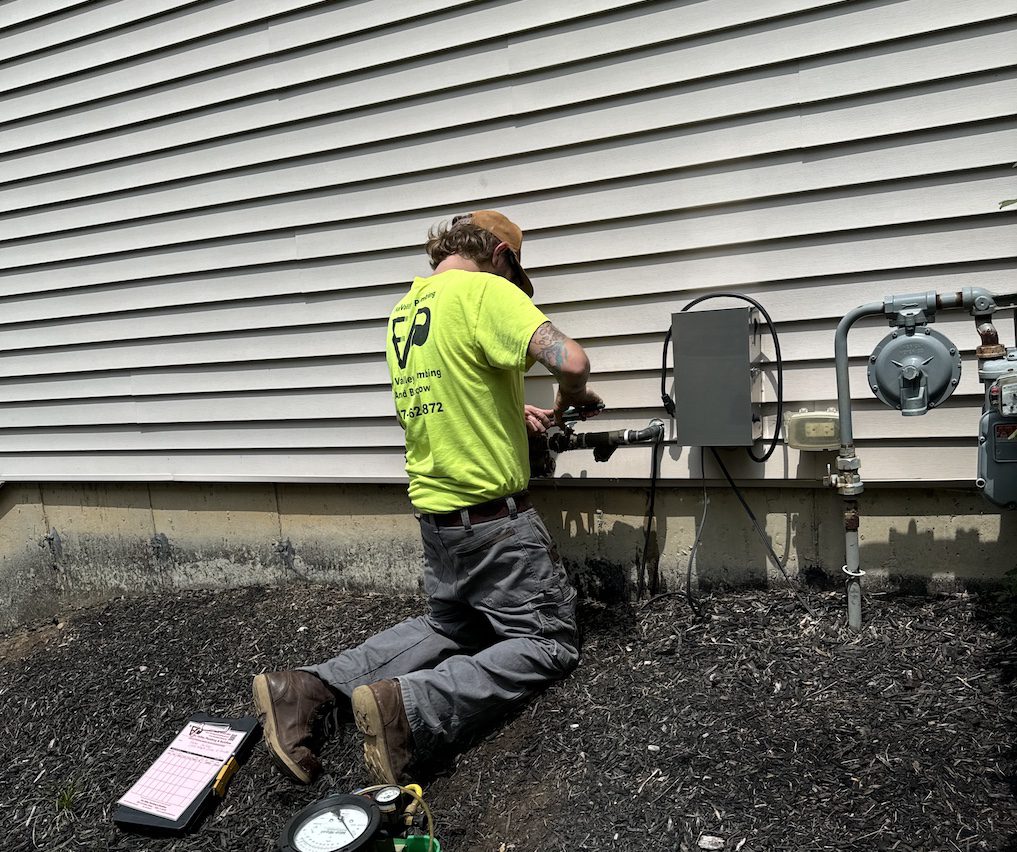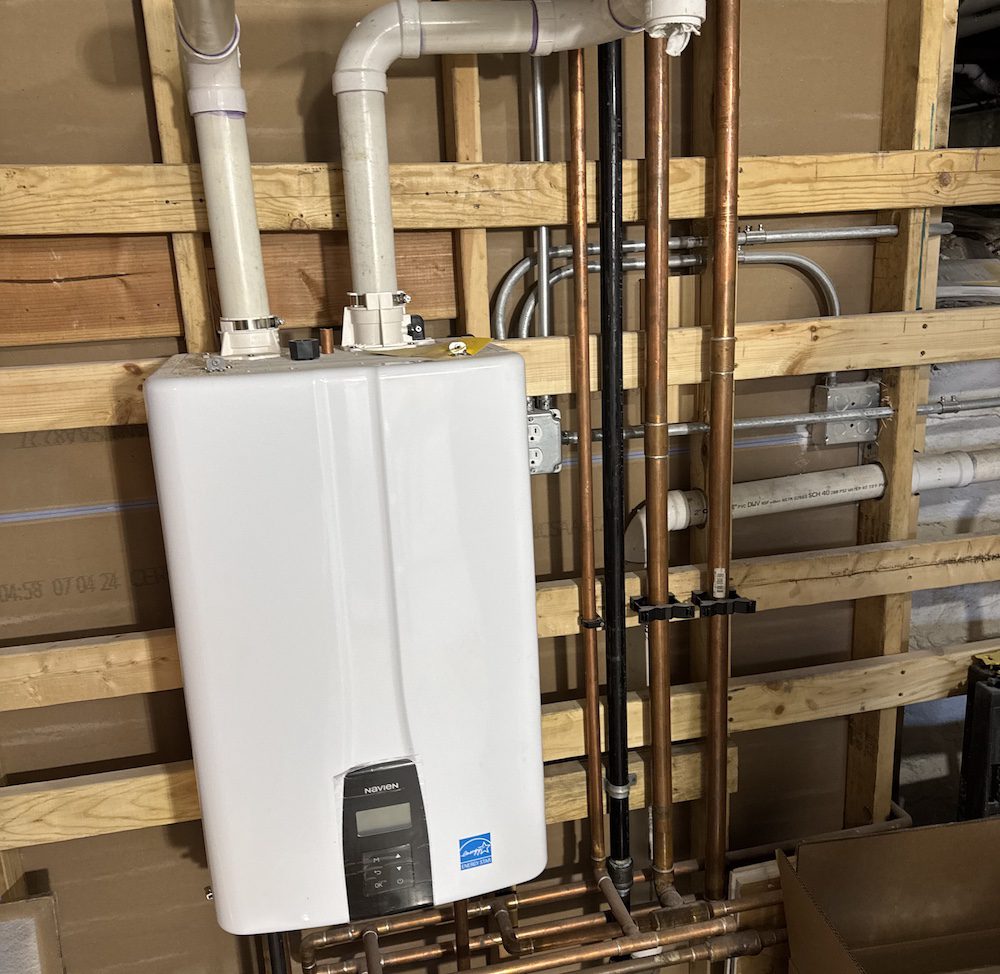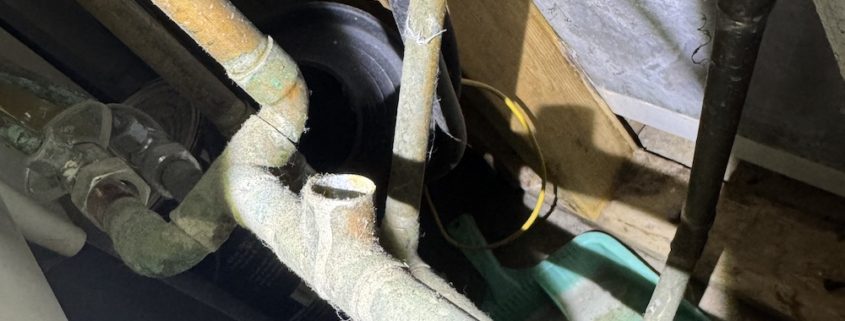
Fox Valley Plumbing licensed technician reviewing plumbing estimate with Elgin homeowner

When something goes wrong with your plumbing — a burst pipe, a failing water heater, a drain that refuses to budge — the first instinct is to call whoever can get there fastest. But in Elgin, IL, who you call matters just as much as how soon they arrive. Hiring a licensed plumber in Elgin IL, isn’t just a formality. It’s how you protect your home, your finances, and your family from problems that can follow you for years.

This guide breaks down exactly why licensure matters, what risks come with hiring unlicensed workers, and how to verify credentials before anyone touches your pipes.

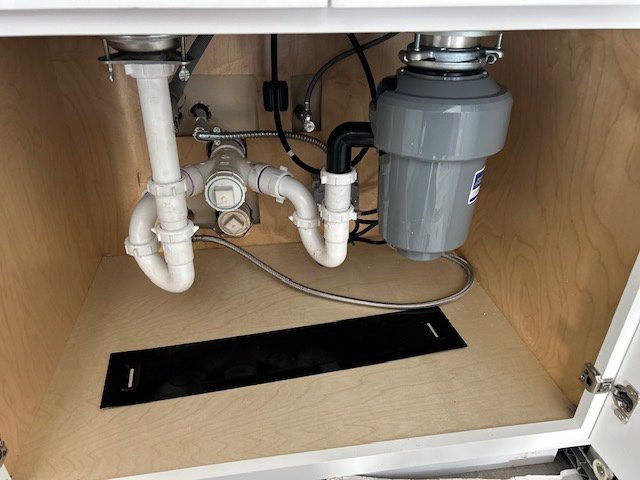
Licensed plumber Elgin IL inspecting under-sink plumbing during a residential service call

What Does It Mean to Be a Licensed Plumber in Illinois?

Illinois requires plumbers to pass a state licensing exam administered by the Illinois Department of Public Health (IDPH). To even sit for that exam, candidates must complete years of apprenticeship training under a licensed master plumber. After passing, they maintain their license through continuing education and periodic renewal.

There are two main license tiers you’ll encounter for residential work in Elgin:

  • Licensed Plumber (Journeyman) — qualified to perform most residential plumbing work independently
  • Master Plumber — the highest license tier, required to pull permits and supervise others on a job site

When you hire a certified plumbing contractor in Elgin, you’re hiring someone who has documented, tested competence — not just someone with a wrench and a pickup truck. That credential represents thousands of hours of hands-on training and a legal accountability standard that protects you.

The Real Risks of Hiring an Unlicensed Plumber

The licensed vs unlicensed plumber debate isn’t theoretical. Unlicensed work creates real, lasting consequences for homeowners in Elgin and across Kane County.

Code Violations That Come Back to Bite You

Plumbing in Illinois must meet the Illinois Plumbing Code, based on the International Plumbing Code (IPC). Licensed plumbers know these standards inside and out. Unlicensed workers often don’t — and the result is work that looks fine today but fails an inspection when you sell.

If a buyer’s inspector finds code violations from unpermitted plumbing work, you may be required to tear out and redo the job entirely at your own expense. That’s paying for the same work twice, plus delays on your closing.

You Could Void Your Homeowner’s Insurance

Most homeowner’s insurance policies include language requiring that repairs and improvements be completed by licensed professionals. If a pipe installed by an unlicensed contractor fails and causes water damage, your claim can be denied outright. Insurance companies do investigate, and they will ask whether permits were pulled and who performed the work.

No Liability Protection for You

Licensed plumbers carry liability insurance and workers’ compensation. If a licensed plumber damages your flooring or gets injured on your property, their insurance covers it. An unlicensed worker? You’re likely on the hook for both property damage and any medical costs from a job-site injury.


Fox Valley Plumbing & Backflow

Elgin Plumbing Permits: What You Need to Know

Pulling an Elgin plumbing permit isn’t bureaucratic red tape — it’s a protection mechanism for you as the homeowner. The City of Elgin Building and Development Services requires permits for most plumbing work beyond basic repairs, including new installations, water heater replacements, sewer line work, and bathroom additions.

Only a licensed master plumber can legally pull a permit in Illinois. So if a contractor tells you they can skip the permit to “keep things simple,” that’s a red flag. The real reason is almost always that they can’t pull one.

When permits are properly pulled and inspections passed, you get:

  • A documented record that the work was done to code
  • Protection during home sale or refinancing appraisals
  • A valid warranty path if something fails after the job is complete
  • Legal standing if the work needs to be redone under warranty

How to Verify a Plumber’s License in Illinois

Don’t just take a contractor’s word for it. Illinois makes it easy to check. Here’s how:

  1. Visit the Illinois Department of Public Health license lookup portal.
  2. Search by the plumber’s name or license number.
  3. Confirm the license is active and not expired or suspended.
  4. Ask for proof of liability insurance and workers’ comp — then verify with the insurer directly.

You can also contact the City of Elgin Building Department if you have questions about whether your specific project requires a permit before work begins.

What a Certified Plumbing Contractor Should Provide

Before any work begins, your certified plumbing contractor should hand you:

  • A written estimate that itemizes labor and materials separately
  • Proof of active licensure — a license number you can verify yourself
  • Certificate of liability insurance and workers’ compensation coverage
  • A clear timeline and defined scope of work
  • Confirmation of whether a permit is required and who will pull it

If any of these are missing — or the contractor pushes back when you ask — that’s your cue to keep looking.

Licensed Plumbing Pays for Itself

There’s a version of this story that happens every year in Elgin: a homeowner saves a little money hiring someone off a neighborhood app, and six months later, they’re writing a $4,000 check for water damage their insurance won’t cover because a licensed professional didn’t do the work. It’s more common than most people realize.

A licensed plumber costs more upfront for a simple reason: they bring the knowledge, liability coverage, and legal accountability that protect you long after they leave. That’s not overhead. That’s a value you can count on.

Fox Valley Plumbing & Backflow serves Elgin and surrounding communities with fully licensed, insured plumbing professionals. Every job is performed according to the Illinois code, with permits pulled when required. Learn more about our residential plumbing services, or explore what else we cover below.

Frequently Asked Questions

Is it illegal to hire an unlicensed plumber in Illinois?

Hiring an unlicensed plumber isn’t technically illegal for the homeowner, but it creates serious financial and legal exposure. The contractor may be violating state law, and you could face voided insurance coverage, code violations, and costly redo work when you go to sell your home.

Do I need a permit for minor plumbing repairs in Elgin?

Minor repairs like replacing a faucet or fixing a leaky P-trap typically don’t require permits. Work involving water heater replacement, drain-waste-vent modifications, new fixture installations, or sewer line work generally does. When in doubt, call the City of Elgin Building Department before work begins.

How can I verify a plumber’s license in Illinois?

Use the IDPH license lookup tool to search by name or license number. It takes less than two minutes and shows the current status, license type, and expiration date.

Will my homeowner’s insurance cover plumbing damage from unlicensed work?

Most homeowner’s policies contain clauses requiring work to be completed by licensed professionals. If a claim arises from unlicensed work, the insurer may deny it entirely. Review your policy and contact your agent before assuming you’re covered.

What’s the difference between a journeyman and a master plumber?

A journeyman plumber is licensed to perform most residential work independently. A master plumber holds a higher-tier license, allowing them to pull permits, supervise other plumbers, and operate a plumbing contracting business in Illinois. For residential work in Elgin, the company overseeing your job should have a master plumber on staff.

Don’t gamble with your home’s plumbing. Fox Valley Plumbing & Backflow provides licensed, insured, and permit-ready professionals for every job in Elgin and Kane County.

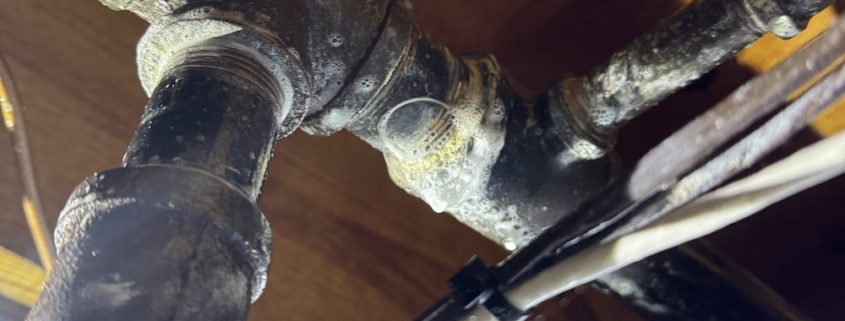
burst pipe leaking water in a Schaumburg Illinois home

Discovering a busted or leaking pipe in your Schaumburg home is one of those moments that stops you cold. Water is spreading, the clock is ticking, and most homeowners have no idea where to start. You’re not alone — and the good news is that acting fast and knowing the right steps can save you thousands of dollars in water damage.

Whether it’s the dead of a Chicago-area winter or a warm summer afternoon, leaking pipes in Schaumburg, IL are a plumbing emergency that demands immediate, professional attention.

Suffering from a broken or leaking pipe right now? Call (847) 624-3872 for 24/7 emergency plumbing service in Schaumburg, Illinois.

Warning Signs of Busted or Leaking Pipes in Your Schaumburg Home

The earlier you catch the warning signs, the less damage you’ll face. Schaumburg homeowners should watch for these key indicators of a broken water line or leaking pipe.

1. Visible Water Seeping Through Walls or Foundation

Water appearing along your foundation wall, basement floor, or interior walls is one of the most obvious red flags. Unexplained moisture, wet spots, or pooling water anywhere on your property means it’s time to call a licensed Schaumburg plumber right away.

2. Hissing or Rumbling Sounds Near Your Water Main

A hissing or rumbling sound near the point where your main water line enters your home is a strong signal that water is escaping the pipe somewhere between the street and your house — often most noticeable when water is actively in use.

3. Sudden Drop in Water Pressure

A dramatic, unexplained loss of water pressure — especially after an overnight hard freeze — is one of the most common signs of a busted pipe. It always warrants a professional inspection.

4. Unusually High Water Bills

If your monthly bill has spiked without explanation, a hidden leak in your pipeline could be wasting hundreds of gallons. According to the EPA, household leaks waste nearly 1 trillion gallons of water annually across the U.S.

5. Discolored or Rusty Water

Brown or rusty water from your taps may indicate pipe corrosion or a crack allowing soil into the line — both signs that repair or replacement may be needed.

Think you have a broken water line in Schaumburg? Call (847) 624-3872 to schedule a same-day inspection.

What to Do Immediately When You Have a Leaking Pipe in Schaumburg

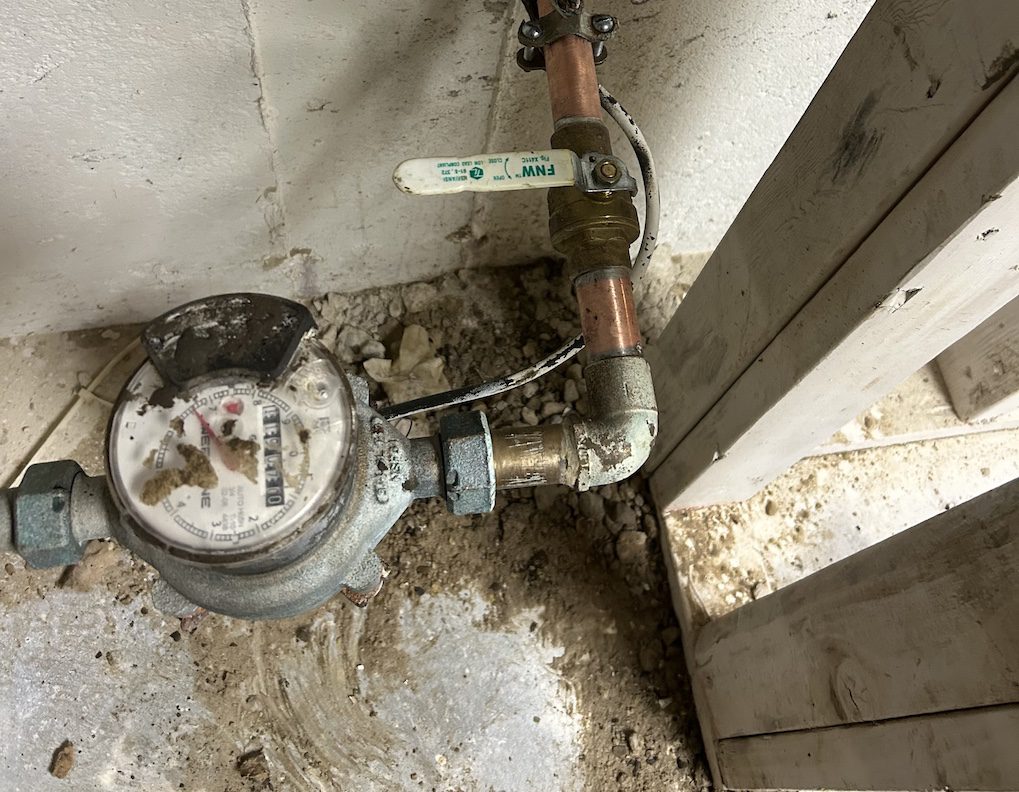
Schaumburg homeowner shutting off main water valve to stop pipe leak

Step 1: Shut Off Your Main Water Supply

Locate your home’s main shutoff valve and turn it off immediately. In most Schaumburg homes, this valve is near the water meter in the basement or utility room. This single step can prevent thousands of dollars in additional water damage.

Step 2: Turn Off Your Water Heater

If a pipe near your water heater has burst, shutting it off protects it from running dry or overheating.

Step 3: Document Everything

Photograph and video the damage before any cleanup. This documentation is critical for your homeowner’s insurance claim.

Step 4: Call a Licensed Plumber in Schaumburg

This is not a DIY situation. Plumbing tape can temporarily slow a drip, but busted or leaking pipes in Schaumburg, IL, require a professional diagnosis and a lasting fix — especially when the source of the leak is hidden inside a wall or underground.

How Leaking Pipe Repair Works in Schaumburg, Illinois

Diagnosing the Source of the Leak

A professional plumber will evaluate the age of your pipes, what material they’re made from (copper, galvanized steel, PEX, etc.), and whether any sections have been previously repaired. All of this determines whether a targeted repair or full replacement is the right call.

Repair vs. Replacement: What Schaumburg Homeowners Should Know

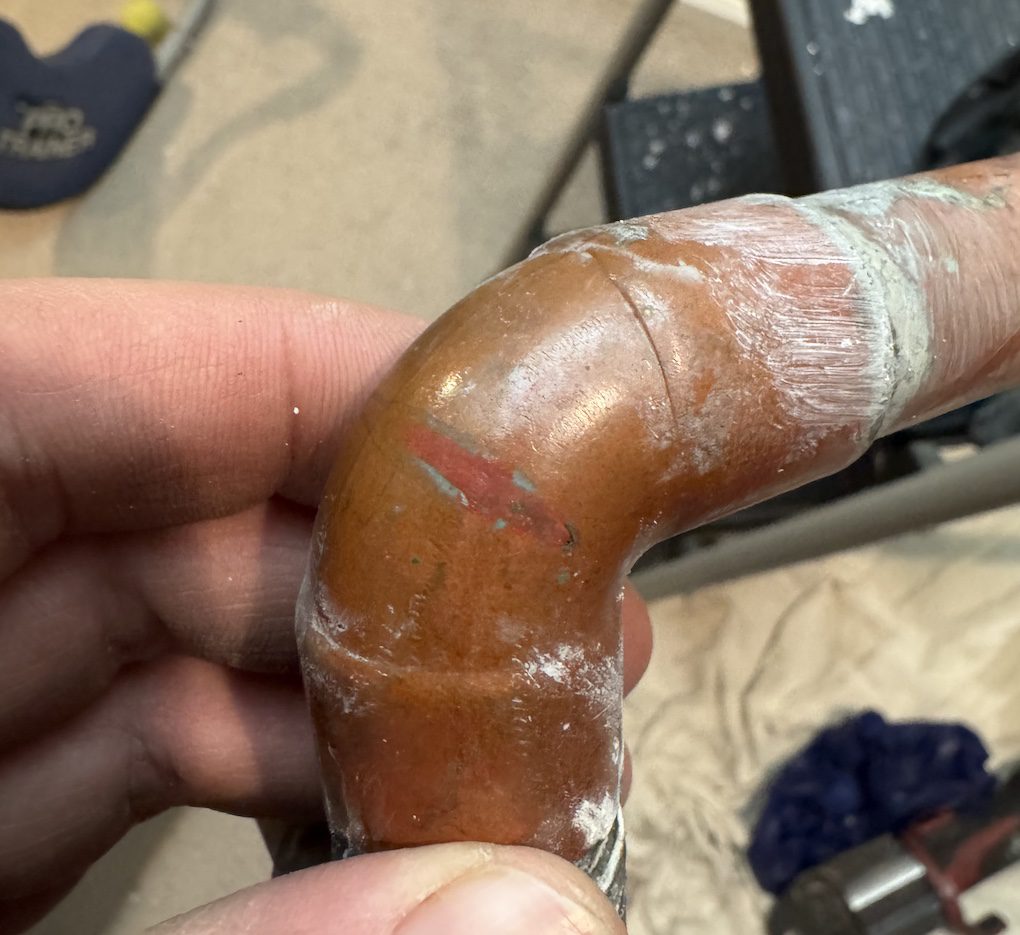
icensed plumber repairing a leaking pipe under a sink in a Schaumburg IL home

Not every leak requires full replacement — but some do. Here’s a simple breakdown:

Repair is typically best when: the damage is isolated, the pipe is relatively new, and no prior repairs have been made to that section.

Replacement is often the smarter investment when: pipes are 20+ years old, have been patched before, are made from outdated materials like galvanized steel, or when multiple sections are showing wear.

A cheap patch on an aging water line might save money today — but it can fail again, costing you even more next time. Your Schaumburg plumber will give you an honest recommendation based on what they find.

Winter Pipe Bursts: A Special Concern for Schaumburg Homeowners

Schaumburg winters are hard on plumbing. Pipes in uninsulated exterior walls, crawl spaces, and garages are especially vulnerable to freezing and bursting. If a freeze caused your pipe to burst, ask your plumber about pipe insulation and freeze protection to stop it from happening next winter.

Why Schaumburg Homeowners Call Us for Emergency Pipe Repair

When you have a plumbing emergency, you need someone who knows Schaumburg — the local building codes, the older neighborhoods, and how brutal Illinois winters punish your plumbing. A local, licensed plumber responds faster and delivers personalized service that out-of-town contractors can’t match. Always verify your plumber is licensed with the Illinois Department of Financial and Professional Regulation before hiring.

Call (847) 624-3872 now — we’re available 24/7 for emergency leaking pipe repair in Schaumburg, Illinois.

Frequently Asked Questions About Leaking Pipes in Schaumburg, IL

How much does pipe leak repair cost in Schaumburg? Costs depend on the leak’s location, pipe material, and damage extent. Minor repairs may run a few hundred dollars; water main replacement can be more. Call (847) 624-3872 for a free estimate.

Can I fix a leaking pipe myself? Temporary fixes can slow a small drip, but they’re not permanent. For any significant leak or burst pipe, always call a licensed plumber to ensure the repair meets code and holds long-term.

How quickly should I respond to a burst pipe? Immediately. Mold can begin growing within 24–48 hours of water damage. Shut off your water main and call a plumber right away.

Fox Valley Plumbing & Backflow service vans parked at business location in Algonquin Illinois showing licensed plumber company fleet

When you’re facing a plumbing emergency in Algonquin, Illinois, finding a qualified, trustworthy plumber quickly becomes your top priority. Fox Valley Plumbing & Backflow Plumbing Services is a full-service, licensed plumbing company serving Elgin, Algonquin, and throughout Kane County. Our certified professional plumbers are available 24/7 for emergency plumbing service, ensuring you’re never left dealing with burst pipes, water heater failures, or sewer backups alone.

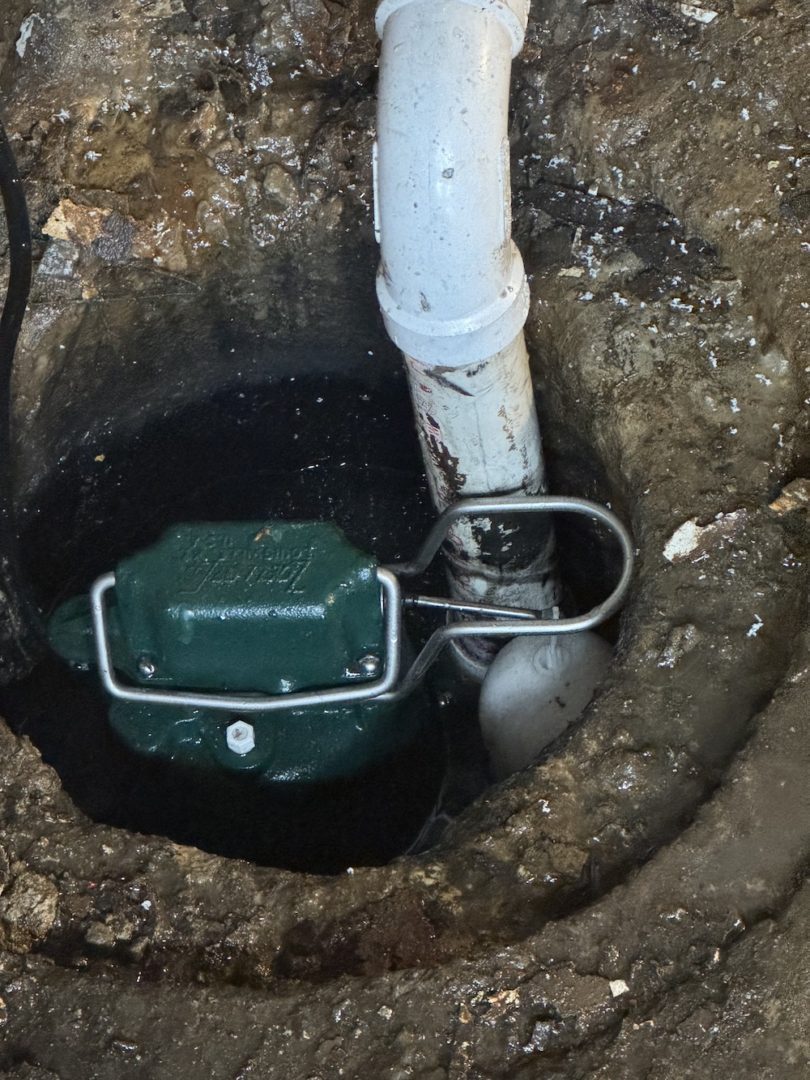
We proudly carry industry-leading plumbing brands including Zoeller sump pumps, Bradford White water heaters, Navien tankless systems, and many other premium manufacturers. Whether you need plumbing installation, emergency repairs, bathroom and kitchen remodeling, or commercial and industrial plumbing services, our experienced team delivers exceptional results.

Call us today at (847) 624-3872 for immediate assistance!

The Challenge: Finding Quality Plumbing Contractors in Algonquin, IL

If you need professional plumbing repair for your Algonquin, Illinois home or business in 2026, choosing the right licensed plumber is critical. Unfortunately, the plumbing industry has no shortage of unqualified individuals claiming to be professional plumbers. These fly-by-night contractors often deliver subpar workmanship, leave job sites messy, display unprofessional behavior, or worse—lack proper licensing and insurance, putting your property at serious risk.

Finding a reputable, licensed plumber in Algonquin doesn’t have to be overwhelming. Follow these 4 proven guidelines to ensure the plumbing company you hire is professional, delivers outstanding work, and completes your project efficiently and safely.

1. Do They Provide a Detailed, Transparent Written Estimate?

In today’s plumbing industry, verbal agreements simply aren’t enough to protect homeowners and business owners. A professional, licensed plumber will always visit your Algonquin property first, thoroughly assess the plumbing issue, and provide a comprehensive written estimate before beginning any work.

A quality written estimate for plumbing services should include:

  • Detailed scope of work: Specific plumbing repairs or installations needed
  • Itemized pricing: Clear breakdown of labor costs, materials, and any additional fees
  • Project timeline: Estimated completion time, especially for major plumbing projects
  • Warranty information: Details on parts and labor guarantees
  • Payment terms: Accepted payment methods and schedule

Take time to interview potential plumbing contractors as they inspect your property. Trust your instincts—if a plumber gives you confidence through their professionalism, knowledge, and communication skills, that personal connection matters greatly. Learn more about what to expect from professional plumbing contractors from This Old House.

2. Do They Have Extensive Experience Serving Algonquin, Illinois and Kane County?

Local expertise matters significantly when hiring a plumber in Algonquin, Illinois. You want a plumbing company with substantial experience serving residential and commercial clients throughout Kane County and the surrounding Chicago suburbs.

Beware of contractors who appear after major disasters, perform inadequate work, and disappear just as quickly. This scenario happens far too often and leaves property owners with costly repairs and no recourse.

When hiring a licensed plumber for your Algonquin property, verify they have:

  • Multiple years serving the local Algonquin and Kane County area
  • A permanent, physical business location in or near Algonquin, Illinois
  • Established relationships with local suppliers and building inspectors
  • Knowledge of regional plumbing codes and common local issues

Different geographical regions face unique plumbing challenges due to climate conditions, water quality, soil composition, and local building practices. An experienced local plumber understands these regional factors and can provide solutions tailored to Algonquin’s specific needs. The Better Business Bureau serving Chicago and Northern Illinois can help you verify local business credentials.

Call us at (847) 624-3872 to speak with our experienced Algonquin plumbing team!

3. Do They Have an Excellent Reputation in the Community?

In the service industry, reputation is everything. When searching for quality plumbers in Algonquin, Illinois, start by asking for recommendations from neighbors, family members, and colleagues in your local community. Personal referrals from people you trust provide invaluable insights into a plumber’s reliability, workmanship, and customer service.

Don’t hesitate to request references from plumbing contractors and follow up with previous clients. A reputable plumber will gladly provide contact information for satisfied customers who can verify their positive experience.

In 2026, online reviews play a crucial role in evaluating plumbing companies. Research potential plumbers on platforms like:

  • Google Business Reviews
  • HomeAdvisor Pro Reviews
  • Yelp for Business
  • Angi (formerly Angie’s List)
  • Better Business Bureau ratings
  • Facebook Business Pages

While no company is perfect, pay attention to overall rating trends. One or two negative reviews among hundreds of positive ones shouldn’t necessarily disqualify a plumber. However, multiple recent complaints highlighting similar issues—poor communication, missed appointments, incomplete work, or billing disputes—should raise serious red flags.

Also notice how plumbing companies respond to negative reviews. Professional businesses address complaints constructively and work toward resolutions, demonstrating their commitment to customer satisfaction.

4. Do They Have Current Licenses, Certifications, and Insurance?

While you may love and trust your family and friends, plumbing repair and installation in Algonquin, Illinois requires properly licensed, insured, and certified professionals. Never compromise on qualifications to save money or do someone a favor—unlicensed plumbing work can result in code violations, insurance claim denials, property damage, and even personal injury.

Before hiring any plumber in Algonquin, verify they possess:

  • Valid Illinois plumbing license: Required for all plumbing work in Illinois
  • Current liability insurance: Protects your property from damage during repairs
  • Workers’ compensation insurance: Covers injuries to plumbers working on your property
  • Relevant certifications: Backflow prevention, gas fitting, medical gas systems, etc.
  • Local business permits: Kane County and Village of Algonquin business licensing

To verify a plumber’s license in Algonquin, Illinois, use the Illinois Department of Financial and Professional Regulation online verification system. This quick search can save you thousands of dollars in potential plumbing disasters and ensure you’re working with legitimate, qualified professionals.

Don’t hesitate to ask plumbing contractors for proof of insurance and licensing. Reputable companies will readily provide this documentation and appreciate your diligence as a responsible property owner.

Finding Your Trusted Algonquin Plumber Made Simple

Locating a quality, licensed plumber in Algonquin, Illinois doesn’t need to be stressful or time-consuming. By following these four essential guidelines—demanding detailed written estimates, prioritizing local experience, researching reputations thoroughly, and verifying current credentials—you’ll significantly increase your chances of a positive plumbing service experience.

When a plumbing company checks all four boxes, you can move forward with confidence knowing your Algonquin home or business is in capable, professional hands.
 

Why Choose Fox Valley Plumbing & Backflow for Your Algonquin Plumbing Needs?

If you’re searching for a reliable, licensed plumber in Algonquin, Illinois, Fox Valley Plumbing & Backflow meets and exceeds all four criteria:

  • We provide detailed, transparent written estimates for all projects
  • We’ve served Algonquin and Kane County for years with a permanent local presence
  • We maintain excellent ratings on Google, HomeAdvisor, and Yelp
  • We’re fully licensed, insured, and certified for all plumbing services

Our services include:

Check out our verified customer reviews on HomeAdvisor, Yelp, and Google to see what your Algonquin neighbors are saying about our professional plumbing services.

Contact Fox Valley Plumbing & Backflow Today

Don’t let plumbing problems disrupt your Algonquin home or business. Whether you need emergency repairs, scheduled maintenance, or new installations, our experienced team is ready to help.

Call us now at (847) 624-3872 for fast, professional plumbing services in Algonquin, Illinois!

Serving Algonquin, Elgin, and all of Kane County with pride. Licensed, insured, and available 24/7 for your plumbing emergencies.

Woman attempting to unclog the basin and clutching a plunger

TL;DR: Shared plumbing in apartments means one small issue can affect the whole building. Stay ahead with regular checks and simple habits to avoid common problems. Know when to DIY and when to call in help.

Main Points:

  • Leaky faucets waste water and raise bills
  • Clogged drains are common and smelly
  • Low water pressure can signal bigger issues
  • Drain smells often come from dry traps or buildup
  • Monthly checks help catch problems early
  • Know when to contact your landlord or a plumber

Apartment living has plenty of perks, but shared plumbing isn’t one of them. One small issue in your unit can lead to bigger problems throughout the building.

So how does plumbing work in an apartment building? In most cases, pipes and vents are shared between units, which means a problem in one apartment can quickly affect others. The good news? Most plumbing issues are easy to spot and prevent with simple upkeep.

Leaky Faucets and Fixtures

A dripping tap might seem harmless, but it wastes gallons of water and can cause damage if left too long. Over time, wasted water can raise your bills, especially in metered units. In an apartment, even a small leak can affect more than just your unit.

Watch for:

  • Drips you hear but don’t see
  • Water pooling at the base of the faucet
  • Stains or soft spots under sinks

Why it happens: Old washers and seals wear out. High water pressure can damage fixtures. Shared pipes may shift or create pressure surges, which loosen parts over time.

Prevent it: Check your faucets regularly. Don’t ignore a slow drip—report it quickly. And avoid over-tightening the handles. If you can, ask your landlord about regular apartment plumbing inspection.

Clogged Drains and Slow Sinks

An apartment sink failing to drain is one of the most common complaints in plumbing. Food, grease, and hair clog pipes fast—and smells can travel between units.

Common culprits: Cooking grease hardens in pipes. Hair clumps up in drains. Paper towels or coffee grounds get tossed in by mistake. And since pipes are shared, one clog can affect several apartments.

Prevent it: Throw waste in the bin, not the sink. Use drain covers in the kitchen and bathroom. Keep a small drain snake or hair tool handy. It’s cheap and clears small clogs early.

Pour hot water down drains each week to keep them clear. Skip harsh chemicals—they damage pipes. If clogs keep coming back, it’s time for a professional inspection.

Low Water Pressure

Weak water pressure makes showers and daily tasks frustrating. In an apartment, it can be hard to tell if the issue is in your unit or building-wide.

What causes it: Old pipes corrode and narrow. Shared water lines mean peak-time pressure drops. Maintenance or repair work may limit flow temporarily.

Fixes and prevention: Clean faucet aerators to remove buildup. You can also install a shower filter with a built-in screen to catch sediment and improve flow. If low pressure continues, ask your neighbors if they notice it too—then report it to management.

Male Plumber's Hand Repairing Sink Pipe Leakage

Dealing with Apartment Drain Smells

Bad smells from your drain can make the whole apartment feel unclean. And with shared vents and pipes, odors can move between units easily.

What’s behind it: Dry traps are a big one—unused drains let sewer gas in. Rotting food or grease buildup causes bad odors. Sometimes, the problem lies in shared venting or pipes between units.

How to stop it: Run water in every drain weekly to keep traps full. Clean drains with baking soda and hot water. If smells linger, report it—it could point to a larger issue in the building’s plumbing.

Staying Ahead with Routine Maintenance

You don’t need to be a plumber to keep your pipes in good shape. A few simple habits can help you avoid costly repairs and keep your apartment comfortable.

Do a quick check once a month:

  • Look for leaks under sinks
  • Check for slow drains or bad smells
  • Clean faucet screens and shower heads

If you notice recurring problems, let your property manager know. It’s better to fix small issues early than face a bigger (and more expensive) repair later.

And if you’re unsure whether something’s just happening in your apartment, check in with a neighbor.

When to Call in the Pros

Some problems are best left to the experts. That’s especially true in apartments, where one fix can affect the whole building.

Call your landlord or a plumber if you notice:

  • Leaks that don’t stop
  • Frequent clogs or sewer smells
  • Low water pressure in several rooms

Trying to fix these yourself can make things worse. If it’s more than a quick clean or check, don’t risk it. Call your property manager or a trusted plumber like Fox Valley Plumbing.

Stay Ahead of Apartment Plumbing Problems

Good plumbing habits don’t take much, but they really do help. Keep an eye on your taps, clear your drains, and speak up if something feels off. A quick check each month can save you a lot of hassle later.

Learn more about our commercial plumbing services here.

Closeup view of leaking water from the plastic pipe

A burst pipe can cause serious damage to your home. Water can flood rooms, damage furniture, and lead to costly repairs. When a pipe bursts, you need to act fast to stop the water and limit the damage.

Pipe bursts for many reasons, including:

  • freezing temperatures (since water expands in cold weather)
  • corrosion
  • high water pressure
  • bad installation
  • tree roots damaging
  • clogs

Knowing what to do if a pipe bursts will help you stay calm and take the right steps. This guide will walk you through the actions to take if you face this common plumbing emergency.

1. Turn Off Your Main Water Supply Immediately

The first thing to do when a pipe bursts is to stop the water flow. Find your main water valve and turn it off right away. This will stop more water from spilling into your home. The valve is usually in the basement, near the water heater, or outside your house. If you’re unsure where it is, now is a good time to locate it for future emergencies.

2. Drain the Remaining Water

After turning off the water supply, you need to drain the pipes. Open all faucets in your home to let the water flow out. Start with cold taps and then move to hot taps. Don’t forget to flush the toilets to release any water still in the system. This will help reduce water pressure and stop further leaks.

3. Identify the Location of the Burst Pipe

Next, try to find where the pipe burst. Check common areas like under sinks, inside walls, or in the basement. Look for water stains, puddles, or damp spots on walls and ceilings.

Knowing the exact spot helps you explain the problem to a plumber. Finding the location is important when you’re figuring out what to do when pipes burst in your house.

4. Temporary Fixes to Reduce Damage

Once you find the water pipe burst, use a temporary fix to limit the damage. You can wrap the pipe with repair tape or use a pipe clamp to stop small leaks. Towels and buckets can help catch dripping water. These quick solutions won’t last long, but they can buy you some time before help arrives. These steps are useful if you have a burst pipe and need to control the situation.

5. Get Professional Help

After taking the first steps, it’s time to call a plumber if a pipe bursts. Even if the leak seems under control, you need a professional to fix it properly. A plumber will repair the damage and check for other potential issues. It’s important to do this quickly if a water pipe bursts, so you can prevent future problems and avoid costly repairs.

Plumbing Services that You Can Trust

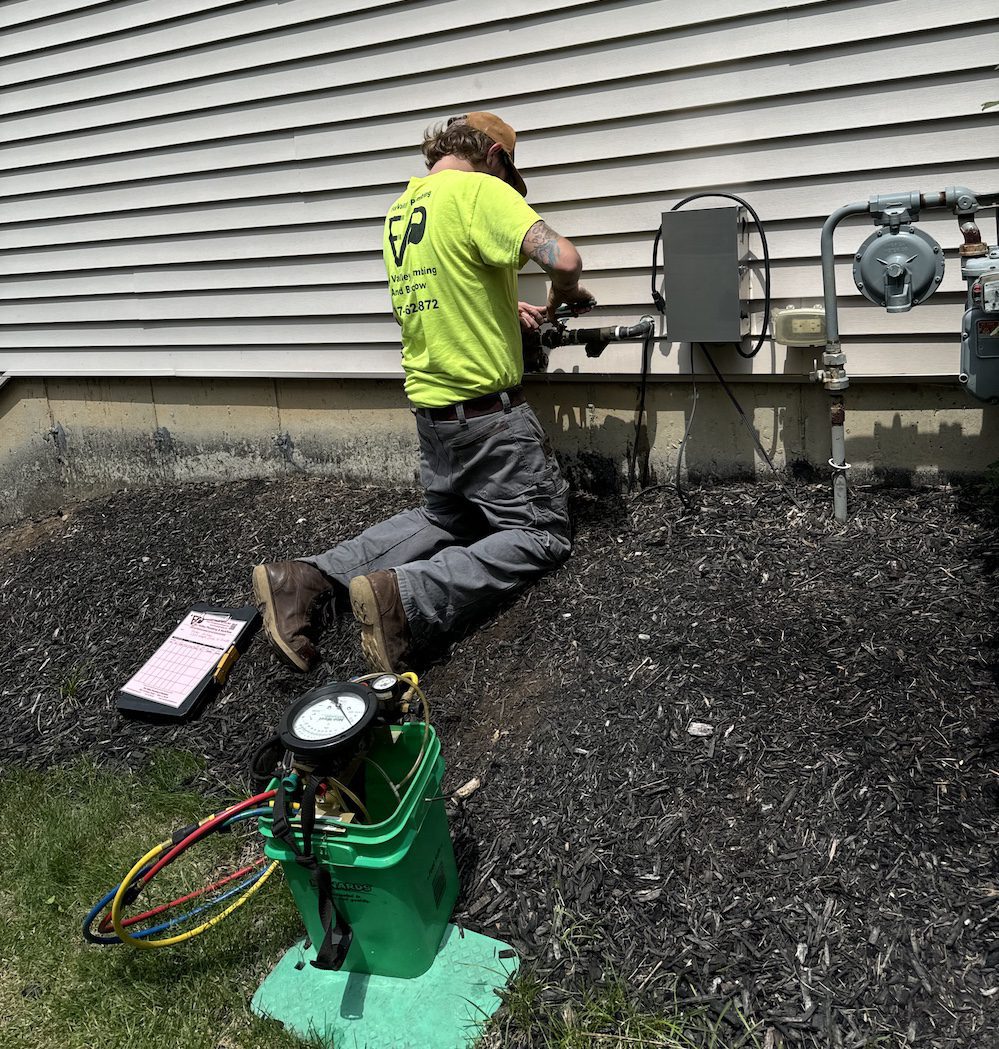
We are a licensed plumbing contractor in Illinois and Chicago, and we only employ licensed plumbers. Our team is also certified in backflow testing, which is required every year for all irrigation, fire systems, and domestic water supplies. Reach out to us for expert help with any plumbing emergency.

The drain is one area of the house that is not thought about often. Only when there’s a maintenance issue this area is given any consideration. Once in a while, things need taking care of to avoid long-term maintenance problems.


A few handy tips and information can help homes maintain their drains sufficiently enough to ask for professional help only when required.

How Can Professional Drain Cleaning Services Help?

1. They can help eliminate a slow drain – Drains become slow when they face issues. Before becoming dysfunctional, drains begin to show slow performance. The professional drain cleaning service will identify if the slow drain is due to a blockage in the homeowner’s system or if it is caused by the mainline serving the home. They can diagnose the problem and ensure proper treatment so that the blockage doesn’t turn into something serious. If you can identify the source of the problem, well. If not, call the professionals.

Call Us At (847) 624-3872


2. Drain cleaning services offer services to reduce home odors – Every home faces this issue. Even when the drainage may be working fine, there could be food items rotting further down the line or something more serious that causes a foul odor. Professional service providers will detect the source of the odor and take steps to get rid of it. They have the equipment and experience to deal with such problems.

3. Drain cleaners can help identify other serious issues – They are professionals who have the knowledge to recognize other serious issues. The problem may have something to do with the bathroom or the kitchen. If not fixed, the problem might lead to a blockage or a leak within the home. There could also be a potential problem with the vent in the drain that may threaten the safety of the people on the property. Timely involvement and detection of problems can help avoid major expenses later.

Call Us At (847) 624-3872


Sooner or later, every home will face the drain clogging problem eventually. Whenever you are faced with the prospect of a blocked drain, engage a professional from the Schaumburg, Illinois drain cleaning service.

When choosing a professional drain cleaning service, ask for a free estimate. Most companies provide a quote. The rate may vary from one to another. But knowing the upfront costs will help you decide which service to go for the cleaning and also give you an idea of how much it is going to cost you.

Though the drain clog might bother you most during the daytime and that is when it is best to get it fixed. But emergencies may happen any time during the day. Select a service that will do the plumbing even during nighttime if required.

Is there a money-back guarantee? In the event that the cleaning was ineffective or the level of service wasn’t as expected, ask for money back. A company that provides money back is sure of its service levels. That helps you be assured you will get quality service.

Call Us At (847) 624-3872


Call Today! (847) 624-3872

Garbage disposal grinding kitchen waste in sink.

Garbage disposals are highly prevalent. The majority of people cannot envision a kitchen sink without one, and in many areas of the world, more households have them than don’t. Sadly, far too many individuals mistreat their waste disposal, which can cause a blockage.

Plumbers can fix malfunctioning garbage disposals. Disposals can sometimes be unsticked, but other times they need to be replaced. Too often, mistakes made by people are to blame. Here are some pointers from knowledgeable plumbers on how to manage and unclog a clogged garbage disposal.

Your garbage disposal system will last longer with proper maintenance:

Garbage disposal repair can be expensive and clogged drains are a huge hassle. Fortunately, most problems with garbage disposals are easily avoidable, and caring for and maintaining garbage disposals is very simple. If you take good care of your garbage disposal, it will take good care of you. Below, we outline the errors you should avoid and the steps you can take to prolong the lifespan of your garbage disposal and reduce the possibility that you’ll need to contact a plumbing or drain cleaning company. Your garbage disposal’s lifespan will be extended by proper care and use, which will also stop plumbing and drain problems.

LOOKING FOR RESIDENTIAL PLUMBING IN ILLINOIS?

CALL NOW (847) 624-3872

Regular Use and Disposal:

Contrary to conventional belief, your garbage disposal should not be used as frequently as other electrical appliances in order to avoid wearing them out. Even if you don’t intend to use the appliance, switch it on at least once every few days and let the blades spin while rinsing them with a little cold water for around 30 seconds. By doing this, you can keep your garbage disposal from jamming and protect the blades from rust or corrosion. Additionally, by operating your appliance on a regular basis, you may prevent any food residues from hardening and generating an uncomfortable clog by flushing them away.

Using Ice, Water, and Citrus Fruits:

While bleach is undoubtedly useful, you should try to refrain from often running harsh chemicals through your waste disposal. Use cold water instead, run the machine at regular intervals, and then add some ice cubes. Or, freeze some vinegar inside the ice cubes for a more powerful DIY technique of cleaning your tool’s blades and pipes. Combine this with salt and baking soda. Chopping up a citrus fruit, like a lemon, and feeding it via your garbage disposal is another incredibly effective cleaning method. The peel should be included because it contains the most acid. If you do, your appliance will continue to operate at its peak performance level and smell fantastic. Use an old toothbrush to clean the rim to complete the cleaning process. If required, use a little soap, otherwise try the household items we just spoke about: vinegar, salt, and baking soda are all highly effective weapons in the fight against a filthy garbage disposal.

Avoid Using Hot Water When Flushing After Use:

Don’t turn off the garbage disposal right away once you’ve finished slicing your leftovers; instead, let the water run for an additional fifteen to twenty seconds. This will assist in flushing away any tenacious food particles that may be sticking to your garbage disposal system’s pipes just out of sight. Even though you might be accustomed to washing your dishes in warm or hot water, a garbage disposal works best with cold water. Food scraps will be softened and melted by hot water, which will make them stick to your disposal system’s pipes and cause clogs.

Cut Your Waste Up:

Avoid taking any chances. For a quick and effective servicing from your appliance, take an extra few seconds to reduce your food waste.

Avoid Using Any Utensils Near the Grinder:

Consider leaving your garbage disposal off until you have cleaned out the kitchen sink if you are worried about non-food objects getting into it.

Never try to pulverize non-perishable food.:

However, resist the urge to put your main course’s meat or bones in the garbage disposal. Doing so can cause your appliance’s blades to get dull and may even cause a blockage if they slip down the pipe. Throw such leftovers, together with any fruit seeds or hard pits, directly into the garbage can. Although sturdy, your garbage disposal is not impenetrable, and it won’t be able to cut through anything that is too little to be caught.

If you find that your garbage disposal is draining improperly or not draining at all, it’s most likely due to a plumbing issue. If you find that your garbage disposal isn’t grinding the waste as well as it should, it might be a case of changing what you put into it.

LOOKING FOR RESIDENTIAL PLUMBING IN  ILLINOIS?

CALL NOW (847) 624-3872

Plumber fixing pipes under a kitchen sink.

Nobody desires to find themselves in a situation where they must contact an emergency plumber. Not only is having a plumbing issue expensive, but it can also be very inconvenient, cause harm to your house, and even be unpleasant. We respond to more plumbing crises than we should, and clients frequently ask us for advice on how to keep themselves out of a similar predicament in the future. It’s a good idea to read over this list and make sure you’re avoiding the five most common plumbing catastrophes if you know you’d feel the same way.

  1. Toilet That is Clogged

Few things catch a homeowner’s notice like a toilet that is clogged and has a potential of backing up. It’s disgusting, and your only true option when a plunger breaks is to contact a plumber. How then do you prevent it?

When you flush something down the toilet that doesn’t belong, it gets clogged. Small or low-flow toilets that might not even be able to manage some typical use are particularly problematic. Anything you don’t need to flush down the toilet, including sanitary items, baby diapers, and leftover food, should not be done. Next, if you frequently get blockages, you might think about purchasing a new toilet.

  1. Pipe Bursts

Burst pipes, which typically occur when a water supply line bursts entirely open and continues on its course, are the leaks that frequently inflict the most damage. To stop it, you must turn off the water in your house. After that, you’ll need an emergency plumber to fix the problem.

Keeping your plumbing in good shape will help you prevent burst pipes. Check to see whether your pipes are not too old, are not under excessive pressure, and do not have a partial obstruction that could develop into a complete blockage. Keep your house warm in cold weather to prevent pipe damage, and watch out for trees planted too close to the pipes since this can also lead to problems.

LOOKING FOR RESIDENTIAL PLUMBING IN  ILLINOIS?

CALL NOW (847) 624-3872

  1. Blocked Tubs and Sinks

Even though minor blockages in sinks and tubs aren’t as dangerous as problems with the sewage, they can nevertheless turn into emergencies, particularly if they affect your single sink or tub. Not using a sink or tub for a while is frequently not an option for elderly people or little children. Therefore, plumbers on call will come out to assist you with these.

Trusting the plumber over the do-it-yourself solutions you find online is frequently the key to avoiding clogged sinks and bathtubs.

  1. Sewer Backups or Clogs

Frequently, the sewer-related odor is not to be tolerated by the weak-willed. Additionally, they have the potential to harm your house and cause water to back up into all of your fixtures. A plumber must act promptly to clear up sewer jams and backups.


How do you keep them at bay? Using the sewer properly is essential to preventing problems, much like with a clogged toilet. Nothing that doesn’t belong there should be poured into the drain. This includes hair from your shower and fats and greases. Additionally, avoid planting trees so close to sewers that their roots can encroach on them.

Despite this, sewage jams typically come from repeated usage or may even start in the city’s section of the line. Sometimes the backup and clog are simply beyond of your control. However, we are still able to assist.

  1. Sump pumps Failure

Sump pumps are a common feature in homes to prevent flooding or very heavy rain. Therefore, if your sump pump breaks down, you are likely also dealing with another emergency. Therefore, it is crucial to stay away from this one. Have your sump pump inspected by a plumber once a year to make sure it isn’t clogged or malfunctioning.

Uncertain as to whether what you’re doing could result in a plumbing emergency? To find out if you ought to alter what you’re doing, you can always get in touch with plumbers you trust. Despite the fact that our first response is typically “no,” you shouldn’t always disregard that. Most significant plumbing problems can also be avoided if you can, in most cases.

LOOKING FOR RESIDENTIAL PLUMBING IN  ILLINOIS?

CALL NOW (847) 624-3872

Woman cleaning kitchen, holding nose, wearing gloves.

Whether it’s an ordinary day or a special event, you’re frequently welcomed with delectable fragrances and joyful recollections when you’re gathered in your kitchen. It’s a place to eat, to converse, and to simply take in life.

Our kitchen sink drains work hard when we use a strainer or garbage disposal diligently. We wake up one morning to an unpleasant odor coming from the sink as a result of inevitable food particles, oil, and other undesirable items finding their way into the drain.

Therefore, why does this begin to occur?

Typically, there are two causes of a smelly kitchen sink:

  1. Food caught in the sink or garbage disposal that has gone bad
  2. A leak of sewer gas coming from the vent or drain trap

That’s the bad news – but here’s the good news: it’s totally fixable! That’s right – you don’t have to live with a stinky kitchen sink forever.

Tricks to Try If You Have a Garbage Disposal

  • Hot water and dish soap: Start by running the garbage disposal while running a sink’s worth of hot, soapy water through it. This is the initial stage, and it might work. Stop the sink with a stopper and add several inches of hot water. Pour some dish soap in. To allow the water to flush through, turn on the garbage disposal and unplug the sink.
  • Ice cubes, coarse salt, and lemon peels: The next thing to do is to check that the disposal blades are clean and free of any leftover, gummy food particles if you’re still smelling something unpleasant. The three-punch cleaning miracle of ice cubes, coarse salt, and lemon. Put some ice cubes and kosher salt in the garbage disposal. While the salt scrubs the sides of the grinder, the ice helps push food off of it. Repeat the flushing for good measure, and then grind some lemon peels for freshness.
  • Vinegar and lemon ice cubes: Lemon wedges can be frozen in white vinegar, then crushed in the garbage disposal.

LOOKING FOR RESIDENTIAL PLUMBING IN  ILLINOIS?

CALL NOW (847) 624-3872


Tricks to Try If You Don’t Have a Garbage Disposal

  • Boiling Water: It is important to not undervalue the simple power of hot water. Don’t let water cool on the stove after you’ve just boiled it for something, like some pasta or a pot of tea. Pour it into the sink instead. This may be sufficient to eliminate weaker drain odours. If not, continue reading this list to increase the effectiveness of the cleaning, but you’ll notice that each advice is followed by a thorough hot water flush.
  • Baking soda, vinegar, and boiling water: The most popular trick among readers for getting rid of sink drain smells? A bubbling, baking soda-and-vinegar mix, washed down with very hot water. 1 cup baking soda plus 2 cups vinegar. Pour the baking soda, then vinegar on top; it will bubble up. Let it sit a couple of minutes, then run hot water.
  • Baking soda, salt, vinegar, and boiling water: Some readers fervently contend that adding coarse salt to the tried-and-true combination of baking soda and vinegar adds exactly the right amount of additional abrasion to remove the filth.

1/2 cup coarse salt

1/2 cup of baking soda

1 cup vinegar

Place each of these down the drain in turn. To get the bubbles to just work in the drain, cover the drain for around 30 seconds. The salt is said to add an abrasive element. After that, pour a pot of boiling water through to remove everything and dissolve any salt that is still present. Stop making a stink here!

How to prevent drain odour

It’s simple to stop your sink from smelling. A few healthy practices and regular maintenance are all that are required. Try these things:

  • To prevent food chunks from entering your pipes, cover your plughole with a drain screen.
  • Keep fat and grease out of the drain. Instead, before washing your cookware, soak or scrape away any fat with a kitchen towel.
  • Pour any leftover water from boiling the kettle down the plughole to eliminate bacteria.
  • Once a week, or if you’re going on vacation and won’t be using your sink for a while, pour baking soda down the drain.
  • Plan routine service inspections. Your pipes will stay clean if a qualified plumber frequently inspects them.

Remember, if you have persistent or severe drain odour issues, it’s recommended to consult a professional plumber to assess the situation.

LOOKING FOR KITCHEN DRAIN CLEANING & REPAIR SERVICES IN ILLINOIS?

CALL NOW (847) 624-3872