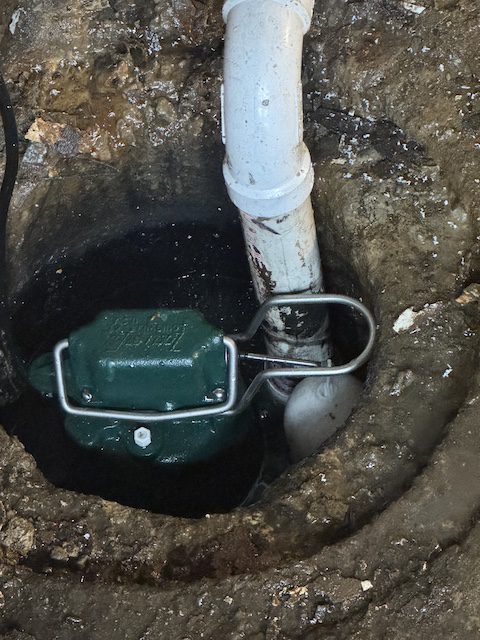
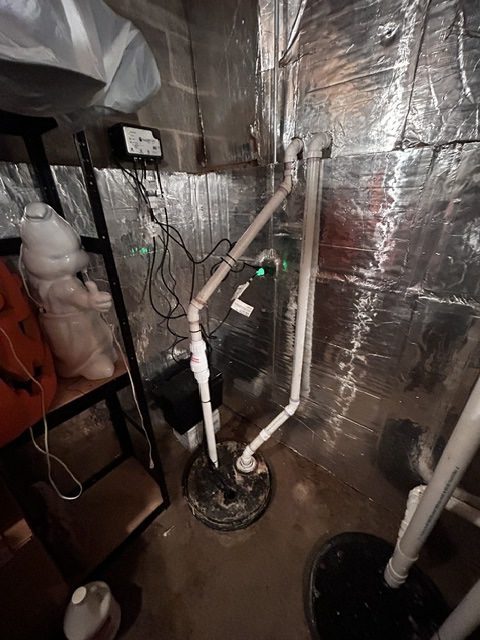
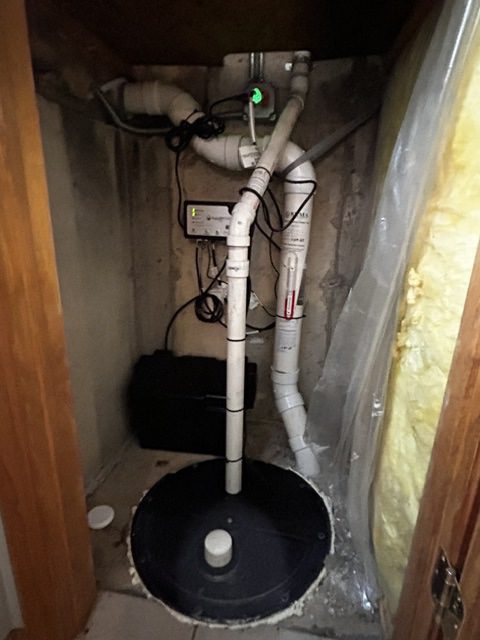
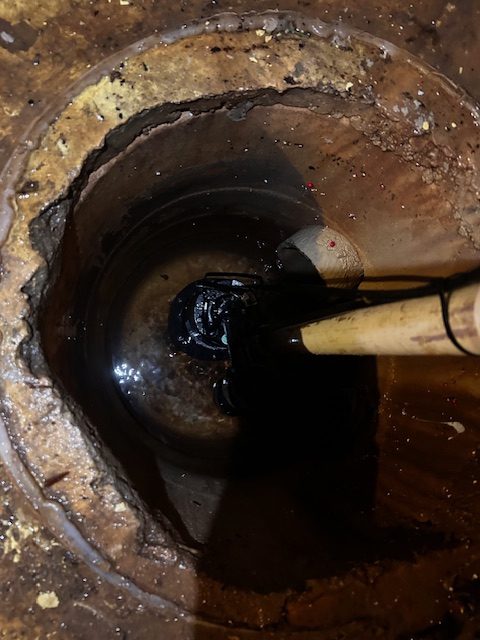
storm-pro-deluxe

Summer in Elgin sneaks up fast. One week you’re watching the last frost warnings, and the next you’ve got thunderstorms rolling in off the Fox River, your kids running through the sprinklers, and your dishwasher working overtime for every backyard cookout. It’s a great season — right up until a sump pump quits during a downpour or a water heater decides it’s done. The good news: a little plumbing maintenance in Elgin before the heat really sets in can save you a very bad weekend. This checklist covers the six things we see homeowners skip every year, and the six things that cause the most summer service calls in the Fox Valley.

Why Summer Is Actually the Right Time to Check Your Plumbing

Most people think of plumbing problems as a winter thing — frozen pipes, water heater failures in January. And yes, we stay busy in January. But summer brings its own set of stressors. Heavier water use, storm season, irrigation systems firing up, and sewer lines dealing with tree-root growth at its peak all hit at once. Elgin’s water is also notably hard — typically 15 to 25 grains per gallon — which means mineral scale builds up in water heaters, aerators, and supply lines faster than homeowners expect.

The other reality is that summer is when we can actually get to things. Crawl spaces are accessible. Outdoor spigots are easy to inspect. You’re not dealing with frozen ground or a basement full of holiday boxes. If you’re going to do one round of preventive maintenance a year, late spring or early summer is the right call.

1. Test Your Sump Pump Before Storm Season Peaks

This is the one we beg homeowners not to skip. Elgin and the surrounding Fox Valley area can see serious rainfall totals between June and August — the kind that sends water toward your foundation fast. Your sump pump is the only thing standing between that water and your finished basement, and most homeowners have no idea if theirs actually works until it doesn’t.

How to do a quick sump pump test

Pour a five-gallon bucket of water slowly into the sump pit. The float should rise, the pump should kick on within a few seconds, and the water should drain down quickly. If it hesitates, makes a grinding noise, or doesn’t turn on at all, that’s your answer. Also check the discharge line — make sure it’s draining away from the foundation and isn’t blocked by debris from winter.

If your pump is more than seven years old, it’s worth having a plumber take a look even if it passed the bucket test. Sump pumps don’t usually give much warning before they fail. We also strongly recommend a battery backup sump pump — because the storms that flood basements are often the same storms that knock out power.

What about the backup?

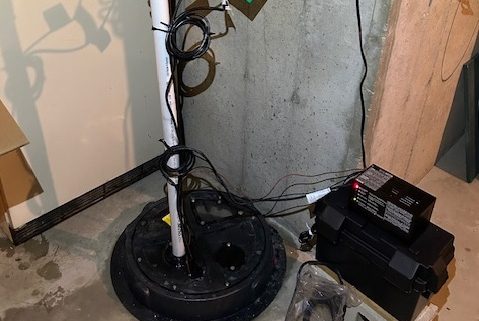
A battery backup unit runs on a separate 12-volt battery and kicks in automatically if the primary pump fails or the power goes out. It’s not a luxury item in the Fox Valley — it’s cheap insurance compared to a flooded basement. If you don’t have one, summer is the right time to add it.

2. Flush Your Water Heater — Especially With Elgin’s Hard Water

Sediment buildup is a slow killer for water heaters, and Elgin’s hard water accelerates it. Calcium and magnesium minerals settle at the bottom of the tank over time, forming a layer of scale that forces the burner to work harder, shortens the heater’s lifespan, and can cause that rumbling or popping sound you might have noticed. Flushing the tank once a year clears that sediment out.

The process involves connecting a garden hose to the drain valve at the bottom of the tank, turning off the cold water supply, and letting the tank drain until the water runs clear. It sounds simple, but the drain valve on older tanks can be corroded or partially blocked — and if you force it, you can end up with a valve that won’t fully close again. If your heater is more than eight years old or you’ve never flushed it, having a licensed plumber handle the water heater flush is the safer move.

While you’re at it, check the temperature setting. The EPA recommends 120°F as the sweet spot — hot enough to prevent bacterial growth, cool enough to reduce scalding risk and energy waste.

3. Inspect Outdoor Spigots and Your Backflow Preventer

Your outdoor hose bibs took a beating over winter, even if you drained them properly. Check each one by turning it on fully and watching for drips at the handle packing, the connection to the house, or anywhere along the supply line inside. A slow drip at the packing nut is usually a simple washer fix. A leak inside the wall is a different conversation.

Don’t overlook your backflow preventer

If you have an irrigation system, a lawn chemical injector, or any outdoor water connection that could allow water to flow backward into your home’s supply line, you need a backflow preventer — and in Illinois, it needs to be tested annually. This isn’t optional. The EPA’s cross-connection control guidelines and Illinois regulations under Title 35 Part 653 both require it, and your municipality may send a notice if you’re overdue.

Backflow preventers can fail silently. The device looks fine from the outside, but the internal check valves may not be seating properly. The only way to know is a certified test with a differential pressure gauge. Our team handles backflow testing and installation throughout Elgin, and the Fox Valley — spring and early summer are when we’re busiest with these, so booking early helps. The American Water Works Association has a solid background on why cross-connection control matters; if you want to read further.

4. Clear Slow Drains Before They Become Blocked Drains

Summer means more people in the house, more showers after yard work, more cooking, and more strain on your drains. A drain that’s running a little slow in June will often be fully blocked by August. The fix is much cheaper and less disruptive when you catch it early.

Kitchen drains

Grease is the main culprit in kitchen lines. Hot water doesn’t dissolve it — it just moves it further down the pipe where it re-solidifies and catches everything else that comes through. Skip the chemical drain cleaners, too; products like Drano are hard on older pipes and rarely solve the actual problem. If your kitchen sink is draining slowly, a professional kitchen drain cleaning with a cable or hydro-jet gets the line actually clear, not just temporarily open.

Bathroom drains

Hair and soap scum are the usual suspects in bathroom drains. A drain snake can handle most bathroom clogs, but if you’ve got a slow drain in multiple bathrooms at once, that points to a problem further down the line — possibly in the main sewer. Summer is peak season for tree-root intrusion into sewer lines, and Elgin’s older neighborhoods have plenty of mature trees with roots that know exactly where your pipes are. If you’re seeing gurgling toilets or slow drains in multiple fixtures, a video sewer inspection will tell you exactly what’s going on.

5. Check for Leaks You Might Not Have Noticed

Some leaks announce themselves — water on the floor, a stain on the ceiling. Others are quieter. Here’s a quick way to check: write down your water meter reading before bed, don’t use any water overnight, and check the reading again in the morning. If the number moved, you leak somewhere. The This Old House team provides a thorough walkthrough of the meter test method, offering step-by-step guidance.

Common summer leak spots to check manually:

  • Toilet flappers — drop a few drops of food coloring in the tank; if color appears in the bowl without flushing, the flapper is leaking. A running toilet can waste up to 200 gallons of water a day.
  • Under-sink supply lines — look for mineral deposits or moisture around the braided hose connections.
  • Water heater pressure relief valve — there should be no dripping from the discharge pipe.
  • Hose bib connections — check where the spigot meets the house siding.
  • Washing machine hoses — rubber hoses degrade over time; if yours are more than five years old and still rubber, consider upgrading to braided stainless.

None of these checks requires tools. They take about 20 minutes and can catch a problem before it becomes a water-damage claim.

6. Think About What’s Coming: Fall Prep Starts Now

Summer maintenance isn’t just about fixing what’s wrong today — it’s about setting yourself up for fall. If your water heater is struggling now, it’ll struggle more when demand goes up in October. If your sump pump is marginal, you want to know before the fall rains. And if you’ve been thinking about a tankless water heater — something that handles Elgin’s hard water better than a traditional tank and never runs out of hot water during a full house — summer is a great time to have that conversation before the fall rush.

Our Preferred Customer Membership is worth looking at if you want scheduled maintenance without having to remember to call. Members get priority scheduling, which matters a lot when half of Elgin is calling us after the same storm.

Illinois plumbing work is regulated under Illinois Department of Public Health licensing requirements (225 ILCS 320), and all work we do is performed by or under the direct supervision of a licensed Master Plumber. That matters when you’re hiring someone to work on your home’s systems — not every plumber you find online holds that credential.

Frequently Asked Questions

How often should I have my plumbing inspected in Elgin?

Once a year is a reasonable baseline for most homes. If your house was built before 1980, has galvanized steel pipes, or you’ve had recurring drain issues, twice a year makes sense. Elgin’s hard water — typically 15 to 25 grains per gallon — accelerates scale buildup in water heaters and supply lines, so annual flushing and inspection is genuinely worth it here, not just a sales pitch. A quick maintenance visit catches small problems before they turn into emergency calls.

Do I really need a backflow test every year?

Yes, if you have an irrigation system or any cross-connection on your property. Illinois regulations and local water authority requirements mandate annual testing for most backflow prevention assemblies. The test itself takes about 30 minutes and gives you a certified record that your device is working correctly. If it fails, we repair or replace it on the spot in most cases. Skipping the test isn’t just a compliance issue — a failed backflow preventer can allow lawn chemicals or contaminated water to enter your home’s drinking supply.

My sump pump passed the bucket test. Do I still need a backup?

Passing the bucket test means the pump works right now — it doesn’t tell you how much life is left in the motor, and it can’t protect you if the power goes out during a storm. In the Fox Valley, the storms that cause the most basement flooding are often the same ones that knock out electricity for hours. A battery backup sump pump is a separate unit that runs independently of your main pump and your home’s power. For most Elgin homeowners with a finished basement, it’s one of the better investments you can make.

What’s the difference between a slow drain and a sewer problem?

A single slow drain is usually a localized clog — hair, grease, or soap buildup in that specific line. When you’ve got multiple slow drains, gurgling sounds in the toilet when you run the sink, or sewage odors coming up from floor drains, that points to a problem in the main sewer line. Tree roots are a common cause in Elgin’s older neighborhoods, and they tend to be most active in summer. A video sewer inspection is the only way to know for certain what you’re dealing with — and it’s much cheaper than waiting until you have a full backup.

How much does a summer plumbing maintenance visit cost?

It varies depending on what’s included, but a basic inspection and water heater flush typically runs less than a service call for an emergency repair — often significantly less. We’re happy to give you a straight answer over the phone before you commit to anything. Check our current offers and promotions page for any seasonal deals. The goal is always to find the small stuff before it becomes the expensive stuff.

Ready to Check Summer Off Your List?

You don’t have to do all of this yourself. A lot of Elgin homeowners find it easier — and honestly more reliable — to have a licensed plumber run through the whole checklist in one visit. We’ll test the sump pump, flush the water heater, check the backflow preventer, inspect the outdoor spigots, and flag anything that needs attention before it becomes a problem. That’s what a good neighborhood plumber does.

Fox Valley Plumbing & Backflow has been serving Elgin and the Fox Valley for over 15 years. We’re a licensed Master Plumber operation (IL #058-161084), we’re available 24/7 for emergencies, and we’ll give you a straight answer about what your home actually needs — no upsell, no pressure.

Call us at (847) 624-3872 to schedule your summer maintenance.
Licensed plumber installing a new submersible sump pump in an Elgin IL home basement
TL;DR

Water damage is one of the most expensive — and most preventable — problems Elgin homeowners face. A working sump pump is your basement’s first line of defense, but knowing whether to repair an aging unit or invest in a full installation can save you thousands.

  • Sump pumps over 7–10 years old should usually be replaced, not repaired.
  • Constant cycling, grinding noises, or visible rust are clear failure signs.
  • Adding a battery backup protects your basement during power outages.
  • Annual professional inspections cost less than a single flood cleanup.
  • Local soil and storm patterns in Elgin IL demand a customized system.

Did you know water damage and freezing are among the top causes of homeowners’ insurance claims in the United States? A single major storm can lead to tens of thousands of dollars in basement repairs — and most of those losses are preventable with the right drainage system.

If your Elgin home sits on the wrong side of the water table, or if you’ve ever come downstairs to standing water after a heavy rain, you already understand why a reliable sump pump matters. The harder question is whether your current setup needs a tune-up, a full replacement, or something more substantial.

This guide walks you through the signs, the costs, and the decisions homeowners face every spring. By the end, you’ll know exactly when to call a licensed plumber — and what to expect when you do.

Why a Working Sump Pump Matters for Your Elgin Basement

zoellar-sump-pump-installation-elgin-il

Diagram of a residential sump pump system showing pit, float switch, and discharge line


Your basement’s dryness is the silent guardian of your home’s structural health. A functioning sump pump automatically removes excess groundwater before it can soak into concrete, warp wooden supports, or create the dark, damp conditions where mold thrives.

Persistent moisture isn’t just a comfort issue. Stagnant water in a basement compromises foundation integrity, ruins stored belongings, and can drop a property’s resale value by tens of thousands of dollars. According to the EPA, indoor mold exposure is also linked to respiratory issues — particularly for children and seniors.

How the System Actually Works

The pump sits inside a small pit dug at the lowest point of your basement floor. As groundwater rises, a float switch triggers the motor, which then pushes water up through a discharge pipe and safely away from your foundation.

Most modern units run on household power, but a battery backup is essential — especially in Elgin, where storm-related outages and basement flooding tend to arrive together. A pump without backup power is a pump that fails exactly when you need it most.

Sump Pump Repair vs Replacement: How to Tell the Difference

The decision usually comes down to age, frequency of issues, and the cost difference between fixing and replacing. Here’s how a licensed plumber will frame the conversation:

Scenario Recommended Action Why
System is over 10 years old New installation More cost-effective long-term than repeated repairs
Frequent cycling or odd noises Professional repair Often a stuck float or clogged inlet — fixable
Complete mechanical failure Professional evaluation Determines whether the motor or wiring is at fault
Visible rust or corrosion New installation Indicates internal damage and imminent failure
Battery backup missing Add backup unit Critical upgrade for Elgin storm season


Signs You Need a New Installation

Comparison of a corroded older sump pump and a new replacement unit before installation

Comparison of a corroded older sump pump and a new replacement unit before installation

An aging unit struggles to keep up with modern storm volumes, especially as Elgin has experienced more intense rain events over the past decade. If your pump runs constantly, makes grinding sounds, or has visible rust on the housing, replacement is almost always the smarter financial decision.

New systems are more energy-efficient, quieter, and built with corrosion-resistant materials that simply weren’t available 15 years ago. Pairing a new pump with a battery backup gives you the long-term peace of mind that repeated repairs never quite deliver.

When a Repair Is Enough

Not every issue requires a full replacement. A stuck float switch, a clogged inlet screen, or a loose discharge line are all common problems that a qualified plumber can resolve in a single visit. The key is catching these early — small issues become big ones the moment a storm rolls through.

How Much Does Sump Pump Installation Cost in Elgin IL?

Pricing depends on three main factors: the type of pump (pedestal vs submersible), the depth and condition of your pit, and whether you’re adding a battery backup or upgrading the discharge line. According to HomeAdvisor’s national cost data, typical installations range from $700 to $2,500, with most Elgin homeowners landing in the middle of that range.

A simple inspection is one of the most cost-effective ways to catch problems early — long before they become emergency repairs. That’s the kind of preventive math that protects your foundation and your wallet at the same time.

What’s Included in a Professional Installation

  • Site assessment of basement layout, soil conditions, and groundwater levels
  • Removal and disposal of the old unit (if replacing)
  • New pump, check valve, and properly sized discharge piping
  • Electrical hookup to a dedicated GFCI circuit
  • Optional battery backup system installation
  • Full operational test and homeowner walkthrough

Sump Pump Maintenance: Simple Steps That Extend System Life

A proactive maintenance schedule turns your sump pump from a reactive emergency tool into a quiet, reliable asset. Most of these tasks take less than ten minutes and require no special equipment.

What You Can Do Yourself

  • Pour a bucket of water into the pit monthly to confirm the pump activates and drains properly.
  • Clear visible debris from the inlet screen and around the float switch.
  • Walk the discharge line outside and make sure it directs water at least 10 feet from the foundation.

What a Professional Should Handle Annually

Once a year, a licensed technician should inspect the check valve, test the backup battery, verify the pump’s amperage draw, and check for sediment buildup in the pit. The U.S. Department of Energy recommends an annual storm-readiness inspection for any home with a basement or below-grade utility space.

Why Local Expertise Matters for Sump Pump Installation in Elgin IL

Elgin’s clay-heavy soil, seasonal freeze-thaw cycles, and proximity to the Fox River all affect how groundwater behaves around your foundation. A contractor who works in this area every day understands those patterns in a way a national chain simply cannot.

At Fox Valley Plumbing & Backflow, our licensed master plumbers have served the Fox Valley region for more than 15 years. Every installation is backed by a one-year workmanship warranty and our Exceptional Service Guarantee — if you’re not happy, we’ll make it right.

Ready to protect your basement? Call (847) 624-3872, or schedule your service online. We’re available 24/7 — because basement floods don’t wait for business hours.

Frequently Asked Questions

How do I know if my sump pump needs replacing or just a repair?

Listen to your equipment. Constant cycling, strange grinding noises, or a failure to activate during heavy rain often signal a repairable issue. If your pump is over 7–10 years old, has visible rust, or has failed more than once in a single season, a full replacement is usually the more reliable long-term solution.

How much does sump pump installation cost in Elgin IL?

Most Elgin installations fall between $700 and $2,500, depending on pump type, pit condition, and whether you add a battery backup. A licensed plumber will provide a detailed written quote after assessing your basement — never trust a flat phone estimate without a site visit.

What are the warning signs that a sump pump is failing?

Watch for visible rust, irregular cycling, loud grinding sounds, or a motor that runs continuously without shutting off. Standing water in the pit or water that isn’t being discharged away from the foundation are urgent signs — call a licensed plumber immediately to avoid flood damage.

Can regular sump pump maintenance really prevent major issues?

Yes. Simple tasks like clearing the intake screen, testing the pump monthly, and confirming the discharge line is unobstructed can extend a unit’s lifespan by years. Annual professional inspections catch small problems — like a weakening battery or a corroded check valve — before they cause a full system failure.

Why hire a professional instead of installing a sump pump myself?

Proper installation involves more than dropping a pump into a hole. A licensed plumber sizes the system to your home’s water volume, ensures a watertight basin seal, wires to a dedicated GFCI circuit, and routes the discharge line to direct water safely away from the foundation. DIY mistakes here often lead to flood damage that costs far more than the original installation.

Protect Your Elgin Basement Before the Next Storm

Schedule a free sump pump assessment with Fox Valley Plumbing & Backflow. Same-day appointments available across Elgin, Barrington, Schaumburg, St. Charles, and the surrounding Chicago suburbs.

(847) 624-3872

Available 24/7 for Emergency Service
A sump pump installed in a basement of a home with a water powered backup system.

TL;DR: Why a Battery Backup for Sump Pump Installation Matters

A battery backup for sump pump installation protects your home when power fails or your main pump stops. This guide explains how it works, why it’s essential, and why professional installation is the safest choice.

You’ll discover:

  • How backup systems keep water moving during power outages or pump failures
  • The main components of a battery backup system and how they operate
  • Simple maintenance steps to keep your system reliable year-round
  • Why hiring a qualified plumber ensures safe, long-lasting performance
  • The key benefits of preventing water damage, mold, and costly repairs

With the right setup and care, your basement stays dry, your system runs smoothly, and you can rest easy—whatever the weather.

When heavy rain hits and power cuts out, water can rise fast. Within minutes, a quiet sump pit can overflow and flood the floor. That moment of panic is what a battery backup for sump pump installation is designed to prevent.

It steps in when the lights go out, or the main pump stops. Water keeps moving, and your basement stays dry.

Why a Battery Backup for Sump Pump Installation Matters

The storm pounds the windows, the lights flicker, and then everything goes dark. Your sump pump stops. Without backup, water creeps up the walls before you can find a torch. A backup system senses the loss of power and starts immediately.

The pump hums back to life, pushing water away from your home. It keeps your space protected until power returns.

A backup sump pump doesn’t only help during a power outage. It also protects you from issues like a failed float switch or tripped breaker. These faults stop the main pump cold.

A good backup starts right away. It keeps the pit steady while you plan the repair. Some systems also sound an alarm or send an alert. That early warning gives you time to act before damage spreads.

How Emergency Power for Sump Pump Systems Works

When the power fails, a smart controller switches to DC battery power within seconds. The pump runs quietly, with no fumes or fuel storage like a generator. Battery size and quality decide how long it runs.

Most systems use sealed deep-cycle or AGM batteries. They recharge automatically when the power returns. Some even include high-water alarms or app monitoring so you can check the system from your phone.

Regular testing keeps that safety net ready. Every few months, unplug the main pump briefly to confirm the backup starts on its own. Small checks like that make a big difference when a real storm hits.

Top Benefits of a Battery Backup System

A dry basement protects your home, health, and belongings. Water damage causes rot, rust, and mold, while damp air invites musty smells. Consistent dryness improves air quality and protects flooring, furniture, and stored items.

Flood prevention also saves money. One avoided flood can pay for the installation itself. You avoid insurance claims, expensive repairs, and the loss of personal items.

Many insurers appreciate homes protected by reliable sump pump systems. Built-in alarms give extra reassurance when storms roll in.

Residential sump pump drain line discharging water into grass yard

How to Install a Battery Backup on a Sump Pump

Each home setup is different. Start by choosing a system that fits your pump type, pit size, and power draw.

Most backup kits include a pump, battery box, charger, and control unit. A sealed deep-cycle battery keeps upkeep low. An AGM model lasts longer and charges faster.

Placement matters too. Keep the controller above floor level and away from moisture. Label each lead clearly. Connect the pump to your discharge line with a separate check valve to stop water from flowing back.

When everything is secure, test it by unplugging the main pump to confirm the backup starts right away.

Professional Help for Sump Pump Battery Backup Installation

Many homeowners choose a qualified plumber to install sump pump battery backup systems. A professional fits each part safely and checks that everything works as it should. They size the battery correctly, confirm proper drainage, and ensure reliable performance when the next storm hits.

If you’re unsure who installs sump pump battery backup systems, contact a licensed plumber. They’ll assess your pit and pump, recommend the best setup, and complete the job with care. You’ll also gain expert advice on maintenance and testing. Proper installation protects the battery, wiring, and controller so the system stays dependable all year.

Routine Care Keeps Your Backup Reliable

Once installed, maintenance is simple. Keep the battery box clean and ventilated. Test monthly to confirm it runs smoothly. Replace the battery every few years as directed to keep performance steady.

A little care now saves stress later. When dark clouds gather and thunder shakes the windows, you can relax knowing your system is ready.

Trust the Pros to Keep Your Basement Dry

A battery backup for sump pump installation keeps your home protected during storms and power cuts. It delivers steady performance when your family needs it most. Skilled plumbers install a battery backup on a sump pump with care.

Add a battery backup for lasting peace of mind and know your home is protected when weather turns wild. Learn more about our sump pump service and repair here.

Sump pump manhole with water backup

TL;DR:

This guide explains the differences between sump pumps and ejector pumps, helping you choose the right system for your home. Learn how each pump works, their applications, and maintenance needs to protect your basement.

Main Points:

  • Sump pumps remove clean water, preventing basement flooding.
  • Ejector pumps handle wastewater and solids.
  • Choose based on plumbing layout and local codes.
  • Regular maintenance is crucial for both systems.

Keeping your basement dry and your plumbing working right starts with choosing the correct pump system. Many homeowners struggle to tell the difference between sump pumps and ejector pumps. Both devices move water, but each has a separate purpose.

Picking the wrong one could leave your house at risk. This guide explains what sump pumps and ejector pumps do, how they work, and how long ejector pumps last. It also covers how both systems help protect your home. Use this information to make the best choice for your home’s drainage or wastewater needs.

What is a Sump Pump?

A sump pump removes water from basements and crawl spaces. It is usually installed in a pit (sump basin) at the lowest point of a basement floor. When heavy rain hits or when snow melts, water naturally collects here.

How does a sump pump work?

Water fills the pit. The pump senses the rising level. Once triggered, it powers up and pushes water through a discharge pipe, sending it safely away from the house.

Common Applications:

  • Homes with basements prone to flooding.
  • Properties with a high water table.
  • Areas with heavy rainfall.

Signs Your Home Needs a Sump Pump:

  • Damp or musty smells in the basement.
  • Pooled water after rain.
  • Foundation walls feel wet or show streaks.
  • Visible mold growth.

A properly installed sump pump acts like a silent guard. It works behind the scenes, keeping your basement dry without you needing to think about it. This simple device can save thousands in water damage repairs.

What is an Ejector Pump?

An ejector pump clears waste and greywater from below-ground plumbing. This includes basement bathrooms and laundry rooms. It may look like a sump pump, but it handles both liquids and solids, sending them to your home’s main sewer line.

How does an ejector pump work?

Wastewater collects in a sealed basin. The pump tracks the level. Once it’s high enough, a powerful motor grinds the waste and pushes it up through pipes to the main drain. This often means working against gravity.

Typical Residential Uses:

  • Basement bathrooms with toilets, sinks, or showers.
  • Laundry or utility sinks below ground level.

Ejector Pump Longevity:

How long do ejector pumps last? Most run for seven to ten years.

Their lifespan depends on how often they’re used, how well they’re maintained, and the quality of the pump.

Ejector pumps do more than move waste. They help prevent messy backups and keep your basement safe.

Electric ejector pump in the store

Key Differences: Sump Pump vs. Ejector Pump

While both systems remove unwanted water, they perform different tasks.

Function:

  • Sump pumps handle only clean or slightly dirty water, like rain or melting snow.
  • Ejector pumps remove wastewater with solids (toilet paper, waste) from below-grade plumbing.

Installation:

  • Sump pumps sit in open pits.
  • Ejector pumps require sealed basins to trap odors and manage waste.

Maintenance:

  • Sump pumps need simple checks and regular cleaning.
  • Ejector pumps need more frequent service due to the nature of waste.

Handled Material:

  • Sump pumps: groundwater or stormwater.
  • Ejector pumps: greywater and solid waste.

A sump pump works well if water intrusion or flooding is your problem. An ejector pump becomes necessary if you add a bathroom, laundry, or any plumbing below the main sewer line.

How to Choose the Right Pump for Your Home

Picking the right system matters for safety and peace of mind. Use this checklist to help:

1. Assess Your Basement:

  • Is your basement finished?
  • Does it include a bathroom, laundry, or wet bar?

2. Examine Plumbing Layout:

  • Are plumbing fixtures below your sewer line?
  • If yes, you probably need an ejector pump.

3. Know Your Risks:

  • Flood-prone homes need sump pumps.
  • Homes with basement plumbing need ejector pumps.

4. Check Local Codes:

Some towns require specific pump types or backflow prevention. A licensed plumber can explain local rules and ensure your system meets the latest standards.

5. Call on Experts:

If you’re not sure, ask Fox Valley Plumbing. We know sump pump installation and repair inside out. Our team has years of hands-on experience helping homeowners find the right solution the first time.

Choosing the Right Pump with Confidence

Both sump pumps and ejector pumps play huge roles in keeping basements dry and safe. Sump pumps keep water out, while ejector pumps safely remove waste from below-sewer-line plumbing.

Still have questions about which pump fits your needs? Contact Fox Valley Plumbing for trustworthy, step-by-step advice. Learn about our sump pump installation and repair services here.

Girl plumber looks into an open draining manhole. Service of the house individual sewerage.

Keeping your basement dry is essential. A damp space can invite mold, cause structural damage, and reduce air quality in your home. Installing a sump pump system can be a simple, effective solution.

But how does it waterproof your basement? Let’s cover the installation and maintenance steps. This will help protect your home and keep your basement dry.

What Does a Sump Pump Do to Waterproof Your Basement?

Wondering how a sump pump works? It removes water from beneath your basement floor. Water collects in a pit called a sump basin. When it rises, the pump directs it away from your home—like an automatic guard against unwanted water.

Without a sump pump, water can damage your foundation, causing cracks or flooding. Whether it’s heavy rain or a high water table, a sump pump gives you peace of mind during storms.

Steps to Sump Pump Installation

Installing a sump pump requires proper planning. Here’s how the process typically goes:

  1. Find the Right Spot: Choose the lowest point in your basement. This is where water naturally collects. Avoid finished areas to reduce disruption.
  2. Dig the Sump Pit: Dig a hole for the sump basin. It must be deep enough to collect runoff but not too deep to destabilize the area.
  3. Install the Pump: The sump pump is placed in the basin. Choose between submersible or pedestal models, based on your space. Submersible pumps sit in the pit, while pedestal pumps stay above it.
  4. Set Up Discharge Lines: A discharge pipe moves water out of the basement and away from the foundation. Ensure the pipe directs water far enough to prevent backflow.
  5. Test the System: Test the pump with water before sealing the pit. This ensures the pump activates and efficiently moves water through the discharge line.
  6. Seal and Cover: Secure the sump pump with a proper cover to prevent debris and odors while maintaining safety.

Though DIY might seem tempting, hiring a professional ensures proper installation. Getting it right can mean the difference between a dry basement and constant water issues.

Understanding Sump Pump Installation Cost

Budgeting is key. The cost of installation varies based on factors like the type of pump, labor, and any plumbing adjustments.

  • Pump Type: Pedestal pumps are more affordable but may lack the power and durability of submersible models.
  • Labor Costs: Professionals charge for digging the pit, adjusting drainage, and setting up the system. Costs vary by location.
  • Extras: Battery backups or alarms may raise the price, but they offer added protection during power outages.

On average, professional installation costs between $1,200 and $4,000. While it’s an upfront investment, it protects your foundation and saves you from costly water damage.

How to Maintain Your Basement Sump Pump Systems

After installation, regular maintenance is essential. It’s not a “set it and forget it” situation. Simple upkeep steps can extend your pump’s life and prevent failures.

  • Test the Pump Monthly: Pour a bucket of water into the sump basin to test the pump’s response. If it’s slow to activate, it may need repairs.
  • Check Discharge Lines: Inspect the discharge pipe for clogs or freezing, especially in winter. Blocked lines could send water back into your basement.
  • Clean the Pit: Clean the sump basin yearly to prevent dirt and debris buildup.
  • Inspect Electrical Components: For electric models, check the power cord and outlet connections. Keep the cord dry and free from water exposure.
  • Consider a Backup System: A battery backup ensures the pump works during power outages. It’s a small addition that can prevent major water damage.

Regular maintenance ensures the pump works when needed most.

When to Call a Professional

Some issues are best left to experts. If your pump runs nonstop, won’t turn on, or loses power, call a professional to fix it.

You may also need help with drainage problems like downspouts or grading that affect water flow. Don’t get overwhelmed. Experts deal with these problems daily and can help keep your basement dry.

Stay Ahead of Basement Water Problems with Expert Help

Water in your basement can cause frustration and costly damage. A properly installed sump pump effectively waterproofs your space. While installation may seem expensive, it’s much less than dealing with water damage.

By maintaining your pump and calling an expert when needed, you’ll protect your home and improve your living space. Preventing water issues now saves you headaches later.

Learn about our sump pump installation and repair services here.

Close up of home water draining from residential sump pump after flooding

“What size sump pump do I need for my house?”

This is a question we often get when clients are wondering how to choose a home sump pump. And it’s not surprising question – choosing the right sump pump is challenging!

So how do you choose a sump pump size, and do you even need one? Our team answers these questions below.

What Is a Sump Pump?

A sump pump is a pump designed to remove standing water from a pit, or the lowest part of your house. It’s typically used in basements to prevent water damage and flooding.

Sump pumps work by detecting when there’s too much water in the pit or bucket. At this point, the pump drains excess water away from the home.

Who Needs a Sump Pump?

Consider a sump pump if you’ve had flooding or storm damage before. And if you live in a flat area, or an area prone to heavy rain, you might consider a sump pump.

The simple answer is this: flooding becomes more common in Elgin, more homes may benefit from sump pumps!

How Big of a Sump Pump Do I Need?

There are a few points to consider when deciding between sump pump sizes. Here are the main factors to bear in mind.

Consider How Much Water You Need to Pump

Your sump pump must be able to move water faster than it accumulates. So, it must be powerful enough to handle the water flow. This means you need to know your system capacity.

You can figure out your sump pump system capacity in gallons per minute (GPM). This is how many gallons of water your pump can discharge every minute.

Think About Where the Water Should Travel

Your pump must be strong enough to “lift” water from the pit. And it must be able to discharge it far enough away from your home to prevent backflow and water damage.

Factors which influence how strong your pump should be include:

  • The depth of your basement or crawlspace
  • Amount of water you are likely to collect
  • Distance between the sump pump and the final exit point

Calculating the exact size of pump you need is complicated, but don’t worry. We can help you select the pump with the right dimensions for your needs.

Know Standard Sump Pump Sizes

Every home is different. However, for residential properties, the standard sump pump size is 1/3 “HP”, or horsepower. 1/2 pumps are stronger, and the strongest is a 3/4.

Use these figures as a guide – you might need a larger or smaller pump for your home. For example, homes prone to flooding may need a 3/4 pump.

If In Doubt, Call a Plumber

Choosing the right sump pump is critical to keep your home safe and flood-free. The wrong size of sump pump could lead to costly water damage and expensive repairs! This is a problem you can avoid if you ask an experienced plumber for help.

And all sump pumps must comply with village, city, and state-level building codes. Poor installations can lead to fines and other civil penalties. A knowledgeable plumber can ensure this won’t happen.

If you’re unsure what size sump pump you need for your home, or whether it’s fitted properly, contact us. We’d love to help.

Sump Pump Fitting and Repairs in Elgin, IL

Do you need a sump pump in Elgin, IL? Contact Fox Valley Plumbing. Here 24/7 for emergencies, we’re only a call or email away if you need residential sump pump services. No matter what type of sump pump you need, we can assist.

Ensure that the pump you use is the right fit for your home. Trust Fox Valley to install, service, or repair any home sump pump. Call now or leave us a message online to request a quote.

Close up of a residential sump pump pipe pushing water into outdoor space

A sump pump collects and removes standing water from your home. It’s usually found in the lowest part of a property, such as a crawlspace or basement, and it helps to prevent water damage. This is especially important in a state such as IL, where rainfall is increasing, and floods are more likely.

Sump pumps in IL are subject to strict building codes and quality controls. But, nevertheless, like all plumbing components, a sump pump won’t last forever. How long does a sump pump last, though – and how do you know when it’s time for a replacement?

The best thing to do is call our team for a sump pump inspection or service. But in the meantime, here’s a rundown of sump pump life expectancy.

Sump Pump Life Expectancy

The average sump pump lasts around 10 years. Various factors influence how long a sump pump lasts, including:

  • Frequency of use
  • Type of sump pump
  • Frequency of maintenance and servicing
  • Quality of materials used

Our team can offer more insight into how long your home sump pump should last after inspecting its condition.

Do Sump Pumps Require Maintenance?

Yes! Even the highest quality sump pump requires regular maintenance. You should inspect your sump pump every few months for signs of leaks, wear and tear, or damage. We’ll cover how you can extend your sump pump’s lifespan below.

Signs a Sump Pump Is Nearing the End of its Lifespan

While it’s not always obvious that a sump pump needs replacing, warning signs include:

  • Loud vibrations
  • Strange noises
  • Water moving slower than usual
  • Rusty (brown) water
  • Sump pump won’t turn off

These are just some of the most common signs of failing sump pumps. Call our plumbers if you have any concerns about your home’s sump pump. Sometimes, we can simply repair rather than replace the whole pump, especially if you find a minor problem early.

How to Increase Sump Pump Life Expectancy

You can extend your sump pump’s lifespan by taking the following steps.

  • Only trust qualified, expert plumbers to install your sump pump.
  • Ensure the sump pump is the correct size for your property.
  • Make sure the pump is upright and there are no obstructions.
  • Check for defects, e.g. leaks and broken float switches.
  • Clean your pump regularly – an experienced plumber can service your pump every few months.

Regular maintenance and servicing are the most effective ways to increase your pump’s lifespan.

How Often Should Sump Pumps Be Replaced?

You don’t need to wait until a sump pump fails to replace it. You might consider replacing your sump pump every few years, especially if it’s used frequently. Our team can inspect your sump pump and advise whether a replacement is recommended.

Sump Pump Servicing and Repairs in Elgin, IL

Every sump pump requires regular maintenance. And, in time, it will require replacing. So, if you’re worried about the condition of your sump pump, we can help!

At Fox Valley Plumbing, our team regularly inspects and repairs sump pumps across Elgin, IL. Our happy customers trust us to get the job done right the first time around.

Call us, and you can expect prompt, friendly service from our professional and experienced team. Whether you need sump pump servicing or replacement, contact us 24/7 to schedule a visit and a quote. Give us a call or leave us a message online – whichever you prefer!

Close up of a sump pump installed in a home basement for domestic plumbing use

Are you worried about basement flooding the next time there’s a storm? Then you need to know about sump pumps.

These powerful systems can give you peace of mind the next time there’s heavy rainfall. They can make the difference between a dry or flooded home. But what, exactly, is a sump pump? And how does a sump pump work in a basement or elsewhere?

Our team answers these questions and more below.

What Is a Sump Pump?

“Sumps” are low spaces where water accumulates. In homes, we can think of a basement or crawlspace as a “sump”, because it’s the lowest spot in the property.

A sump pump, then, is a mechanism used to remove standing water from the basement or crawlspace. The goal is to prevent flooding and protect the property’s foundation from water damage.

Sump pumps are built into a hole, or space, in your basement. When water levels rise, the pump activates and drains the water away from your home. There are various types of sump pumps, but the most common include battery backup and water powered pumps.

How Do Battery Backup Sump Pumps Work?

Sometimes, storms cause power outages. However, a battery backup sump pump includes a float switch. So, even if a storm knocks out your power, the pump still works. It just switches from using electricity to the battery backup.

How Do Water Powered Sump Pumps Work?

A water powered sump pump actually uses water pressure to pump excess water away. It’s handy because there’s no battery or power supply. The downside is the risk of higher water bills due to increased water usage.

Due to IL codes and regulations, water pumps are uncommon in the state. They should not be the primary sump pump for any home.

Sump Pump Benefits

There are many benefits to installing a sump pump in your home.

  • Sump pumps help to prevent structural damage from pooling or standing water.
  • If there’s a flood, sump pump can protect your valuables from water damage.
  • A sump pump can help to reduce mold and dampness, which improves air quality.
  • Heavy rainfall is increasingly common across Illinois, so a sump pump could boost your home’s value.

Do You Need a Sump Pump?

Ultimately, it depends on your property. Here are signs you will benefit from a sump.

  • You use your basement to store valuables and other property.
  • Your basement has flooded before.
  • You live in an older property with possible mold or mildew problems.
  • Your home is in an area prone to storms and heavy rainfall.

Even if you don’t have a basement or need a sump pump, you might need flood protection. Our plumbers are happy to inspect your property and recommend what type of flood protection works best.

Sump Pump Repair and Installation in Elgin, IL

Flooding or high water levels can cause severe property damage. That’s why you probably need a sump pump – and you definitely need to service it regularly!

Don’t put your home’s foundation at risk. Call Fox Valley Plumbing for a sump pump installation or repair today.

Person inspecting basement sump pump system.

When the system in your home starts to run continuously, it becomes one of the more frequent causes of a sump pump failure.

Continuous operation can cause a sump pump system to overheat and malfunction. This is particularly true if your sump pump is operating when the pit is dry because the water will help your system cool off while it is operating.

If the problem is addressed quickly, the majority of problems with continuously operating sump pump systems have straightforward causes and straightforward fixes.

Sump pumps typically operate intermittently, as required. However, occasionally they operate continuously, which raises electricity costs, causes them to age much more quickly than they should, and may even burn out the motor.

Why a Sump Pump Is Necessary

A sump pump’s job is to pump water out of a basement. Naturally, there isn’t water in the basement normally. Unless a flood occurs. Or, in some instances, a lot of rain combined with a poor slope that allows water to flow into your cellar.

The sump pump is there to remove the water in case of a flood or a severe downpour even if you don’t have a finished basement because items can still get damaged with water in the cellar or crawlspace.

However, the sump pump is normally off and shouldn’t be running unless there is a high level of water.

What a Sump Pump Usually Does

The majority of typical sump pumps are submersibles, installed in liners within sump pits with gravel bases dug into basement or crawl space corners.

Any water that may leak in is drained into the sump pit. However, if water is coming in too quickly and the pit can’t drain, water rises inside the liner and fills the pump to the point where the float valve on the pump is activated. When that occurs, the sump pump activates to force extra water into a discharge pipe that exits the home foundation and travels to an area outside. The discharge pipe is tilted upward because it is built below grade, which would ordinarily allow gravity to allow the water to flow back in. A check valve stops any water in the pipe from going back into the pit and potentially into your basement in order to avoid this.

LOOKING FOR SUMP PUMP SERVICE & REPAIR IN  ILLINOIS?

CALL NOW (847) 624-3872

What Causes a Sump Pump to Cycle On and Off?

 Here are a few causes for a sump pump to continue operating:

  • The “on” position of the float switch becomes stuck.
  • The float switch becomes stuck to the side of the liner and is unable to function.
  • The check valve on the sump pump could be malfunctioning or broken. The water that the check valve typically empties into the outlet pipe washes back into the sump pit if it is broken, reactivating the float valve and the pump. Your sump pump will continue to operate as a result.
  • The size of your liner or sump pump is incorrect. If the pump is either tiny or too weak, it must run nonstop to remove water that accumulates in the liner. The pump has to run more frequently if the liner is too tiny since it fills up with water more rapidly.
  • The sump pit is filthy and overflowing with trash. The garbage is sucked up by the sump pump, which causes the mechanical components to get clogged and unclean and stop functioning correctly.
  • There may occasionally be a high water table or an underground spring that supplies the sump pit with water regularly.

Possible Solutions If Your Sump Pump Is Constantly Running

The float switch should be the first place you check if your sump pump won’t turn off. Take these actions:

  • Start the sump pump.
  • Make sure the float switch is not fastened to the liner.
  • Untangle it if it is pinned so that it can readily move with the water level.
  • It probably has to be changed if you discover that it is not tangled and can move freely. One can be bought online or at a hardware shop.
  • Remove the old switch by unplugging it. Put the new switch in its place.
  • To secure the new switch to the sump pump, use a plastic tie. It will be able to float up and down with the water level thanks to this.

LOOKING FOR SUMP PUMP SERVICE & REPAIR IN  ILLINOIS?

CALL NOW (847) 624-3872

Well, if the sump pump is older than 7 to 10 years, you should probably replace it. Its usable life has likely come to an end, especially if you notice corrosion around the base.

If the sump pit is filled with a lot of debris, clear it out. Shut off the sump pump and do your best to remove any debris. If the sump pump isn’t turning on and off all the time, turn it back and see if that helps.

Sump pump system with backup battery installed.

What Is A Sewage Ejector Pump?

A sewage ejector pump is an underwater or submersible pump that helps to move liquid or semi-liquid waste from washing machines, laundry, or bathrooms situated in the basements of the house. Houses of Chicago, Wheaton, Elgin, etc. in Illinois have their laundry in the basements, and an ejector pump is a must in these houses.

How Does A Sewage Ejector Pump Work?

A sewage ejector pump works the same as a sump pump. The difference between a sump pump and a sewage ejector pump is that a sump pump suctions water in the basement that accumulated because of rain, and a sewage ejector ejects wastewater from washing machines or bathrooms in basements. In an ordinary house, wastewater from the kitchen or bathroom goes through the normal sewage or plumbing line and drains in the central septic or municipal line outside the home. However, when a house has a laundry system like a washing machine or bathroom in the basement lower than the actual ground, the wastewater does not go directly to the main septic line as it is placed on the ground level, as it is lower than that. In moments like these, a sewage ejector pump helps to eject by lifting the wastewater at the ground level and throwing the water into the septic or municipal sewage line.

Sewage ejector pumps sit on a basin-like sump placed on the ground by digging it. It has multiple valves that get aware of the level of wastewater. The sump basin can hold approximately 28 to 30 gallons of water, depending on the type of pump. The outlet line or pipe is 2 to 4 inches long, connecting the pump with a 3 to 6 inches long central septic or municipal line. As the sewage ejector pumps are installed in basements, a vent is necessary to vent out the sewage gasses to equalize the pressure of pumping. This vent comes outside with a pit and connects with a pipe that helps to ventilate the gases.

LOOKING FOR INSTALL A SUMP PUMP IN  ILLINOIS?

CALL (847) 624-3872

How Much Does A Sewage Ejector Pump Cost?

For an average residential, a sewage ejector pump can cost from $300 to $1000, depending on its type, horsepower motor etc., and the installation charge depends on the technician or the plumber. Usually, these pumps do not need any maintenance but once a year. A professional technician or plumber can inspect the pump to see if it needs any changes.

Does Your House Need  A Sewage Ejector Pump?

In Illinois, cities like Elgin, Chicago, Wheaton, etc., have houses with basement laundries, dryers and bathrooms. A sewage ejector pump is necessary to eject the wastewater from these. Moreover, it also reduces the pressure of the regular sewage line. So, if your house’s laundry system is situated in the basement, a sewage ejector pump is a must for you.

How to Install a Sewage Ejector Pump?

For the installation of a sump pump, it is better to have a professional technician or plumber who will install the pump as per the house or commercial place needed.

LOOKING FOR INSTALL A SUMP PUMP IN ILLINOIS?

CALL (847) 624-3872