It usually starts the same way. A big storm rolls through Elgin, drops two inches of rain in an hour, and by the time you’re mopping up the basement you’re wondering how water got in through the floor drain. That’s not a freak accident — that’s your sewer line telling you it’s overwhelmed, and possibly telling you it’s been struggling for a while. Summer is peak season for sewer backups in the Fox Valley, and if you’ve never dealt with one, you don’t want your first experience to be raw sewage on your laundry room floor. This guide walks you through exactly what happens to your sewer line during a storm, what warning signs to watch for, and what sewer line repair in Elgin actually looks like when you need it.
Why Summer Storms Hit Elgin Sewer Lines So Hard
Elgin sits in the Fox River watershed, and the soil here — heavy clay in most neighborhoods — doesn’t absorb water quickly. When a fast-moving thunderstorm drops significant rainfall, that water has nowhere to go except into every available opening: storm drains, yard drains, window wells, and yes, your sewer lateral. The municipal combined sewer system (older sections of Elgin still have combined storm and sanitary lines) can get overwhelmed in under an hour during a serious storm event.
When the city’s main sewer line hits capacity, pressure builds. That pressure pushes back through the path of least resistance — which is often your home’s lateral line, the pipe connecting your house to the street main. If your lateral has any cracks, root intrusion, or low spots where debris collects, that’s where a backup starts. The water doesn’t just sit there; it comes up through your floor drains, your basement toilet, your utility sink.
This isn’t a rare worst-case scenario. The EPA estimates that sanitary sewer overflows affect millions of homes annually, and the problem gets worse as aging infrastructure meets increasingly intense storm events. In Elgin, many residential laterals were installed in the 1960s and 70s — they’re 50+ years old and were never designed for today’s rainfall intensity.
The Real Culprits Behind Storm-Driven Sewer Backups
A storm doesn’t create a sewer problem from nothing. It exposes one that was already there. Here are the most common underlying issues we find when we run a camera down a line after a backup:
Tree Root Intrusion
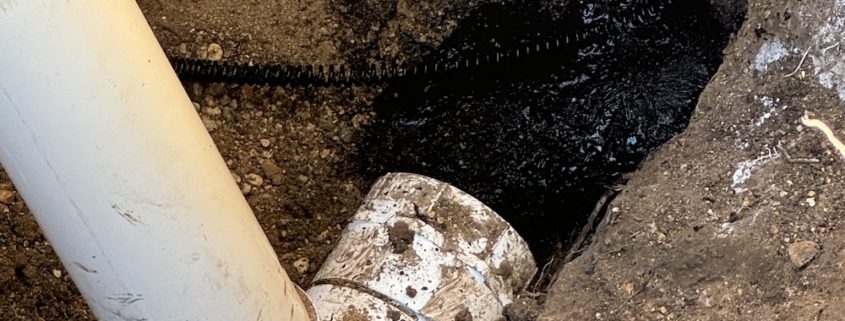
This is the number-one cause of sewer lateral failures in established Elgin neighborhoods. Tree roots are relentlessly drawn to the moisture and nutrients inside sewer pipes. They enter through hairline cracks in clay or cast iron pipe — the kind of crack you’d never notice until a storm forces water backward through it. Once roots are inside, they catch every piece of debris that flows by, building a blockage over months or years. A storm surge is often what finally pushes that blockage to the point of backup.
Pipe Deterioration and Offset Joints
Clay tile and cast iron pipes from the mid-20th century don’t last forever. They crack, they shift, and the joints between sections can offset as the ground settles. An offset joint creates a ledge inside the pipe where grease, wipes, and debris accumulate. During normal flow, water gets through. During a storm surge, it doesn’t. If your home was built before 1980, there’s a real chance your lateral has sections that need attention.
Grease and Debris Buildup
We hear it constantly: “We don’t pour grease down the drain.” But grease doesn’t just come from cooking oil. It comes from dish soap residue, food particles, and even some personal care products. Over time, a layer of grease coats the inside of your drain pipes, narrowing the effective diameter. A storm surge that would normally pass through a clean 4-inch pipe can’t get through a pipe that’s effectively 2.5 inches because of buildup.
Improper Downspout or Sump Connections
Some older Elgin homes have downspouts or sump pump discharge lines that were connected directly to the sanitary sewer — a practice that’s now prohibited under Illinois plumbing code (77 Ill. Adm. Code 890). During a storm, these connections dump hundreds of gallons of clean stormwater directly into the sanitary system, contributing to the exact overload that causes backups. If your home has this setup, it needs to be corrected.

Warning Signs Your Sewer Line Is Already Struggling
Most sewer backups don’t happen without warning. The signs are just easy to dismiss until they’re not. Here’s what to pay attention to before the next storm season hits:
- Slow drains throughout the house — not just one sink, but multiple fixtures draining slowly at the same time. That points to the main line, not an individual drain.
- Gurgling sounds from your toilet or floor drain when you run the washing machine or dishwasher. Air is being displaced somewhere it shouldn’t be.
- Sewage odor in the basement — even faint, even occasional. A dry floor drain trap can cause this, but so can a cracked lateral.
- Water backing up in the basement floor drain when you run a lot of water upstairs. This is a direct sign the main line is struggling to keep up.
- Unusually lush or wet patches in your yard above where the lateral runs. A leaking sewer line fertilizes the grass above it.
- Previous backups — even one. A sewer backup is not a one-time fluke. It means something is wrong in the line.
If you’re seeing any of these, don’t wait for the next storm to confirm your suspicion. A video sewer inspection is the fastest way to know exactly what’s in your line and where — no guessing, no unnecessary digging.
What Sewer Line Repair in Elgin Actually Looks Like
One of the biggest reasons homeowners put off calling a plumber is they picture a crew tearing up their yard for a week. That’s sometimes necessary, but it’s not always the case. Here’s an honest breakdown of what the repair process looks like depending on what we find:
Step 1: Camera Inspection First, Always
Before any repair recommendation, we run a camera through the line. Our video sewer inspection gives us real footage of what’s inside — root intrusion, cracks, offset joints, grease buildup, pipe material, and the exact location of any problem. This isn’t optional; it’s how we make sure we’re fixing the actual problem and not guessing.
Step 2: High-Pressure Jetting for Blockages and Buildup
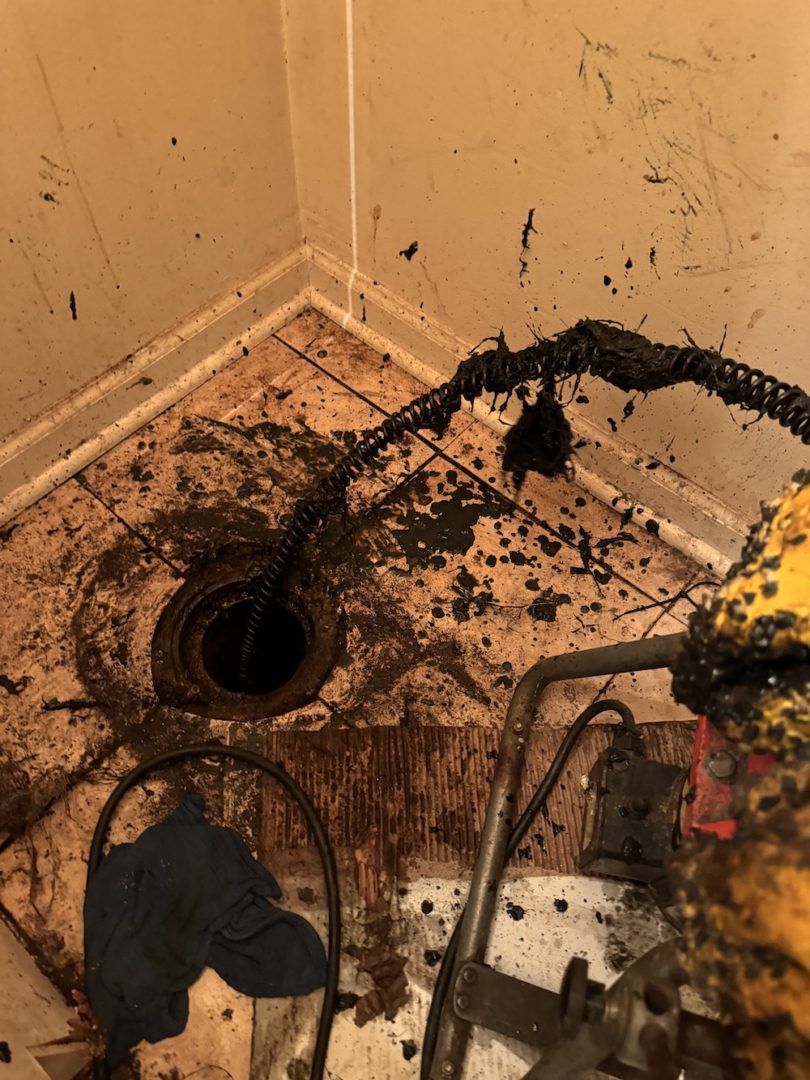
If the camera shows buildup, grease, or root intrusion that hasn’t caused structural damage, high-pressure water jetting clears the line thoroughly. This isn’t the same as a standard snake — jetting uses water at high pressure to scour the pipe walls clean, not just punch a hole through the blockage. For many homeowners, this is the right first step, especially before storm season.
Step 3: Main Sewer Line Cleaning
For lines with significant root intrusion or debris accumulation, main sewer line cleaning gets the line back to full capacity. Combined with a camera inspection, this gives you a clear picture of whether the pipe itself is structurally sound or whether repair or replacement is the next conversation.
Step 4: Repair or Replacement When Needed
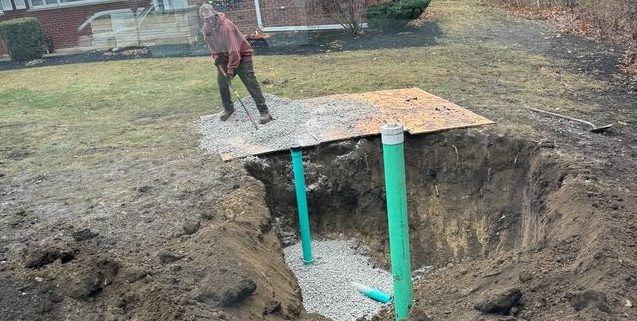
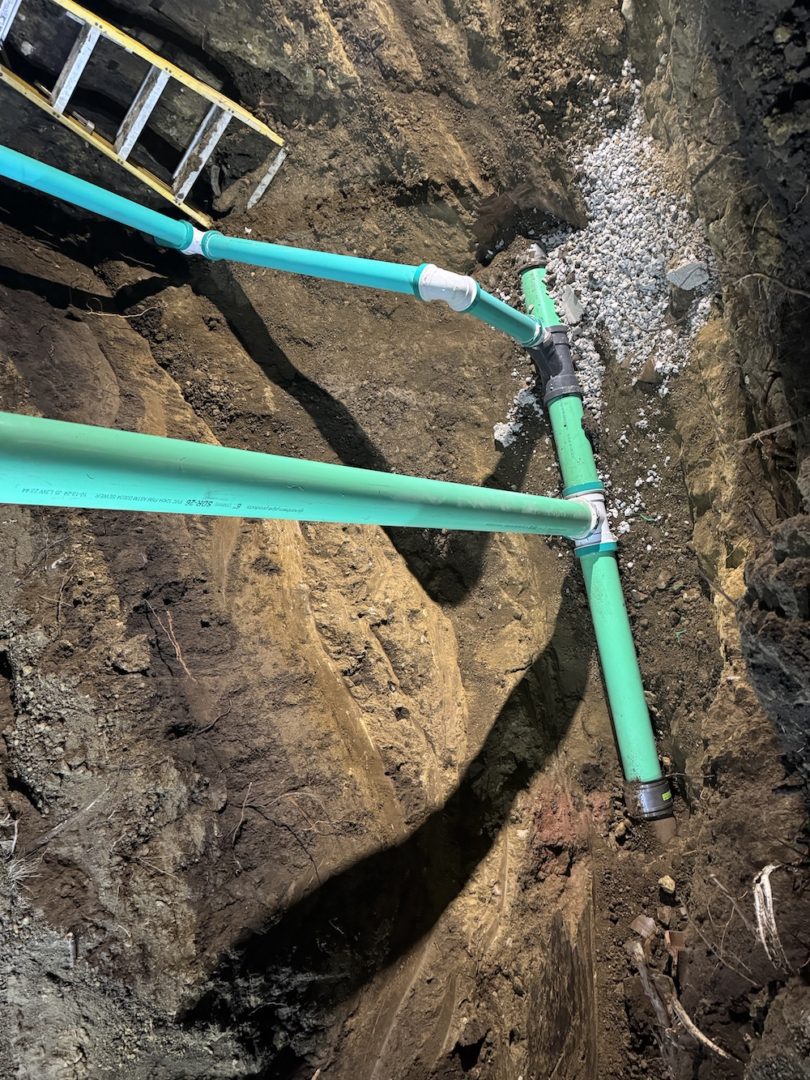
If the camera shows cracked, collapsed, or severely offset pipe, repair is the right call. Depending on the location and extent of damage, options include spot repair (excavating just the damaged section), pipe lining (inserting a new pipe inside the old one without full excavation), or full lateral replacement. We’ll tell you honestly which option makes sense for your specific situation — not the most expensive one by default.
For Illinois licensing context: any sewer line repair work on your property should be performed by a licensed plumber. Fox Valley Plumbing & Backflow holds Illinois Master Plumber license #058-161084 and Plumbing Contractor license #055-042593 under 225 ILCS 320. That matters when you’re pulling permits or dealing with insurance claims after a backup.

How to Protect Your Sewer Line Before the Next Storm
The best sewer line repair is the one you don’t need because you caught the problem early. Here’s what we recommend to Elgin homeowners heading into summer storm season:
- Schedule a camera inspection if you haven’t had one in the last 3–5 years — especially if your home is more than 30 years old. You want to know what’s in that pipe before a storm tells you.
- Install a backflow preventer or overhead sewer if you’ve had even one backup. Our backflow installation and inspection service can protect your basement from municipal sewer surges.
- Check your sump pump before storm season. A sump pump that fails during a heavy rain contributes directly to basement flooding. See our sump pump and battery backup service — a battery backup is worth every penny when the power goes out mid-storm.
- Redirect downspouts away from the foundation and confirm they’re not connected to your sanitary sewer line.
- Stop using “flushable” wipes — they don’t break down in the pipe and they’re one of the leading contributors to sewer blockages. No plumber will tell you otherwise.
- Don’t pour grease down the drain, even with hot water running. Hot water moves grease further down the pipe before it re-solidifies — it doesn’t eliminate it.
The American Water Works Association and IAPMO both publish guidance on cross-connection control and residential plumbing maintenance that aligns with what we see in the field every summer. Good habits upstream prevent expensive repairs downstream.
Frequently Asked Questions About Sewer Line Repair in Elgin
How much does sewer line repair cost in Elgin, IL?
It depends heavily on what the camera finds. A main line cleaning typically runs a few hundred dollars. Spot repairs on a cracked section of lateral can range from $1,500 to $4,000 depending on depth and access. Full lateral replacement — from the house to the street — is a larger investment, often $5,000 to $12,000 or more depending on length, pipe material, and whether the city main connection requires a permit and inspection. We give honest estimates after the camera inspection, not before — because guessing without seeing the pipe doesn’t serve you.
Will my homeowner’s insurance cover a sewer backup?
Standard homeowner’s insurance policies typically do not cover sewer backup damage unless you’ve added a sewer backup rider. Some policies cover sudden and accidental damage but exclude gradual deterioration. After a backup, document everything with photos before cleanup, and call your insurance agent the same day. Having a licensed plumber’s written assessment of the cause can support your claim significantly.
How do I know if the backup is my responsibility or the city’s?
The general rule in Elgin: you own the lateral from your house to the property line (sometimes to the connection at the city main — check with the City of Elgin Public Works). The city owns the main sewer line in the street. If the camera shows the problem is in your lateral, it’s your repair. If the city main is backed up or collapsed, that’s their responsibility — but you’ll need documentation to make that case. We can help you understand what the camera footage shows and where the problem originates.
How long does a video sewer inspection take?
For a typical residential lateral, the inspection itself takes 30 to 60 minutes. We run the camera from a cleanout access point (or a toilet if needed), record the footage, and walk you through what we found before we leave. You get a clear answer the same day — not a vague “it might be roots” guess.
Can I prevent sewer backups permanently?
You can’t guarantee zero risk, but you can reduce it dramatically. A clean, structurally sound lateral with a properly installed backflow preventer handles most storm surge scenarios without backing up into your home. Regular inspections every 3–5 years catch root intrusion and buildup before they become emergencies. The homeowners who call us after a backup almost always say the same thing: “I wish I’d done this sooner.” The inspection costs a fraction of the cleanup.
Don’t Wait for the Next Storm to Find Out
Summer storms in the Fox Valley aren’t getting gentler, and Elgin’s sewer infrastructure is aging. If your home is more than 25 years old and you’ve never had a camera inspection, you’re flying blind heading into storm season. That’s not meant to scare you — it’s just the honest truth from a plumber who’s seen what a sewer backup does to a finished basement.
Fox Valley Plumbing & Backflow has been handling sewer line repair in Elgin and the surrounding western suburbs for over 15 years. We’re licensed, we’re local, and we’ll tell you what’s actually in your pipe — not what generates the biggest invoice. Whether you need a camera inspection before storm season, a main line cleaning, or a full lateral repair, we’re ready to help.
Call us at (847) 624-3872 or schedule your sewer inspection online — before the next storm makes the decision for you.