Posts

Elgin water bill with low-flow fixtures and leak repairs

Every summer, Elgin homeowners open their water bills and do a double-take. Lawn watering kicks in, kids are home all day, and suddenly you’re using twice the water you did in April — and paying for it. The good news? A lot of that cost isn’t inevitable. With the right water-efficient plumbing upgrades, most households in Elgin and the surrounding Fox Valley area can trim 20–30% off their water use without changing how they live. Some fixes cost almost nothing. Others pay for themselves in under two years. This guide walks you through what actually moves the needle — starting with the stuff that’s probably leaking money right now.

Why Elgin’s Water Is Harder on Your Plumbing Than You Think

Before we talk upgrades, it helps to understand what you’re working with. Elgin’s municipal water supply runs hard — typically 15–25 grains per gallon (GPG). That’s well above the 7 GPG threshold where scale buildup starts causing real problems. Hard water leaves mineral deposits inside your pipes, water heater tank, and fixture aerators. Over time, those deposits restrict flow, force your water heater to work harder, and quietly drive up both your energy and water bills.

This matters for efficiency because a showerhead clogged with calcium scale doesn’t deliver the rated flow — it delivers uneven, frustrating pressure that makes people run the shower longer. A water heater coated in sediment takes more energy to heat the same gallon of water. The upgrades below are chosen specifically because they work with Elgin’s water chemistry, not against it. Where scale is a factor, we’ll say so.

For context on how water hardness affects household plumbing systems, the American Water Works Association publishes solid guidance on cross-connection control and water quality that’s worth a look if you want to go deeper.

Fix Hidden Leaks First — They’re Costing You More Than You Realize

This is always step one, and most homeowners skip it. The EPA’s WaterSense program estimates that household leaks waste nearly 1 trillion gallons of water nationally each year — and the average home leaks about 10,000 gallons annually. In Elgin, where water rates have climbed steadily over the past decade, that’s real money walking out the door.

The sneaky part is that most leaks aren’t dramatic. You’re not looking for a burst pipe or a puddle under the sink. You’re looking for:

  • Running toilets — A flapper that doesn’t seat properly can waste 200 gallons a day. You often can’t hear it. Drop a dye tablet or a few drops of food coloring in the tank; if color shows up in the bowl without flushing, you’ve got a leak.
  • Dripping faucets — One drip per second adds up to about 3,000 gallons a year. A worn washer or cartridge is usually the fix, and it’s cheap.
  • Irrigation system leaks — A cracked head or a fitting that didn’t survive the winter can dump hundreds of gallons per zone per cycle, underground, where you’ll never see it.
  • Water heater pressure relief valve — If it’s weeping, it’s wasting water and signaling a pressure problem worth addressing.

Water-Efficient Plumbing Upgrades in Elgin, Il


The fastest DIY check: read your water meter, don’t use any water for two hours, read it again. If the number moved, you leak somewhere. From there, a licensed plumber can do a pressure test and trace the source. Our team handles residential plumbing leak detection and repair throughout Elgin and the Fox Valley — it’s one of the most common calls we get heading into summer.

Low-Flow Fixtures: What’s Worth Upgrading and What’s Hype

Not all low-flow fixtures are created equal, and the ones from fifteen years ago gave the category a bad reputation. Early low-flow showerheads felt like standing under a garden hose. Today’s WaterSense-certified fixtures use pressure-compensating technology to deliver a genuinely satisfying experience at 1.8 gallons per minute (GPM) or less — compared to the 2.5 GPM standard and the 3.5–5 GPM monsters in older homes.

Showerheads

Swapping a standard showerhead for a WaterSense-certified model is one of the highest-ROI upgrades you can make. A family of four can save 2,700 gallons per year per showerhead. In a home with two bathrooms, that’s meaningful. Installation takes about ten minutes and costs $30–$80 for the fixture. If you have hard water scale built up on your current head, clean or replace the aerator at the same time — it makes a noticeable difference in pressure.

Faucet Aerators

This is the cheapest upgrade on the list. A standard kitchen faucet aerator runs at 2.2 GPM. A WaterSense aerator runs at 1.5 GPM or less. The swap costs $5–$15 per faucet and takes two minutes. In Elgin’s hard water, aerators clog with mineral deposits over time anyway — so if you haven’t replaced yours in a few years, now’s the time. You’ll likely notice better pressure immediately.

Toilets

If your toilets were installed before 1994, they’re using 3.5–7 gallons per flush. Federal standards since then cap new toilets at 1.6 GPF, and WaterSense models hit 1.28 GPF or less. Replacing an old toilet saves 20–60% of the water that the fixture uses, which, for a household toilet flushed 5–8 times per day, adds up fast. Dual-flush models give you a half-flush option for liquid waste and are worth considering if you want maximum control.

residential plumbing leak detection and repair throughout Elgin and the Fox Valley

For help choosing and installing the right fixtures for your home, our faucet and fixture installation service covers everything from aerators to full toilet replacements.

Upgrade Your Water Heater — Especially If It’s Over 10 Years Old

Your water heater is one of the biggest energy consumers in your home, and it’s also a significant water waster if it’s inefficient or undersized. Here’s the thing most people don’t think about: every minute you run the hot water waiting for it to warm up is water going straight down the drain. In a house with bathrooms far from the water heater, that can be 1–3 gallons per shower before the hot water even arrives.

Tankless Water Heaters

A tankless (on-demand) water heater heats water only when you need it, eliminating standby heat loss from a tank that’s keeping 40–80 gallons hot around the clock. The Department of Energy estimates tankless units are 24–34% more energy-efficient than storage tank heaters for homes that use 41 gallons or less of hot water daily. For larger households, the savings are still significant — typically 8–14% on energy costs.

The other efficiency win: because tankless units deliver hot water faster to the point of use (especially with a recirculation pump), you waste less water waiting. That’s a real reduction in daily water consumption, not just energy. Our tankless water heater installation service covers sizing, gas line requirements, and venting — all of which matter for getting the performance you’re paying for.

High-Efficiency Tank Heaters

If a tankless unit isn’t right for your home’s layout or budget, a modern high-efficiency tank heater with a first-hour rating matched to your household size is still a meaningful upgrade over a 12-year-old unit running at degraded efficiency. We can walk you through the options — see our water heater installation and repair page for details.

Smart Outdoor Water Use: Where Summer Bills Really Spike

Outdoor watering accounts for up to 30% of household water use nationally — and in a dry Elgin summer, that number climbs higher. Most of that water is applied inefficiently: wrong time of day, wrong duration, or to ground that’s already saturated.

Irrigation System Tune-Up

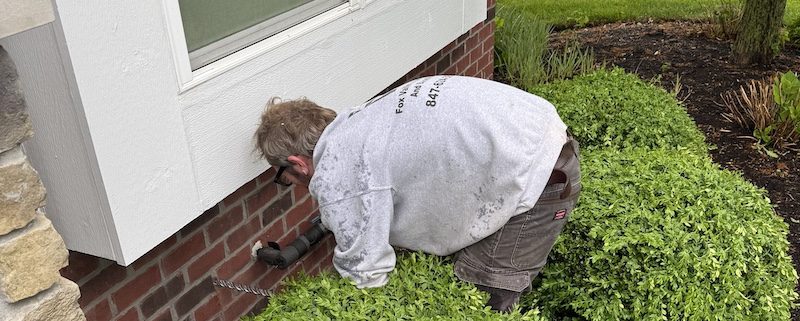
Before you run your system for the first time each spring, have it inspected. A single broken head spraying onto pavement instead of grass wastes thousands of gallons per season. Check that heads are aimed correctly, zones are timed appropriately for soil type, and that the backflow preventer is functioning. Illinois requires annual backflow testing on irrigation systems connected to the municipal supply — it’s not optional, and it protects your drinking water. Our backflow testing and installation service handles this for homeowners throughout the Fox Valley.

Timing and Technique

Water between 5–9 a.m. Midday watering loses 30–50% to evaporation before it reaches roots. Evening watering promotes fungal growth. A smart irrigation controller that adjusts based on local weather data can cut outdoor water use by 15–20% with zero effort after setup. Many Elgin homeowners are surprised to find their current controller is running the same schedule it was programmed with five years ago — regardless of rainfall.

The International Association of Plumbing and Mechanical Officials (IAPMO) sets the standards for irrigation and plumbing fixtures used in the U.S. — worth knowing when you’re evaluating product claims on efficiency ratings.

What a Plumbing Efficiency Check Actually Looks Like

A lot of homeowners aren’t sure where to start, and that’s completely normal. An efficiency check from a licensed plumber isn’t a sales pitch — it’s a systematic look at where your home is losing water and energy. Here’s what we typically cover:

  • Meter test for active leaks
  • Toilet dye test and flapper inspection
  • Faucet and showerhead flow rate check
  • Water heater age, efficiency rating, and sediment flush
  • Visible pipe condition (especially in older Elgin homes with galvanized or polybutylene)
  • Irrigation backflow preventer inspection
  • Pressure regulator check (high pressure accelerates fixture wear and increases leak risk)

Most of this takes an hour or less. What you get is a clear picture of what’s worth fixing now, what can wait, and roughly what the savings look like. No pressure, no upsell — just honest information from a licensed Master Plumber who’s been working in this area for over 15 years.

For more on what to expect from a professional plumbing inspection, This Old House has solid homeowner-friendly guidance on plumbing maintenance and what licensed plumbers look for.

Frequently Asked Questions

How much can I realistically save with water-efficient plumbing upgrades in Elgin?

It depends on your starting point, but most households see 15–30% reductions in water use after addressing leaks and upgrading fixtures. If you’re also replacing an old water heater, energy savings stack on top of that. A family of four in Elgin running older fixtures and a 12-year-old tank heater could realistically save $300–$600 per year combined on water and energy costs. The leak fixes alone often pay back in weeks, not years.

Do I need a permit to replace a toilet or showerhead in Elgin?

Fixture swaps like toilets, showerheads, and faucet aerators generally don’t require a permit in Illinois when you’re doing a like-for-like replacement. However, if you’re moving a fixture, adding a new one, or replacing a water heater, a permit is typically required under 77 Ill. Adm. Code 890 (the Illinois Plumbing Code). A licensed plumber will pull the right permits automatically — it’s part of the job, not an add-on.

Is a tankless water heater worth it for an Elgin home?

For most households, yes — especially if your current tank is over 10 years old or you’re regularly running out of hot water. The upfront cost is higher ($1,000–$3,000 installed depending on fuel type and home configuration), but the energy savings and lifespan (20+ years vs. 10–12 for a tank) make the math work in most cases. Elgin’s hard water does require periodic descaling of tankless units — something to factor into your maintenance plan. We size and install tankless heaters regularly throughout the Fox Valley and can give you a straight answer on whether it makes sense for your specific home.

How do I know if my irrigation system has a backflow preventer?

Look for a device on the water line where your irrigation system connects to the house supply — usually near the foundation or in a utility area. It may look like a small assembly with test ports and shutoff handles. If you’re not sure, or if you’ve never had it tested, that’s worth addressing before the season gets going. Illinois requires annual testing of backflow prevention devices on irrigation systems connected to the municipal water supply. It’s a quick test, and it protects your drinking water from contamination.

What’s the first thing I should do if I think I have a hidden leak?

Start with the meter test: turn off every water source in the house (faucets, appliances, ice maker — everything), then check your water meter. Most Elgin meters have a small leak indicator dial or triangle that spins when water is moving. If it’s moving with everything off, you have an active leak. From there, check your toilets with a dye test, look under sinks for moisture, and check your water heater for drips around the pressure relief valve. If you can’t find the source, call a plumber — pressure testing can locate leaks inside walls or underground before they cause serious damage.

Ready to Stop Paying for Water You’re Not Using?

Summer is the right time to get ahead of this. Water bills are already climbing, and a few targeted upgrades now can make a real difference by the time your next statement arrives. Whether it’s a dripping faucet you’ve been ignoring, an aging water heater, or an irrigation system that hasn’t been looked at since it was installed — these are all fixable problems with clear payoffs.

Fox Valley Plumbing & Backflow is a licensed Master Plumber operation based in Elgin, serving the Fox Valley and western suburbs for over 15 years. We’re not here to sell you things you don’t need. We’re here to give you an honest look at your home’s plumbing and tell you what’s worth doing. Schedule your efficiency check online or call us directly at (847) 624-3872. We’ll take it from there.
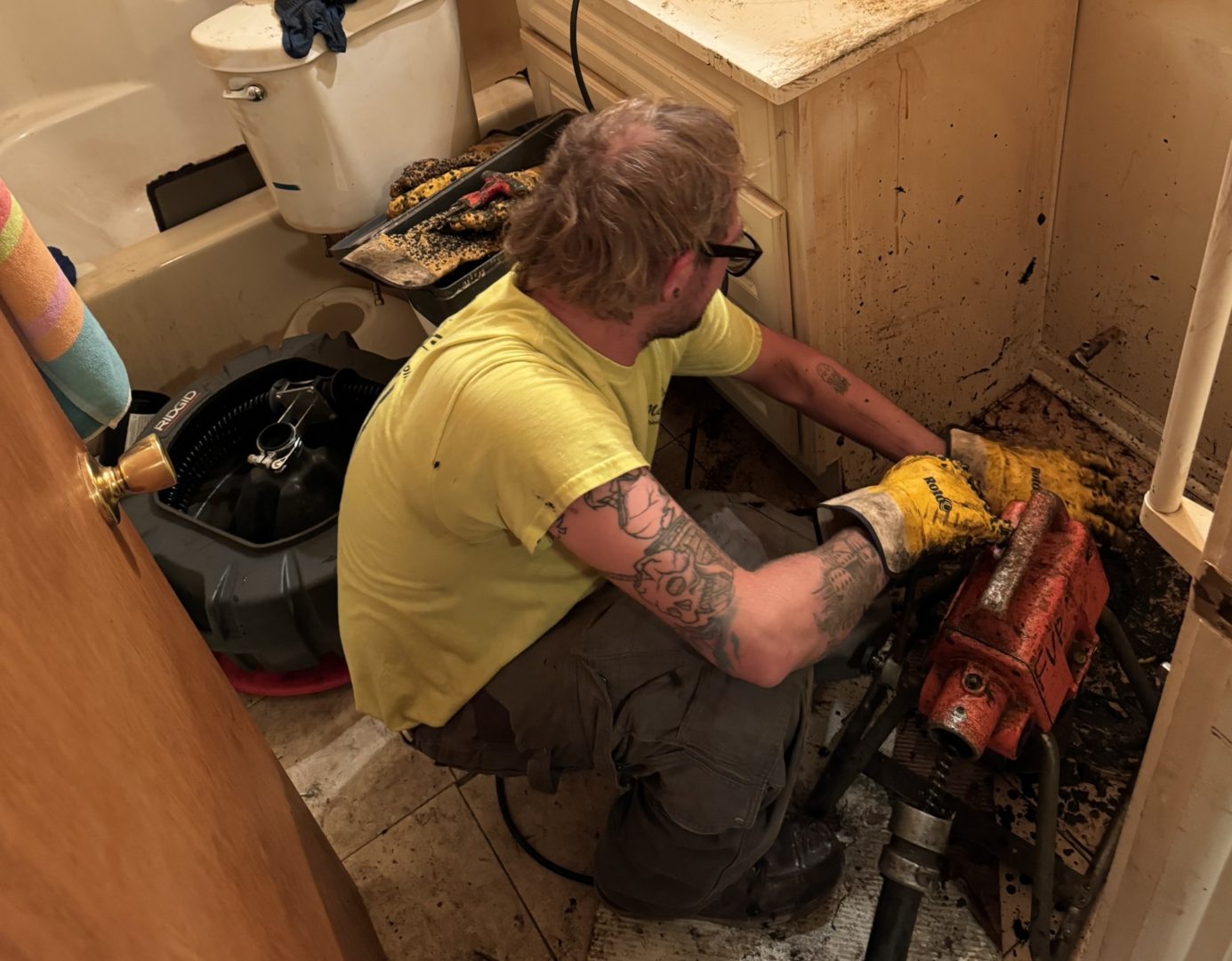
Plumber performing drain cleaning service in Elgin IL kitchen

Best Plumbers in Elgin Share the Advice Every Homeowner Should Actually Know

If you’ve lived in Elgin or the Fox Valley area for more than a few winters, you already know your home’s plumbing takes a beating. Hard water that clocks in between 15 and 25 grains per gallon, freeze-thaw cycles that stress every pipe in your walls, and sewer lines that have seen better decades, it adds up fast.

After more than 15 years as a licensed Master Plumber serving Elgin, South Elgin, Bartlett, and the surrounding western suburbs, we’ve seen the same preventable problems recur repeatedly.

Know Your Water: Elgin’s Hard Water Is Working Against Your Plumbing Every Day

Most homeowners don’t think about water chemistry until something breaks. But Elgin’s municipal water supply runs hard, typically 15 to 25 grains per gallon (GPG) — and that mineral load
quietly does damage 24 hours a day. Scale builds inside your water heater tank, reducing
efficiency and shortening its life. It coats the inside of supply lines. It clogs aerators and
showerheads. And it’s especially brutal on tankless water heaters, which need annual descaling
to stay efficient.

Here’s what we tell every Elgin homeowner: flush your water heater tank once a year to clear sediment, and if you’re on a tankless unit, schedule a vinegar flush or professional descale before it starts throwing error codes. A water softener is worth the investment if you’re replacing fixtures more often than you should be. The EPA’s drinking water guidance is a solid reference if you want to understand what’s actually in your tap water and why it matters for your plumbing system.

If your water heater is more than 10 years old and you’ve never had it serviced, it’s not a
question of whether it’ll fail — it’s when. Our water heater repair and installation service covers everything from a simple element swap to a full replacement, and we’ll tell you honestly whether a repair makes sense or whether you’re throwing money at a unit that’s already on borrowed time.

The Drain Myths That Are Costing Elgin Homeowners Real Money

Two of the most common pieces of plumbing “wisdom” we hear from homeowners are flat-out wrong, and they cause real damage.

Myth 1: Drano (or any chemical drain cleaner) fixes slow drains

Chemical drain cleaners work by generating heat through a caustic reaction. That heat can soften PVC fittings, eat through older galvanized pipe, and damage the rubber gaskets in your P-trap. Worse, if the clog doesn’t fully clear, you now have a pipe full of caustic liquid sitting on the blockage, and the next person who tries to clear it manually is in for a bad time. A slow drain is almost always a mechanical problem: grease buildup, hair, or a partial blockage deeper in the line. It needs a mechanical solution — a drain snake, a hand auger, or high-pressure water jetting for stubborn buildup.

Myth 2: “Flushable” wipes are safe to flush

They’re not. We pull these out of sewer lines constantly. Unlike toilet paper, wipes don’t
break down in water; they accumulate, catch grease and debris, and eventually create a blockage
that can back up your entire main line. If you’re using them, toss them in the trash. Your sewer line will thank you. If you’re already dealing with slow drains throughout the house or sewage backing up into a basement floor drain, that’s a main line issue — check out our main sewer line cleaning service or consider a video sewer inspection so you know exactly what you’re dealing with before spending a dime on repairs.

Plumber performing toilet drain cleaning service in Elgin IL

Backflow Prevention: The Annual Test Most Elgin Homeowners Don’t Know They Need

If your home has an irrigation system, a boiler, a fire suppression system, or any connection
where non-potable water could theoretically flow backward into your drinking water supply, you
likely have a backflow preventer — and in Illinois, it needs to be tested annually. This isn’t
optional. Under Illinois Department of Public Health regulations and the state’s cross-connection control requirements (Title 35, Part 653 of the Illinois Administrative Code), annual backflow testing is required for most commercial properties and many residential installations.

A lot of homeowners assume backflow is only an issue for commercial buildings or farms. It’s
not. Any cross-connection — a garden hose submerged in a bucket of fertilizer, an irrigation
head sitting in standing water, a boiler system tied to your domestic supply — is a potential
contamination path if pressure drops on the city side. The American Water Works Association has published extensive research on how cross-connection contamination events happen, and the mechanism is simpler and more common than most people realize.

Spring is the busiest season for backflow testing in the Fox Valley area — irrigation systems
come back online, municipalities ramp up inspections, and property managers scramble to get
compliant before deadlines. Don’t wait until April to schedule. Our backflow testing and installation service is available year-round, and we’ll handle the paperwork and reporting to your water authority.

What a Running Toilet Is Actually Costing You

A toilet that runs constantly, that faint hissing or the tank that refills every 20 minutes
for no reason is easy to ignore. It’s not loud, it’s not flooding anything, so it feels like a low-priority problem. It isn’t. A running toilet can waste between 200 and 700 gallons of water per day, depending on the severity of the leak. At Elgin water rates, that’s a meaningful hit to your monthly bill, and it compounds every single day you let it go.

The fix is almost always a worn flapper, a faulty fill valve, or a float that’s set too high.
These are inexpensive parts. The labor is minimal. We’ve fixed running toilets in under 30
minutes on service calls where the homeowner had been paying extra on their water bill for
months without connecting the dots. If you’ve got a toilet that runs, don’t wait — it’s one of
the highest-ROI repairs in residential plumbing.

For broader fixture issues, leaky faucets, worn shut-off valves, and outdated hardware, our
faucet and fixture service covers the full range of repairs and upgrades. And if you’re in an older Elgin home with original galvanized supply lines or polybutylene pipe (common in homes built between the 1970s and mid-1990s), a conversation about repiping is worth having before you’re dealing with a
failure inside a wall.

Seasonal Plumbing: What Fox Valley Winters and Springs Actually Do to Your System

Elgin’s climate is not gentle on plumbing. Here’s what we see every year, broken down by season,
so you can stay ahead of it.

Winter: Frozen pipes and water heater failures

When temperatures drop below zero, as they do in the Fox Valley, they do, any supply line running
through an exterior wall, unheated garage, or crawl space is at risk. Pipes in those locations
should be insulated before November. If you’re leaving town for more than a few days, keep your
thermostat at 55°F minimum and know where your main shut-off valve is. If a pipe does freeze
and burst, the main shut-off is the first thing you hit. Water heaters also work harder in
winter, as incoming groundwater is colder, so the unit runs longer cycles. If yours is already
struggling, winter is when it fails.

Spring: Sump pump season and backflow testing

Spring snowmelt and rain put serious pressure on sump pumps across the Fox Valley. If your
sump pump hasn’t been tested since last spring, test it now. Pour a bucket of water into the
pit, and make sure it kicks on and drains completely. A battery backup is worth every penny if
you’ve got a finished basement; power outages and heavy rain tend to arrive together. Our
sump pump and battery backup service can get you set up before the ground thaws.

Summer and fall: Sewer lines and winterization

Summer is peak season for sewer line problems. Tree roots are actively growing and seeking
moisture, and they find it in older clay or cast-iron sewer lines. If you’re in an Elgin
neighborhood with mature trees and a home built before 1980, a periodic video inspection is
cheap insurance. Fall is the time to winterize outdoor hose bibs, drain irrigation systems,
and check your water heater’s anode rod before the cold hits.

How to Actually Evaluate a Plumber Before You Hire One

Not all plumbers are equal, and in Illinois, the licensing structure matters. Under IAPMO plumbing standards and 225 ILCS 320 (the Illinois Plumbing License Law), plumbers must be licensed
through the state. There are different license tiers: apprentice, journeyman, and Master
Plumber. A Master Plumber license, the highest level, requires passing a state exam,
documented field experience, and ongoing continuing education. When you hire a plumbing
company, ask whether a licensed Master Plumber is on staff and whether they’ll be the one pulling permits on your job.

Beyond licensing, look for:

  • Proof of insurance — general liability and workers’ comp protect you if something goes wrong on your property.
  • Transparent pricing — a reputable plumber gives you a written estimate before starting work, not a surprise invoice at the end.
  • Real reviews — look at Google reviews specifically, and read the negative ones. How a company responds to complaints tells you more than the star rating.
  • Local presence — a plumber who’s been serving your specific area for years knows the local water chemistry, the common pipe materials in your neighborhood’s era of construction, and the quirks of your municipality’s code enforcement.

Fox Valley Plumbing & Backflow holds an Illinois Master Plumber license #058-161084
and Plumbing Contractor license #055-042593. We’ve been working in Elgin and the surrounding Fox Valley communities for over 15 years. You can read more about how we operate on our about us page, including our service guarantee and what to expect when you call.

This Old House has a solid homeowner’s guide to vetting contractors if you want a broader framework for evaluating any trade professional. The principles apply directly to plumbing.

Frequently Asked Questions

How often should I have my plumbing inspected in an older Elgin home?

For homes built before 1980, we recommend a plumbing inspection every three to five years at a
minimum, sooner if you’re buying the home or if you’ve had recurring issues. Older Elgin
homes often have galvanized steel supply lines that corrode from the inside out, cast-iron
drain lines that crack and root-intrude, and in some cases polybutylene pipe (a defective
material used through the mid-1990s that’s prone to sudden failure). A video sewer inspection
and a visual supply-line check can catch problems before they become emergencies. It’s a
fraction of the cost of a burst pipe or a sewage backup.

What’s the difference between a plumber and a Master Plumber in Illinois?

In Illinois, plumbing licenses are tiered under 225 ILCS 320. An apprentice works under supervision. A journeyman plumber is licensed to perform plumbing work independently. A Master Plumber has passed the highest-level state exam, has documented years of field experience, and is authorized to pull permits and supervise others. When you’re hiring for anything beyond a simple repair, a remodel, a new installation, or a gas line, you want a Master Plumber on the job. It’s not just a credential; it’s a meaningful difference in knowledge and accountability.

My water pressure seems low. What causes that in Elgin homes?

Low water pressure in Elgin homes usually comes down to one of three things: mineral buildup
inside galvanized supply lines (very common in homes over 40 years old), a partially closed
or failing pressure-reducing valve (PRV), or a leak somewhere in the system that’s bleeding
pressure. Elgin’s hard water — 15 to 25 GPG — accelerates scale buildup inside older pipes,
and eventually the interior diameter narrows enough to noticeably reduce flow. If you’ve got
low pressure throughout the house (not just one fixture), it’s worth having a plumber check
your PRV setting and inspect your supply lines before assuming you need a full repipe.

Is backflow testing really required for residential properties in Illinois?

It depends on what’s connected to your plumbing. If you have an in-ground irrigation system,
a boiler, a fire suppression system, or any other cross-connection, Illinois cross-connection
control rules (Title 35, Part 653) require that a backflow preventer be installed and tested
annually by a certified tester. Many municipalities in the Fox Valley area — including Elgin —
actively enforce this and send notices to property owners. Ignoring it can result in fines or
water service interruption. If you’re not sure whether your property requires testing, call us,
and we’ll tell you straight.

When should I replace my water heater instead of repairing it?

The general rule: if your water heater is under eight years old and the repair cost is less
than 50% of replacement cost, repair it. If it’s over 10 years old, repair costs are adding
up, or you’re seeing rust-colored water or a corroded anode rod, replacement is almost always
the smarter financial move. Elgin’s hard water shortens water heater life compared to
national averages — sediment accumulates faster, the anode rod depletes faster, and the tank
works harder year-round. A tankless water heater is worth considering if you’re replacing
anyway; sizing matters more than most people realize, so talk through your household’s peak
demand before you buy.

Ready to Work with Elgin’s Trusted Plumbing Team?

Whether you’ve got a specific problem you’re trying to diagnose or you just want a licensed
professional to take a look at a system that’s been nagging at you, we’re here. Fox Valley
Plumbing & Backflow has been the go-to for Elgin homeowners, property managers, and commercial
operators across the Fox Valley for over 15 years — not because we’re the flashiest operation,
but because we show up, we’re straight with you, and we do the work right the first time.

We’re available 24/7 for emergencies, and we offer current promotions and seasonal offers for new and returning customers. If you want to know what a membership looks like for ongoing priority service, check out our Preferred Customer Membership.

Call us at (847) 624-3872 to schedule a service call, ask a question, or
get an honest estimate. Or reach out through our contact page, and we’ll get back to you fast. Your plumbing shouldn’t be a source of stress. Let’s keep it that way.

Licensed plumber performing toilet repair in Elgin IL bathroom

If you’ve been dealing with a constantly running toilet, an unexplained spike in your water bill, or a fixture that just won’t flush the way it should, you’re not alone. Toilet repair in Elgin IL is one of the most common calls we get at Fox Valley Plumbing, and the first question homeowners always ask is the same: “Should I fix this thing, or just replace it?”

We’ve been answering that question for Elgin homeowners for over 15 years. With more than 125 five-star reviews and a BBB A+ rating, the Fox Valley Plumbing team has seen just about every toilet problem imaginable — from a simple flapper swap to a full bathroom plumbing overhaul. The honest answer depends on a few key factors: how old your toilet is, what’s actually broken, and whether the repair cost makes financial sense long-term. This guide breaks it all down in plain language so you can make a confident decision before spending a dime.

Quick tip: If your toilet is under 10 years old and the problem is a worn flapper or fill valve, repair is almost always the right call. If it’s pushing 20 years or has cracked porcelain, start budgeting for a replacement.

The Most Common Toilet Problems (And Whether They’re Worth Fixing)

Before you panic or reach for a credit card, it helps to know what you’re actually dealing with. Most toilet problems fall into a handful of predictable categories, and many of them are straightforward repairs.

Running Toilet

A running toilet is one of the sneakiest plumbing problems in any home. It rarely floods, so people ignore it — but a toilet that runs constantly can waste up to 200 gallons of water every single day. That’s $50 or more added to your monthly water bill without you even noticing.

The good news? Running toilet repair is usually simple and inexpensive. Nine times out of ten, the culprit is a worn flapper valve or a faulty fill valve — both are cheap parts that a plumber can swap out in under an hour. This is a clear “repair” situation.

Weak or Incomplete Flush

If your toilet needs two flushes to do the job of one, the issue is typically a clogged rim jet, a low water level in the tank, or a partially blocked drain. All of these are repairable. Clogged rim jets can be cleared chemically or manually, and water level adjustments take minutes.

Toilet That Rocks or Leaks at the Base

A toilet that wobbles or shows water pooling around the base has a failed wax ring seal. Left alone, this will rot your subfloor and potentially cause mold. A wax ring replacement costs $150–$300 with labor — a worthwhile repair if the toilet itself is in good shape.

Cracked Tank or Bowl

This one is different. A crack in the porcelain — even a hairline crack — is a red flag. Porcelain doesn’t repair reliably, and an ongoing, slow leak will damage the flooring over time. If the crack is in the bowl itself, replacement is the only sound option.

How Toilet Age and Water Efficiency Factor Into the Decision

toilet repair, Elgin IL, running toilet, bathroom plumbing in Elgin IL home


Here’s something a lot of homeowners don’t think about: even if your old toilet isn’t broken, it might be costing you money every single month.

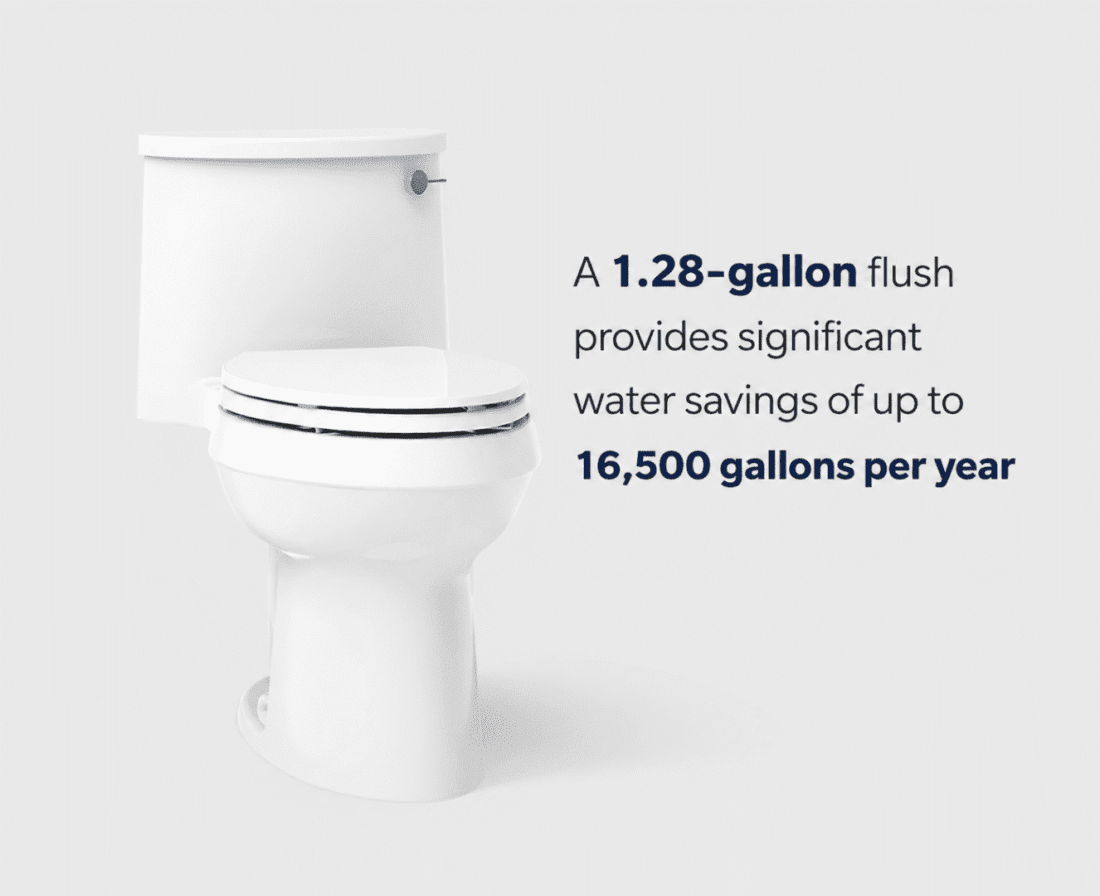
Toilets manufactured before 1994 use 3.5 to 7 gallons per flush (GPF). Modern EPA WaterSense-certified toilets use just 1.28 GPF — that’s a savings of up to 60% on toilet-related water use. For a family of four, that can add up to $100+ per year.

If your toilet was installed before the turn of the millennium and you’re already dealing with repair costs, that’s a strong signal to replace rather than sink more money into an inefficient fixture.

The Age Rule of Thumb

  • Under 10 years old: Repair is almost always the right move. Parts are available, and the fixture has plenty of life left.
  • 10–20 years old: Evaluate the repair cost. If you’re looking at more than $200–$300 in repairs, replacement starts to make financial sense.
  • Over 20 years old: Unless the toilet is in flawless condition, replacement usually wins. You’ll recoup the cost in water savings and avoid a cascade of future repairs.

Repair vs. Replace: A Quick-Reference Guide for Elgin Homeowners

Still on the fence? This table covers the most common scenarios and gives you a clear starting point before calling for bathroom plumbing services in Elgin.

Situation Recommendation Why
Running toilet (faulty flapper or fill valve) ✅ Repair Cheap part, quick fix — usually under $150 total.
Weak flush / clogged rim jets ✅ Repair Easily cleared; no structural issue.
Toilet rocks (failed wax ring) ✅ Repair Straightforward fix if porcelain is intact.
Cracked bowl or tank ❌ Replace Porcelain can’t be reliably patched long-term.
Toilet over 20 years old ❌ Replace Water savings alone often justify a new unit.
Repeated repairs within 12 months ❌ Replace You’re approaching the cost of a new toilet anyway.
Pre-1994 high-flow toilet ❌ Replace Upgrade to WaterSense and start saving immediately.
Toilet under 10 years, single repair needed ✅ Repair Plenty of life remaining; no reason to replace.

When to Stop DIYing and Call a Plumber for Toilet Installation Near You

YouTube has made a lot of homeowners more confident about DIY plumbing — and that’s not a bad thing. Swapping a flapper valve is genuinely something most people can handle. But there’s a category of toilet work where calling a licensed plumber is the smarter and safer play.

Call a Pro When:

  • You’re installing a brand-new toilet (improper installation leads to leaks, rocking, and wax ring failure)
  • There’s visible water damage around the base or under the floor
  • You suspect a clog beyond the toilet trap — it may be in the main drain line
  • The shut-off valve behind the toilet won’t close completely
  • You’re upgrading to a bidet toilet or smart toilet with electrical requirements
  • The toilet is in a tight space, upstairs bathroom, or involves subfloor work

Searching for “toilet installation near me” in Elgin? Fox Valley Plumbing’s licensed technicians handle installs and complex repairs across the Fox Valley area — typically with same-day availability.

What to Expect: Costs, Timeline, and What a Plumber Will Do

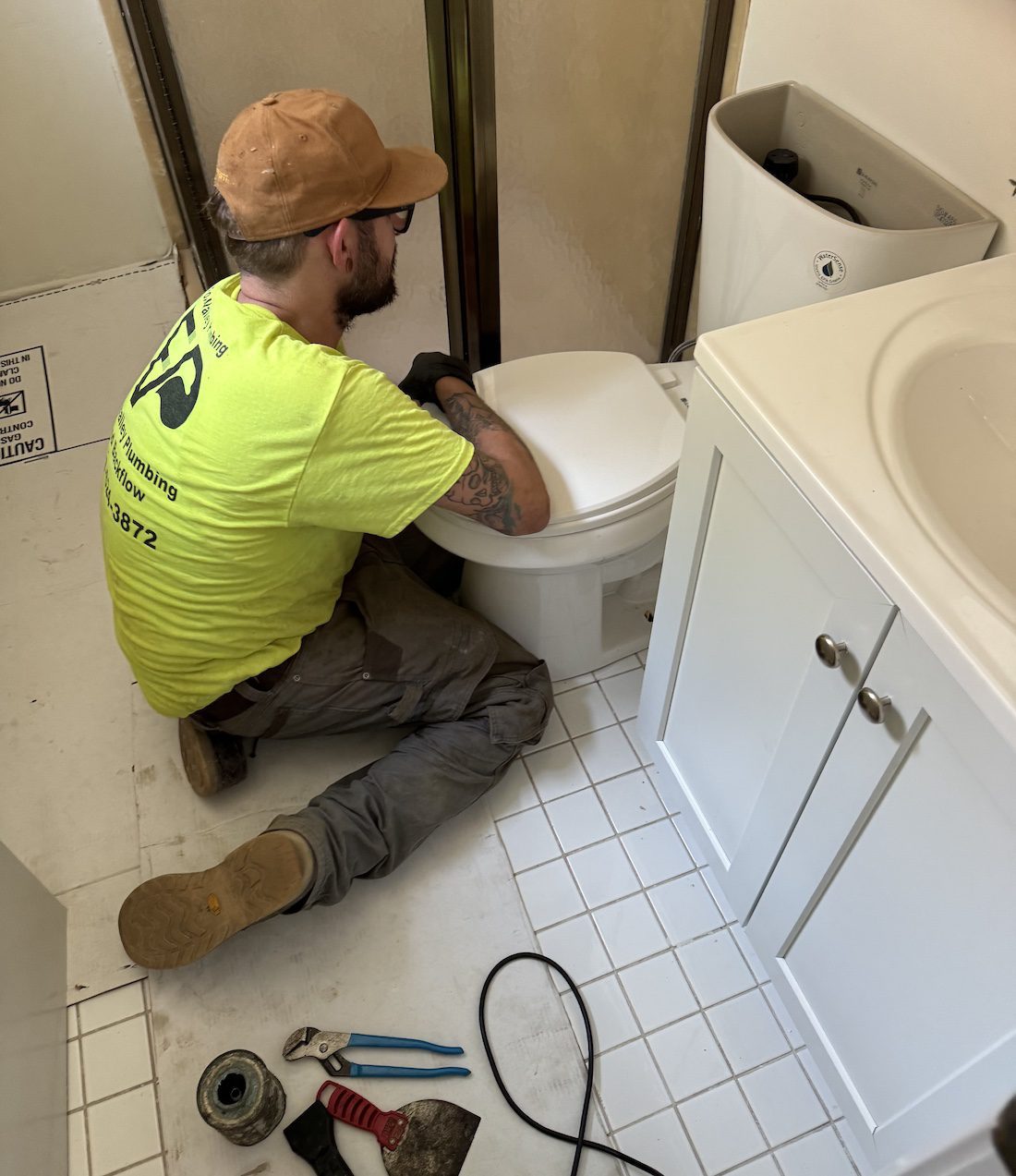
Fox Valley Plumbing technician installing a new toilet in Elgin IL bathroom

Typical Repair Costs

  • Flapper or fill valve replacement: $75–$150
  • Wax ring replacement: $150–$300
  • Handle or flush valve repair: $80–$175
  • Running toilet diagnosis + repair: $100–$200

Typical Installation Costs

  • Standard toilet installation (labor only): $150–$350
  • Toilet + installation (mid-range fixture included): $400–$800
  • High-efficiency or comfort-height upgrade: $500–$1,200

These are general ranges. Actual pricing can vary based on your home’s plumbing setup, local permit requirements, and whether any subfloor or supply line work is needed. A reputable plumber — like the team at Fox Valley Plumbing — will give you a clear upfront estimate before any work begins.

What the Process Looks Like

  1. A technician arrives, inspects the toilet and surrounding plumbing, and diagnoses the issue.
  2. You receive a written estimate before any work starts.
  3. If repairing, parts are typically on the truck, and work is completed on the same visit.
  4. If replacing, your plumber removes the old unit, sets and levels the new toilet, installs a fresh wax ring, connects the supply line, and tests for leaks.
  5. Old toilet disposal is handled — you don’t have to figure out how to get rid of 80 pounds of porcelain.

Choosing a Replacement Toilet: What Elgin Homeowners Should Know

If you’ve decided replacement is the way to go, the market has genuinely improved. Today’s toilets are quieter, more efficient, and far more comfortable than older models. Here are the features worth paying attention to:

  • WaterSense Certification: Look for the EPA WaterSense label. These toilets use 1.28 GPF or less and can save a household roughly 13,000 gallons per year.
  • Comfort Height (ADA): Also called “right height” toilets — the seat sits 17–19 inches from the floor, which is easier on knees and hips. Highly recommended for anyone over 50 or with mobility concerns.
  • Elongated vs. Round Bowl: Elongated bowls are more comfortable for most adults; round bowls are better for smaller bathrooms where space is tight.
  • Dual Flush: One flush setting for liquid waste (0.8 GPF), another for solid waste (1.6 GPF). A great middle ground if maximum water savings is a priority.
  • Rough-in Size: Most homes have a 12-inch rough-in (distance from wall to drain center). Measure before you buy — the wrong rough-in size means the toilet won’t fit properly.

Pro tip from Fox Valley Plumbing: Don’t buy a toilet from a big-box store and then call a plumber to install it without checking first. Some brands and models have known installation quirks. We’re happy to recommend fixtures that we know install cleanly and last — just ask when you call.

Why Hiring a Local Elgin Plumber Matters More Than You Think

When your toilet is acting up, it’s tempting to just call whoever shows up first on Google. But there’s a real difference between a local plumber who knows the Elgin area and a large national dispatch service.

Local plumbers know the age of the housing stock in your neighborhood, the quirks of older drain systems common in Fox Valley homes, and what products hold up in the Midwest climate. They also tend to show up faster, charge fairly, and stand behind their work — because their reputation is built entirely on local word of mouth.

Fox Valley Plumbing has been serving Elgin and the surrounding Fox Valley communities for over 15 years. Based right here at 953½ Grace St in Elgin, our licensed and insured technicians know the specific plumbing challenges that homeowners in this area face. We hold a 4.8-star Google rating across 125+ reviews and a BBB A+ accreditation — and we back every job with honest upfront pricing. Whether you need a quick running toilet repair or a full bathroom plumbing service, we’re a call away at (847) 624-3872.

You can also learn more about local plumbing codes and water quality in Elgin through the City of Elgin Water Department. Understanding your local water supply — including its hardness level — can actually help you predict how quickly toilet components will wear out.


Need Toilet Repair in Elgin IL? We’re Ready to Help.

Fox Valley Plumbing offers same-day and 24/7 emergency toilet repair and installation throughout Elgin, South Elgin, Bartlett, Streamwood, Hanover Park, and the entire Fox Valley area. Licensed, insured, BBB A+ rated — and upfront with pricing, always.

📞 Call (847) 624-3872 Now

Frequently Asked Questions About Toilet Repair in Elgin IL

How much does toilet repair cost in Elgin IL? Most toilet repairs in Elgin IL range from $75 to $250, depending on the part and labor involved. Simple fixes like a flapper or fill valve replacement sit at the lower end, while a cracked tank or wax ring replacement can push toward the higher end. Fox Valley Plumbing provides a written estimate before any work begins, so there are no surprises.

How do I know if my toilet needs to be replaced? If your toilet is over 20 years old, requires frequent repairs, uses more than 3.5 gallons per flush, or shows hairline cracks in the porcelain, replacement is usually the smarter investment. A licensed plumber can give you a professional opinion after a quick inspection.

Can a running toilet really increase my water bill that much? Absolutely. A running toilet can waste up to 200 gallons of water per day. Over a month, that adds up to 6,000 gallons, which can add $50 or more to your water bill, depending on Elgin’s current water rates. Running toilet repair is almost always a worthwhile same-day fix.

How long does toilet installation take? A professional toilet installation typically takes 1–2 hours from start to finish. That includes removing and disposing of the old unit, setting the new toilet with a fresh wax ring, connecting the supply line, and testing everything for leaks.

Do you offer same-day toilet repair near me in Elgin? Yes. Fox Valley Plumbing offers same-day and 24/7 emergency plumbing services throughout Elgin, South Elgin, Bartlett, Streamwood, Hanover Park, and surrounding Fox Valley communities. Call (847) 624-3872 and we’ll dispatch a licensed plumber as fast as possible.

What should I do while waiting for a plumber if my toilet is overflowing? Reach behind the toilet and turn the shut-off valve clockwise until it stops — this cuts the water supply to the tank and stops the overflow. If the valve is stuck or broken, locate your home’s main water shut-off and turn that off instead. Then call Fox Valley Plumbing for emergency service.


More Helpful Resources from Fox Valley Plumbing


Fox Valley Plumbing is a licensed and insured plumbing company based in Elgin, IL (953½ Grace St, Elgin IL 60120) with over 15 years of experience serving the Fox Valley area. We hold a 4.8-star Google rating (125+ reviews), a BBB A+ accreditation, and offer 24/7 emergency service. Our technicians specialize in toilet repair, drain cleaning, water heater service, sump pump repair, and sewer line work for residential and commercial customers throughout Elgin, South Elgin, Bartlett, Streamwood, and Hanover Park. Learn more about our team.