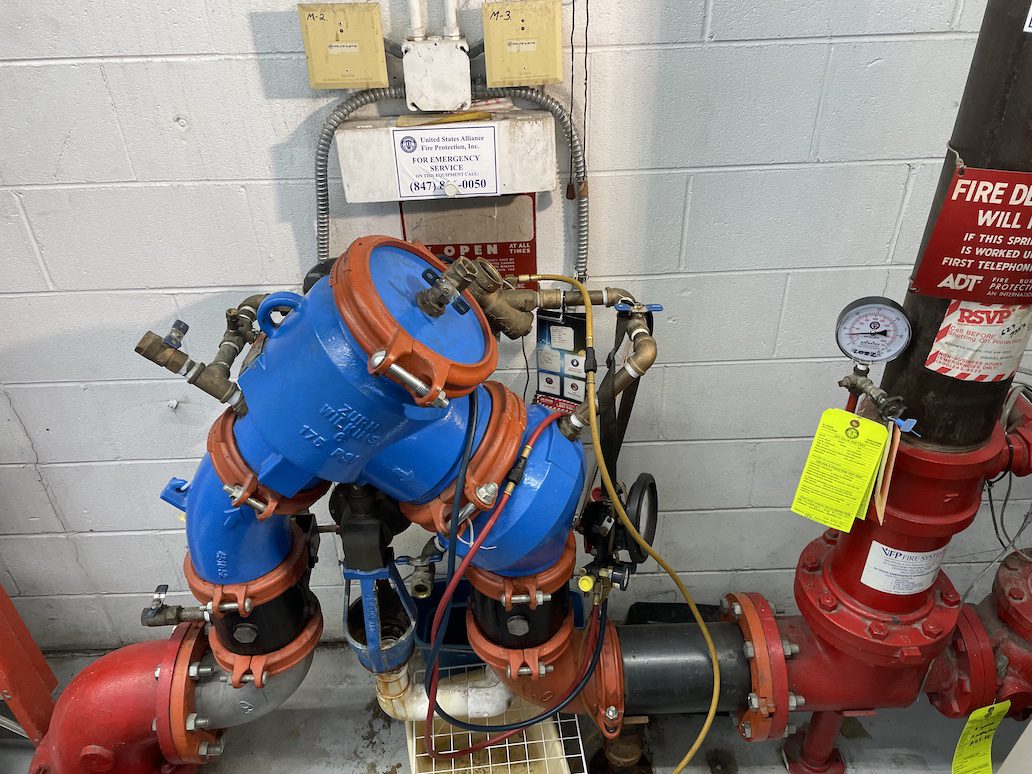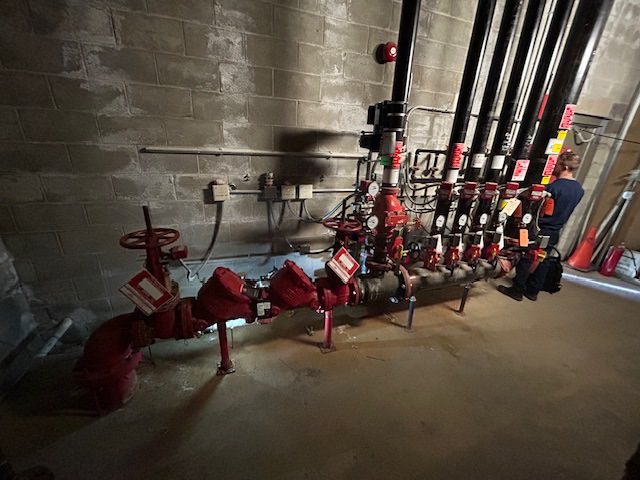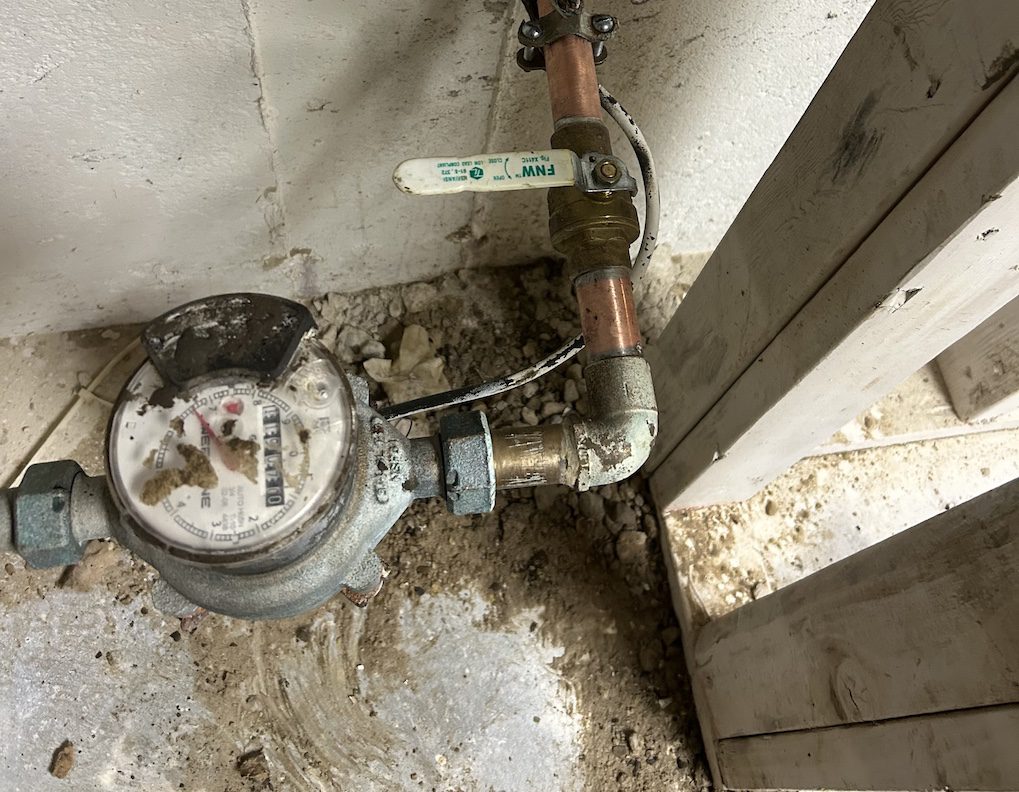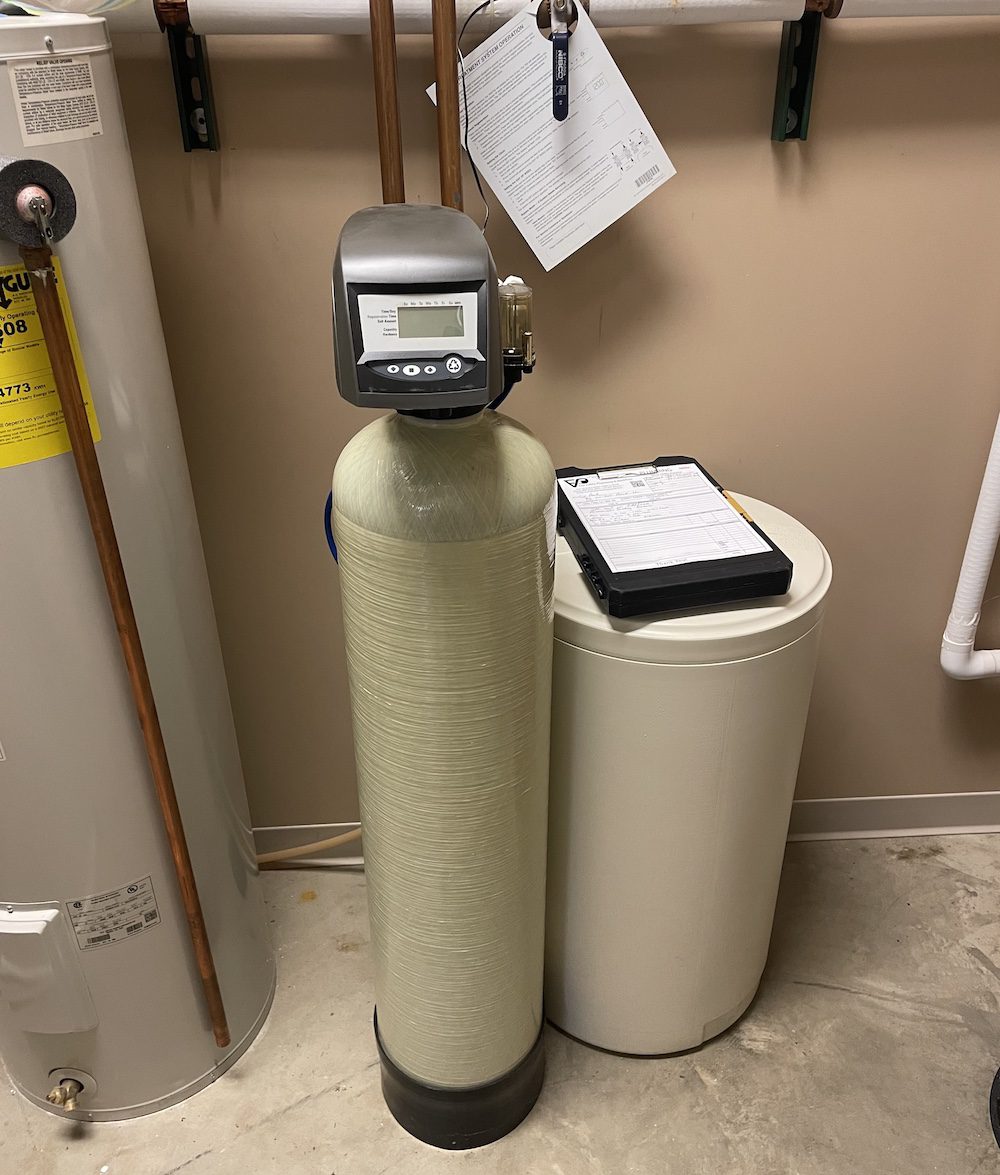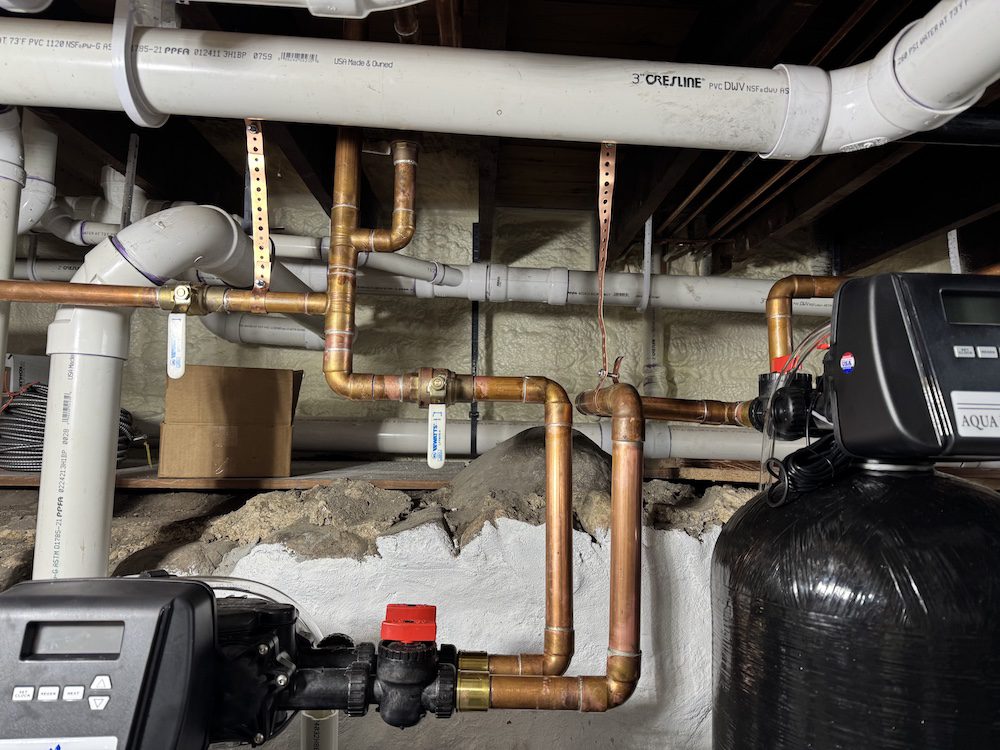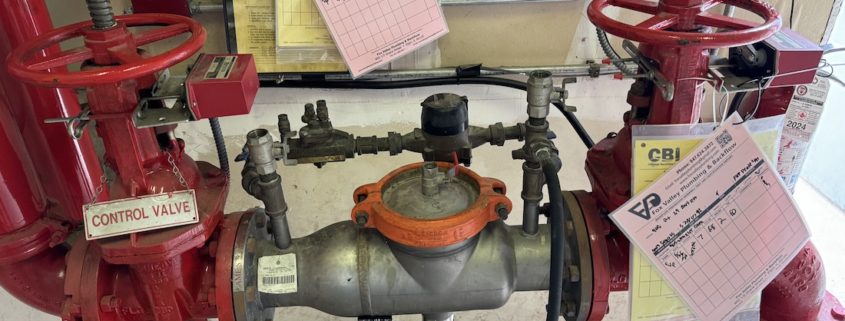
Backflow preventer device installed on residential water supply line with test ports visible

TL;DR: When Code Requires a Backflow Preventer Device
Is a backflow preventer required by code? In most cases, yes. Local plumbing codes mandate these devices to protect your drinking water from contamination. Here’s what you need to know about compliance and enforcement.

  • Learn when a backflow preventer device is required by local and state plumbing codes.
  • Understand who enforces backflow prevention requirements and what triggers an inspection.
  • Discover which properties need protection based on hazard level and connection type.
  • Find out what happens if you ignore the code and skip installation or testing.
  • See how to stay compliant with annual testing and avoid fines or water shutoff.

Know the rules, protect your water, and keep your property up to code.

Building codes exist for a reason. When it comes to your water supply, a backflow preventer device stands between clean drinking water and potential contamination. Most municipalities don’t leave this to chance—they write it into law.

Let’s break down when a backflow preventer is required by code, who enforces it, and what you risk by ignoring the rules.

Why Plumbing Codes Require Backflow Prevention Devices

Clean water isn’t optional. It’s a public health issue. That’s why plumbing codes across the country require backflow prevention at specific connection points. The goal is simple: stop contaminated water from flowing backward into the municipal supply.

A single cross-connection without protection can affect an entire neighborhood. Imagine fertilizer from an irrigation system or chemicals from a commercial cleaning operation reaching the main water line. One pressure drop is all it takes.

Code requirements exist because voluntary compliance doesn’t work at scale. When public health is at stake, regulations fill the gap. Your backflow preventer device isn’t just protecting your home—it’s protecting everyone downstream.

Federal Guidelines vs. Local Plumbing Codes

The Safe Drinking Water Act sets the foundation at the federal level. It requires public water systems to maintain safe drinking water standards. However, the specifics of backflow prevention fall to state and local authorities.

Most states adopt a version of the International Plumbing Code or Uniform Plumbing Code. These model codes include backflow prevention requirements, but local jurisdictions can modify or strengthen them. Your city or county plumbing code is the final word on what’s required at your property.

This means requirements vary by location. What’s mandatory in Chicago might differ from what’s enforced in a small Wisconsin township. Always check with your local water authority or building department for the exact rules in your area.

Which Properties Require a Backflow Preventer by Code

Not every faucet needs a dedicated device. Code requirements target specific risk points where contamination is most likely.

Residential properties typically need protection on irrigation systems, swimming pool fill lines, and boiler connections. If you have a sprinkler system tied to the municipal supply, you almost certainly need a backflow preventer device installed.

Commercial buildings face stricter requirements. Restaurants, medical facilities, car washes, and manufacturing plants all have high-hazard connections. Fire suppression systems also require protection in most jurisdictions.

New construction triggers automatic compliance. Your building permit won’t close without proper backflow prevention in place. Renovations that add new water connections may also require installation and inspection.

Common Cross-Connections That Trigger Code Requirements

  • Lawn irrigation and sprinkler systems
  • Fire sprinkler and standpipe connections
  • Boilers and radiant heating loops
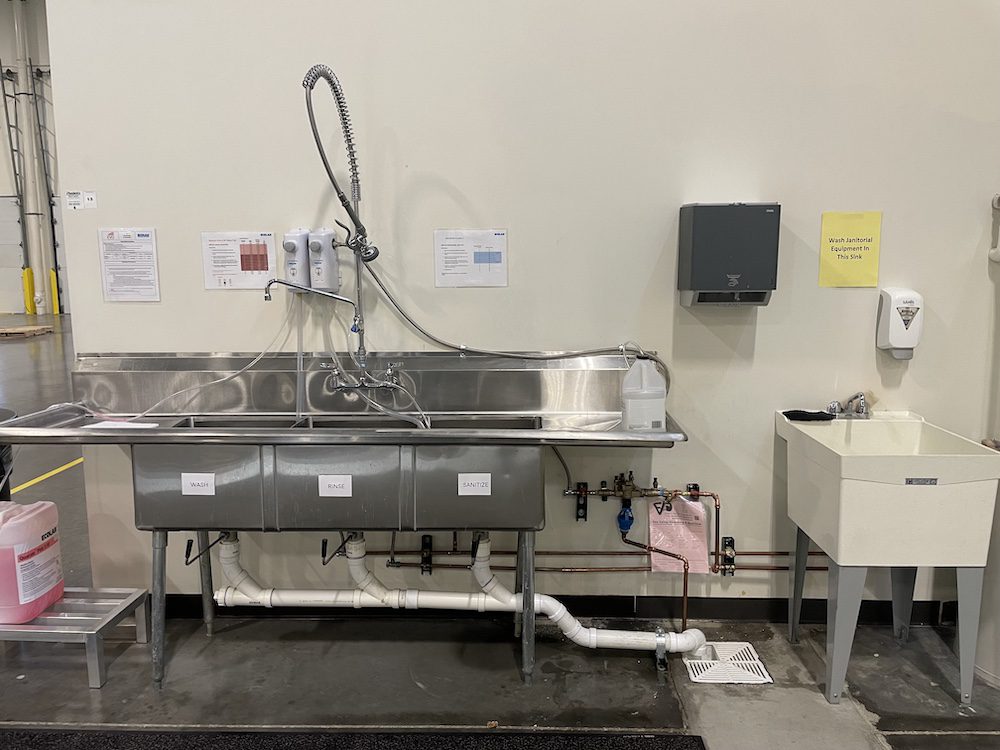
  • Commercial kitchen equipment and dishwashers
  • Swimming pools and spa fill lines
  • Chemical mixing stations and pressure washers

If your property has any of these connections, assume a backflow preventer is required until you confirm otherwise with local code.

backflow prevention assembly for code compliance in commercial buildings

Who Enforces Backflow Prevention Requirements

Enforcement typically falls to the local water utility or health department. They maintain cross-connection control programs that track which properties need devices and whether testing is current.

Many utilities send annual reminders when testing is due. Miss the deadline, and you might receive a warning letter. Continue ignoring it, and they can shut off your water service until you comply.

Building inspectors also play a role during construction and renovation. They verify that the correct backflow preventer device is installed before signing off on permits. Code enforcement officers may investigate complaints or conduct random inspections in some areas.

What Happens If You Don’t Comply with Backflow Code

Skipping installation or testing isn’t worth the risk. Consequences range from inconvenient to expensive.

Fines vary by jurisdiction but can reach several hundred dollars per violation. Some areas assess daily penalties until you come into compliance.

Water shutoff is the ultimate enforcement tool. Utilities have the authority to disconnect service if you refuse to install required devices or submit testing documentation.

Liability extends beyond fines. If contamination traces back to your property, you could face lawsuits, cleanup costs, and even criminal charges in extreme cases.

Insurance issues may also arise. Some policies exclude coverage for damage caused by code violations. A contamination event could leave you personally responsible for costs that would otherwise be covered.<

Real Consequences Property Owners Have Faced

  • Water service disconnected until device installed
  • Fines exceeding $500 for missed testing deadlines
  • Denied occupancy permits on new construction
  • Required retrofit during property sale inspections
  • Legal action following contamination incidents

Annual Testing Requirements and Certified Testers

Installation is only the first step. Most codes require annual testing by a certified backflow tester. The test confirms that the internal valves and seals continue to function correctly under pressure.

Testers must hold certification from an approved program. They submit results directly to the water utility or cross-connection control office. You should receive a copy for your records and keep it accessible for future reference.

Some jurisdictions require more frequent testing for high-hazard connections. Others mandate testing after any repair or replacement. Know your local schedule and mark the calendar.

How to Find a Certified Backflow Tester

Your water utility often maintains a list of approved testers. Plumbing contractors with backflow certification can handle both repairs and testing. Always verify credentials before hiring—an uncertified test won’t satisfy code requirements.

Contact us for certified backflow testing and inspection services to stay compliant year-round.

Cost of Compliance vs. Cost of Violations

Annual testing runs between $50 and $150, depending on device type and location. Compare that to potential fines, water shutoff fees, and reconnection charges. Compliance is the cheaper option every time.

Stay Ahead of Code Requirements and Protect Your Water

A backflow preventer device does more than satisfy a code requirement. It protects your drinking water and shields you from liability. Know what your local code demands, install the right device, and schedule annual testing without fail.

Don’t wait for a warning letter or a failed inspection to take action. Check your property for cross-connections, verify your device is current, and keep documentation organized. It’s a small investment that prevents major headaches down the road.

Treat code compliance like routine maintenance—handle it now so you never have to think about it later.

Learn more about our backflow installation and inspection services here.

A professional plumber cleaning a clogged drain line using specialized tools.

TLDR: Why Drain Cleaning in Elgin IL Matters
Professional drain cleaning in Elgin IL keeps your plumbing system flowing properly, protects your home from sewer backups, and prevents unexpected damage. This guide explains how proper cleaning works, why it’s essential, and why hiring a trained plumber is the safest long-term choice.

You’ll discover:

  • How expert drain cleaning eliminates clogs before they turn into costly repairs.
  • The main tools plumbers use to clear pipes safely and thoroughly.
  • Simple signs that warn you a blockage is forming.
  • Why professional equipment beats store-bought cleaners every time.
  • The key benefits of preventing sewer backups, flooding, and slow drains.

With routine service and proper care, your pipes stay clear, your plumbing runs smoothly, and you avoid messy surprises.

When drains slow to a crawl or wastewater begins backing up, trouble usually isn’t far behind. A small blockage can quickly turn into a major sewage spill. That moment of stress is exactly what professional drain cleaning in Elgin IL is designed to prevent. It clears buildup before it becomes a disaster and keeps water moving the way it should.

Why Drain Cleaning in Elgin IL Matters

A shower that fills with water. A kitchen sink that gurgles. A toilet that struggles to flush. These are early warnings that your drains need attention. Ignoring them gives grease, soap, hair, and debris time to harden into a full blockage.

A professional plumber identifies the clog, clears it safely, and protects your home from overflow.
The right tools reach deep into your drain system — far beyond what plungers or chemical cleaners can handle.

Drain cleaning doesn’t only fix today’s blockage. It also protects you from hidden problems like partially collapsed pipes, intrusive tree roots, or sewer line buildup. Early intervention keeps small issues from becoming emergencies.

How Professional Drain Cleaning Works

When a blockage forms, plumbers use specialized equipment to break it apart and restore proper flow. Tools like drain snakes, augers, and hydro-jetting machines remove debris from the full length of the pipe.

A video inspection may be used to find the exact problem. This ensures the clog is cleared without damaging the line.

Hydro jetting blasts away grease, sludge, and roots with high-pressure water. This method cleans pipes wall-to-wall, giving you long-lasting results that off-the-shelf cleaners can’t match.

Routine checks help keep your drains ready for anything. Small maintenance steps can prevent backups when guests arrive, storms hit, or multiple fixtures run at once.

 A sink overflowing from a clogged drain, showing signs of a severe blockage.

Top Benefits of Professional Drain Cleaning

Clean drains protect your home, plumbing system, and wallet. Grease and debris cause foul odors, slow water movement, and pressure buildup that can lead to burst pipes.

Keeping lines clear prevents sewage backups — a costly and hazardous issue that can damage drywall, flooring, and personal items.

You also save money by avoiding emergency repairs. Routine cleaning keeps your plumbing efficient, improves indoor air quality, and helps your entire drainage system last longer.

Insurance companies appreciate proper maintenance, especially when sewer backup coverage is involved.

How to Know You Need Drain Cleaning in Elgin IL

Every home shows warning signs before a major blockage forms.
Watch for:

  • Water pooling in showers or tubs.
  • Gurgling noises from sinks or toilets.
  • Slow drains throughout the home.
  • Frequent clogs in the same fixture.
  • Unpleasant odors coming from drain openings.
  • Backups in the basement or laundry lines.

If you notice more than one of these issues at once, it often signals a deeper blockage in the main line.

Professional Help for Drain Cleaning in Elgin IL

Many homeowners rely on licensed plumbers for drain cleaning because they understand how local systems in Elgin are built and how older homes behave. A professional uses the right tools, avoids pipe damage, and ensures the blockage is fully removed — not pushed farther down.

If you’re unsure who handles drain cleaning in Elgin IL, contact a trusted plumbing company. They’ll diagnose the issue, recommend the right cleaning method, and ensure your system stays safe and reliable.

Expert cleaning also prevents chemical damage to pipes and keeps your sewer line operating properly year-round.

Routine Care Keeps Your Drains Reliable

Once your drains are restored, simple habits keep them flowing smoothly. Avoid grease in kitchen sinks. Use drain screens. Rinse lines with hot water occasionally. Schedule routine cleaning if your home has older piping or heavy usage.

A little attention now prevents major stress down the road. When drains run clearly and quietly, you avoid odors, backups, and repairs.

Trust the Pros to Keep Your Plumbing Flowing

Professional drain cleaning in Elgin IL protects your home from backups, flooding, and long-term damage. Experienced plumbers clear blockages thoroughly and keep your plumbing system ready for whatever comes next.

For long-lasting peace of mind, schedule routine drain maintenance and protect your home from unexpected plumbing troubles. Learn more about our drain cleaning and sewer repair services here.

A technician repairing a residential electric water heater in a utility room.

TL;DR: Why Water Heater Repair Matters

Water heater repair keeps your system working when you lose hot water or notice signs of failure. This guide explains what causes breakdowns, how repair service actually works, and why calling a professional protects your home and energy bills.

You’ll discover:

  • The most common reasons water heaters stop delivering hot water
  • Key components inside electric and gas units and how they fail
  • Simple maintenance steps to extend your heater’s lifespan
  • Why a licensed plumber ensures safe, long-lasting performance
  • How fast service prevents leaks, water damage, and major breakdowns

With proper maintenance and repairs, your water heater runs efficiently, your showers stay warm, and your home stays protected from costly damage.

When hot water stops unexpectedly, daily life gets disrupted fast. A quiet morning routine turns into cold showers and frustration. Water heater repair is designed to prevent that chaos.

It steps in when your tank fails, the pilot light goes out, or the heating elements burn out. Hot water keeps flowing, and your home stays comfortable.

Why Water Heater Repair Matters

The shower turns cold, you check the utility room, and something is clearly wrong. Without quick repair, small issues worsen fast.
A malfunctioning thermostat overheats the tank.
A failed heating element leaves the water ice-cold.
A neglected leak grows until it damages the flooring and drywall.

Timely water heater repair restores heat, stops leaks, and prevents system failure. It also protects you from hazards like gas leaks, electrical shorts, or pressure buildup.

Professional service identifies the root cause fast. Whether it’s a tripped breaker, a worn anode rod, or a bad pilot assembly, repairs keep the unit stable while preventing bigger, more expensive problems.

How Water Heater Repair Works

When a water heater stops heating properly, a licensed technician checks power sources, pressure levels, thermostat settings, and internal components.

Electric units often fail due to burned heating elements or faulty thermostats.
Gas units commonly struggle with pilot-light issues, clogged burners, or failing gas-control valves.

A repair involves diagnosing the problem, replacing worn parts, flushing sediment, or sealing minor leaks.

Most tanks have safety systems that shut the heater down when conditions become unsafe.
After repair, those safety functions are tested to ensure the heater runs efficiently.

Regular testing keeps the heater ready year-round. Every few months, check for leaks, listen for unusual sounds, and verify water temperature stays steady. Small steps like these prevent major failures during peak usage.

Top Benefits of Timely Water Heater Repair

A reliable water heater protects your home’s comfort, efficiency, and safety. Hot water supports cooking, cleaning, laundry, and bathing.

Ignoring issues leads to energy waste, skyrocketing bills, and premature tank failure.

Timely repairs extend the unit’s lifespan, prevent tank bursts, and protect your floors from water damage. Even a small leak can create mold, corrosion, and structural problems.

Fixing issues early is cheaper, safer, and far less stressful than replacing an entire system.

Many homeowners appreciate the peace of mind that comes with a well-maintained water heater—especially during winter.

A leaking water heater tank causing water to pool on the utility room floor.

How to Fix Common Problems With a Water Heater

Each home has different plumbing layouts and heater types. Start by confirming the unit’s power source, capacity, and model type.

Electric heaters generally require element replacement or thermostat adjustment.
Gas heaters may need burner cleaning, pilot assembly repair, or gas valve replacement.

Key steps include:

  • Checking breakers or gas supply
  • Testing the thermostat
  • Flushing sediment buildup
  • Inspecting the pressure relief valve
  • Checking for tank corrosion or leaks

Once repairs are made, test the system by running the hot water for several minutes and verifying the heater maintains temperature.

Professional Help for Water Heater Repair

Most homeowners rely on a licensed plumber for water heater repair. A professional works safely with electricity or gas, checks for hidden issues, and ensures the heater runs efficiently.

They evaluate the tank, venting, wiring, and water pressure to prevent future failures.

If you’re unsure who handles hot water heater repair, a qualified plumbing company inspects your system, recommends the right fix, and completes repairs quickly.

You’ll also get expert advice on maintenance, temperature settings, and part replacements that improve longevity and safety.

Routine Care Keeps Your System Reliable

Once repaired, maintenance is simple.
Flush the tank annually to remove sediment.
Check for leaks monthly.
Verify the pressure relief valve moves freely.

Replace the anode rod every few years to prevent corrosion.

A little care now saves major stress later. When temperatures drop or usage increases, you can relax knowing your water heater is ready.

Trust the Pros to Keep Your Hot Water Running

Water heater repair keeps your home comfortable and protected.
It restores consistent hot water, prevents leaks, and ensures safe operation.

Skilled plumbers repair electric and gas heaters with precision, keeping your system dependable year-round.

Schedule a professional repair for lasting peace of mind and enjoy worry-free hot water every day.
Learn more about our plumbing, heating, and water heater services here.

A sump pump installed in a basement of a home with a water powered backup system.

TL;DR: Why a Battery Backup for Sump Pump Installation Matters

A battery backup for sump pump installation protects your home when power fails or your main pump stops. This guide explains how it works, why it’s essential, and why professional installation is the safest choice.

You’ll discover:

  • How backup systems keep water moving during power outages or pump failures
  • The main components of a battery backup system and how they operate
  • Simple maintenance steps to keep your system reliable year-round
  • Why hiring a qualified plumber ensures safe, long-lasting performance
  • The key benefits of preventing water damage, mold, and costly repairs

With the right setup and care, your basement stays dry, your system runs smoothly, and you can rest easy—whatever the weather.

When heavy rain hits and power cuts out, water can rise fast. Within minutes, a quiet sump pit can overflow and flood the floor. That moment of panic is what a battery backup for sump pump installation is designed to prevent.

It steps in when the lights go out, or the main pump stops. Water keeps moving, and your basement stays dry.

Why a Battery Backup for Sump Pump Installation Matters

The storm pounds the windows, the lights flicker, and then everything goes dark. Your sump pump stops. Without backup, water creeps up the walls before you can find a torch. A backup system senses the loss of power and starts immediately.

The pump hums back to life, pushing water away from your home. It keeps your space protected until power returns.

A backup sump pump doesn’t only help during a power outage. It also protects you from issues like a failed float switch or tripped breaker. These faults stop the main pump cold.

A good backup starts right away. It keeps the pit steady while you plan the repair. Some systems also sound an alarm or send an alert. That early warning gives you time to act before damage spreads.

How Emergency Power for Sump Pump Systems Works

When the power fails, a smart controller switches to DC battery power within seconds. The pump runs quietly, with no fumes or fuel storage like a generator. Battery size and quality decide how long it runs.

Most systems use sealed deep-cycle or AGM batteries. They recharge automatically when the power returns. Some even include high-water alarms or app monitoring so you can check the system from your phone.

Regular testing keeps that safety net ready. Every few months, unplug the main pump briefly to confirm the backup starts on its own. Small checks like that make a big difference when a real storm hits.

Top Benefits of a Battery Backup System

A dry basement protects your home, health, and belongings. Water damage causes rot, rust, and mold, while damp air invites musty smells. Consistent dryness improves air quality and protects flooring, furniture, and stored items.

Flood prevention also saves money. One avoided flood can pay for the installation itself. You avoid insurance claims, expensive repairs, and the loss of personal items.

Many insurers appreciate homes protected by reliable sump pump systems. Built-in alarms give extra reassurance when storms roll in.

Residential sump pump drain line discharging water into grass yard

How to Install a Battery Backup on a Sump Pump

Each home setup is different. Start by choosing a system that fits your pump type, pit size, and power draw.

Most backup kits include a pump, battery box, charger, and control unit. A sealed deep-cycle battery keeps upkeep low. An AGM model lasts longer and charges faster.

Placement matters too. Keep the controller above floor level and away from moisture. Label each lead clearly. Connect the pump to your discharge line with a separate check valve to stop water from flowing back.

When everything is secure, test it by unplugging the main pump to confirm the backup starts right away.

Professional Help for Sump Pump Battery Backup Installation

Many homeowners choose a qualified plumber to install sump pump battery backup systems. A professional fits each part safely and checks that everything works as it should. They size the battery correctly, confirm proper drainage, and ensure reliable performance when the next storm hits.

If you’re unsure who installs sump pump battery backup systems, contact a licensed plumber. They’ll assess your pit and pump, recommend the best setup, and complete the job with care. You’ll also gain expert advice on maintenance and testing. Proper installation protects the battery, wiring, and controller so the system stays dependable all year.

Routine Care Keeps Your Backup Reliable

Once installed, maintenance is simple. Keep the battery box clean and ventilated. Test monthly to confirm it runs smoothly. Replace the battery every few years as directed to keep performance steady.

A little care now saves stress later. When dark clouds gather and thunder shakes the windows, you can relax knowing your system is ready.

Trust the Pros to Keep Your Basement Dry

A battery backup for sump pump installation keeps your home protected during storms and power cuts. It delivers steady performance when your family needs it most. Skilled plumbers install a battery backup on a sump pump with care.

Add a battery backup for lasting peace of mind and know your home is protected when weather turns wild. Learn more about our sump pump service and repair here.

Water main pipe with back flow prevention, double block, and bleed valves

TL;DR: How Backflow Preventers Protect Your Water

What does a backflow preventer do? It’s a simple device with an important job—keeping your drinking water clean and safe. In this short guide, you’ll see how it works, when to test it, and why maintenance is so important.

  • Understand how a backflow prevention device works to stop dirty water from reversing into clean lines.
  • Discover the main types of backflow preventers and where each one is used.
  • Learn how to spot, test, and maintain your plumbing backflow preventer for lasting reliability.
  • Identify warning signs of failure and why annual testing is required.
  • See why regular service saves money and ensures your system meets local code.

Keep your water supply clean, compliant, and protected year-round.

Clean, safe water starts with a line of defense. When pressure drops, a backflow preventer keeps your supply safe from contamination. It protects health, ensures code compliance, and brings peace of mind.

Let’s see how a backflow prevention device works. You’ll also learn what a backflow valve does in your system to prevent contamination.

How Does a Back Flow Prevention Valve Protect Your Drinking Water?

Water should move in one direction, from the city main to your faucets. Pressure changes can flip that flow. A broken main, a fire truck drawing water, or a pump shutting off can pull water backward. When that happens, contaminated water can enter your supply.

Imagine your garden sprinklers running with fertilizer in the line. A sudden pressure drop can pull that mix back toward your taps.

That’s where a plumbing backflow preventer comes in. It blocks the reversal with one-way valves and relief parts. In short, this backflow prevention valve keeps clean and dirty water from ever mixing.

Backflow Explained: When Water Reverses and Carries Contaminants

Back-pressure happens when downstream pressure rises above the supply. It forces water to flow backward. Back-siphonage is the opposite, where a drop in supply creates suction. A burst main can pull lawn chemicals into household lines.

Inside the Device: Check Valves, Relief Port, and Air Gaps

A check valve allows flow one way, then shuts when water reverses. A pressure relief valve releases unsafe water outside your pipes. An air gap uses open space to separate water and air, a physical break that stops mixing.

Where You Need Protection at Home and Work

  • Cross-connections need protection on these connections at home and work:
  • Irrigation systems and yard sprinklers
  • Hose bibs using chemical sprayers
  • Boilers and hydronic heat loops
  • Fire protection systems
  • Commercial kitchens and beverage machines
  • Local codes usually require it.

Types of Backflow Preventers: Choosing the Right Protection

Different setups call for different devices.

An RPZ (reduced pressure zone assembly) offers the highest protection. It handles both backpressure and back-siphonage and is used in higher-risk systems.

A DCVA (double check valve assembly) uses two check valves to protect low- to medium-risk systems like indoor plumbing loops.

A PVB (pressure vacuum breaker) guards against back-siphonage, making it ideal for irrigation lines.

An air gap is simply open space between an outlet and the flood level—often used for sinks and tanks.

Your plumbing backflow preventer should match the hazard level and location, following local code. Homes usually use a PVB or DCVA, while commercial kitchens and labs often need an RPZ or air gap for stronger protection.

Plumber using backflow shut off valve or backwater valve.

Do You Already Have One? How to Spot and Label It

Look for a brass valve assembly with test ports and a tag near the meter, irrigation line, or boiler. Check past test reports or ask your water utility for records.

Maintenance and Testing

Internal parts wear out over time, grit can block valves, and cold snaps can crack seals. Pressure swings may expose faults an old unit can’t handle. Annual testing confirms the device opens, closes, and seals when it should.

Many cities require certified testers to file reports with the water authority. Routine service protects health, avoids fines, and catches small issues early.

Warning Signs Your Backflow Preventer May Be Failing

  • Dripping from the relief port
  • Low or erratic water pressure
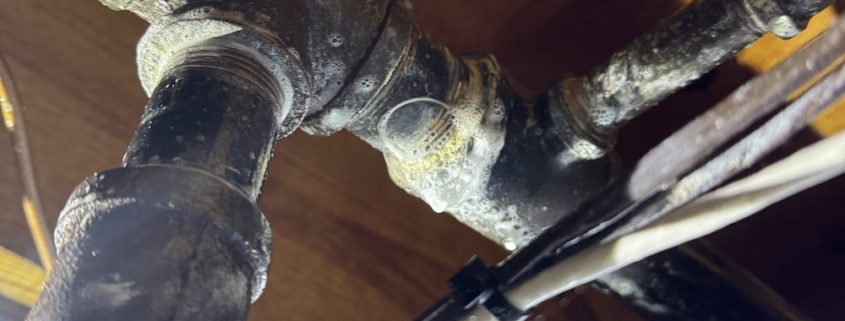
  • Visible corrosion or mineral crust
  • Buzzing or chattering noises
  • Failed test tag or past due date

Testing Schedule, Local Rules, and Certified Testers

Most areas require annual testing, sometimes after installation or repair as well. Hire a certified professional and keep copies of reports for insurance and compliance.

Simple Care Between Tests

Keep the area clear so valves can be reached. Use insulation or a rated cover to stop freezing. Outdoor and sprinkler systems need extra protection. Don’t hang hoses or chemicals on the assembly and check the tag date.

Cost of Neglect vs. Routine Service

A quick annual test costs far less than the cleanup from a contamination event. Spend a little now to avoid a costly mess later

Don’t Leave Water Safety to Chance

A backflow preventer protects your clean water and stays reliable with regular maintenance. Check the tag and book your annual test. It’s a small task that protects your health, saves money, and keeps your water safe year-round.

Treat your plumbing backflow preventer like a seat belt—simple and always worth using. Learn more about our backflow installation and inspection repair services here.

Backflow shut off valve in service room of building. Water safety device, prevents contamination of drinking water from sewage backup.

TL;DR:

A backflow preventer protects your clean potable water supply. It works like a one-way gate, blocking dirty water from flowing back in. Regular testing and simple upkeep keep it reliable. Small checks prevent costly damage, poor water quality, and health risks. Fixing minor issues now saves bigger problems later.

  • Backflow happens when water flows in reverse.
  • A plumbing backflow preventer stops it.
  • Pressure drops, hydrant use, or pipe repairs can trigger it.
  • Regular testing keeps your water safe.
  • Common problems include stuck valves, leaks, rust, and mineral buildup.

Imagine you fill a glass with crisp, cold water, trusting it’s safe to drink. You rarely think about what keeps your tap water clean, but hidden plumbing devices play a big role. One key guardian is the backflow preventer. This unsung hero stops contaminated water from sneaking into your home’s potable water supply.

If you own a home or a business, it’s worth knowing how a backflow preventer works. It protects your water from contamination, and with regular care, it saves you both money and stress. When you understand backflow preventers, you make smarter choices for your plumbing. That knowledge helps keep your water safe for everyone.

What Is Backflow and Why Is It a Problem?

Backflow means water moves opposite its normal path in your pipes. Instead of clean water flowing into your property, dirty water can slip back into your clean supply. This usually happens when pressure changes in the water system, such as:

  • A big drop in city water pressure after a water main breaks.
  • Firefighters taking a lot of water from a hydrant near your home.
  • Sudden changes when plumbing repairs happen nearby.

Any of these can cause dirty water to flow backward. If that water carries lawn chemicals, bacteria, or sewage, your health could be at risk. A backflow valve stops dirty water from flowing backward. It blocks anything unsafe from mixing with your clean supply.

Sump pump backflow preventer

How Does a Backflow Preventer Work?

A plumbing backflow preventer works like a one-way gate. When water comes into your house, it moves past a back flow prevention valve. The valve only lets water through in the right direction. If water tries to reverse, the valve snaps shut and keeps it from moving back toward your clean potable water supply.

Most backflow prevention devices are installed in key spots, for example:

  • On sprinkler or irrigation systems, which connect to outdoor faucets.
  • Where your home’s plumbing connects to city water lines.
  • In businesses using chemicals or cleaners that need special protection.

These valves don’t just stop water—they act as a barrier against anything harmful, from dirt to pesticides.

  • What does a backflow preventer do? It keeps dirty water from ever reaching your tap.
  • How does a backflow prevention device work? By shutting tight if water tries to flow backward, it guards your supply 24/7.

Why Regular Maintenance of Your Backflow Preventer Is Important

Just like a car or coffee maker, a backflow preventer needs regular checks. Small bits of sand, minerals, or even bugs can jam the parts. If the valve sticks or fails, it could let dirty water in before you even know it.

If you skip inspections, you risk:

  • Water that smells odd or tastes bad.
  • Having to replace pipes corroded by dirty water.
  • Potential fines in areas where backflow preventer testing is required by law.

Some towns demand yearly backflow testing by certified pros. Even if that’s not the rule in your area, it’s smart to schedule a quick check. Make sure your back flow prevention valve seals tight and springs work right. Staying ahead of issues keeps your water safe and avoids surprises.

Common Backflow Preventer Problems

Stuck valve – prevents the device from closing, leaving your water supply unprotected. Cleaning or swapping out worn parts usually solves the issue.

Leaks – even small drips waste water and raise bills. Check seals and gaskets, and tighten connections before bigger problems develop.

Corrosion or rust – weakens the device and can cause total failure. Often needs professional servicing or full replacement.

Mineral scale buildup – deposits stop the valve from sealing. Flushing and descaling restore proper function and keep water safe.

Protect Your Home by Maintaining Your Backflow Preventer

A backflow preventer may be small, but it plays a vital role in protecting your water and your health. By stopping contaminants before they ever reach your tap, it keeps your household or business supply clean and reliable.

Like any piece of plumbing equipment, though, it only works if it’s cared for. Regular testing keeps your backflow preventer working as it should. Cleaning and quick repairs stop costly damage, poor water quality, and even fines where yearly checks are required.

Not sure when your system was last inspected? Or if you even have a preventer installed? Find out now before problems show up. Staying ahead of maintenance keeps your water safe and gives you peace of mind.

Learn more about our backflow installation and inspection repair services here.

Close up of a plumber fixing a water leak in a sink drain siphon pipe.

TL;DR: Stay Ahead of Plumbing Problems

Plumbing issues in commercial settings can drain budgets and disrupt business. Proactive care keeps water supply steady, avoids costly emergencies, and extends system life. A maintained plumbing system means fewer surprises and more peace of mind.

  • Proactive checks stop small leaks before they grow
  • Reactive repairs lead to higher bills and downtime
  • Planned maintenance protects health, safety, and compliance
  • Simple daily habits prevent plumbing emergencies

Picture a burst pipe flooding your business lobby. That kind of emergency drains your budget, upsets tenants or customers, and can shut operations for days. Smart commercial building owners know prevention is always better than scrambling to fix damage.

Regular commercial plumbing maintenance keeps your system in good shape. A preventative program stops small issues from turning into expensive repairs. It also keeps everything running smoothly so your business can focus on daily operations.

Planned commercial plumbing maintenance is a smart investment. It saves money, avoids stress, and protects your property.

What Is Proactive (Preventive) Commercial Plumbing Maintenance?

A commercial plumbing preventative maintenance program puts you in control. Instead of waiting for something to break, you set a schedule for routine inspections and regular care. That means checking for small leaks, clearing drains, and giving water heaters or boilers a quick tune-up before they cause trouble.

This approach keeps commercial plumbing systems reliable. A well-maintained plumbing system also reduces water supply waste and keeps pressure steady.

Here’s what you get with a proactive approach:

  • Scheduled inspections by skilled commercial plumbing maintenance services
  • Routine cleaning of pipes, drains, and grease traps
  • Tested shutoff valves and water pressure governors
  • Repairs planned ahead of failures

You gain many advantages:

  • Predictable maintenance costs instead of surprise bills
  • Fewer emergencies to disrupt your business day
  • Longer equipment life and fewer replacements
  • Improved health and hygiene by avoiding hidden leaks or clogs

Systems last longer, issues get fixed early, and your budget stays intact. Commercial property owners who take this route face less stress and almost never see dramatic plumbing failures.

Water and moisture damage has worn away the room ceiling. Damaged and stained interior ceiling due to water leakage.

Understanding Reactive Maintenance: When Is It Used?

Reactive maintenance means you only call for help when something goes wrong. Burst pipe? Overflowing toilet? This type of repair comes at a high cost: more expensive fixes, bigger messes, and longer downtime.

Common situations that need immediate, unscheduled repairs:

  • Sudden leaks from aging pipes
  • Blocked drains or sewer backups
  • Failed water heaters or frozen lines

These problems often strike at the worst times—holidays, weekends, or in the middle of a busy workday. Relying on reactive repairs usually leads to:

  • Higher repair bills due to urgent labor and parts
  • Business interruptions from closed restrooms or water shut-offs
  • Repeated issues when underlying causes go unchecked

If you only tend to plumbing when disaster strikes, you risk more breakdowns, unhappy tenants, and bigger losses.

Why a Planned Commercial Plumbing Maintenance Program Matters

A scheduled commercial plumbing preventative maintenance program offers peace of mind. You stop guessing when pipes or drains will fail. Skilled plumbers catch the small leaks before water stains show up or ceilings collapse. Think of it like routine oil changes for your car—skip them, and you risk engine failure at the worst possible moment.

Here’s what a routine maintenance plan can prevent:

  • Leaking pipes behind walls that lead to mold and property damage
  • Clogged drains that flood bathrooms, causing health hazards
  • Water heater breakdowns that halt normal building operations
  • Sewage backflows that force emergency shutdowns

With planned commercial plumbing maintenance:

  • Costs stay low and steady
  • Local health codes get met without last-minute scrambling
  • Your building’s reputation stays clean

Skipping regular service puts your business at risk for sudden closure or large insurance claims. Staying ahead keeps you open and in good standing.

Tips for Effective Commercial Plumbing Maintenance

Keeping your building’s systems in shape doesn’t have to be complicated. Use these steps to cut risk and keep your property running:

  1. Hire professional commercial plumbing maintenance services for regular checkups.
  2. Log every inspection and repair so nothing falls through the cracks.
  3. Schedule seasonal checks (especially before winter or heavy use periods).
  4. Train your staff to spot trouble early, like slow drains, water stains, or dripping fixtures.
  5. Customize your maintenance plan to fit your building’s age, size, and unique needs.

Simple habits make a big difference. Check water heaters for leaks, wrap exposed pipes before a freeze, and keep grease out of drains. Over time, those small steps add up to real savings.

Stay alert. Act quickly. Routine care costs much less than an emergency call.

Why Commercial Plumbing Maintenance Gives You Peace of Mind

Waiting until something breaks down isn’t a good strategy. Proactive commercial plumbing maintenance pays off. It saves money, cuts down on emergencies, and helps your systems last longer.

A commercial plumbing preventative maintenance program is a smart investment. It means fewer repairs, steadier costs, and less risk of costly business disruption. Ready to protect your building and budget? Learn more about our commercial plumbing services here.

Using a flathead screwdriver to close the test cock when winterizing backflow preventer

TL;DR
Winterizing your backflow preventer protects plumbing, avoids costly repairs, and keeps irrigation systems safe. Simple steps now save stress later.

  • Shut off the water
  • Drain every valve fully
  • Wrap the unit with insulation
  • Prevent freezing damage
  • Gain peace of mind all winter

When the first frost hits, your backflow preventer shouldn’t be the weak spot. Skip winter prep, and water can freeze inside, split pipes, or cause costly repairs. Even one missed step can disrupt service or damage your system.

Winterizing now saves time, stress, money, and trouble when spring returns. Here’s how to drain and protect your backflow device, plus how to winterize backflow valve parts before the cold arrives.

What Is a Backflow Preventer and Why Is It at Risk in Winter?

A backflow preventer is a safety device that keeps dirty water out of your clean supply. You’ll see it on irrigation systems, sprinklers, and other outdoor plumbing. Most sit where the outdoor line meets the main, often in the yard, garden, or just outside the house.

Because these devices sit outside, they’re exposed when the temperature drops. If water freezes inside, ice can crack valves, seals, or housings. That means leaks, costly repairs, or contamination, not to mention insurance headaches. The fix is simple: winterize backflow preventer parts before the cold sets in.

Tools and Supplies Needed to Winterize a Backflow Preventer

Arm yourself with the right gear before starting. Having everything ready makes the process easier, quicker, and safer.

What you’ll need:

  • Adjustable wrench or pliers
  • Standard screwdriver
  • Towel or small bucket
  • Pipe insulation or foam covers
  • Weather-resistant insulation tape
  • Plastic bag or weatherproof cover
  • Compressed air (for systems with a blowout option)
  • Thick gloves and safety goggles

Safety gear matters if you’re working with pressurized water or compressed air. Wear gloves to prevent cold burns and goggles to block spray.

Step-by-Step Guide: How to Winterize Backflow Preventer Systems

Follow these steps for how to drain backflow preventer systems and get them ready for the cold. Skipping one step can leave water trapped, so move carefully and double-check.

Shutting Off the Water Supply

  1. Find the shutoff valve inside your home or basement, just before the line heads outside to your backflow preventer.
  2. Turn the valve to “off.” If it’s stiff, use a wrench for grip.
  3. Confirm the water is off by lifting an outdoor faucet or test cock; no new water should flow.

Commercial, residential backflow prevention water system

Draining the Backflow Preventer

  • Locate the test cocks on the backflow preventer body.
  • Place a bucket or towel under each valve to catch leftover water.
  • Slowly open each test cock or backflow valve with a screwdriver, letting water drain out fully. A soft hiss or trickle of water means it’s working.
  • If your system has drain plugs or valves, open them in sequence to clear trapped water.
  • Use compressed air on low, if available, to blow out the last drops through the blowout port. Avoid high pressure, which can damage seals.

Insulating and Protecting the Unit

  • Wrap the device in foam pipe insulation.
  • Secure with weatherproof tape so it won’t slip in wet or windy weather.
  • Cover the setup with a plastic bag or insulated backflow preventer cover.
  • Make sure no parts are exposed. Gaps let ice sneak in.

Can a Backflow Preventer Freeze If Properly Winterized?

Can a backflow preventer freeze if properly winterized? When drained and wrapped, it rarely does. The real risk is trapped water or exposed parts. Miss a test cock or use thin or loose insulation and freezing becomes more likely.

Best practices:

  • Drain every valve, port, and test cock fully.
  • Use thick, weatherproof insulation, not just a towel.
  • Check insulation after storms to make sure it stays sealed.

Common mistakes include missing a drain plug, closing test cocks too early, or using poor-quality covers.

When to Call a Professional for Winterizing Help

Sometimes a setup’s location or design makes the task tricky. If your backflow preventer is buried, behind landscaping, or tied to complex plumbing, call a pro.

Signs you might need help:

  • Can’t locate all valves
  • Difficulty shutting off water or draining system
  • Unclear on steps due to unique piping
  • Previous winter damage

A licensed professional can drain, wrap, or show you how to remove backflow preventer systems. Services often include a full inspection, spotting leaks or wear before they become emergencies.

Keep Your Backflow Preventer Safe This Winter

Winterizing your backflow preventer keeps your plumbing safe. To do it correctly, shut off the water, drain every valve, and wrap the unit well. Taking these steps helps you avoid repairs and stress later. With your device protected, you can relax when the freezing winds arrive.

Want expert help? Learn more about our backflow installation and inspection repair services here.

Group of backwater valve or backflow shut off valve in service room of building.

TL;DR RPZ testing protects your water from backflow contamination. A certified pro checks the valve to ensure it blocks dirty water from entering clean lines. Regular testing prevents health risks, meets legal requirements, and keeps every sip safe.

Main Points:

  • What an RPZ valve does
  • Why RPZ testing matters
  • How testing works
  • Who can perform it
  • Recommended testing frequency

Water should always taste fresh, give you a clean glass, and be safe for your family, customers, and pets. Think of your plumbing as the first line of defence for your health, but even the best system needs a reliable gate. RPZ valves are that gate, stopping dirty water from sneaking back into the clean supply.

If these valves don’t work, your faucet could deliver a mix you wouldn’t want to drink. RPZ testing helps keep you safe and your water clean. It works quietly in the background, so you never need to worry about what comes out of the faucet.

What is RPZ in Plumbing?

Ever wondered, “What is RPZ in plumbing?” You’re not alone. An RPZ, or Reduced Pressure Zone valve, is a safety device in your water system. It’s a fancy name for a mechanism that keeps unwanted water from flowing in the wrong direction.

Picture it as a bouncer at the door, only letting in invited guests and keeping unwanted ones out. Water can sometimes move backward in pipes, like during a sudden drop in pressure. When that happens, it can pull in fertilizer, soap, or even a little pond water. The RPZ valve jumps in at that moment, shutting out everything that doesn’t belong in your glass or shower.

What is the purpose of backflow prevention devices?

Their main job is to stop anything unsanitary, hazardous, or even just ‘off’ from contaminating your potable water. It’s a small piece with a big responsibility.

Plumber using backflow shut off valve or backwater valve.

Why Is RPZ Testing So Important?

You pour clean water into a sink, but a sudden pull drags dirty dishwater back up the drain and mixes it with the clean. That’s exactly how backflow works, allowing contaminated water to flow back into otherwise safe, clean lines. That’s where RPZ testing comes in.

What is RPZ testing?

It’s a thorough check-up that makes sure that the protective bouncer is still on the job. Over time, wear, age, or even a rough winter can cause the valve to weaken or break. If you skip the check, you risk letting bad water in, which is not only risky for health but can get you in other kinds of hot water too.

There are legal rules about regular RPZ testing. Ignore these, and you might face penalties or worse, a wave of preventable illness. It’s a little like skipping the smoke alarm—nobody notices until there’s real trouble.

How to Test a Backflow Valve: The RPZ Testing Process

How to test a backflow valve? If you’re curious (or just want to sound smart at dinner), here’s what happens during RPZ testing:

  1. Water shut-off: The tester turns off the water to isolate the RPZ valve, so no surprises spray everywhere.
  2. Setup: Special testing gauges connect to the valve, measuring pressure at different points.
  3. Assessment: Measurements check that the valve’s pressure zones respond correctly. This stops any chance of backflow. The devices are watched for leaks or sluggish parts.
  4. Report: Results are recorded. If your RPZ passes, the property gets a clean bill; if not, repairs happen right away.

This process doesn’t take long, but it’s detailed. Clean, safe water is the goal every single time.

Who Does Backflow Testing and When Should It Be Done?

Only certified professionals can perform RPZ testing. They’ve done the training and have the right tools for the job. In most places, you can’t just DIY it—there are tight rules to keep everyone honest and safe.

How often do you need a test?

Usually once a year — or twice if you run a busy commercial space.

Quick Cheat Sheet:

Property Type Suggested Frequency Who Tests?

Homes Once per year Certified plumber

Businesses Every 6–12 months Licensed tester

Hospitals/Schools Typically yearly Approved contractor

Never wait for trouble. Regular checks mean you spot worn valves before something nasty slips into the water.

Keeping Your Water Safe—Final Thoughts

Don’t trust your faucet to luck or guesswork. RPZ testing is one of those boring but necessary things that keeps you, your pets, and your neighbors healthy. It’s not just about ticking a box for the city. It’s about making sure every splash and sip is as safe as it should be.

Get your RPZ tested on schedule by someone who knows what they’re doing. And if you’re ever unsure, remember: clean water, clear mind. Don’t let backflow be the one thing you forget. Learn more about our backflow installation and inspection repair services here.

Shocked woman calling plumber while collecting water leaking in a bucket

TL;DR:Plumbing problems don’t wait for business hours. A 24/7 commercial plumber protects your property, saves money, and keeps your doors open.

Key points:

  • Fast response prevents major damage
  • Minimises downtime and lost revenue
  • Protects health and safety
  • Reduces risk of structural issues
  • Builds customer trust

Running a business means juggling many tasks. When things go wrong, they don’t wait for business hours. Imagine walking into your office or restaurant at 7 a.m. to find a soggy carpet or worse—a flood. Suddenly, plumbing becomes your top priority.

Unplanned plumbing emergencies can halt operations. They can damage stock, scare off customers, or even shut your business down for days. Having a plumber 24/7 isn’t just about fixing pipes—it’s about keeping your business running, no matter the time.

Key Benefits of Hiring a 24/7 Commercial Plumber

When every second counts, a standard plumber isn’t enough. A 24-hour commercial plumber is like having a superhero on speed dial. This service isn’t a luxury for commercial properties—it’s a safety net.

Choosing the right commercial emergency plumbing service can make a big difference. It can turn a small issue into an easy fix or prevent a full-blown crisis.

Rapid Response to Plumbing Emergencies

Plumbing disasters rarely give advance notice. Burst pipes, sewer backups, and leaks can happen at any time. Plumbing chaos can strike at night, during lunch rushes, or when you’re closing for the weekend.

A 24/7 plumber responds at any hour. You won’t need to scramble for temporary fixes or wait until Monday to address leaks. Fast response means you get:

  • Immediate protection for your property and stock
  • Minimal water damage
  • Less impact on your reputation
  • Peace of mind, even on weekends and holidays

Would you rather handle it with makeshift solutions or let a pro take care of it in minutes?

Minimizing Business Downtime and Financial Losses

Downtime is every business owner’s nightmare. Every hour your doors are shut means lost revenue, unhappy customers, and stressed staff. A single leak can lead to days of lost earnings.

A 24-hour commercial plumber can resolve the issue and get you back in business faster. Here’s why it matters:

  • Fewer missed sales or bookings
  • Shorter repair windows
  • No need for rescheduling
  • Happier customers who trust your attention to detail

No business owner wants to lose money over an easily solved issue.

Protecting Property and Health with Professional Plumbers

Water can destroy drywall, flooring, and inventory quickly. Slow leaks bring mold, mildew, and health risks, ruining your space’s atmosphere.

Fast action by a 24/7 commercial plumbing service does more than clean up. It protects your building, keeps employees safe, and ensures customer confidence. Quick repairs help avoid:

  • Structural damage
  • Spoiled goods or equipment
  • Slip-and-fall accidents
  • Health hazards like mold

Quick action helps you avoid water damage and protect your assets. Don’t gamble with safety—get the plumbing help you need.

Close-up photo of flooded floor In kitchen from water leak

What to Look for When Choosing a 24/7 Commercial Plumber

Not all plumbers are equal, especially for commercial jobs. Before choosing the first name you find online, consider a few key factors. After all, this plumber will be your go-to in high-stress situations.

Experience with Commercial Properties

Fixing a clogged sink at home is one thing. Fixing a complex system in a busy restaurant or warehouse is another. Look for a team that understands large-scale plumbing setups.

When considering a plumber, check if they have experience with:

  • Multi-tenant buildings
  • Commercial kitchens
  • Retail stores, gyms, or hotels
  • Medical or industrial spaces

A skilled commercial plumber will solve problems efficiently, no matter how complicated.

Certifications, Insurance, and Compliance

No one wants extra risk when dealing with plumbing disasters. Choose a commercial emergency plumbing service that meets all regulations. Their license and insurance protect you as much as them.

Always confirm:

  • State and local certifications
  • Proof of insurance and workers’ compensation
  • Knowledge of building codes

Cutting corners can backfire when your business is at stake.

Proven Track Record and Testimonials

In high-pressure moments, trust is everything. A commercial plumber with glowing testimonials, positive reviews, and references is invaluable.

Look for:

  • Positive online reviews
  • Case studies or before-and-after photos
  • Referrals from other business owners
  • Clear communication and quick follow-ups

Confidence in your plumber builds when you see their track record of reliable service.

Hire Smarter, Stress Less: Make Emergency Plumbing Readiness a Priority

Leaks and late-night floods are unpredictable, but they happen. Hiring a 24-hour commercial plumber is a smart move that keeps your business prepared.

The benefits are clear: faster fixes, less downtime, and protection for your property and people. When you know who to call—even at 2 a.m.—you can stop worrying about plumbing issues and focus on running your business.

Learn more about our commercial plumbing services here.