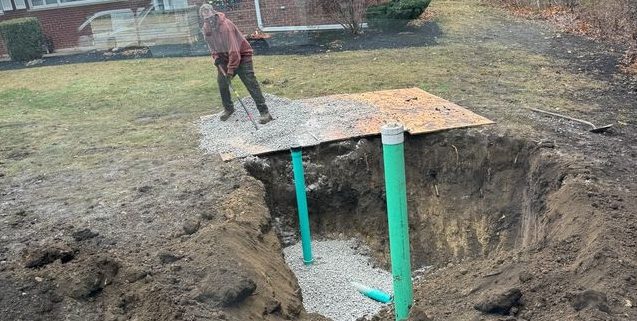
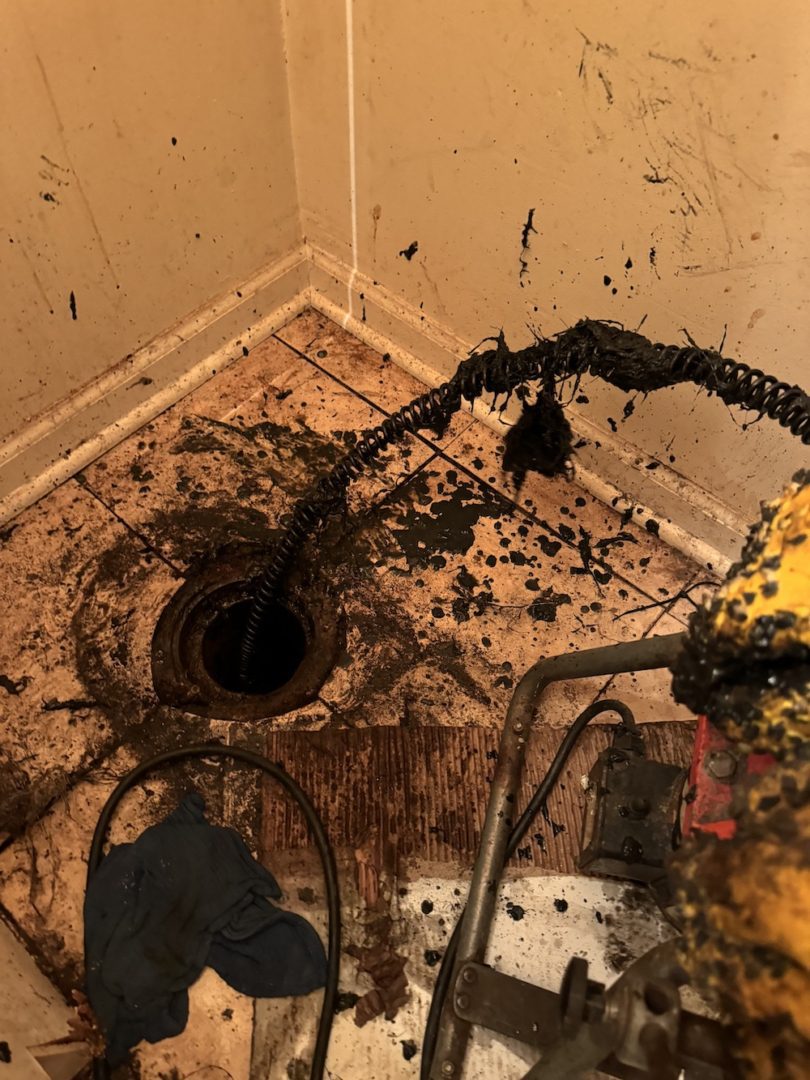
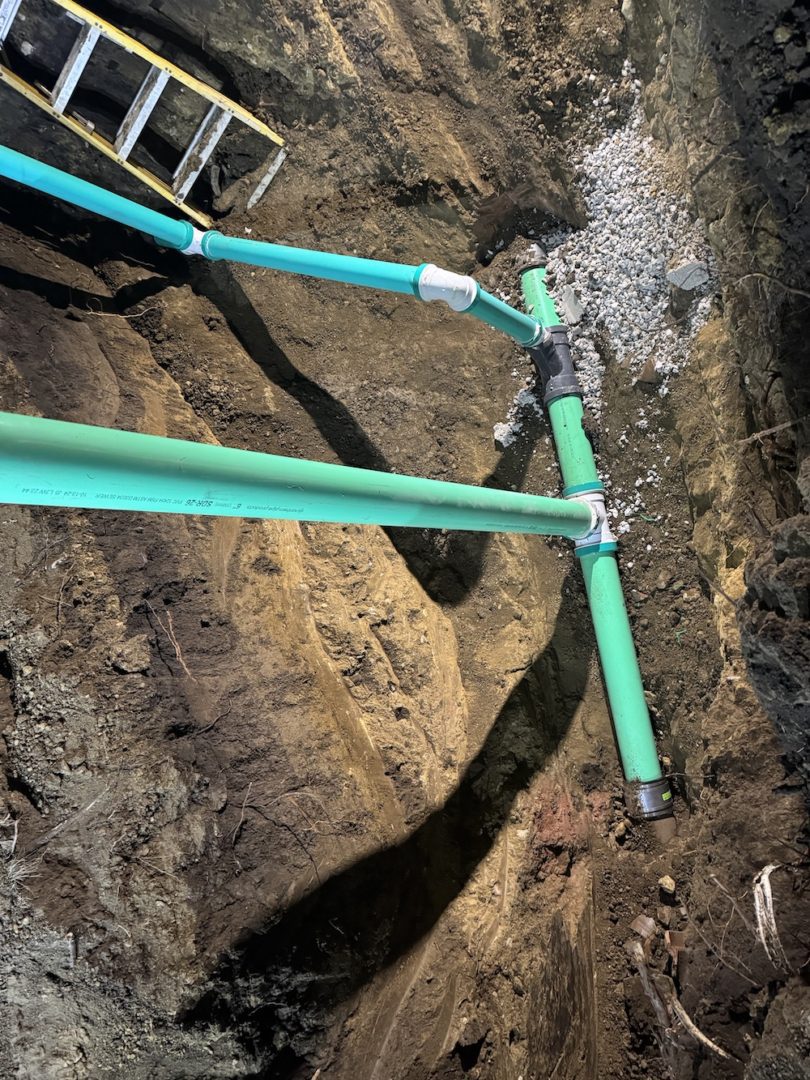
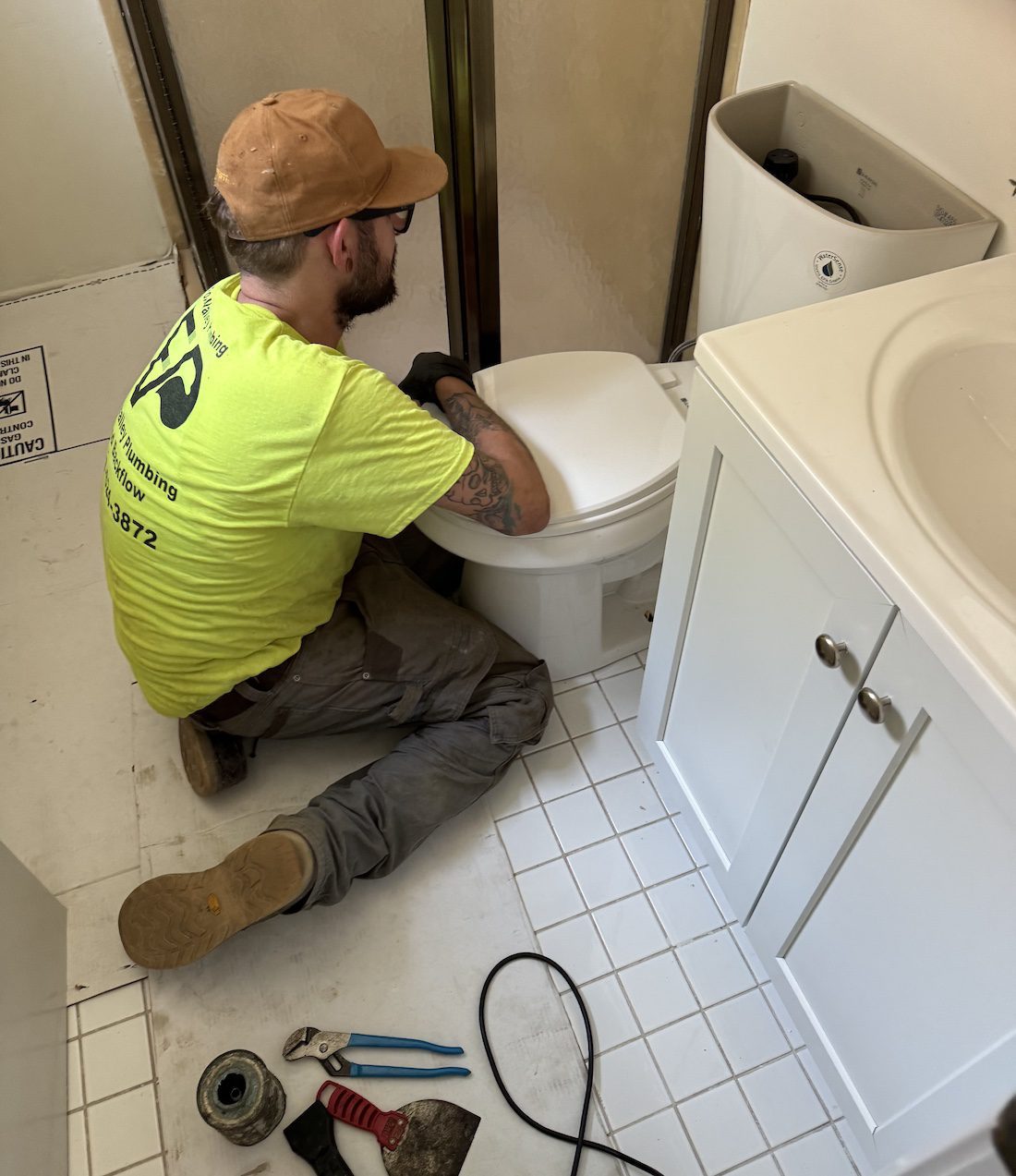
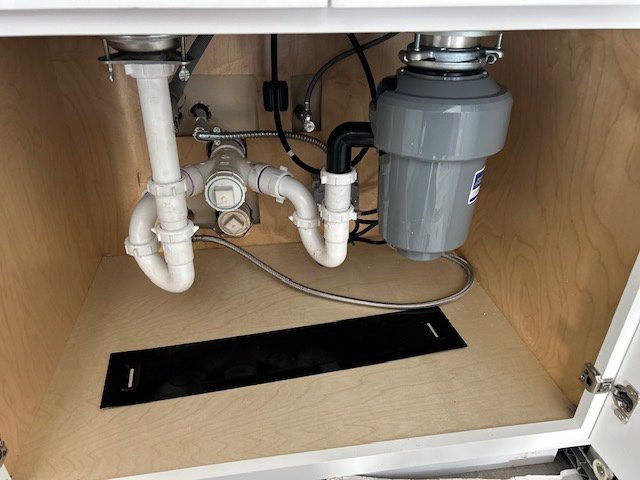
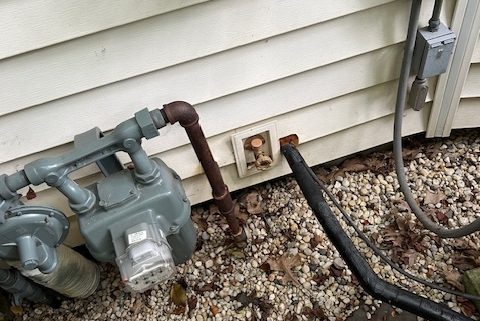
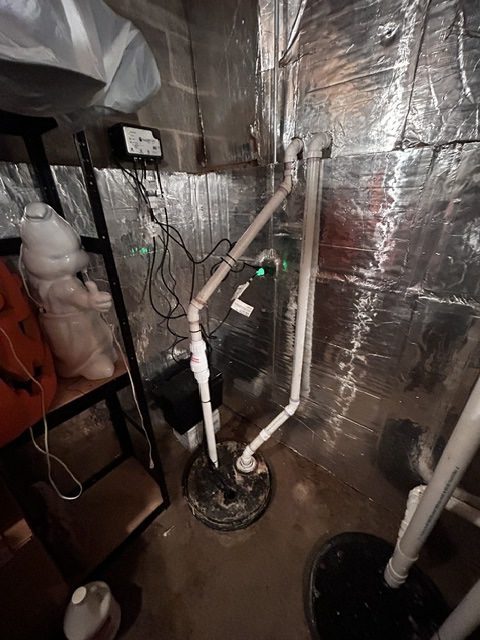
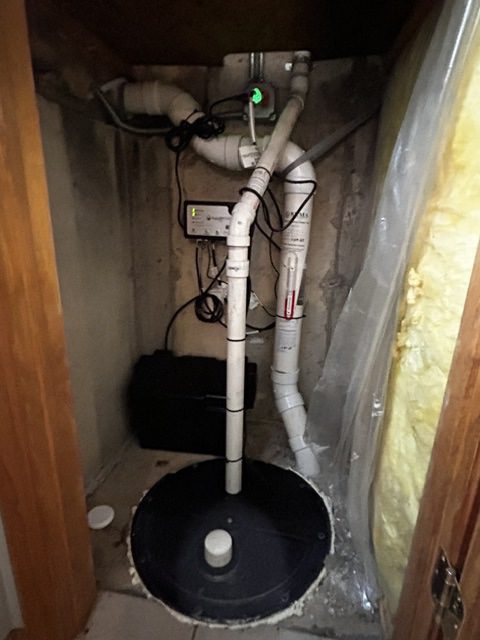
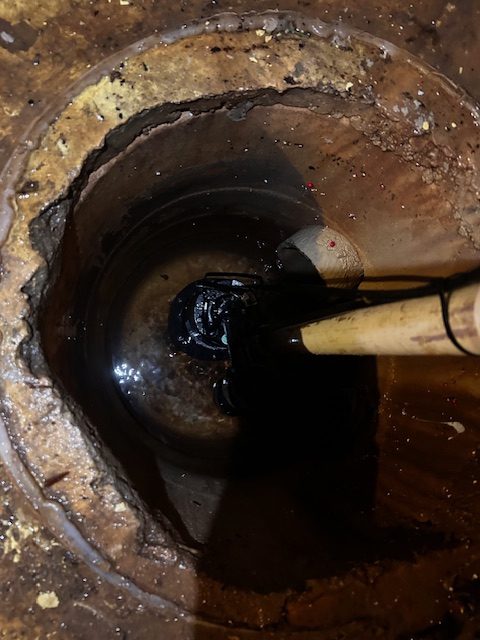
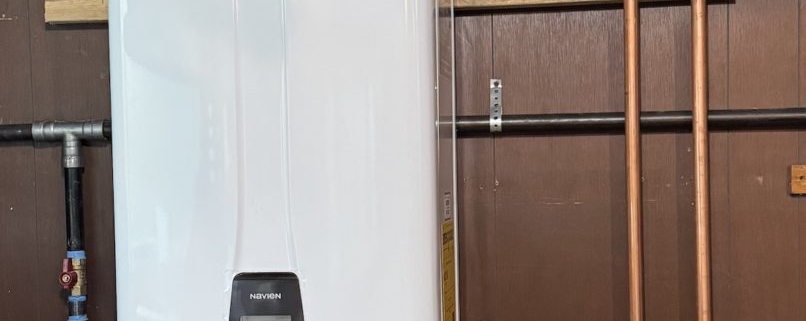
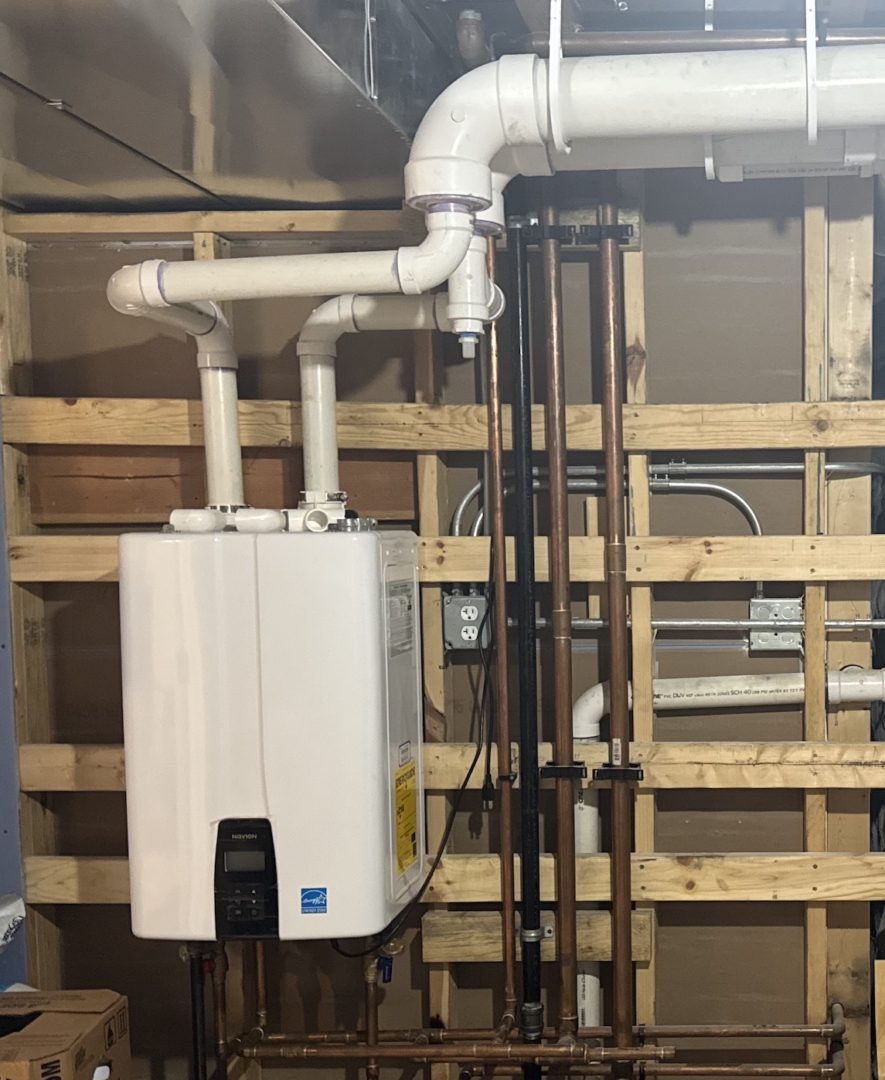
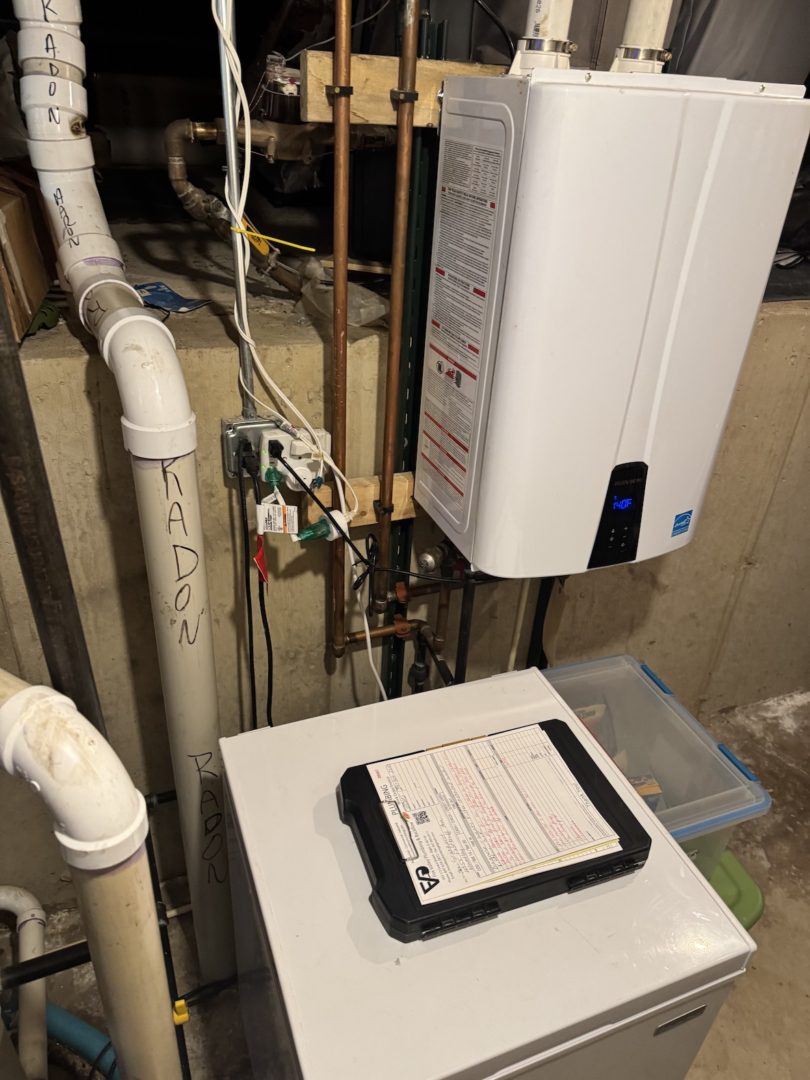
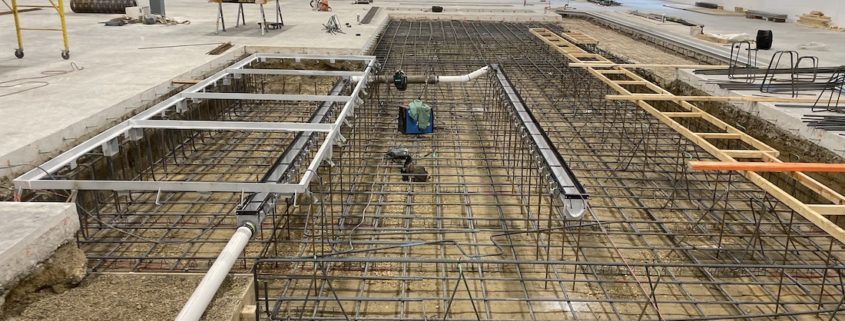
burst pipe leaking water in a Schaumburg Illinois home

Discovering a busted or leaking pipe in your Schaumburg home is one of those moments that stops you cold. Water is spreading, the clock is ticking, and most homeowners have no idea where to start. You’re not alone — and the good news is that acting fast and knowing the right steps can save you thousands of dollars in water damage.

Whether it’s the dead of a Chicago-area winter or a warm summer afternoon, leaking pipes in Schaumburg, IL are a plumbing emergency that demands immediate, professional attention.

Suffering from a broken or leaking pipe right now? Call (847) 624-3872 for 24/7 emergency plumbing service in Schaumburg, Illinois.

Warning Signs of Busted or Leaking Pipes in Your Schaumburg Home

The earlier you catch the warning signs, the less damage you’ll face. Schaumburg homeowners should watch for these key indicators of a broken water line or leaking pipe.

1. Visible Water Seeping Through Walls or Foundation

Water appearing along your foundation wall, basement floor, or interior walls is one of the most obvious red flags. Unexplained moisture, wet spots, or pooling water anywhere on your property means it’s time to call a licensed Schaumburg plumber right away.

2. Hissing or Rumbling Sounds Near Your Water Main

A hissing or rumbling sound near the point where your main water line enters your home is a strong signal that water is escaping the pipe somewhere between the street and your house — often most noticeable when water is actively in use.

3. Sudden Drop in Water Pressure

A dramatic, unexplained loss of water pressure — especially after an overnight hard freeze — is one of the most common signs of a busted pipe. It always warrants a professional inspection.

4. Unusually High Water Bills

If your monthly bill has spiked without explanation, a hidden leak in your pipeline could be wasting hundreds of gallons. According to the EPA, household leaks waste nearly 1 trillion gallons of water annually across the U.S.

5. Discolored or Rusty Water

Brown or rusty water from your taps may indicate pipe corrosion or a crack allowing soil into the line — both signs that repair or replacement may be needed.

Think you have a broken water line in Schaumburg? Call (847) 624-3872 to schedule a same-day inspection.

What to Do Immediately When You Have a Leaking Pipe in Schaumburg

Schaumburg homeowner shutting off main water valve to stop pipe leak

Step 1: Shut Off Your Main Water Supply

Locate your home’s main shutoff valve and turn it off immediately. In most Schaumburg homes, this valve is near the water meter in the basement or utility room. This single step can prevent thousands of dollars in additional water damage.

Step 2: Turn Off Your Water Heater

If a pipe near your water heater has burst, shutting it off protects it from running dry or overheating.

Step 3: Document Everything

Photograph and video the damage before any cleanup. This documentation is critical for your homeowner’s insurance claim.

Step 4: Call a Licensed Plumber in Schaumburg

This is not a DIY situation. Plumbing tape can temporarily slow a drip, but busted or leaking pipes in Schaumburg, IL, require a professional diagnosis and a lasting fix — especially when the source of the leak is hidden inside a wall or underground.

How Leaking Pipe Repair Works in Schaumburg, Illinois

Diagnosing the Source of the Leak

A professional plumber will evaluate the age of your pipes, what material they’re made from (copper, galvanized steel, PEX, etc.), and whether any sections have been previously repaired. All of this determines whether a targeted repair or full replacement is the right call.

Repair vs. Replacement: What Schaumburg Homeowners Should Know

icensed plumber repairing a leaking pipe under a sink in a Schaumburg IL home

Not every leak requires full replacement — but some do. Here’s a simple breakdown:

Repair is typically best when: the damage is isolated, the pipe is relatively new, and no prior repairs have been made to that section.

Replacement is often the smarter investment when: pipes are 20+ years old, have been patched before, are made from outdated materials like galvanized steel, or when multiple sections are showing wear.

A cheap patch on an aging water line might save money today — but it can fail again, costing you even more next time. Your Schaumburg plumber will give you an honest recommendation based on what they find.

Winter Pipe Bursts: A Special Concern for Schaumburg Homeowners

Schaumburg winters are hard on plumbing. Pipes in uninsulated exterior walls, crawl spaces, and garages are especially vulnerable to freezing and bursting. If a freeze caused your pipe to burst, ask your plumber about pipe insulation and freeze protection to stop it from happening next winter.

Why Schaumburg Homeowners Call Us for Emergency Pipe Repair

When you have a plumbing emergency, you need someone who knows Schaumburg — the local building codes, the older neighborhoods, and how brutal Illinois winters punish your plumbing. A local, licensed plumber responds faster and delivers personalized service that out-of-town contractors can’t match. Always verify your plumber is licensed with the Illinois Department of Financial and Professional Regulation before hiring.

Call (847) 624-3872 now — we’re available 24/7 for emergency leaking pipe repair in Schaumburg, Illinois.

Frequently Asked Questions About Leaking Pipes in Schaumburg, IL

How much does pipe leak repair cost in Schaumburg? Costs depend on the leak’s location, pipe material, and damage extent. Minor repairs may run a few hundred dollars; water main replacement can be more. Call (847) 624-3872 for a free estimate.

Can I fix a leaking pipe myself? Temporary fixes can slow a small drip, but they’re not permanent. For any significant leak or burst pipe, always call a licensed plumber to ensure the repair meets code and holds long-term.

How quickly should I respond to a burst pipe? Immediately. Mold can begin growing within 24–48 hours of water damage. Shut off your water main and call a plumber right away.

Fox Valley Plumbing commercial plumbing inspection report and service documentation for Illinois business owners

Picture this. It’s a Tuesday morning. Your restaurant in Elgin is two hours from the lunch rush. A line cook walks into the prep kitchen and notices water pooling on the floor near the back wall. Nobody knows how long it’s been there. The drywall is soft. There’s a smell. And just like that, your Tuesday is no longer about serving lunch — it’s about calling a plumber, figuring out the damage, and wondering how something like this snuck up on you.

Here’s the thing — it didn’t sneak up on you overnight. These situations seldom do. They build slowly, quietly, behind walls and under floors, until one ordinary morning they make themselves impossible to ignore.

That’s exactly what a commercial plumbing inspection is designed to prevent. And if you own or manage a business anywhere in the Fox Valley region — from Elgin to Batavia, Barrington to Schaumburg — this is one of the most straightforward and cost-effective things you can do to protect what you’ve built.

At Fox Valley Plumbing, we’ve been showing up for local businesses across this region for over 15 years. We’ve seen what happens when plumbing problems get caught early. And we’ve seen what happens when they don’t. We’d much rather help you with the first scenario.

What Is a Commercial Plumbing Inspection — And Why Is It Different From a Regular Plumbing Call?

A lot of business owners assume that because nothing has visibly gone wrong, everything must be fine. That’s understandable — you’ve got enough to manage without adding plumbing to the list. But a commercial plumbing inspection isn’t something you schedule because something broke. It’s something you schedule so things don’t break.

A commercial plumbing inspection is a comprehensive evaluation of your building’s entire plumbing system — from the water supply lines coming in to the drain and sewer lines going out. A licensed plumber goes through every major component, identifies existing problems, flags anything that looks like it could become a problem, and hands you a detailed report of exactly where things stand.

This is very different from a quick residential walkthrough. Commercial buildings are more complex — higher water demands, larger pipe diameters, multiple restrooms and kitchen lines, backflow prevention devices, booster systems, and in many cases, specialized industrial or medical-grade components. A proper commercial inspection requires someone who understands those systems deeply — not a generalist who primarily works on single-family homes.

Why Fox Valley Businesses Can’t Afford to Skip This

The Fox Valley region stretches across a wide range of communities — Elgin, South Elgin, St. Charles, Geneva, Batavia, Aurora, Barrington, Schaumburg, and everywhere in between. It’s a diverse mix of building types, property ages, and water infrastructure conditions. But what every commercial property in this region has in common is daily plumbing stress that quietly adds up over time.

Here’s what makes regular commercial plumbing inspections especially important for businesses in this part of Illinois:

Aging Infrastructure Is the Norm, Not the Exception

A significant portion of commercial buildings across the Fox Valley were built 30, 40, or even 50 years ago. Older pipes — especially galvanized steel and cast iron — corrode from the inside out. They narrow. They weaken. And from the outside, they look completely fine until the day they don’t. A professional inspection catches what the eye can’t see.

Illinois Winters Do Real Damage

Every Fox Valley business owner knows what a hard Illinois winter feels like. The freeze-thaw cycle that rolls through this region every year puts serious stress on supply lines, joints, and fittings. Even properly insulated pipes can develop micro-cracks over time that go completely undetected — until they open up. Regular inspections are one of the smartest defenses against cold-weather failures.

Compliance Doesn’t Give You a Warning

Depending on your industry, your business may be subject to local municipal codes, Illinois state plumbing regulations, or health department requirements that mandate regular plumbing evaluations. A surprise inspection that uncovers something you could have fixed months ago is a painful situation — and a completely avoidable one.

Water Damage Is More Expensive Than You Think

According to the Insurance Information Institute, water damage is one of the most common and costly commercial property insurance claims in the country. A routine plumbing inspection costs a fraction of even a minor remediation job — and it can prevent the kind of damage that shuts your doors for days or weeks at a time.

A Real-World Scenario Fox Valley Business Owners Will Recognize

Let’s say you manage a multi-tenant office building in Schaumburg. Things have been running smoothly — no major complaints, no obvious leaks, business as usual. What you don’t know is that a slow drain on the second floor has been partially blocked for months. Water backs up slightly every time the restroom sees heavy use, but it drains eventually, so nobody reports it.

Then one Friday afternoon during a busy week, it doesn’t drain at all. The restroom overflows. Water seeps under the tile, into the subfloor, and starts showing up as a stain on the ceiling of the first-floor tenant below. Now you’ve got two upset tenants, a weekend emergency call, potential mold remediation, and a repair bill that makes your eyes water — all from a drain that a routine inspection would have flagged as a problem months ago.

This is not a worst-case scenario. This is Tuesday in the commercial plumbing world. And it’s the exact kind of situation our team at Fox Valley Plumbing has helped dozens of local property managers avoid simply by catching things early.

Fox Valley Plumbing technician inspecting commercial drain and sewer lines at an Illinois business property in the Fox Valley region

What a Fox Valley Plumbing Commercial Inspection Actually Covers

When we come out for a commercial plumbing inspection, we don’t do a surface-level walkthrough and hand you a generic checklist. Our licensed technicians go through your system methodically and thoroughly. Here’s what a full inspection includes:

Water Supply Lines and Pressure

We evaluate your incoming water supply lines for corrosion, leaks, and pressure irregularities. Low water pressure in a commercial setting often signals a deeper problem — a partially closed valve, buildup in the lines, or a supply issue that needs real attention. If pressure problems are found, our commercial plumbing services include full pressure diagnostics and booster solutions tailored to your building.

Drain and Sewer Lines

Slow drains in a commercial building are a warning sign, not just an inconvenience. We inspect your entire drain system for blockages, buildup, root intrusion, and structural damage. For a closer look, we use video sewer inspection technology to see exactly what’s happening inside your lines — without tearing into your walls or floors.

Backflow Prevention Devices

If your commercial property uses a backflow preventer — and most do — we inspect and test it as part of the overall evaluation. Backflow devices protect your clean water supply from contamination and are required by Illinois law to be tested annually. Our dedicated backflow testing and repair services make sure your devices are functioning correctly, and your documentation is fully compliant.

Fixtures, Valves, and Fittings

We check every accessible fixture, shutoff valve, and fitting for signs of wear, leaks, or improper function. A dripping faucet or a constantly running toilet in a commercial building wastes far more water — and money — than most owners realize until they see the utility bill.

Water Heaters and Tankless Systems

Your hot water system works hard in a commercial environment. We inspect your water heater or tankless unit for sediment buildup, temperature inconsistencies, pressure relief valve function, and overall system health.

Gas Lines

For commercial properties with gas-powered equipment, we inspect accessible gas lines for integrity and safe operation. This is not an area where we cut corners — ever.

How Often Should Fox Valley Businesses Get a Commercial Plumbing Inspection?

More often than most currently do. Here’s a straightforward guideline:

  • Restaurants, hotels, gyms, and medical facilities — at least once a year, ideally twice
  • Standard office buildings and retail spaces — every one to two years
  • Industrial and manufacturing facilities — annually, given the heavy demands on water and drain systems
  • Any property after a renovation or major construction — a post-project inspection verifies everything was done right and nothing existing was disturbed
  • Any property that hasn’t been inspected in three or more years — schedule one now, no waiting

According to the American Society of Plumbing Engineers (ASPE), proactive plumbing maintenance and inspections are among the most effective ways to extend the life of a commercial system and reduce long-term operating costs. That’s not marketing language — that’s just the reality of how these systems work.

If you genuinely don’t know when your property was last professionally inspected, that’s your answer right there.

We Know the Fox Valley — And That Makes a Difference

There’s a reason local businesses from Elgin to Naperville keep calling us instead of the national chains. We actually know this area. We know the older building stock in downtown Elgin. We know the commercial corridors in Schaumburg and Hoffman Estates. We know what Fox Valley winters do to plumbing systems and what the water infrastructure looks like in different parts of Kane, Cook, and Lake County.

That local knowledge isn’t a small thing. It means we come to your property already understanding the context — and that makes our inspections sharper, our recommendations more relevant, and our solutions more practical.

We serve commercial properties throughout the entire Fox Valley region and surrounding communities, including Elgin, South Elgin, St. Charles, Geneva, Batavia, Barrington, Schaumburg, Streamwood, Carpentersville, Algonquin, Crystal Lake, Aurora, Naperville, West Chicago, and every community in between.

And when an inspection uncovers something that needs immediate attention, our emergency plumbing services mean we can respond fast — day or night — to protect your property and keep your business running.

Why Fox Valley Businesses Trust Us — In Plain English

We’re not going to fill this section with corporate-sounding promises. Here’s what our commercial clients actually tell us sets us apart:

  • We show up when we say we will
  • We explain what we found in language that actually makes sense — no technical runaround
  • We tell you the truth, even when the truth is “everything looks fine, you’re good”
  • We’re licensed, insured, and certified — License ID: 058-161084 (Master Plumber) and 055-042593 (Plumbing Contractor)
  • We provide detailed written inspection reports you can actually use for compliance, insurance, or property records
  • We back every job with a 100% satisfaction guarantee — if you’re not happy, we’re not done

We’ve been part of this community for over 15 years. We’re not a rotating crew of strangers — we’re your neighbors, and we take that seriously.

Ready to Schedule Your Commercial Plumbing Inspection?

You’ve worked hard to build your business. Don’t let a plumbing problem that could have been caught six months ago take a bite out of everything you’ve put into it.

Give us a call. We’ll come out, go through your system top to bottom, tell you exactly where things stand, and give you a clear picture of what — if anything — needs attention. No pressure, no upselling, no runaround. Just straight answers from a team that knows commercial plumbing and knows the Fox Valley.

Call Fox Valley Plumbing: (847) 624-3872 — Licensed • Certified

residential water softener system installed in a St. Charles Illinois home

If you live in St. Charles, Illinois, there’s a good chance your home runs on hard water. According to the U.S. Geological Survey, approximately 85% of American homes are supplied with hard water. And while hard water is generally safe to drink, the excess minerals it carries, calcium, magnesium, and iron, quietly cause damage to your appliances, plumbing, skin, hair, and monthly utility bills.

A residential water softener system solves this by removing or diluting those mineral concentrations before hard water ever reaches your faucets, fixtures, or appliances. The result? Cleaner water, longer-lasting appliances, and real savings over time.

Looking for water softener service in St. Charles, Illinois? Call (847) 624-3872 today.

Why St. Charles, IL Homeowners Are Switching to Soft Water

Hard water isn’t dramatic — it doesn’t announce itself with a loud bang the way a burst pipe does. Instead, it quietly shortens the life of your water heater, leaves residue on your dishes, dulls your hair, and forces your appliances to work harder than they should. Over months and years, those costs add up significantly.

Here’s a closer look at exactly how a water softener system benefits St. Charles homeowners.

1. Extended Life for Your Home Appliances

The minerals in hard water don’t just pass through — they build up inside your appliances over time, reducing efficiency and shortening their functional lifespan. Water heaters, dishwashers, washing machines, and any other appliance that uses water are all affected.

Installing a water softener system in St. Charles, IL helps protect these investments. With mineral buildup reduced, your appliances run more efficiently, break down less frequently, and last significantly longer — saving you money on both repairs and premature replacements.

There’s also an environmental upside: longer-lasting appliances mean less manufacturing waste, less energy consumed in production, and fewer units ending up in landfills.

2. Cleaner Dishes, Laundry, and Surfaces

clean spotless dishes washed with soft water in St. Charles Illinois home

Hard water and cleaning don’t mix well. If you’ve noticed white spots on your glassware, streaks on dishes, or soapy residue left in your laundry, hard water minerals are almost certainly to blame.

Soft water eliminates these frustrations. With a water softener system installed in your St. Charles home, you can expect:

  • Spot-free dishes and glassware with thorough soap rinsing
  • Softer, brighter laundry without mineral-dulled fabrics
  • Cleaner bathtubs, sinks, and showers with far less soap scum buildup
  • Reduced detergent and soap usage — soft water lathers more efficiently, so you use less of every cleaning product you buy

Softer water is also noticeably gentler on your skin and hair, leaving both feeling softer, smoother, and cleaner after every shower.

3. Faster, More Efficient Water Heating

Hard water forces your water heater to work harder. Mineral scale coats the heating elements and tank interior, reducing heat transfer efficiency and driving up your energy bills month after month.

Research comparing hard and soft water performance found that water softeners can improve electric water heater efficiency by up to 22 percent. The U.S. Department of Energy notes that water heater efficiency has a direct impact on home energy costs. That improvement translates directly into lower energy consumption and reduced utility costs — savings that compound every single month.

4. A Cleaner, Longer-Lasting Plumbing System

plumber inspecting clean pipes in a St. Charles Illinois home with water softener system
Hard water doesn’t just affect your appliances and surfaces — it attacks your plumbing from the inside. Over time, mineral deposits accumulate inside pipes and on fixtures, leading to corrosion, reduced water flow, and eventually costly clogs or failures throughout your entire plumbing system.

A residential water softener system significantly reduces mineral buildup in your pipes, helping your plumbing:

  • Resist corrosion caused by hard mineral deposits
  • Maintain strong water pressure by keeping pipes clear
  • Extend the life of faucets, valves, and fixtures
  • Reduce the risk of clogs and unexpected plumbing failures

For St. Charles homeowners, this means fewer plumbing service calls and a system that runs cleanly and efficiently for years to come.

Is a Water Softener System Right for Your St. Charles Home?

If you’re experiencing any of the following, a water softener installation is worth a serious look:

  • White scale buildup on faucets or showerheads
  • Spots on dishes and glassware after washing
  • Dry or itchy skin after showering
  • Appliances wearing out faster than expected
  • Higher-than-normal energy bills from your water heater

The good news is that a professional water softener assessment is straightforward. A licensed plumber in St. Charles can test your water hardness and recommend the right system for your home’s size and water usage.

Ready to protect your home with a water softener system in St. Charles, IL? Call (847) 624-3872 for a free consultation.

Frequently Asked Questions: Water Softeners in St. Charles, Illinois

How do I know if I have hard water in St. Charles, IL? Common signs include white scale on fixtures, spots on dishes, dry skin and hair, and appliances that wear out quickly. A water hardness test from a licensed plumber will give you a definitive answer.

How long does a residential water softener system last? A quality water softener system typically lasts 10–20 years with proper maintenance. Regular salt refills and periodic servicing keep the system performing at its best.
Will a water softener affect my drinking water? Standard water softeners add a small amount of sodium to the water in exchange for removed minerals. If sodium intake is a concern, your plumber can discuss salt-free alternatives or add a reverse osmosis drinking water filter to your system.

Fox Valley Plumbing & Backflow service vans parked at business location in Algonquin Illinois showing licensed plumber company fleet

When you’re facing a plumbing emergency in Algonquin, Illinois, finding a qualified, trustworthy plumber quickly becomes your top priority. Fox Valley Plumbing & Backflow Plumbing Services is a full-service, licensed plumbing company serving Elgin, Algonquin, and throughout Kane County. Our certified professional plumbers are available 24/7 for emergency plumbing service, ensuring you’re never left dealing with burst pipes, water heater failures, or sewer backups alone.

We proudly carry industry-leading plumbing brands including Zoeller sump pumps, Bradford White water heaters, Navien tankless systems, and many other premium manufacturers. Whether you need plumbing installation, emergency repairs, bathroom and kitchen remodeling, or commercial and industrial plumbing services, our experienced team delivers exceptional results.

Call us today at (847) 624-3872 for immediate assistance!

The Challenge: Finding Quality Plumbing Contractors in Algonquin, IL

If you need professional plumbing repair for your Algonquin, Illinois home or business in 2026, choosing the right licensed plumber is critical. Unfortunately, the plumbing industry has no shortage of unqualified individuals claiming to be professional plumbers. These fly-by-night contractors often deliver subpar workmanship, leave job sites messy, display unprofessional behavior, or worse—lack proper licensing and insurance, putting your property at serious risk.

Finding a reputable, licensed plumber in Algonquin doesn’t have to be overwhelming. Follow these 4 proven guidelines to ensure the plumbing company you hire is professional, delivers outstanding work, and completes your project efficiently and safely.

1. Do They Provide a Detailed, Transparent Written Estimate?

In today’s plumbing industry, verbal agreements simply aren’t enough to protect homeowners and business owners. A professional, licensed plumber will always visit your Algonquin property first, thoroughly assess the plumbing issue, and provide a comprehensive written estimate before beginning any work.

A quality written estimate for plumbing services should include:

  • Detailed scope of work: Specific plumbing repairs or installations needed
  • Itemized pricing: Clear breakdown of labor costs, materials, and any additional fees
  • Project timeline: Estimated completion time, especially for major plumbing projects
  • Warranty information: Details on parts and labor guarantees
  • Payment terms: Accepted payment methods and schedule

Take time to interview potential plumbing contractors as they inspect your property. Trust your instincts—if a plumber gives you confidence through their professionalism, knowledge, and communication skills, that personal connection matters greatly. Learn more about what to expect from professional plumbing contractors from This Old House.

2. Do They Have Extensive Experience Serving Algonquin, Illinois and Kane County?

Local expertise matters significantly when hiring a plumber in Algonquin, Illinois. You want a plumbing company with substantial experience serving residential and commercial clients throughout Kane County and the surrounding Chicago suburbs.

Beware of contractors who appear after major disasters, perform inadequate work, and disappear just as quickly. This scenario happens far too often and leaves property owners with costly repairs and no recourse.

When hiring a licensed plumber for your Algonquin property, verify they have:

  • Multiple years serving the local Algonquin and Kane County area
  • A permanent, physical business location in or near Algonquin, Illinois
  • Established relationships with local suppliers and building inspectors
  • Knowledge of regional plumbing codes and common local issues

Different geographical regions face unique plumbing challenges due to climate conditions, water quality, soil composition, and local building practices. An experienced local plumber understands these regional factors and can provide solutions tailored to Algonquin’s specific needs. The Better Business Bureau serving Chicago and Northern Illinois can help you verify local business credentials.

Call us at (847) 624-3872 to speak with our experienced Algonquin plumbing team!

3. Do They Have an Excellent Reputation in the Community?

In the service industry, reputation is everything. When searching for quality plumbers in Algonquin, Illinois, start by asking for recommendations from neighbors, family members, and colleagues in your local community. Personal referrals from people you trust provide invaluable insights into a plumber’s reliability, workmanship, and customer service.

Don’t hesitate to request references from plumbing contractors and follow up with previous clients. A reputable plumber will gladly provide contact information for satisfied customers who can verify their positive experience.

In 2026, online reviews play a crucial role in evaluating plumbing companies. Research potential plumbers on platforms like:

  • Google Business Reviews
  • HomeAdvisor Pro Reviews
  • Yelp for Business
  • Angi (formerly Angie’s List)
  • Better Business Bureau ratings
  • Facebook Business Pages

While no company is perfect, pay attention to overall rating trends. One or two negative reviews among hundreds of positive ones shouldn’t necessarily disqualify a plumber. However, multiple recent complaints highlighting similar issues—poor communication, missed appointments, incomplete work, or billing disputes—should raise serious red flags.

Also notice how plumbing companies respond to negative reviews. Professional businesses address complaints constructively and work toward resolutions, demonstrating their commitment to customer satisfaction.

4. Do They Have Current Licenses, Certifications, and Insurance?

While you may love and trust your family and friends, plumbing repair and installation in Algonquin, Illinois requires properly licensed, insured, and certified professionals. Never compromise on qualifications to save money or do someone a favor—unlicensed plumbing work can result in code violations, insurance claim denials, property damage, and even personal injury.

Before hiring any plumber in Algonquin, verify they possess:

  • Valid Illinois plumbing license: Required for all plumbing work in Illinois
  • Current liability insurance: Protects your property from damage during repairs
  • Workers’ compensation insurance: Covers injuries to plumbers working on your property
  • Relevant certifications: Backflow prevention, gas fitting, medical gas systems, etc.
  • Local business permits: Kane County and Village of Algonquin business licensing

To verify a plumber’s license in Algonquin, Illinois, use the Illinois Department of Financial and Professional Regulation online verification system. This quick search can save you thousands of dollars in potential plumbing disasters and ensure you’re working with legitimate, qualified professionals.

Don’t hesitate to ask plumbing contractors for proof of insurance and licensing. Reputable companies will readily provide this documentation and appreciate your diligence as a responsible property owner.

Finding Your Trusted Algonquin Plumber Made Simple

Locating a quality, licensed plumber in Algonquin, Illinois doesn’t need to be stressful or time-consuming. By following these four essential guidelines—demanding detailed written estimates, prioritizing local experience, researching reputations thoroughly, and verifying current credentials—you’ll significantly increase your chances of a positive plumbing service experience.

When a plumbing company checks all four boxes, you can move forward with confidence knowing your Algonquin home or business is in capable, professional hands.
 

Why Choose Fox Valley Plumbing & Backflow for Your Algonquin Plumbing Needs?

If you’re searching for a reliable, licensed plumber in Algonquin, Illinois, Fox Valley Plumbing & Backflow meets and exceeds all four criteria:

  • We provide detailed, transparent written estimates for all projects
  • We’ve served Algonquin and Kane County for years with a permanent local presence
  • We maintain excellent ratings on Google, HomeAdvisor, and Yelp
  • We’re fully licensed, insured, and certified for all plumbing services

Our services include:

Check out our verified customer reviews on HomeAdvisor, Yelp, and Google to see what your Algonquin neighbors are saying about our professional plumbing services.

Contact Fox Valley Plumbing & Backflow Today

Don’t let plumbing problems disrupt your Algonquin home or business. Whether you need emergency repairs, scheduled maintenance, or new installations, our experienced team is ready to help.

Call us now at (847) 624-3872 for fast, professional plumbing services in Algonquin, Illinois!

Serving Algonquin, Elgin, and all of Kane County with pride. Licensed, insured, and available 24/7 for your plumbing emergencies.

Commercial grade water pressure booster system professionally installed at a business in Barrington, Illinois

There’s nothing more frustrating than turning on your shower before a long day and getting nothing more than a weak trickle. Or running a commercial kitchen in Barrington, where the dishwasher barely fills because the water pressure just isn’t there. Low water pressure isn’t just an inconvenience — it’s a sign that your plumbing system isn’t performing the way it should.

The good news? A high-quality water pressure booster can solve the problem completely. And if you’re a homeowner or business owner in Barrington, Illinois, Fox Valley Plumbing is right in your backyard and ready to help.

Struggling with Low Water Pressure in Barrington? Call (847) 624-3872


What Is a Water Pressure Booster and How Does It Work?

A water pressure booster is exactly what it sounds like — a system designed to increase the water pressure coming into your home or commercial building. It works by using a pump and a pressure tank to push water through your pipes at a higher, more consistent pressure than what’s being delivered from the municipal supply line.

Think of it like a fan behind a door. The water is already there — the booster just gives it the push it needs to move with force and consistency throughout your entire property.

For Barrington residents, this matters more than you might think. Barrington sits in a largely suburban and semi-rural stretch of the Chicago metro area, and properties — especially larger homes and estate-style lots common in this part of Lake and Cook County — often deal with pressure drop issues simply because of the distance from the main water supply or the elevation of the property. The same goes for commercial properties along Route 14 and the surrounding business districts.

Signs You Need a Water Pressure Booster in Barrington, Illinois

Not sure if a pressure booster is right for your property? Here are the most common signs that your water system is working harder than it should — and delivering less than you deserve:

  • Showers feel weak even when the valve is fully open
  • It takes forever to fill a bathtub, sink, or washing machine
  • Multiple fixtures lose pressure when running at the same time
  • Your sprinkler system doesn’t cover your yard the way it used to
  • Commercial equipment like dishwashers, ice makers, or steam systems underperform
  • You live on an upper floor or elevated lot where gravity is working against you
  • Your water pressure has gradually declined over the years

If any of these sound familiar, it’s time to stop living with the problem and call a licensed plumber who knows Barrington’s water infrastructure inside and out.

Call Fox Valley Plumbing Today: (847) 624-3872

Why Barrington, Illinois Properties Deal With Low Water Pressure

Barrington is a beautiful community — large lots, mature trees, custom homes, and a thriving downtown. But that same character comes with some plumbing realities that not every homeowner or business owner thinks about.

Here’s why low water pressure is more common in this area than you’d expect:

Older Plumbing Infrastructure

Many homes in Barrington were built decades ago, and older pipes — especially galvanized steel — corrode and narrow over time, restricting water flow. Even if the municipal supply is delivering adequate pressure, your internal pipes may be the bottleneck.

Elevation and Distance From the Main Line

Properties located further from the municipal water main or on higher ground naturally experience lower pressure. It’s simple physics — water pressure drops over distance and rises in elevation. Larger estate-style lots common throughout Barrington Hills and the surrounding areas are especially prone to this.

Increased Demand From Modern Fixtures

Today’s homes and commercial spaces use more water simultaneously than ever before — multiple bathrooms, irrigation systems, commercial appliances, and more. If your plumbing system was designed 30 years ago, it wasn’t built with today’s demands in mind.

Seasonal Fluctuations

Illinois winters are no joke, and the freeze-thaw cycle can take a toll on water supply lines, sometimes causing micro-damage that gradually reduces pressure without a single obvious leak.

A properly sized and professionally installed water pressure booster addresses all of these factors in one solution. According to the Plumbing Manufacturers International (PMI), adequate water pressure is one of the most fundamental aspects of a safe and functional plumbing system — and fixing it protects your property investment long-term.

Residential Water Pressure Boosters in Barrington, IL

For Barrington homeowners, a water pressure booster isn’t a luxury — it’s a quality-of-life upgrade that makes a real, everyday difference. Imagine every shower in your house running at full pressure. Your irrigation system covers every corner of your lawn. Your washing machine fills in half the time.

Our residential plumbing services include full pressure booster system assessments, sizing, installation, and ongoing maintenance. We don’t just install a pump and leave — we make sure the system is calibrated correctly for your home’s specific pipe layout, fixture count, and demand patterns.

Every installation comes with clear upfront pricing, no surprise costs, and a satisfaction guarantee. That’s the Fox Valley Plumbing promise.

Commercial Water Pressure Boosters in Barrington, IL

Low water pressure in a commercial setting isn’t just inconvenient — it can directly impact your bottom line. A restaurant that can’t run its kitchen at full capacity, a car wash that can’t deliver consistent pressure, a medical office where hand-washing stations underperform — these aren’t just minor annoyances. There are operational problems.

Our commercial plumbing services include commercial-grade pressure booster installations built for high-demand environments. We work with businesses throughout Barrington and the surrounding Fox Valley area to assess your water system, identify the source of pressure loss, and install a solution that keeps your operations running without interruption.

We understand that downtime costs money, which is why we schedule efficiently and work around your business hours whenever possible.

Ready to Fix Your Water Pressure? Call (847) 624-3872

What to Expect From a Water Pressure Booster Installation in Barrington

If you’ve never had a pressure booster installed before, here’s how the process typically works with Fox Valley Plumbing:

  • We start with a full pressure assessment of your property to identify exactly where and why pressure is dropping
  • We recommend the right booster system for your home or business — properly sized, not oversized or undersized
  • We handle the full installation, including pump, pressure tank, and any necessary pipe connections
  • We test the system thoroughly before we leave to make sure every fixture in the building is performing correctly
  • We walk you through how the system works and what basic maintenance looks like going forward

The whole process is straightforward, professional, and designed to cause as little disruption to your day as possible. And because we’re local — serving Barrington, Barrington Hills, Lake Zurich, Deer Park, and communities throughout the Fox Valley — we’re never far if you need us again.

According to the American Society of Plumbing Engineers (ASPE), residential water pressure should typically fall between 40 and 80 PSI for optimal performance. If your home or business is testing below that range, a booster system is likely the right call.

Why Choose Fox Valley Plumbing for Water Pressure Booster Services in Barrington?

There’s no shortage of plumbers in the Chicago suburbs, so why Fox Valley Plumbing? Here’s what sets us apart for Barrington homeowners and business owners:

  • Locally rooted — We’ve been serving the Fox Valley and surrounding communities for over 15 years
  • Licensed and insured — License ID: 058-161084 (Master Plumber) and 055-042593 (Plumbing Contractor)
  • Same-day service available — Because low water pressure shouldn’t have to wait a week to get fixed
  • 100% satisfaction guarantee — If you’re not happy, we’re not done
  • No surprise costs — You’ll know exactly what you’re paying before we start
  • Emergency availability — Our emergency plumbing services mean we’re available when you need us most, day or night

We’re not a national chain. We’re your neighbors, and we treat every job — from a simple booster installation to a full commercial plumbing overhaul — like it’s our own property on the line.

Ready to Get Your Water Pressure Where It Should Be?

Whether you’re a Barrington homeowner tired of low-pressure showers or a business owner whose operations are suffering because of an underperforming water system, the fix is closer than you think.

Fox Valley Plumbing serves Barrington, Barrington Hills, Lake Zurich, Deer Park, Inverness, South Barrington, and communities throughout Lake and Cook County with the kind of reliable, professional plumbing service this area deserves.

Don’t settle for weak water pressure another day.

Call Fox Valley Plumbing: (847) 624-3872

elgin-illinois-plumber-winterization-tips

Frigid Illinois winters put your home’s plumbing system at serious risk. When temperatures in Schaumburg drop below freezing, unprotected pipes can freeze, burst, and cause thousands of dollars in water damage. But here’s the good news: proper plumbing winterization can prevent these disasters before they happen.

This comprehensive guide provides homeowners in Schaumburg with proven strategies to protect their plumbing all winter long. From insulating vulnerable pipes to professional winterization services, we’ll cover everything you need to know to keep your water flowing smoothly throughout the coldest months.

Why Plumbing Winterization Matters in Schaumburg

Schaumburg experiences average winter temperatures that regularly dip into the teens and single digits. According to the National Weather Service, the Chicago area can see extended periods of sub-zero temperatures during polar vortex events. When pipes freeze, the ice expands and creates pressure that causes cracks or complete ruptures. A single burst pipe can release hundreds of gallons of water per hour, leading to:

  • Extensive water damage to floors, walls, and ceilings
  • Mold and mildew growth
  • Ruined personal belongings
  • Repair costs ranging from $1,000 to $10,000 or more

Taking preventive action now saves you from emergency plumber calls and expensive repairs later.

Need professional plumbing winterization in Schaumburg? Call (847) 624-3872

1. Insulate Exposed Pipes in Unheated Spaces

Your attic, crawl space, basement, and garage maintain temperatures several degrees cooler than your main living areas. Water pipes running through these zones face the highest freezing risk during Schaumburg’s harsh winters.

How to Insulate Your Pipes:

  • Wrap pipes with foam pipe insulation sleeves (available at any hardware store)
  • Apply heat tape or heat cables to extremely vulnerable sections
  • Use fiberglass insulation for pipes in tight spaces
  • Seal any cracks or gaps where cold air enters
  • Keep garage doors closed during extreme cold weather

Pipe insulation is inexpensive—typically $0.50 to $6.00 per linear foot—making it one of the most cost-effective winterization investments you can make.

Foam pipe insulation installed on water pipes in unheated basement Schaumburg Illinois

2. Winterize Outdoor Faucets and Hose Bibs

Outdoor plumbing fixtures face direct exposure to freezing temperatures, wind, and winter weather. These are typically the first pipes to freeze in your home.

Steps to Winterize Outdoor Faucets:

  1. Disconnect all garden hoses and store them indoors
  2. Drain remaining water from hoses completely
  3. Locate and turn off interior shut-off valves for outdoor spigots
  4. Open outdoor faucets to drain any trapped water
  5. Leave outdoor faucets open throughout winter
  6. Install insulated faucet covers for added protection
  7. Apply the same process to outdoor kitchen faucets or utility sinks

When water remains in outdoor faucets and freezes, the expanding ice creates pressure that travels back through your pipes. This pressure can cause pipes to burst inside your walls or under your foundation—areas where repairs become significantly more complicated and expensive. If you’re experiencing issues with your outdoor plumbing, our outdoor faucet repair services can help.

3. Schedule a Furnace Inspection Before Winter

Your furnace serves double duty in winter: keeping your family comfortable and protecting your plumbing system. When your heating system fails during a Schaumburg cold snap, your entire home becomes vulnerable to frozen pipes.

Why Furnace Maintenance Protects Your Plumbing:

A functioning furnace maintains adequate indoor temperatures that prevent pipes from freezing. Regular furnace maintenance includes:

  • Filter replacement for efficient operation
  • Inspection of burners and heat exchangers
  • Testing of thermostats and controls
  • Identification of potential problems before they cause failures

Schedule your furnace inspection in early fall, before HVAC companies enter their busy season. This ensures you’re ready when temperatures drop and helps you avoid the dual emergency of no heat AND frozen pipes.

4. Open Cabinet Doors During Temperature Drops

When Schaumburg weather forecasts predict extreme cold or when you notice certain rooms feel colder than others, open the cabinet doors beneath your sinks.

How This Simple Trick Works:

  • Allows warm air from your home to circulate around pipes
  • Prevents cold spots where pipes run along exterior walls
  • Costs nothing and takes seconds to implement
  • Particularly important for bathrooms and kitchens on outside walls

For additional protection during severe cold warnings, let faucets drip slightly. Running water—even a trickle—resists freezing much better than standing water. The small increase in your water bill is minimal compared to burst pipe repair costs.

5. Prepare Your Plumbing When Traveling

Whether you’re escaping to warmer climates for the winter or taking a quick holiday vacation, leaving your Schaumburg home requires specific plumbing precautions.

Short Trips (Less Than a Week):

  • Set your thermostat to at least 55°F (never lower)
  • Open cabinet doors under sinks
  • Ask a neighbor or friend to check your home daily
  • Ensure your furnace is working properly before leaving

Extended Absences (One Week or Longer):

  • Maintain thermostat at 55°F minimum
  • Consider shutting off your main water supply
  • Drain your plumbing system completely if shutting off water
  • Drain your water heater (if shutting off main supply)
  • Add antifreeze to toilet bowls and sink drains
  • Have someone check your home at least twice weekly

Never turn your heat off completely when leaving during winter. The minimal energy savings aren’t worth returning to burst pipes, water damage, and repair bills that can easily exceed $5,000. The American Red Cross recommends maintaining a minimum temperature of 55°F to prevent freezing.

Programmable thermostat set to 55 degrees for vacation winter protection Schaumburg Illinois

6. Hire Professional Plumbing Winterization Services

While many winterization tasks are DIY-friendly, professional plumbers offer expertise and services that provide superior protection for your Schaumburg home.

Professional Winterization Services Include:

  • Comprehensive plumbing inspection identifying vulnerable areas
  • Heat tape installation on high-risk pipes
  • Pipe rerouting away from exterior walls and unheated spaces
  • Insulation of difficult-to-reach pipes in crawl spaces and attics
  • Shut-off valve installation for better control of outdoor fixtures
  • Pressure testing to identify existing leaks before winter

A professional winterization service typically costs $150-$400 depending on your home’s size and complexity. This investment prevents problems that cost thousands to repair.

Ready to winterize your Schaumburg home? Call (847) 624-3872 today

Additional Winter Plumbing Protection Tips

Know Where Your Main Water Shut-Off Valve Is Located

In an emergency, you need to shut off your water supply immediately. Make sure everyone in your household knows where the main shut-off valve is and how to operate it.

Keep Your Home Consistently Heated

Avoid drastically lowering your thermostat at night. Consistent temperatures prevent cold pockets where pipes might freeze.

Seal Cracks and Gaps

Check your home’s exterior for cracks where cold air can enter. Seal gaps around pipes, vents, and windows with caulk or expanding foam.

Consider a Smart Water Leak Detector

Modern leak detection systems alert you immediately when they sense water or temperature drops, giving you time to act before major damage occurs.

What to Do If Your Pipes Freeze

Despite your best efforts, pipes can still freeze during extreme cold. If you turn on a faucet and only a trickle comes out, you likely have a frozen pipe.

Immediate Steps:

  1. Keep the faucet open—running water helps melt ice
  2. Apply heat to the frozen section using a hair dryer, heating pad, or towels soaked in hot water
  3. Never use open flames, propane torches, or other dangerous heating methods
  4. Heat the pipe from the faucet toward the frozen area
  5. Check all other faucets to identify additional frozen pipes
  6. Call a professional plumber if you can’t locate the freeze or can’t thaw it safely

The Insurance Institute for Business & Home Safety provides detailed guidance on thawing frozen pipes safely and preventing future incidents.

When to Call an Emergency Plumber in Schaumburg

Contact a professional plumber immediately if you:

  • Discover a burst or leaking pipe
  • Can’t locate the frozen section
  • Suspect pipes have frozen inside walls or under floors
  • Notice bulging or cracked pipes
  • Have no water flow from multiple faucets
  • See signs of water damage on ceilings or walls

Emergency plumbing services are available 24/7 in Schaumburg, but prevention is always better than emergency repairs. Our team at Fox Valley Plumbing offers comprehensive residential plumbing services in Schaumburg to keep your home protected year-round.

Protect Your Schaumburg Home This Winter

Plumbing winterization isn’t optional in Schaumburg—it’s essential home maintenance that protects your property and saves you money. Start with simple DIY tasks like disconnecting hoses and opening cabinets during cold snaps. For comprehensive protection, schedule professional winterization services before temperatures drop.

Don’t wait until you’re dealing with frozen pipes or water damage. Take action now to ensure your plumbing system survives even the harshest Illinois winter.

Professional plumbing winterization in Schaumburg, IL | Call (847) 624-3872

Two Bradford White Defender electric water heaters installed side by side in basement with copper piping and ventilation showing typical residential setup

New federal standards push electric water heaters toward heat pump efficiency, cutting household energy costs by $7.6 billion annually starting in 2029.

The U.S. Department of Energy has finalized groundbreaking efficiency standards for residential water heaters that will transform how American homes heat water. The new congressionally-mandated regulations require most common electric storage water heaters to achieve heat pump levels of efficiency, delivering massive energy savings and environmental benefits to households nationwide.

Key Takeaways

  • Annual Savings: $7.6 billion in reduced energy and water bills for American households
  • 30-Year Impact: $124 billion in cumulative utility savings
  • Environmental Benefit: 332 million metric tons of CO₂ reduction (equivalent to emissions from 43 million homes annually)
  • Compliance Date: 2029
  • Market Shift: Over 50% of new electric water heaters will use heat pump technology (up from 3% today)

Understanding the New Water Heater Efficiency Standards

What Changed and Why It Matters

The DOE last updated residential water heater efficiency standards in 2010. After more than a decade, these new standards reflect significant technological advances in heat pump water heater technology and address the urgent need to reduce household energy waste.

“Almost every U.S. household has a water heater, and for too long outdated energy efficiency standards have led to higher utility bills for families,” said U.S. Secretary of Energy Jennifer M. Granholm. “The Biden-Harris Administration is continuing to put American consumers first with new, effective rules—supported by industry—that save both energy and money.”


Richmond brand traditional electric resistance water heater installed in basement showing standard tank design that will be phased out by 2029 efficiency standards


How Heat Pump Water Heaters Work

Unlike conventional electric resistance water heaters that generate heat directly, heat pump water heaters move heat from the surrounding air into the water tank—using significantly less electricity to achieve the same result. This technology can be more than twice as efficient as traditional electric tanks, dramatically reducing operating costs.

What Homeowners Need to Know

Expected Household Savings

Average Lifetime Savings: Replacing a conventional electric resistance water heater with a heat pump model meeting the new standard will save approximately $1,800 over the appliance’s lifetime.

Water heating accounts for roughly 13% of a typical U.S. home’s annual energy use and utility costs. The new rule is projected to reduce water-heating energy consumption by approximately 10% compared with current products on the market.

Who Benefits Most

Low-income households will see disproportionate benefits from these standards, as they typically spend a larger share of income on utility bills. Federal and state incentives can further reduce upfront installation costs, making the transition to efficient heat pump water heaters more accessible.

Market Impact and Industry Response

The Shift to Heat Pump Technology

DOE projects a dramatic market transformation after the 2029 compliance date:

  • Current market share: ~3% of electric storage water heaters use heat pump technology
  • Projected market share (post-2029): Over 50% of newly manufactured electric storage water heaters will meet heat pump efficiency levels

This shift represents the most significant change in residential water heating in decades, opening opportunities for product innovation including 120-volt heat pump water heaters and hybrid designs suitable for homes with space constraints.

Stakeholder Support and Manufacturing Capacity

The final standards reflect broad stakeholder agreement, including support from efficiency advocates, environmental groups, the Consumer Federation of America, and major U.S. manufacturers. Industry leaders have expressed confidence in their ability to ramp up manufacturing capacity to meet projected demand.

Environmental and Energy Impact

Record-Breaking Energy Savings

Over a 30-year shipments window, the final standard is estimated to yield approximately 17.6 quadrillion British thermal units (BTUs) of energy savings—the largest single-rule savings in DOE history. To put this in perspective, 17.6 quads equals roughly the annual energy use of the entire U.S. residential building sector.

Climate Benefits

The reduction of 332 million metric tons of CO₂ over 30 years is equivalent to:

  • Taking nearly 43 million homes’ annual emissions off the grid
  • Removing millions of gas-powered vehicles from the road permanently
  • Supporting national climate goals while reducing strain on the electric grid

What’s Covered Under the New Standards

Electric Storage Water Heaters

For common electric storage tank sizes (including the typical 40-gallon family tank), the amended standards set efficiency levels equivalent to entry-level heat pump storage water heaters. In practical terms, many standard tanks will need to reach performance similar to heat pump water heaters—more than doubling the effective efficiency of conventional electric resistance tanks on average.

Gas, Oil, and Other Categories

The amended standards also deliver moderate efficiency increases for:

  • Gas-fired storage water heaters
  • Oil-fired storage water heaters
  • Larger electric storage water heaters

Note: DOE has not finalized changes for gas-fired instantaneous (tankless) water heaters under this rule and continues to evaluate potential standards for that category.

How This Fits Into Broader Energy Efficiency Efforts

These water heater standards are part of a comprehensive package of energy efficiency regulations advanced by the Biden-Harris Administration. Collectively, DOE projects these combined standards will yield:

  • Nearly $1 trillion in consumer savings over 30 years
  • Reduction of roughly 2.5 billion metric tons of greenhouse gas emissions
  • Equivalent environmental impact of removing about 18 million gas-powered cars from the road for a year

The Inflation Reduction Act further supports this transition by expanding tax credits, rebates, and other incentives that reduce the upfront cost of switching to heat pump and hybrid water heater models.

Action Steps for Homeowners

1. Check Available Incentives

Visit the Energy Savings Hub to find current tax credits, rebates, and local utility offers for heat pump water heaters. The Inflation Reduction Act has significantly expanded available incentives.

2. Estimate Your Potential Savings

Compare annual operating costs for conventional electric resistance tanks versus entry-level and high-efficiency heat pump water heaters to calculate payback period and lifetime savings for your household.

3. Plan Your Installation

Consider these factors when evaluating heat pump water heater models:

  • Space requirements (some models need extra clearance)
  • Room temperature (optimal performance in warm areas)
  • Tank size appropriate for your household
  • Electrical supply compatibility
  • 120-volt or hybrid options if space is limited

4. Consult a Qualified Installer

Talk with a professional to assess compatibility with your home’s electric supply and learn about the latest hybrid or 120-volt options that may work better in constrained spaces.


Two Bradford White Defender electric water heaters installed side by side in basement with copper piping and ventilation showing typical residential setup

Frequently Asked Questions

When do the new standards take effect?

The new efficiency standards require compliance beginning in 2029. If you’re purchasing a water heater before then, you can still take advantage of current incentives to upgrade to an efficient heat pump model.

Will heat pump water heaters work in my home?

Most homes can accommodate heat pump water heaters, though installation requirements vary. Recent innovations include 120-volt models and compact hybrid designs that fit in constrained spaces. A qualified installer can assess your specific situation.

What about installation costs?

While heat pump water heaters typically have higher upfront costs than conventional electric resistance tanks, federal tax credits, state rebates, and utility incentives can significantly reduce out-of-pocket expenses. The $1,800 average lifetime savings typically provides a favorable payback period.

Do I need to replace my water heater now?

No. The standards apply to newly manufactured water heaters starting in 2029. However, if your current water heater is nearing the end of its life or you’re building/renovating, upgrading to a heat pump model now can maximize your savings and take advantage of current incentives.

What if I have a gas water heater?

The standards include moderate efficiency improvements for gas-fired storage water heaters. Gas-fired instantaneous (tankless) water heaters are still under evaluation and not covered by this final rule.

Resources and Additional Information

For Consumers

  • Find Tax Credits and Rebates: DOE Energy Savings Hub
  • Technical Details: DOE Building Technologies Office
  • Appliance Standards: DOE Appliance and Equipment Standards Program

For Manufacturers and Installers

  • Review the DOE regulatory docket for compliance timelines
  • Access testing protocols and certification requirements
  • Plan capacity and certification testing schedules

Conclusion: A Win for Households and the Environment

The new DOE water heater efficiency standards represent a significant step forward in reducing household energy costs while addressing climate change. By accelerating the adoption of heat pump water heater technology, these standards will deliver $124 billion in savings to American families over the next 30 years while preventing 332 million metric tons of CO₂ emissions.

Whether you’re planning to replace your water heater soon or simply want to understand how these changes might affect you in the future, now is the time to explore available incentives and consider making the switch to energy-efficient heat pump technology.

Ready to start saving? Call Fox Valley at (847) 624-3872 for professional water heater services.

A technician is repairing a residential electric water heater in a utility room.

TL;DR: How Water Heater Maintenance Service Protects Your Home

A water heater maintenance service keeps your system running efficiently, extends its lifespan, and helps prevent sudden breakdowns. In this guide, you’ll learn how maintenance works, what parts are checked, and why regular service saves money over time.

Understand how routine water heater maintenance improves heating efficiency and reliability.

Discover the key components technicians inspect during professional service visits.

Learn the warning signs that signal your system needs attention.

See why annual maintenance helps avoid cold water surprises and costly repairs.

Find out how proper care protects your hot water supply and energy budget.

Consistent maintenance keeps hot water flowing, improves performance, and gives you peace of mind year-round.

Hot water is easy to take for granted until it disappears. A cold shower or rattling tank often points to an issue that built up quietly over time. A professional water heater maintenance service helps stop those problems before they disrupt your day.

Routine care keeps the system balanced, efficient, and dependable. Let’s take a closer look at how maintenance works and why it matters.

Why Water Heater Maintenance Service Matters

Your water heater works every day, heating and storing water under pressure. Over time, minerals settle at the bottom of the tank, parts wear down, and efficiency drops. Without maintenance, small issues slowly turn into major failures.

A scheduled water heater maintenance service removes sediment, checks safety components, and restores proper operation. This protects the tank, improves heat transfer, and reduces stress on internal parts.

Maintenance also helps catch problems early. A worn anode rod or faulty pressure valve can be replaced before it leads to leaks, corrosion, or total system failure.

How Professional Water Heater Maintenance Works

During a maintenance visit, a technician inspects the full water heater system. The tank or heat exchanger is flushed to remove sediment that blocks heat and raises energy costs.

Key components are tested to ensure safe operation. Temperature settings are verified, connections are tightened, and the unit is checked for leaks or corrosion.

For tankless systems, scale buildup is removed from internal lines to maintain consistent heating. Once service is complete, the system runs more efficiently and delivers steady hot water.

Inside the System: What Gets Checked During Maintenance

Several components play a role in keeping your water heater safe and efficient.

The anode rod protects the tank from rust by attracting corrosion. Pressure relief valves release excess pressure to prevent damage. Heating elements or burners provide the energy needed to warm water evenly.

Sediment buildup at the bottom of the tank reduces efficiency and strains the system. Routine flushing clears this debris and restores proper heat transfer.

Types of Water Heaters and Maintenance Needs

Different systems require different care.

Tank water heaters store heated water and need regular flushing to remove sediment. Anode rods and pressure valves must be checked to prevent corrosion and leaks.

Tankless water heaters heat water on demand and require descaling to remove mineral buildup. Without maintenance, flow restrictions and overheating can occur.

Choosing the right maintenance plan depends on your system type, usage level, and water quality.

A leaking water heater tank is causing water to pool on the utility room floor.


Signs You Need a Water Heater Maintenance Service

Water heaters often show warning signs before failure.

Watch for inconsistent water temperature, unusual noises, rusty water, reduced hot water supply, or rising energy bills. Moisture around the base of the tank can also indicate internal problems.

If these issues appear, scheduling a water heater maintenance service can prevent more serious damage.

Maintenance and Inspection Schedule

Most manufacturers recommend annual water heater maintenance. This keeps warranties valid and ensures safety components function correctly.

A professional service documents system condition and helps homeowners plan for future repairs or replacement. Routine inspections reduce emergency calls and extend system lifespan.

Testing, Local Guidelines, and Professional Service

Local plumbing codes often require water heaters to meet safety standards related to pressure and temperature control. Professional maintenance ensures compliance and reduces risk.

Certified plumbers understand system requirements and follow manufacturer guidelines. Proper service protects your home, your warranty, and your hot water supply.

Keep Hot Water Reliable Year Round

A water heater maintenance service protects comfort, efficiency, and safety. Regular care keeps your system running smoothly and extends its lifespan.

Treat your water heater like any major appliance. A little attention now prevents cold water surprises later.

 Find out more about our plumbing, heating, and water heater services here.


Backflow preventer device installed on residential water supply line with test ports visible

TL;DR: When Code Requires a Backflow Preventer Device
Is a backflow preventer required by code? In most cases, yes. Local plumbing codes mandate these devices to protect your drinking water from contamination. Here’s what you need to know about compliance and enforcement.

  • Learn when a backflow preventer device is required by local and state plumbing codes.
  • Understand who enforces backflow prevention requirements and what triggers an inspection.
  • Discover which properties need protection based on hazard level and connection type.
  • Find out what happens if you ignore the code and skip installation or testing.
  • See how to stay compliant with annual testing and avoid fines or water shutoff.

Know the rules, protect your water, and keep your property up to code.

Building codes exist for a reason. When it comes to your water supply, a backflow preventer device stands between clean drinking water and potential contamination. Most municipalities don’t leave this to chance—they write it into law.

Let’s break down when a backflow preventer is required by code, who enforces it, and what you risk by ignoring the rules.

Why Plumbing Codes Require Backflow Prevention Devices

Clean water isn’t optional. It’s a public health issue. That’s why plumbing codes across the country require backflow prevention at specific connection points. The goal is simple: stop contaminated water from flowing backward into the municipal supply.

A single cross-connection without protection can affect an entire neighborhood. Imagine fertilizer from an irrigation system or chemicals from a commercial cleaning operation reaching the main water line. One pressure drop is all it takes.

Code requirements exist because voluntary compliance doesn’t work at scale. When public health is at stake, regulations fill the gap. Your backflow preventer device isn’t just protecting your home—it’s protecting everyone downstream.

Federal Guidelines vs. Local Plumbing Codes

The Safe Drinking Water Act sets the foundation at the federal level. It requires public water systems to maintain safe drinking water standards. However, the specifics of backflow prevention fall to state and local authorities.

Most states adopt a version of the International Plumbing Code or Uniform Plumbing Code. These model codes include backflow prevention requirements, but local jurisdictions can modify or strengthen them. Your city or county plumbing code is the final word on what’s required at your property.

This means requirements vary by location. What’s mandatory in Chicago might differ from what’s enforced in a small Wisconsin township. Always check with your local water authority or building department for the exact rules in your area.

Which Properties Require a Backflow Preventer by Code

Not every faucet needs a dedicated device. Code requirements target specific risk points where contamination is most likely.

Residential properties typically need protection on irrigation systems, swimming pool fill lines, and boiler connections. If you have a sprinkler system tied to the municipal supply, you almost certainly need a backflow preventer device installed.

Commercial buildings face stricter requirements. Restaurants, medical facilities, car washes, and manufacturing plants all have high-hazard connections. Fire suppression systems also require protection in most jurisdictions.

New construction triggers automatic compliance. Your building permit won’t close without proper backflow prevention in place. Renovations that add new water connections may also require installation and inspection.

Common Cross-Connections That Trigger Code Requirements

  • Lawn irrigation and sprinkler systems
  • Fire sprinkler and standpipe connections
  • Boilers and radiant heating loops
  • Commercial kitchen equipment and dishwashers
  • Swimming pools and spa fill lines
  • Chemical mixing stations and pressure washers

If your property has any of these connections, assume a backflow preventer is required until you confirm otherwise with local code.

backflow prevention assembly for code compliance in commercial buildings

Who Enforces Backflow Prevention Requirements

Enforcement typically falls to the local water utility or health department. They maintain cross-connection control programs that track which properties need devices and whether testing is current.

Many utilities send annual reminders when testing is due. Miss the deadline, and you might receive a warning letter. Continue ignoring it, and they can shut off your water service until you comply.

Building inspectors also play a role during construction and renovation. They verify that the correct backflow preventer device is installed before signing off on permits. Code enforcement officers may investigate complaints or conduct random inspections in some areas.

What Happens If You Don’t Comply with Backflow Code

Skipping installation or testing isn’t worth the risk. Consequences range from inconvenient to expensive.

Fines vary by jurisdiction but can reach several hundred dollars per violation. Some areas assess daily penalties until you come into compliance.

Water shutoff is the ultimate enforcement tool. Utilities have the authority to disconnect service if you refuse to install required devices or submit testing documentation.

Liability extends beyond fines. If contamination traces back to your property, you could face lawsuits, cleanup costs, and even criminal charges in extreme cases.

Insurance issues may also arise. Some policies exclude coverage for damage caused by code violations. A contamination event could leave you personally responsible for costs that would otherwise be covered.<

Real Consequences Property Owners Have Faced

  • Water service disconnected until device installed
  • Fines exceeding $500 for missed testing deadlines
  • Denied occupancy permits on new construction
  • Required retrofit during property sale inspections
  • Legal action following contamination incidents

Annual Testing Requirements and Certified Testers

Installation is only the first step. Most codes require annual testing by a certified backflow tester. The test confirms that the internal valves and seals continue to function correctly under pressure.

Testers must hold certification from an approved program. They submit results directly to the water utility or cross-connection control office. You should receive a copy for your records and keep it accessible for future reference.

Some jurisdictions require more frequent testing for high-hazard connections. Others mandate testing after any repair or replacement. Know your local schedule and mark the calendar.

How to Find a Certified Backflow Tester

Your water utility often maintains a list of approved testers. Plumbing contractors with backflow certification can handle both repairs and testing. Always verify credentials before hiring—an uncertified test won’t satisfy code requirements.

Contact us for certified backflow testing and inspection services to stay compliant year-round.

Cost of Compliance vs. Cost of Violations

Annual testing runs between $50 and $150, depending on device type and location. Compare that to potential fines, water shutoff fees, and reconnection charges. Compliance is the cheaper option every time.

Stay Ahead of Code Requirements and Protect Your Water

A backflow preventer device does more than satisfy a code requirement. It protects your drinking water and shields you from liability. Know what your local code demands, install the right device, and schedule annual testing without fail.

Don’t wait for a warning letter or a failed inspection to take action. Check your property for cross-connections, verify your device is current, and keep documentation organized. It’s a small investment that prevents major headaches down the road.

Treat code compliance like routine maintenance—handle it now so you never have to think about it later.

Learn more about our backflow installation and inspection services here.

A professional plumber cleaning a clogged drain line using specialized tools.

TLDR: Why Drain Cleaning in Elgin IL Matters
Professional drain cleaning in Elgin IL keeps your plumbing system flowing properly, protects your home from sewer backups, and prevents unexpected damage. This guide explains how proper cleaning works, why it’s essential, and why hiring a trained plumber is the safest long-term choice.

You’ll discover:

  • How expert drain cleaning eliminates clogs before they turn into costly repairs.
  • The main tools plumbers use to clear pipes safely and thoroughly.
  • Simple signs that warn you a blockage is forming.
  • Why professional equipment beats store-bought cleaners every time.
  • The key benefits of preventing sewer backups, flooding, and slow drains.

With routine service and proper care, your pipes stay clear, your plumbing runs smoothly, and you avoid messy surprises.

When drains slow to a crawl or wastewater begins backing up, trouble usually isn’t far behind. A small blockage can quickly turn into a major sewage spill. That moment of stress is exactly what professional drain cleaning in Elgin IL is designed to prevent. It clears buildup before it becomes a disaster and keeps water moving the way it should.

Why Drain Cleaning in Elgin IL Matters

A shower that fills with water. A kitchen sink that gurgles. A toilet that struggles to flush. These are early warnings that your drains need attention. Ignoring them gives grease, soap, hair, and debris time to harden into a full blockage.

A professional plumber identifies the clog, clears it safely, and protects your home from overflow.
The right tools reach deep into your drain system — far beyond what plungers or chemical cleaners can handle.

Drain cleaning doesn’t only fix today’s blockage. It also protects you from hidden problems like partially collapsed pipes, intrusive tree roots, or sewer line buildup. Early intervention keeps small issues from becoming emergencies.

How Professional Drain Cleaning Works

When a blockage forms, plumbers use specialized equipment to break it apart and restore proper flow. Tools like drain snakes, augers, and hydro-jetting machines remove debris from the full length of the pipe.

A video inspection may be used to find the exact problem. This ensures the clog is cleared without damaging the line.

Hydro jetting blasts away grease, sludge, and roots with high-pressure water. This method cleans pipes wall-to-wall, giving you long-lasting results that off-the-shelf cleaners can’t match.

Routine checks help keep your drains ready for anything. Small maintenance steps can prevent backups when guests arrive, storms hit, or multiple fixtures run at once.

 A sink overflowing from a clogged drain, showing signs of a severe blockage.

Top Benefits of Professional Drain Cleaning

Clean drains protect your home, plumbing system, and wallet. Grease and debris cause foul odors, slow water movement, and pressure buildup that can lead to burst pipes.

Keeping lines clear prevents sewage backups — a costly and hazardous issue that can damage drywall, flooring, and personal items.

You also save money by avoiding emergency repairs. Routine cleaning keeps your plumbing efficient, improves indoor air quality, and helps your entire drainage system last longer.

Insurance companies appreciate proper maintenance, especially when sewer backup coverage is involved.

How to Know You Need Drain Cleaning in Elgin IL

Every home shows warning signs before a major blockage forms.
Watch for:

  • Water pooling in showers or tubs.
  • Gurgling noises from sinks or toilets.
  • Slow drains throughout the home.
  • Frequent clogs in the same fixture.
  • Unpleasant odors coming from drain openings.
  • Backups in the basement or laundry lines.

If you notice more than one of these issues at once, it often signals a deeper blockage in the main line.

Professional Help for Drain Cleaning in Elgin IL

Many homeowners rely on licensed plumbers for drain cleaning because they understand how local systems in Elgin are built and how older homes behave. A professional uses the right tools, avoids pipe damage, and ensures the blockage is fully removed — not pushed farther down.

If you’re unsure who handles drain cleaning in Elgin IL, contact a trusted plumbing company. They’ll diagnose the issue, recommend the right cleaning method, and ensure your system stays safe and reliable.

Expert cleaning also prevents chemical damage to pipes and keeps your sewer line operating properly year-round.

Routine Care Keeps Your Drains Reliable

Once your drains are restored, simple habits keep them flowing smoothly. Avoid grease in kitchen sinks. Use drain screens. Rinse lines with hot water occasionally. Schedule routine cleaning if your home has older piping or heavy usage.

A little attention now prevents major stress down the road. When drains run clearly and quietly, you avoid odors, backups, and repairs.

Trust the Pros to Keep Your Plumbing Flowing

Professional drain cleaning in Elgin IL protects your home from backups, flooding, and long-term damage. Experienced plumbers clear blockages thoroughly and keep your plumbing system ready for whatever comes next.

For long-lasting peace of mind, schedule routine drain maintenance and protect your home from unexpected plumbing troubles. Learn more about our drain cleaning and sewer repair services here.