
Why Plumbing Emergencies Hit Elgin Homes So Hard
Elgin’s water is notoriously hard, typically running between 15 and 25 grains per gallon (GPG). That’s well above the 10.5 GPG threshold the EPA considers “very hard.” Over time, that mineral load builds up inside pipes, water heaters, and fixtures, narrowing flow and stressing joints. Combine that with our Illinois winters — where temperatures routinely drop into the single digits — and you’ve got a recipe for burst pipes, failed water heaters, and backed-up drains all hitting at the worst possible time.
Older Elgin neighborhoods, especially those with homes built before the 1970s, often still have galvanized steel pipes. Galvanized corrodes from the inside out. You won’t see it happening until a joint fails or flow drops to a trickle. Homes from the ’80s and early ’90s sometimes have polybutylene supply lines, a material that was recalled for a reason. It gets brittle and cracks without warning. If you’re not sure what’s running through your walls, that’s worth finding out before it becomes a 2 a.m. problem.
The point isn’t to scare you. It’s to be straight with you: Elgin’s specific water chemistry and climate create real, predictable stress on residential plumbing systems. Knowing that puts you ahead of most homeowners.
The 5-Minute Plumbing Emergency Drill Every Elgin Homeowner Should Practice
When water is spraying or flooding, you don’t have time to Google “where is my shutoff valve.” You need to already know. Here’s what to do right now before anything goes wrong.
Step 1: Find Your Main Water Shutoff
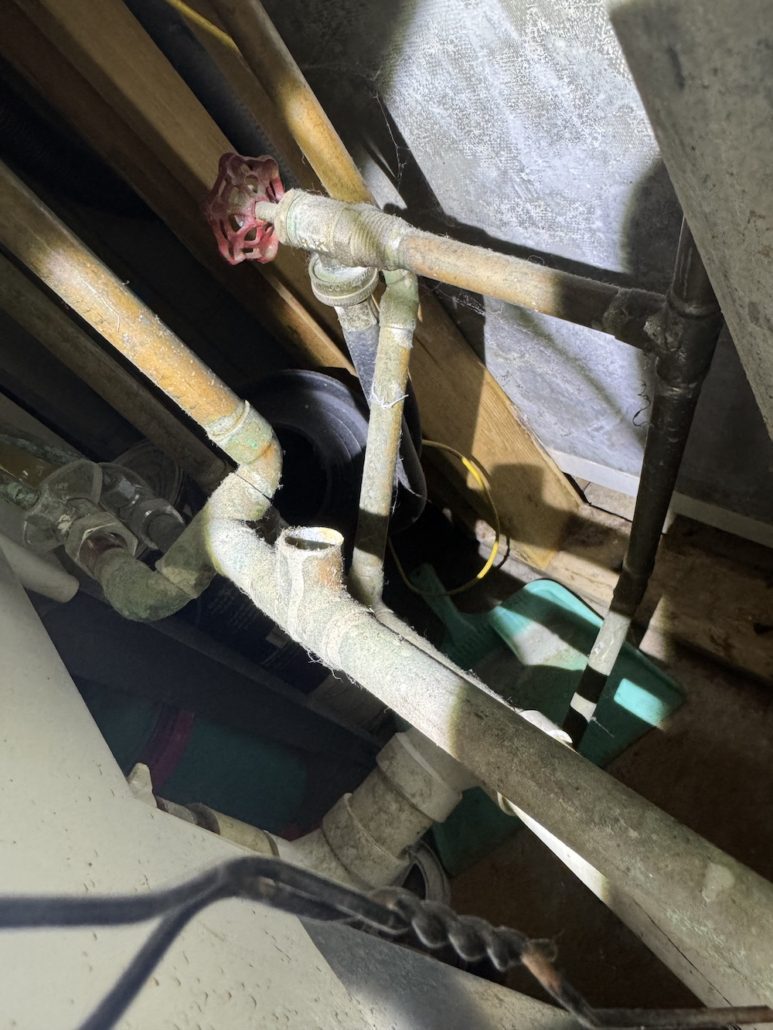
In most Elgin homes, the main shutoff is in the basement or utility room, usually near where the water line enters the house from the street. It’s either a gate valve (wheel handle) or a ball valve (lever handle). Ball valves are faster; a quarter turn stops the flow. Gate valves take several full rotations. If yours is stiff or hasn’t been touched in years, turn it gently now to make sure it actually works. A stuck shutoff valve during a flood is a nightmare.
Step 2: Know Your Individual Fixture Shutoffs
Every toilet, sink, and appliance should have its own shutoff valve, usually under the sink or behind the toilet. Check them. If any are corroded, stripped, or won’t budge, get them replaced before you need them. This is a simple, inexpensive fix that can save thousands in water damage.
Step 3: Know Where Your Water Heater Shutoff Is
If your water heater starts leaking, you need to shut off the cold water supply line feeding it. That valve is typically on the pipe going into the top of the unit. You should also know where the gas shutoff is if you have a gas water heater, and if you ever smell gas, leave the house and call 911 before you call us.
Step 4: Write the Number Down
Put (847) 624-3872 in your phone right now. Label it “24 hr plumber Elgin.” When water is pouring through your ceiling at midnight, you don’t want to be searching. You want to be calling.
The Most Common Plumbing Emergencies We See in the Fox Valley and What Causes Them
After 15+ years of emergency calls across Elgin, South Elgin, Bartlett, Streamwood, and the surrounding Fox Valley communities, we’ve seen the same failures repeat themselves. Here’s what actually causes them.
Burst Pipes in Winter
This is the big one. When temperatures drop below 20°F, which happens multiple times every Elgin winter, any pipe running through an uninsulated exterior wall, crawl space, or unheated garage is at risk. The water inside expands as it freezes, and the pipe splits. The damage doesn’t always show up immediately; sometimes the pipe thaws and leaks slowly for hours before you notice. Prevention: keep cabinet doors under sinks open during cold snaps, let faucets drip on the coldest nights, and make sure your heat stays above 55°F even when you’re away.
Water Heater Failures
Most water heaters last 8–12 years. After that, the anode rod is depleted, sediment has built up on the tank floor, and the pressure relief valve may be corroded. In Elgin’s hard water, sediment accumulates faster than average. We’ve pulled tanks with two inches of calcium buildup on the bottom. That sediment insulates the burner, causes overheating, and accelerates tank failure. Annual flushing extends life significantly. If your water heater is over 10 years old and you haven’t had it serviced, it’s not a matter of if, it’s when. Our team handles water heater repair and installation across the Fox Valley, including emergency replacements when a tank lets go overnight.
Sewer Backups
Summer is peak season for sewer line failures in the Fox Valley. Tree roots — especially from the mature oaks and maples common in older Elgin neighborhoods — infiltrate clay sewer lines through the joints. When it rains hard, the ground shifts, and those roots expand. The result is a backed-up floor drain or a toilet that won’t flush, no matter what you do. This isn’t a plunger situation. It needs professional main sewer line cleaning or, in serious cases, a video sewer inspection to see exactly what’s going on down there.
Sump Pump Failures During Spring Storms
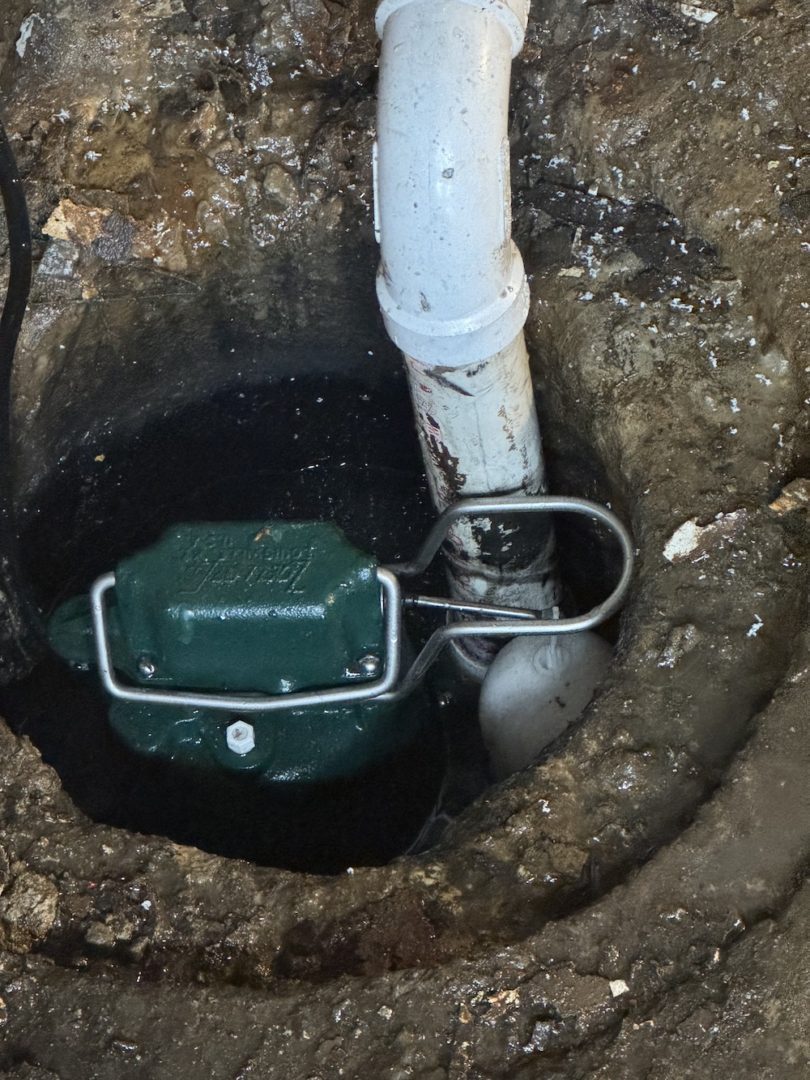
Spring in the Fox Valley means heavy rain and snowmelt — sometimes both at once. Your sump pump is the only thing standing between that water and your finished basement. Sump pumps fail for a few reasons: the float switch gets stuck, the discharge line freezes or clogs, or the pump simply burns out from running continuously. A battery backup system is the single best insurance policy you can buy for your basement. We install and service sump pump and battery backup systems throughout the area, and yes, we handle emergency calls when the pump quits during a storm.
A Seasonal Plumbing Checklist for Elgin Homeowners
The best emergency call is the one you never have to make. Here’s a practical, season-by-season checklist built around what actually fails in this climate.
Fall (October–November)
- Disconnect and drain outdoor hoses; shut off exterior hose bibs from inside.
- Have your water heater flushed and inspected before the heavy-use winter season.
- Test your sump pump. Pour a bucket of water into the pit and make sure it kicks on.
- Insulate any pipes in unheated spaces (garage, crawl space, exterior walls).
- Check your main shutoff valve — make sure it turns freely.
Winter (December–February)
- Keep the heat above 55°F, even when traveling.
- Open cabinet doors under kitchen and bathroom sinks on nights below 15°F.
- Let a thin stream of water run from faucets on exterior walls during extreme cold.
- Know the signs of a frozen pipe: no water from a faucet, visible frost on a pipe, or a bulging section.
Spring (March–May)
- Schedule your annual backflow preventer test required under Illinois Department of Public Health regulations and local municipal ordinances. Our team handles backflow testing and installation across the Fox Valley.
- Inspect your sump pump and test the battery backup.
- Check for any pipe damage from winter freeze-thaw cycles.
- Clear floor drains in the basement, make sure they’re not blocked.
Summer (June–August)
- Watch for slow drains — summer is when grease buildup and root intrusion peak.
- If you’re running irrigation, make sure your backflow preventer is tested and certified.
- Check under sinks for slow drips — summer humidity can mask small leaks until they become big ones.
What to Do While You Wait for the Emergency Plumber
You’ve called us. We’re on the way. Here’s what to do in the meantime to limit damage.
- Shut off the water — main shutoff or the fixture shutoff, whichever is faster and closer to the problem.
- Turn off the water heater — if the main supply is off, shut off the water heater too (gas or electric) to prevent damage to the tank from running dry.
- Move valuables — get anything off the floor that can be damaged by water. Documents, electronics, furniture.
- Don’t use electrical switches near standing water. If water is near your electrical panel, stay out of that area and call your utility company.
- Take photos — document the damage for your homeowner’s insurance before cleanup begins.
- Don’t pour Drano or chemical drain cleaners into a backed-up drain. If there’s a blockage, those chemicals sit in the pipe and can cause burns when we open it up. They also damage older pipes over time.
The International Association of Plumbing and Mechanical Officials (IAPMO) and This Old House both recommend shutting off water at the source as the single most important first step in any plumbing emergency — and they’re right. That one action limits 90% of the damage in most situations.
Why Licensed Matters at 2 a.m.
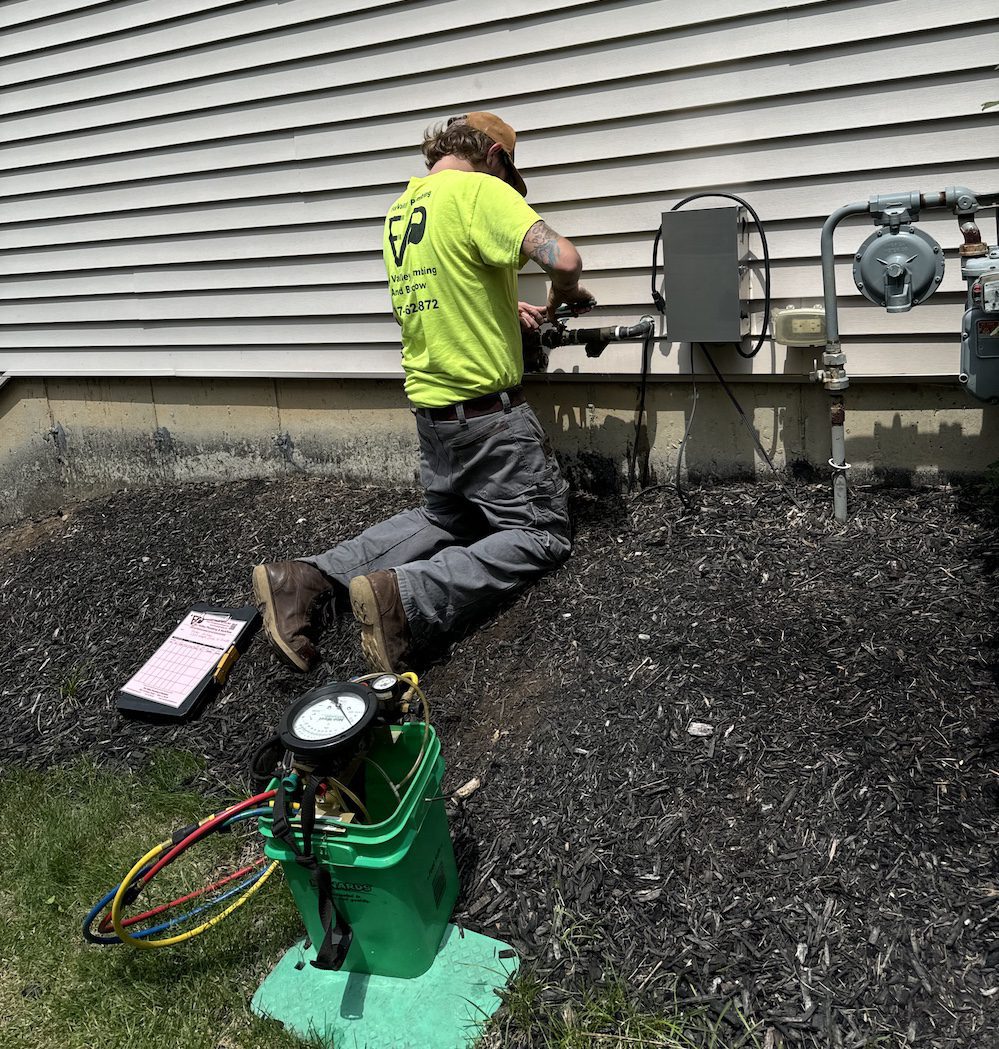
When you’re calling someone to your home in the middle of the night, you need to know they’re the real deal. Fox Valley Plumbing & Backflow holds an Illinois Master Plumber license #058-161084 and a Plumbing Contractor license #055-042593, issued under 225 ILCS 320, the Illinois Plumbing License Law. That’s not a formality, it means every repair we make meets Illinois code, every part we use is approved, and you’re protected if something goes wrong.
Unlicensed “plumbers” — and there are plenty advertising on local Facebook groups — can void your homeowner’s insurance, fail municipal inspections, and leave you with repairs that fail again in six months. At 2 a.m., when you’re stressed and scared, it’s tempting to just call whoever picks up. We pick up. And we’re licensed.
We’ve been serving Elgin, South Elgin, Bartlett, West Dundee, Streamwood, Carpentersville, and the broader Fox Valley for over 15 years. Our emergency plumbing service is available 24 hours a day, 7 days a week, 365 days a year, including Christmas Eve, which, yes, we’ve worked.
Frequently Asked Questions
How fast can a 24-hour plumber in Elgin get to my house?
Response times vary depending on the time of night and how many calls are active, but we prioritize true emergencies — active flooding, no water, gas-related issues — and aim to be on-site as quickly as possible. When you call (847) 624-3872, tell us exactly what’s happening so we can triage correctly. Active water intrusion always moves to the front of the line. We’re based in Elgin, so for most Fox Valley addresses, we’re not driving from the other side of the metro.
What counts as a plumbing emergency versus something that can wait until morning?
Call us immediately for: active flooding or water you can’t shut off, sewage backing up into your home, no hot water in freezing temperatures, a gas smell near your plumbing, or a burst pipe. Things that can typically wait until morning: a slow drain, a dripping faucet, a running toilet, or low water pressure that’s been gradual. When in doubt, call anyway — we’d rather talk you through it and tell you it can wait than have you wake up to a flooded basement because you weren’t sure.
Will my homeowner’s insurance cover a plumbing emergency?
Usually yes — for sudden, accidental damage like a burst pipe. Most policies do not cover damage from slow leaks that were ignored over time, or from deferred maintenance. Document everything with photos before cleanup, save all repair invoices, and call your insurance company as soon as the immediate emergency is handled. We can provide detailed written documentation of what we found and what we repaired, which helps with claims.
How much does an emergency plumber cost in Elgin?
Emergency plumbing costs more than scheduled work — that’s honest and true across the industry. After-hours rates typically include a service call fee plus labor and parts. The range varies widely depending on what’s wrong: a burst pipe repair is a different job than a water heater replacement. We give you a clear price before we start any work. No surprises on the invoice. Check our current offers and promotions — we occasionally run specials that apply even to emergency calls.
Can I prevent most plumbing emergencies with regular maintenance?
Honestly, yes — most of the emergency calls we go on were preventable. Annual water heater maintenance, keeping an eye on slow drains before they back up completely, insulating pipes before winter, and testing your sump pump every spring will eliminate the majority of after-hours calls. Our Preferred Customer Membership is built around exactly this idea — scheduled maintenance that catches problems before they become emergencies. It’s worth looking at if you want to stop playing defense with your plumbing.
Ready When You Need Us — Day or Night
Nobody plans a plumbing emergency. They happen on the coldest night of the year, right before a holiday, when the house is full of guests. The homeowners who handle them best are the ones who knew their shutoff valve, had a number in their phone, and called a licensed plumber fast. That’s the whole readiness plan — it’s not complicated.
Fox Valley Plumbing & Backflow has been the 24 hour plumber Elgin homeowners call for over 15 years. We’re licensed, we’re local, and we answer the phone. If you’re in the middle of an emergency right now, call (847) 624-3872 — we’ll walk you through what to do while we’re on the way. If you want to get ahead of things, schedule a plumbing inspection or maintenance visit and let’s find the problems before they find you.




Leave a Reply
Want to join the discussion?Feel free to contribute!