
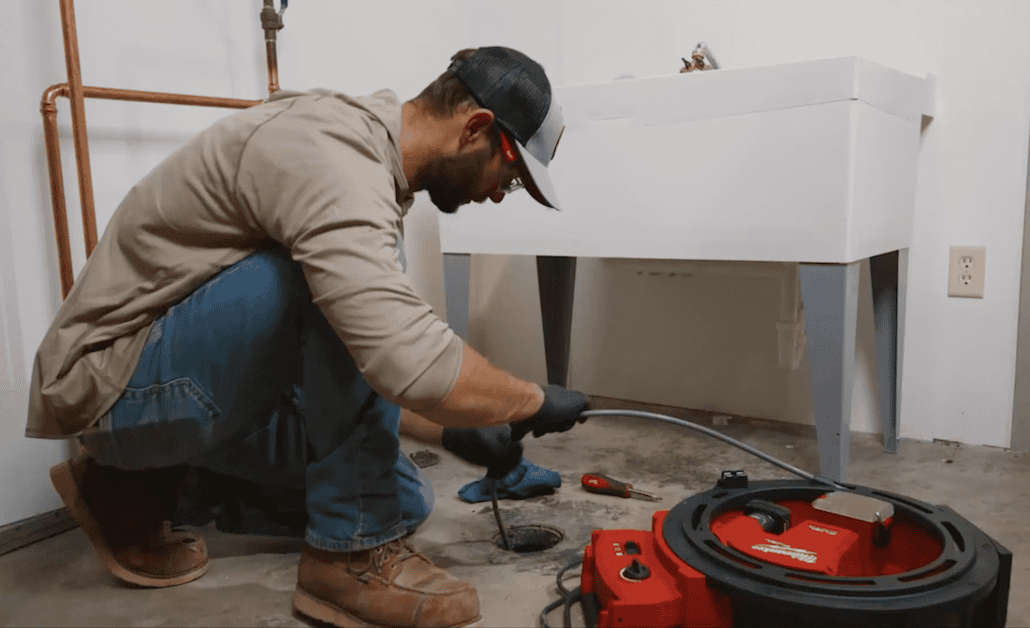
You called a plumber; they showed up, they fixed the thing, or said they did. Three weeks later, you’ve got the same leak, a new water stain on the ceiling, or a drain that’s slow again. Sound familiar? Here’s the uncomfortable truth: in Illinois, a plumbing license tells you a contractor passed a test. It does not tell you whether they’ll diagnose the real problem, use the right materials for Elgin’s notoriously hard water, or leave your home better than they found it. This guide is about the gap between “licensed” and “actually good” — and the specific, observable signals that tell you which side of that line your plumber is on, before the invoice is signed.
Why “Licensed” Is the Floor, Not the Standard
Illinois requires plumbers to hold a license under the Illinois Department of Public Health, governed by 225 ILCS 320 — the Illinois Plumbing License Law. That law sets minimum competency standards. It does not regulate how carefully a plumber listens to you, whether they pull a permit when one is required, or whether they pressure-test a repair before packing up their truck.
Think of it like a driver’s license. Everyone on the road has one. That doesn’t mean everyone drives the same way. The license is the entry requirement. What happens after the van pulls up is where the real differences live.
In the Fox Valley area — Elgin, South Elgin, Bartlett, St. Charles — we see the downstream consequences of low-quality plumbing work regularly. A homeowner calls us because a “licensed” plumber replaced a water heater six months ago and it’s already failing. Or a drain cleaning that was supposed to fix a slow kitchen sink made it worse. The license was real. The workmanship wasn’t up to the job.
Signal 1: They Diagnose Before They Quote
A plumber who gives you a firm price before they’ve looked at anything is guessing. Sometimes that guess works out. Often it doesn’t — and when it doesn’t, you’re the one absorbing the cost of the surprise.
A great plumber asks questions first. Where exactly is the water coming from? When did you first notice it? Has this happened before? They look at the full system, not just the symptom. A slow drain in your bathroom might be a simple hair clog at the stopper, or it might be a partial blockage 40 feet down the main line that a plunger will never touch. The fix is completely different. The price is completely different. A plumber who can’t tell you which one it is before they start working is not diagnosing; they’re guessing and billing you for it.
For anything beyond a straightforward fixture swap, ask: “What are you seeing, and what does that tell you about the cause?” If the answer is vague, that’s a signal.
Signal 2: They Know What Elgin’s Water Does to Pipes and Equipment
Elgin’s municipal water runs between 15 and 25 grains per gallon of hardness — that’s on the high end of “hard,” and it matters enormously for how plumbing systems age here. Scale builds up inside water heaters, reducing efficiency and shortening lifespan. It clogs aerators and showerheads. It accelerates corrosion on certain fittings. A plumber who treats an Elgin home the same as a home in a soft-water suburb is missing a significant variable.
A great plumber in this area knows to check the anode rod in a water heater more frequently than the manufacturer’s default schedule suggests. They know that a water softener changes the chemistry of what’s running through your copper lines. They’ll mention it when it’s relevant — not to upsell you, but because it affects whether the repair they’re making will last two years or ten.
This is local knowledge. It’s not in a textbook. It comes from doing this work in this specific water system for years.
Signal 3: They Pull Permits When the Job Requires One
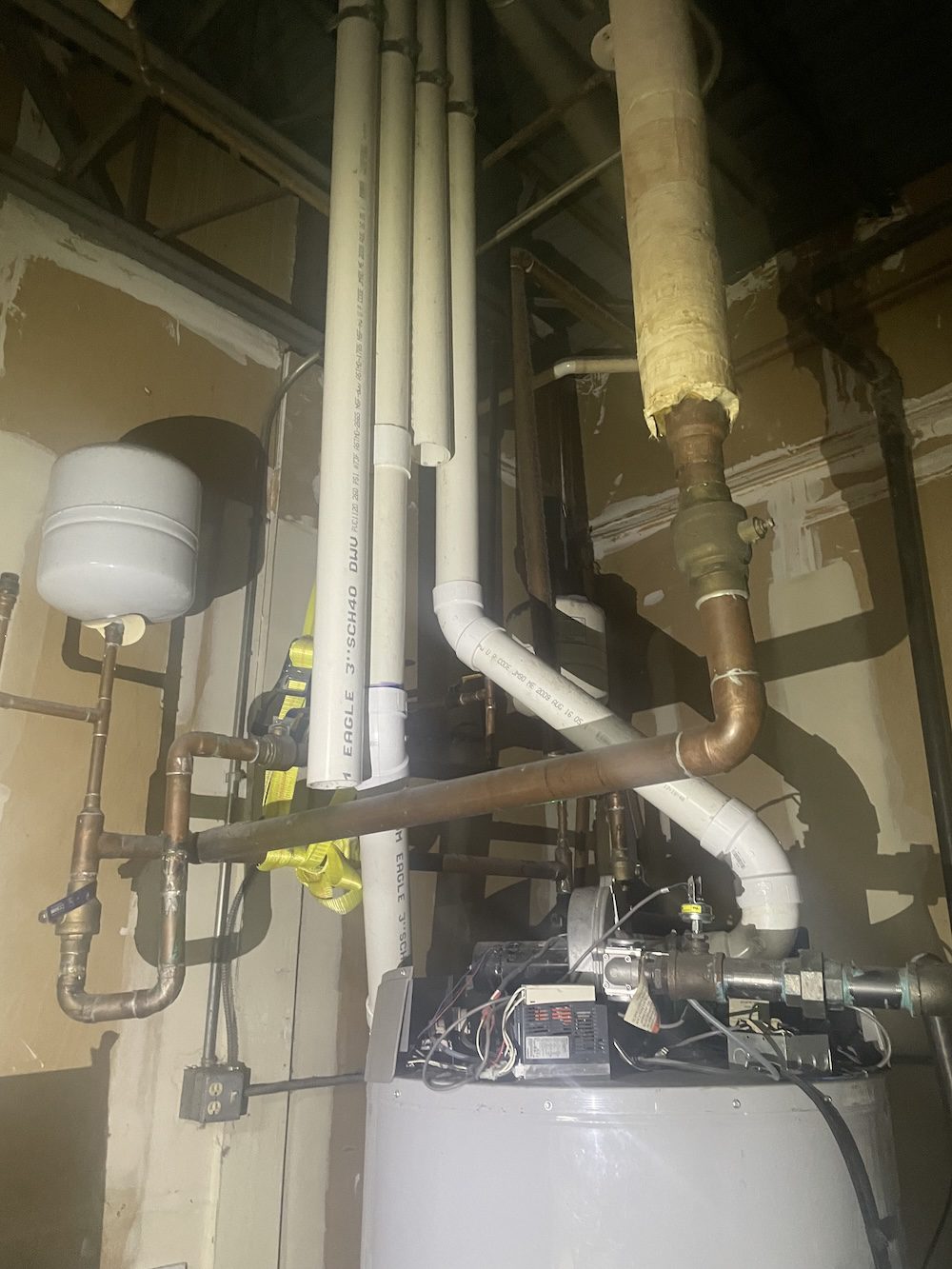
This one makes some homeowners uncomfortable because permits feel like bureaucracy and delay. But here’s what a permit actually does: it triggers an inspection by the city, which means a second set of eyes on the work before the wall closes up or the water turns back on. That inspection protects you — not the plumber.
Under 77 Ill. Adm. Code 890 (the Illinois Plumbing Code), certain work requires a permit: new water service lines, sewer replacements, water heater installations in many municipalities, gas line work. A plumber who skips the permit to save time is saving their time, not yours. If you sell your home and the inspector finds unpermitted plumbing work, you’re the one who has to deal with it.
Ask directly: “Does this job require a permit?” A great plumber will tell you honestly, pull it themselves, and schedule the inspection. If they hesitate or suggest you don’t need one when the scope of work clearly warrants it, pay attention to that.
Signal 4: They Explain the Trade-offs, Not Just the Price
There’s almost always more than one way to fix a plumbing problem. Replace the whole section of pipe or just the failed fitting? Repair the water heater or replace it given its age? Snake the drain or jet it? Each option has a different cost, a different expected lifespan, and a different risk profile. A great plumber lays those out for you honestly.
What you don’t want is a plumber who only presents the most expensive option without explaining why — or, on the other end, one who patches something that genuinely needs to be replaced because it’s the cheaper quote that wins the job. Both are failures of honesty.
The standard we hold ourselves to: tell the homeowner what we’d do if it were our own house, with our own money. Sometimes that’s the repair. Sometimes it’s the replacement. It depends on the age of the equipment, the extent of the damage, and what the homeowner’s priorities are. That conversation should happen before the work starts, not after.
For a deeper look at how this plays out with water heaters specifically — one of the most common “repair or replace” decisions homeowners face — see our guide on water heater repair and installation.
Signal 5: Their Work Meets Code — and They Can Tell You Why
The International Association of Plumbing and Mechanical Officials (IAPMO) sets the model codes that Illinois adapts into its own plumbing standards. Those codes exist because plumbing failures aren’t just inconvenient — they can contaminate drinking water, create gas hazards, or cause structural damage. A great plumber doesn’t just follow code because they have to. They follow it because they understand what the code is preventing.
Ask a plumber why they’re doing something a particular way. If they can explain it — “this trap needs to be within 24 inches of the drain opening per code, otherwise you get sewer gas in the room” — that’s a plumber who understands their trade. If the answer is “that’s just how we do it,” that’s a plumber who’s working from habit, not knowledge.
This matters especially for backflow prevention, which is one of the most under-explained requirements in residential plumbing. The EPA’s drinking water guidelines and Illinois cross-connection control rules (Title 35, Part 653) require backflow preventers on irrigation systems, boilers, and certain other connections. A plumber who installs an irrigation system without asking about backflow prevention is cutting a corner that could affect your drinking water. Learn more about what’s required on our backflow installation and inspection page.
Signal 6: They Leave the Job Site the Way They Found It — or Better
This sounds basic. It isn’t. Plumbing work is messy by nature — water, old pipe material, drywall dust if access panels are involved. How a plumber handles that mess tells you something real about how they handle the parts of the job you can’t see.
A great plumber lays down drop cloths before they start. They clean up their own debris. They don’t leave you with a pile of old fittings on the kitchen floor and a wet towel draped over your cabinet door. They test the repair before they leave — run the water, check for drips, flush the toilet, confirm the pressure is right. They don’t assume it’s fine; they verify it.
And they tell you what to watch for. “If you see any moisture around that fitting in the next 48 hours, call us.” That’s a plumber who stands behind their work. That’s the standard.
What This Looks Like in Practice: A Real Fox Valley Job
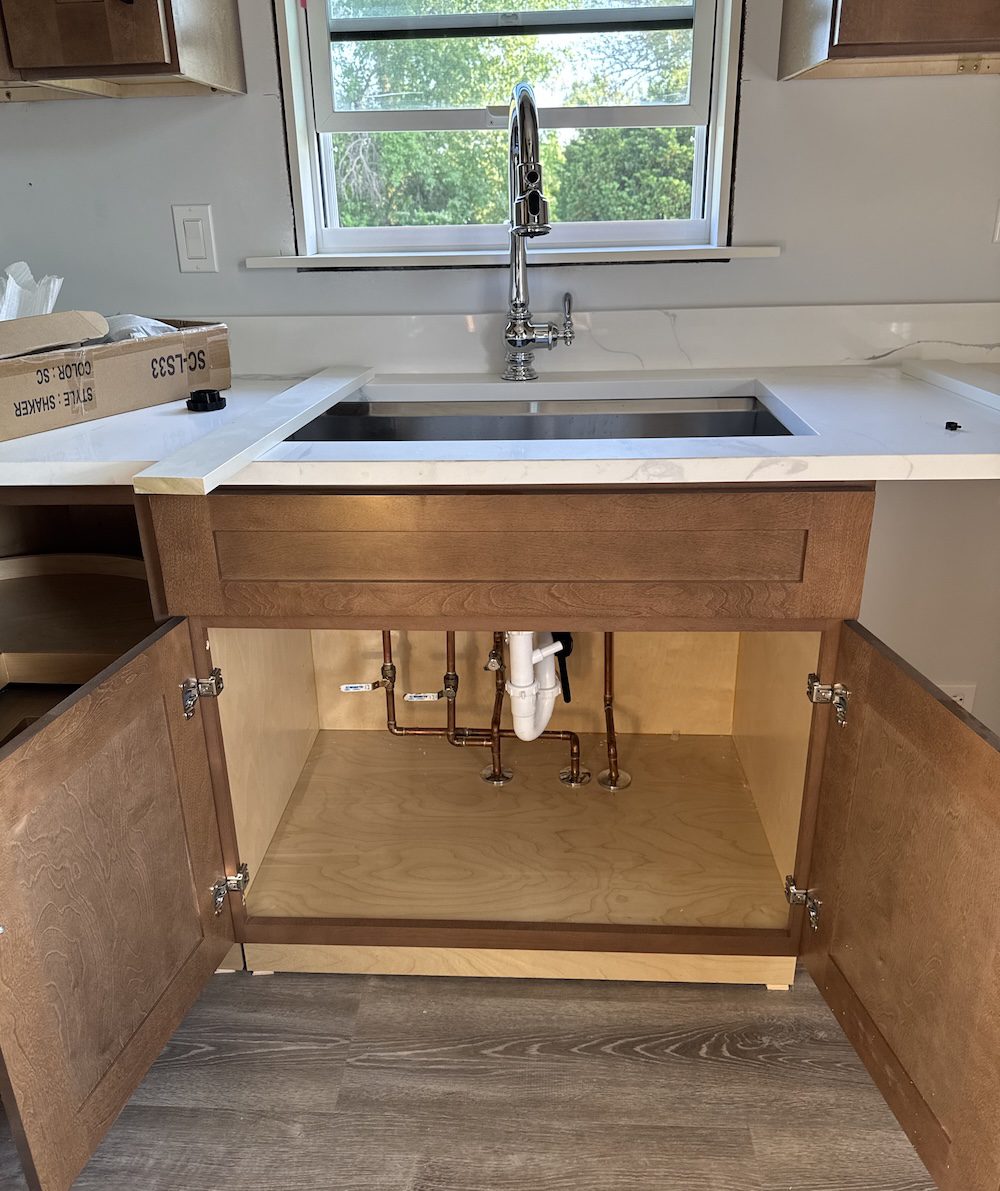
Last winter, we got a call from a homeowner in Bartlett whose kitchen drain had been slow for months. A previous plumber had snaked it twice — charged for both visits — and it kept coming back. When we ran a video sewer inspection, we found a partial grease blockage about 35 feet down the line, well past where a standard snake reaches effectively. We cleared it with high-pressure water jetting and showed the homeowner the before-and-after footage. The drain has been clear since.
The previous plumber wasn’t unlicensed. They just didn’t diagnose. They applied the same tool to every slow drain without asking why this particular drain was slow. That’s the difference we’re talking about.
The AWWA Standard and Why It Matters to You
The American Water Works Association sets standards for water system integrity that inform how good plumbers think about cross-connections and system pressure. You don’t need to know the technical details — but you should know that a plumber who’s aware of these standards is thinking about your water quality, not just the visible pipe in front of them. It’s the difference between fixing the symptom and protecting the system.
Frequently Asked Questions
How do I verify a plumber’s license in Illinois before they start work?
You can verify a plumbing license through the Illinois Department of Public Health’s license lookup tool. Ask the plumber for their license number before the job starts — a legitimate contractor will give it to you without hesitation. For reference, Fox Valley Plumbing & Backflow holds Master Plumber license IL #058-161084 and Plumbing Contractor license IL #055-042593. Verifying takes about two minutes and tells you whether the license is current and in good standing.
What plumbing work in Elgin actually requires a permit?
Generally: new water service lines, sewer line replacement or repair, water heater installations, gas line work, and any work that involves opening walls to access supply or drain lines. The specific requirements vary by municipality — Elgin, Bartlett, and South Elgin each have their own building departments. A licensed plumber should know what’s required in your specific city and pull the permit on your behalf. If a plumber tells you a permit isn’t needed for a water heater replacement or a gas line repair, get a second opinion.
Is it worth paying more for a plumber who diagnoses before quoting?
Almost always, yes. A plumber who quotes without diagnosing is either very experienced with a very simple job — or they’re guessing. When they’re guessing and they’re wrong, the cost of the mistake lands on you: a second service call, a repair that doesn’t hold, or a problem that gets worse because the root cause wasn’t addressed. The diagnostic step isn’t overhead; it’s the part of the job that determines whether everything else goes right. A slightly higher upfront cost for a thorough diagnosis typically saves money over the life of the repair.
What should I ask a plumber before they start work?
Four questions worth asking every time: (1) What’s causing this, specifically? (2) What are my options, and what are the trade-offs? (3) Does this job require a permit? (4) How will you test the repair before you leave? A plumber who answers all four clearly and without irritation is a plumber who knows what they’re doing and is comfortable being accountable for it. If any of those questions produces a vague or defensive answer, that’s information.
How does Elgin’s hard water affect how often I need plumbing service?
Significantly. At 15–25 grains per gallon, Elgin’s water is hard enough to shorten water heater lifespans, clog aerators and showerheads faster than average, and accelerate scale buildup in pipes over time. Homeowners in Elgin and the surrounding Fox Valley area typically need water heater maintenance more frequently than the manufacturer’s standard schedule assumes. A water softener helps, but it introduces its own maintenance requirements. A plumber who knows this area will factor it into their recommendations — not as an upsell, but because it affects whether the work they do today holds up for five years or fifteen.
The Bottom Line
A license is the minimum. What you’re actually hiring is judgment — the ability to find the real problem, explain the real options, do the work to code, and stand behind it. Those things aren’t guaranteed by a license. They’re demonstrated on the job, one visit at a time.
Fox Valley Plumbing & Backflow has been doing this work in Elgin and the surrounding Fox Valley communities for over 15 years. We’re a licensed Master Plumber operation, we pull permits when they’re required, we diagnose before we quote, and we don’t leave until we’ve tested the repair. If you want to know what that looks like on your specific job, reach out through our contact page or call us directly at (847) 624-3872. We’ll tell you what we’re seeing, what it means, and what it’ll take to fix it right.
For more on the full range of residential plumbing services we provide across Elgin, South Elgin, Bartlett, and the wider Fox Valley area, visit our services page — or just call. We pick up.




Leave a Reply
Want to join the discussion?Feel free to contribute!