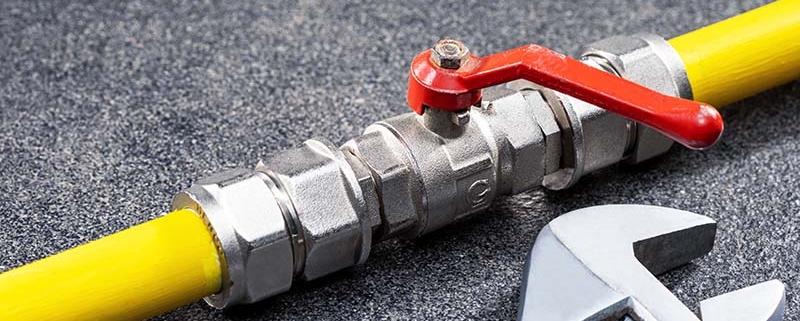
Graphic of a new hot water heater tank fitted and installed against gray background

Your water heater should be durable enough to last many years. However, even high-quality water heaters break down eventually. But how long does a hot water heater last, and how can you maximize its lifespan? Let’s take a look.

How Long Should a Water Heater Last?

How long does a gas water heater last? According to Keep Warm Illinois, the average hot water tank lasts around 12 years. While this is impressive, it does mean you’ll probably need to replace your water heater every decade or so.

Why do water heaters fail? It’s typically due to rust and corrosion. Even if you replace the components regularly, the tank will eventually rust through.

How Long Does a Tankless Water Heater Last?

A tankless water heater can last slightly longer – anywhere from 10 to 20 years. With good maintenance, you can extend this as long as possible. We’ll cover maintenance tips below.

Signs of a Failing Water Heater

How do you know if your heater needs replacing? Look out for these tell-tale signs of a failing water heater or component parts.

  • Low water pressure
  • Discolored water
  • Insufficient hot water
  • Frequent strange noises e.g. hissing, banging
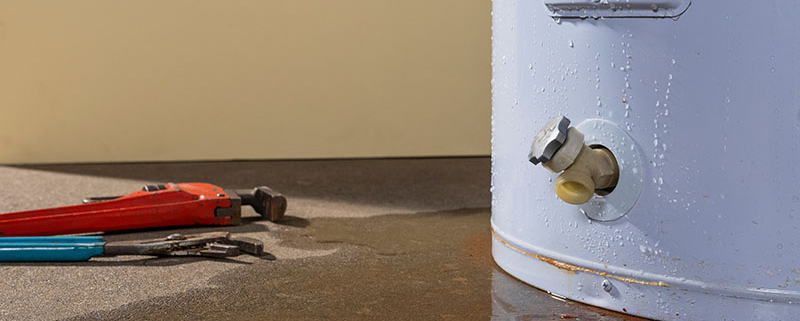
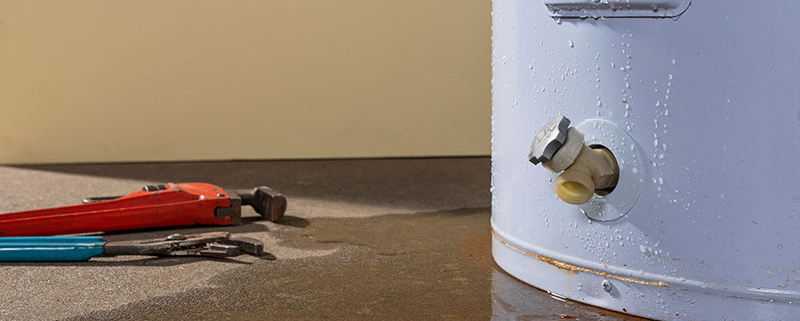
  • Leaks around the tank

The good news is that these signs don’t always mean the whole heater needs replacing! Often, we can replace or repair a component without changing the whole tank.

The sooner you identify water heater failure, the easier it is to fix the problem. So, if you spot any of these signs, contact Fox Valley Backflow & Plumbing for water heater repair.

Tips to Prolong Your Water Heater’s Lifespan

Although your tank will need replacing eventually, there are various ways you can extend its lifespan. Here’s how to improve your tank’s life expectancy.

  • Flush and drain the tank at least once a year. This removes sediment buildup and helps to protect the components.
  • Replace your anode rod every few years. This rod helps to prevent corrosion within the tank.
  • Inspect the tank regularly. If you have any concerns, schedule a visit from our plumbing team.
  • Consider an expansion tank. Expansion tanks help to ease some of the pressure on the main tank. This could prolong the life of your water heater.
  • Buy water softener. Using a water softener can help reduce mineral deposit buildup within the tank.

It’s crucial that you perform routine maintenance on your water heater. And if you spot any signs of leaking or corrosion, call our team so we can remedy the problem before they become urgent.

Remember, malfunctioning water heaters can lead to property damage and flooding – and expensive emergency repairs!

Replace or Repair Your Water Heater in Elgin, IL

Do you need a water heater repair or replacement? Fox Valley Backflow & Plumbing can assist. Our experienced plumbers can service, repair, or replace your water heater with minimal fuss. And we’ll work around your schedule – after all, we’re here to help!

Contact us now to discuss a water heater repair or replacement in Illinois.

Plumber crouching to drain a hot water heater in property

Let’s be honest: do you take your hot water supply for granted? Don’t worry if the answer’s yes – we all do!

To keep your home water supply running smoothly, though, you’ll need to drain the water heater tank regularly. And if you’re feeling confident, it’s something you can attempt to do yourself. So, here’s how to go about draining the tank, and when to call a plumber.

Do You Need to Drain a Water Heater?

Yes. Over time, sediment builds in the water tank. This build-up causes corrosion, and it could shorten your tank’s lifespan. It could also cause leaks, clogs, and eventually lead to no hot water.

How Often Should You Drain a Water Heater?

The general consensus is that water heaters should be drained at least once a year. However, if you’re in an area with “hard” water, consider draining the tank every six months.

How Long Does it Take to Drain a Water Heater?

Want to know how to drain a hot water heater quickly? The good news is that the process is quick! The whole job can be completed in under 60 minutes.

How to Drain Your Water Heater

Are you ready to drain your water heater? Here’s what to do.

  • Shut off the power and water supply. Otherwise, you risk flooding and damaging heating elements. Check your owner’s manual(s) for instructions for how to do this.
  • Attach a garden hose to the drain valve: Any sturdy garden hose will do. Run the other end to a floor drain or outside. Make sure the hose stays lower than the drain valve so water runs in the right direction.
  • Run a hot water tap: To ensure your system flushes completely (and quickly), it’s good to release some pressure first. Run a hot water tap near your heater, or a tap on the upper floor of your home.
  • Open the drain valve: With the hose attached, open the drain valve to start draining.
  • Flush out remaining sediment: Once the tank is empty, flush out remaining sediment by turning the cold water on. Once the water runs clear, turn the cold water off for now.
  • Close your drain valve: Remove the hose and close the drain valve again.
  • Turn the water back on and fill the tank. Wait until the tank is full before turning the power back on. You will soon have hot water again!

How to Drain a Water Heater: Safety Tips

Keep you and your family safe when there’s water flowing, follow these four safety tips.

  1. The tank water could be very hot. Let the water cool down before you drain it! You can run your hot water taps to speed up this process.
  2. Consider wearing goggles and gloves for extra heat protection.
  3. Make sure you use either a floor drain or bucket when draining the water. Or, let the water flow outside from the hose. Insufficient space for draining can cause flooding.
  4. Always check for leaks after completing the water heater drainage. Make sure everything is securely turned back off. Even a small leak can cause flooding eventually!

When to Call a Plumber

Just because you can drain a gas water heater by yourself doesn’t mean you should! If you’re not comfortable draining your own water heater tank, don’t attempt it. Instead, simply call Fox Valley Backflow & Plumbing.

We’ll drain your water heater quickly and perform any other residential plumbing services you require. No job is too small for our team!

Call now at (847) 624-3872 to schedule a home visit for water heater drainage.

The drain is one area of the house that is not thought about often. Only when there’s a maintenance issue this area is given any consideration. Once in a while, things need taking care of to avoid long-term maintenance problems.


A few handy tips and information can help homes maintain their drains sufficiently enough to ask for professional help only when required.

How Can Professional Drain Cleaning Services Help?

1. They can help eliminate a slow drain – Drains become slow when they face issues. Before becoming dysfunctional, drains begin to show slow performance. The professional drain cleaning service will identify if the slow drain is due to a blockage in the homeowner’s system or if it is caused by the mainline serving the home. They can diagnose the problem and ensure proper treatment so that the blockage doesn’t turn into something serious. If you can identify the source of the problem, well. If not, call the professionals.

Call Us At (847) 624-3872


2. Drain cleaning services offer services to reduce home odors – Every home faces this issue. Even when the drainage may be working fine, there could be food items rotting further down the line or something more serious that causes a foul odor. Professional service providers will detect the source of the odor and take steps to get rid of it. They have the equipment and experience to deal with such problems.

3. Drain cleaners can help identify other serious issues – They are professionals who have the knowledge to recognize other serious issues. The problem may have something to do with the bathroom or the kitchen. If not fixed, the problem might lead to a blockage or a leak within the home. There could also be a potential problem with the vent in the drain that may threaten the safety of the people on the property. Timely involvement and detection of problems can help avoid major expenses later.

Call Us At (847) 624-3872


Sooner or later, every home will face the drain clogging problem eventually. Whenever you are faced with the prospect of a blocked drain, engage a professional from the Schaumburg, Illinois drain cleaning service.

When choosing a professional drain cleaning service, ask for a free estimate. Most companies provide a quote. The rate may vary from one to another. But knowing the upfront costs will help you decide which service to go for the cleaning and also give you an idea of how much it is going to cost you.

Though the drain clog might bother you most during the daytime and that is when it is best to get it fixed. But emergencies may happen any time during the day. Select a service that will do the plumbing even during nighttime if required.

Is there a money-back guarantee? In the event that the cleaning was ineffective or the level of service wasn’t as expected, ask for money back. A company that provides money back is sure of its service levels. That helps you be assured you will get quality service.

Call Us At (847) 624-3872


Call Today! (847) 624-3872

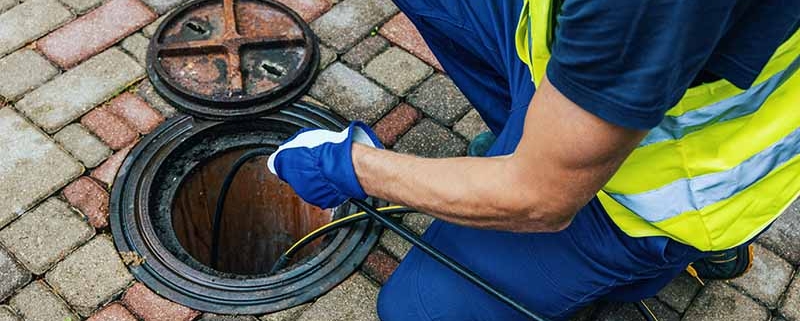
Person cleaning outdoor drain with tool.

Maintaining a functional plumbing system is crucial for any household or commercial space. One common issue that homeowners and business owners face is a clogged drain. While it may be tempting to attempt to resolve the problem on your own, hiring a professional plumber for drain cleaning offers a plethora of benefits that can save you time, money, and unnecessary hassle.

  1. Expertise and Experience

Professional plumbers possess the necessary expertise and experience to handle a wide range of plumbing issues, including drain clogs. They have encountered and successfully resolved numerous drain-related problems, making them well-versed in various drain types, materials, and potential complications. Their experience allows them to quickly identify the root cause of the clog and apply appropriate solutions efficiently.

  1. Specialized Tools and Equipment

Drain cleaning often requires specialized tools and equipment that may not be readily available to the average homeowner. Professional plumbers are equipped with the latest and most effective tools specifically designed for drain cleaning. These tools allow them to tackle even the most stubborn clogs without causing damage to the pipes.

LOOKING FOR DRAIN CLEANING & REPAIR SERVICES IN ILLINOIS?

CALL NOW (847) 624-3872

  1. Cost-Effective Solutions

Contrary to the belief that hiring a professional plumber is costly, it can actually be a cost-effective solution in the long run. DIY attempts to clear a clogged drain may lead to further damage or incomplete removal of the clog. This could result in repeated clogs, more extensive repairs, and higher expenses down the line. A professional plumber ensures the issue is fully resolved, reducing the likelihood of future problems.

  1. Health and Safety

Dealing with a clogged drain can expose you to harmful bacteria, foul odors, and potentially hazardous chemicals if not handled correctly. Professional plumbers are trained to handle these situations safely and efficiently, protecting your health and ensuring a hygienic environment.

  1. Preventing Further Damage

A clogged drain may be a symptom of a more significant plumbing issue. Professional plumbers can diagnose the underlying problems that may not be apparent to an untrained eye. Addressing these issues early can prevent further damage to your plumbing system, saving you from expensive repairs and replacements in the future.

  1. Timely Resolution

When you hire a professional plumber, you can expect a prompt response and timely resolution of your drain clog. Plumbers understand the urgency of plumbing issues and strive to provide efficient service to restore the normal functioning of your drainage system as quickly as possible.

  1. Professional Advice and Maintenance Tips

Beyond resolving the immediate issue, professional plumbers offer valuable advice on how to prevent future drain clogs and maintain a healthy plumbing system. They can recommend proper maintenance practices and suggest products to keep your drains in optimal condition.

Hiring a professional plumber for drain cleaning is a smart investment that can save you time, money, and stress in the long run. Their expertise, specialized tools, cost-effective solutions, commitment to health and safety, ability to prevent further damage, timely responses, and valuable advice make them the preferred choice when dealing with drain-related problems. So, the next time you face a clogged drain, consider reaching out to a professional plumber to ensure a thorough

LOOKING FOR DRAIN CLEANING & REPAIR SERVICES IN ILLINOIS?

CALL NOW (847) 624-3872

Leaking water heater on wet floor.

Your water heater is a crucial appliance in your home, providing you with warm water for bathing, cooking, and cleaning. However, like all appliances, water heaters have a limited lifespan and can develop problems over time. Recognizing the signs of a failing water heater can help you avoid unexpected cold showers and potential water damage. Here are six common signs that indicate your water heater may be on the verge of failing.

  1. Age of the Water Heater

The age of your water heater is a significant factor in determining its potential for failure. Most conventional water heaters have a lifespan of about 8 to 12 years. If your water heater is approaching or has exceeded this age range, it’s wise to start considering a replacement. Aging water heaters are more likely to develop issues such as leaks, corrosion, or a decline in heating efficiency.

  1. Rusty or Discolored Water

If you notice rusty or discolored water coming from your taps, it’s a clear indication that your water heater might be deteriorating from the inside. Over time, sediment and rust can accumulate at the bottom of the tank, causing the water to appear brown or rusty. This can also result in a metallic taste or unpleasant odor. Regular maintenance and flushing of the tank can help prevent this issue, but if you still encounter discolored water, it’s a sign that your water heater could be failing soon.

LOOKING FOR INSTALL OR REPAIR A WATER HEATER IN ILLINOIS?

CALL (847) 624-3872

  1. Strange Noises

Unusual noises emanating from your water heater can be a red flag for impending failure. As sediment and minerals build up inside the tank, they harden and cause popping, rumbling, or banging sounds during the heating process. These noises indicate that your water heater is working harder than it should to heat the water, possibly due to the accumulation of deposits. If left unaddressed, this can lead to reduced efficiency and eventually a complete breakdown of the system.

  1. Leaking or Moisture Around the Heater

Visible water leaks or signs of moisture around the base of your water heater are clear indicators of a problem. Over time, the tank can develop cracks or fissures, leading to leaks. A leaking water heater can cause water damage to the surrounding area and weaken the structural integrity of the unit. Ignoring a leak can result in extensive damage to your property and could necessitate an emergency replacement. If you notice any signs of leakage, it’s essential to address the issue promptly.

  1. Inconsistent Water Temperature

If you experience fluctuating water temperatures or find that your water is not heating up as effectively as it used to, your water heater might be on the brink of failure. The heating element or thermostat within the water heater may be malfunctioning, resulting in inconsistent or insufficient heating. In such cases, a professional inspection and potential replacement of the heating elements or thermostat may be necessary.

  1. Frequent Repairs

If you find yourself frequently calling for repairs on your water heater, it could be a strong indication that the unit is approaching the end of its lifespan. As water heaters age, they become more prone to breakdowns and malfunctions. Constant repairs can be costly and inconvenient. Assess the frequency and cost of repairs and weigh it against the cost of a new, more efficient water heater.

Keeping an eye out for these signs can help you catch water heater issues early, preventing potential damage and ensuring that you have a reliable supply of hot water. Regular maintenance and timely replacement when needed will not only save you from unexpected cold showers but also increase the energy efficiency of your home, ultimately saving you money in the long run. If you suspect any problems with your water heater, consult a professional to assess the situation and recommend the best course of action.

LOOKING FOR INSTALL OR REPAIR A WATER HEATER IN ILLINOIS?

CALL (847) 624-3872

Garbage disposal grinding kitchen waste in sink.

Garbage disposals are highly prevalent. The majority of people cannot envision a kitchen sink without one, and in many areas of the world, more households have them than don’t. Sadly, far too many individuals mistreat their waste disposal, which can cause a blockage.

Plumbers can fix malfunctioning garbage disposals. Disposals can sometimes be unsticked, but other times they need to be replaced. Too often, mistakes made by people are to blame. Here are some pointers from knowledgeable plumbers on how to manage and unclog a clogged garbage disposal.

Your garbage disposal system will last longer with proper maintenance:

Garbage disposal repair can be expensive and clogged drains are a huge hassle. Fortunately, most problems with garbage disposals are easily avoidable, and caring for and maintaining garbage disposals is very simple. If you take good care of your garbage disposal, it will take good care of you. Below, we outline the errors you should avoid and the steps you can take to prolong the lifespan of your garbage disposal and reduce the possibility that you’ll need to contact a plumbing or drain cleaning company. Your garbage disposal’s lifespan will be extended by proper care and use, which will also stop plumbing and drain problems.

LOOKING FOR RESIDENTIAL PLUMBING IN ILLINOIS?

CALL NOW (847) 624-3872

Regular Use and Disposal:

Contrary to conventional belief, your garbage disposal should not be used as frequently as other electrical appliances in order to avoid wearing them out. Even if you don’t intend to use the appliance, switch it on at least once every few days and let the blades spin while rinsing them with a little cold water for around 30 seconds. By doing this, you can keep your garbage disposal from jamming and protect the blades from rust or corrosion. Additionally, by operating your appliance on a regular basis, you may prevent any food residues from hardening and generating an uncomfortable clog by flushing them away.

Using Ice, Water, and Citrus Fruits:

While bleach is undoubtedly useful, you should try to refrain from often running harsh chemicals through your waste disposal. Use cold water instead, run the machine at regular intervals, and then add some ice cubes. Or, freeze some vinegar inside the ice cubes for a more powerful DIY technique of cleaning your tool’s blades and pipes. Combine this with salt and baking soda. Chopping up a citrus fruit, like a lemon, and feeding it via your garbage disposal is another incredibly effective cleaning method. The peel should be included because it contains the most acid. If you do, your appliance will continue to operate at its peak performance level and smell fantastic. Use an old toothbrush to clean the rim to complete the cleaning process. If required, use a little soap, otherwise try the household items we just spoke about: vinegar, salt, and baking soda are all highly effective weapons in the fight against a filthy garbage disposal.

Avoid Using Hot Water When Flushing After Use:

Don’t turn off the garbage disposal right away once you’ve finished slicing your leftovers; instead, let the water run for an additional fifteen to twenty seconds. This will assist in flushing away any tenacious food particles that may be sticking to your garbage disposal system’s pipes just out of sight. Even though you might be accustomed to washing your dishes in warm or hot water, a garbage disposal works best with cold water. Food scraps will be softened and melted by hot water, which will make them stick to your disposal system’s pipes and cause clogs.

Cut Your Waste Up:

Avoid taking any chances. For a quick and effective servicing from your appliance, take an extra few seconds to reduce your food waste.

Avoid Using Any Utensils Near the Grinder:

Consider leaving your garbage disposal off until you have cleaned out the kitchen sink if you are worried about non-food objects getting into it.

Never try to pulverize non-perishable food.:

However, resist the urge to put your main course’s meat or bones in the garbage disposal. Doing so can cause your appliance’s blades to get dull and may even cause a blockage if they slip down the pipe. Throw such leftovers, together with any fruit seeds or hard pits, directly into the garbage can. Although sturdy, your garbage disposal is not impenetrable, and it won’t be able to cut through anything that is too little to be caught.

If you find that your garbage disposal is draining improperly or not draining at all, it’s most likely due to a plumbing issue. If you find that your garbage disposal isn’t grinding the waste as well as it should, it might be a case of changing what you put into it.

LOOKING FOR RESIDENTIAL PLUMBING IN  ILLINOIS?

CALL NOW (847) 624-3872

Hand holding tampon in bathroom.

Ladies! You are being warned not to flush feminine hygiene items down the toilet. Tampons advertise flushability right on the box. You’ll reconsider flushing tampons, maxi pads, wipes, and other “flush-friendly” products after learning that they can damage your plumbing or septic tank.

Ladies, take heed—flushing sanitary products could cost you money. You’ll learn in this essay how feminine products can harm your plumbing. We’ll also examine a few additional items that are frequently flushed but shouldn’t be.

What Plumbing System Damage Sanitary Products Can Cause

You have probably seen signs in women’s restrooms asking you not to flush feminine items. Although these warnings are frequently found in public restrooms, it’s a good idea to heed this advice even at home. There are various reasons why sanitary products like tampons shouldn’t be flushed down the toilet.

A tampon’s size may grow after flushing as a result of water absorption. A tampon will expand to roughly ten times its original size once it has absorbed water, which may surprise you. Once the tampons have expanded, they may block drains and sewers, clog toilets, or become stuck deeper down the plumbing system.

LOOKING FOR SEWER LINE CLEANING & REPAIR IN ILLINOIS?

CALL NOW (847) 624-3872

Non-bio-degradable

Tampons won’t disintegrate; they’ll stay in one solid mass. Tampons won’t disintegrate if they become stuck in the plumbing system, instead causing a clog. It’s possible for your toilet to fully clog and overflow if more tampons are flushed. Then you will need to contact a plumber.

Tampons or pads may occasionally be able to pass through your plumbing system, but they may cause an obstruction enroute to the main sewer. If you don’t have a septic tank, your waste will be sent through the sewage system, and if a blockage occurs farther down the line, it can damage your neighbors.

Difficulties with sewage treatment plants

Many tampons do make it to the sewage treatment facility in the city. The pumping station may then be affected, or the filters may become clogged. Chemicals are used in sewage treatment facilities to break down objects that shouldn’t have been flushed. A filtration mechanism is also present to capture non-biodegradable items. These actions are not very ecologically friendly and may be problematic for plant workers. The process of removing hygienic objects from sewage is messy, time-consuming, and expensive.  If these products had been thrown out in the first place, they would have avoided the plumbing system altogether and saved money and potential plumbing damage by going straight to the landfill.

Issues with septic tanks

Feminine products can clog your septic tank if you have one. They will also take up room in the tank because they don’t biodegrade. As a result, the liquid levels will increase and human waste may start to clog the distribution pipes.

Napkins or wipes

Since it will break down once sufficiently wet, toilet paper is made to be flushed. This will make it possible for it to pass through the sewage system without getting stuck. Other paper goods shouldn’t be flushed because they are thicker and more likely to produce a blockage, such as kitchen roll, tissues, or wipes. Even if it says flushable on the packet, never flush any kind of wipe.

Diapers and pads

It’s also usual to flush diapers or maxi pads down the toilet, however doing so is not recommended because they are bulky and expand when wet. After flushing a few pads, a clog can develop quite rapidly. Dispose of pads and diapers in the garbage in a hygienic manner.

Things for personal hygiene

Do not flush anything used for other personal hygiene, such as dental floss, cotton balls, swabs, q tips, bandages, or condoms. Although they shouldn’t be, medications, narcotics, and cigarette butts are frequently flushed. Avoid flushing or letting pet or human hair fall down the drain so that it can enter your plumbing system.

What to Do if Something Shouldn’t Have Accidentally Been Flushed?

If you or one of your family members accidentally flushed a pad, tampon, or another item on the above list, don’t panic! It’s unlikely that there will be immediate repercussions unless you’ve been flushing sanitary items for a long time, and there’s already a blockage. You may need to call a plumber.

The best course of action is to keep an eye on your plumbing system as a whole and how well your toilet flushes. Watch for any indications that a clog may exist in your system. Common signs include slow drains, sluggish flushing, an unpleasant odor coming from the pipes or a gurgling sound after flushing the toilet. If you experience any of these signs, call a plumber.

LOOKING FOR SEWER LINE CLEANING & REPAIR IN ILLINOIS?

CALL NOW (847) 624-3872